

Elective ultrasound training teaches you how to operate a 3D, 4D, and HD ultrasound machine for non-diagnostic keepsake sessions, how to optimize images across different scanning conditions, how to perform early gender determination, and how to deliver a professional client experience. Strong programs also include business operation and launch guidance alongside the technical scanning curriculum.
Most people researching elective ultrasound training know they need it. What they are less clear on is what the curriculum actually looks like, what skills they will leave with, and how to tell whether a program covers what they genuinely need versus what sounds good in a program description.
This post walks through exactly what elective ultrasound training teaches, section by section, so you can evaluate what you are considering with a clear picture of what strong training should include.
The Foundation: Machine Operation and Scanning Basics
Elective ultrasound training teaches you how to operate a 3D and 4D ultrasound machine with the confidence to produce strong images for real clients. This starts with understanding the physical controls, display settings, and preset management of your specific system.
Basic machine operation includes probe handling, how pressure and angle affect the acoustic beam, understanding the relationship between frequency and depth, and how to navigate the machine interface efficiently during a live session. Most programs begin here because even students with prior exposure to ultrasound technology find that operating a machine for elective scanning involves a distinct set of habits compared to diagnostic work.
2D imaging is covered alongside 3D and 4D because a strong 2D baseline is the foundation for everything else. Finding the fetal heart in 2D, confirming presentation and position, and locating landmarks before switching to 3D modes is part of the scanning workflow that every operator needs to internalize.
3D, 4D, and HD Image Optimization
This is the technical core of elective ultrasound training and the area that most directly determines your ability to deliver a strong client experience. Strong training teaches you how to produce clear, emotionally resonant 3D and 4D images across a range of scanning conditions, not just in ideal circumstances.
Image optimization covers gain adjustment, smoothing and density settings, scan angle and acoustic window selection, how to manage common challenges like baby position and low fluid, and how different preset modes affect rendering quality. Advanced programs also cover HDlive and similar high-definition imaging modes, including how the virtual light source setting in 3D/HD modes changes the feel of the rendered image and how to use it effectively for premium keepsake sessions.
The practical gap between understanding image optimization conceptually and doing it in real time with a client in the room is significant. This is why hands-on training with real clients or advanced practice scenarios is an essential part of any program worth considering. Reading about gain adjustment is very different from applying it while a family is watching the screen.
Early Gender Determination Training
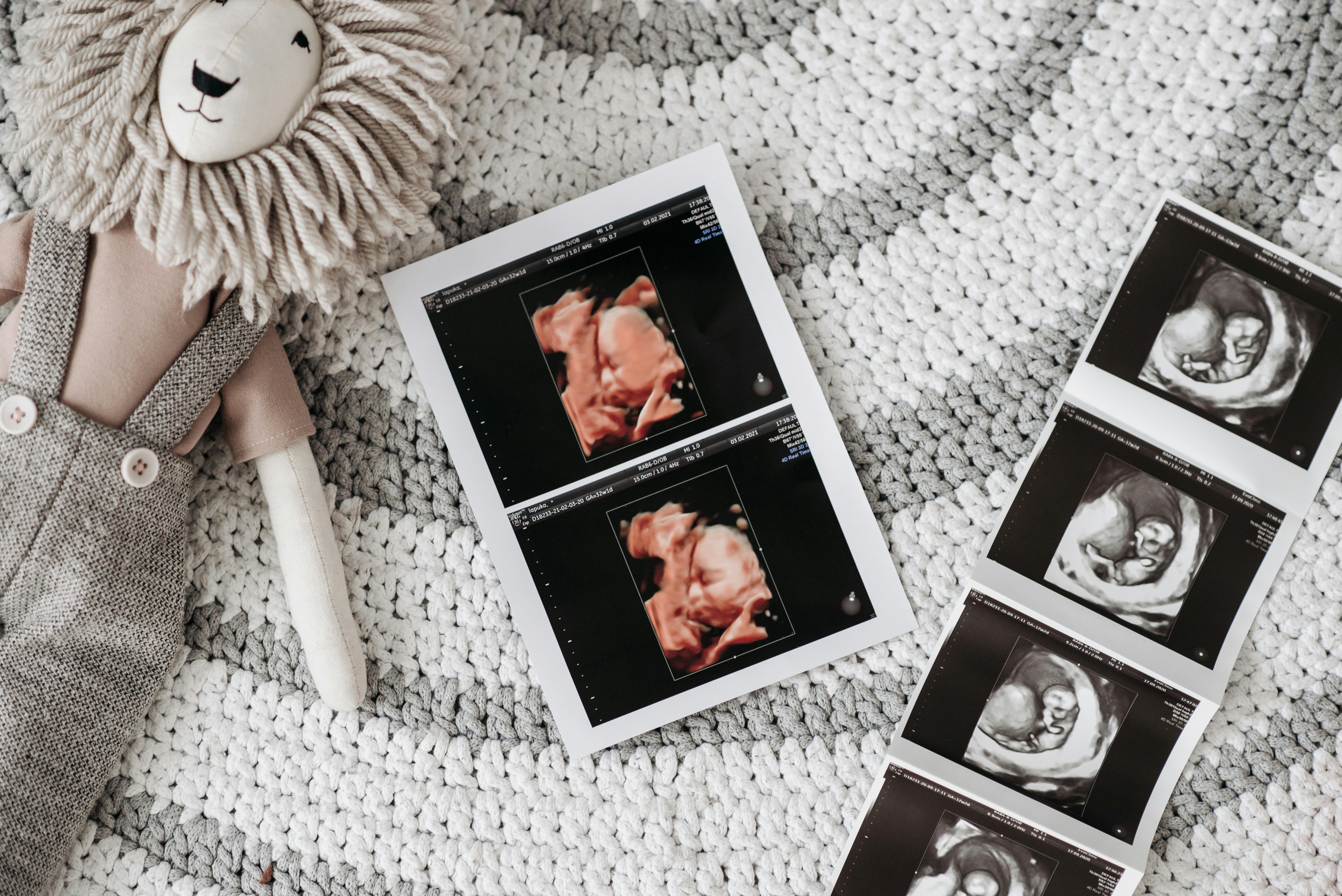
Early gender determination, typically performed between 15 and 16 weeks using the nub or skull theory method alongside direct visualization, is one of the most in-demand services an elective ultrasound studio can offer. It is also one of the more technically demanding scanning tasks because the target anatomy is small and the margin for error is high when a family is making plans based on your read.
Strong elective ultrasound training programs cover the anatomy involved in early gender determination, the gestational age parameters that make reliable identification possible, the scanning angles and probe positions that give the clearest views, and how to communicate confidence and limitations to the client honestly. Training on phantom models and under supervision before performing gender determination independently is important for developing the accuracy and consistency this service requires.
Identifying Common Fetal Anatomy Landmarks
Elective ultrasound training includes instruction on identifying common fetal anatomy landmarks during 2D scanning. This is not diagnostic training. You are not learning to evaluate fetal abnormalities or provide clinical assessment. What you are learning is how to locate the structures that make up a complete and professional keepsake session: fetal cardiac activity, fetal position and presentation, limb visibility, and the key anatomical markers that help you document a thorough and meaningful scan.
Understanding why certain views look the way they do and how normal anatomy presents at different gestational ages also makes you a more confident operator when something looks unfamiliar. Your role is always to clarify that you are performing a non-diagnostic elective session and to recommend that clients consult their medical provider for any clinical questions. But understanding what you are looking at as a scanning operator makes you more effective and more credible.
The Client Experience Curriculum
The technical scanning skills are what make you capable. The client experience skills are what make you memorable. Elective ultrasound training programs that take the business seriously include dedicated curriculum on how to deliver a session that clients want to tell their friends about.
This covers the greeting and intake process, how to set expectations before the probe touches the skin, how to narrate the session for clients and their guests, how to manage sessions where imaging conditions are challenging, how to close a session in a way that leaves a strong final impression, and how to present and deliver keepsake items. These are learnable, teachable skills that distinguish studios that rely on word-of-mouth from studios that are constantly starting from scratch with every new client.
Business Operation and Studio Launch Training
A scan training program that sends you home knowing how to operate the machine but without any knowledge of how to run the business is only half the curriculum you need. The strongest programs include business training that covers pricing strategy and package design, booking and scheduling system setup, basic marketing including social media and Google Business Profile optimization, referral strategy, and the operational decisions around room setup, supplies, and workflow.
This business training component is what separates operators who can scan from operators who can build and run a business. The Ultrasound Trainers program overview covers both the technical scanning curriculum and the business preparation you need to launch and operate successfully. The difference between arriving at opening day prepared for both sides of the work and arriving prepared for only the scanning is significant in the first three to six months of operation.
What Elective Ultrasound Training Does Not Cover
Being clear about what elective ultrasound training is not is just as important as understanding what it is. Training does not cover diagnostic ultrasound technique. It does not prepare you to perform anatomy scans for clinical purposes, evaluate fetal development for medical decision-making, or provide any form of diagnostic assessment to clients.
It also does not substitute for legal and regulatory research in your specific location. Requirements vary by state and locality. Consulting a local attorney before opening to confirm what applies in your market is always the appropriate step, regardless of how thorough your training was. The American Institute of Ultrasound in Medicine at aium.org provides professional guidance on the distinction between diagnostic and non-diagnostic ultrasound that can inform your understanding of the regulatory landscape.
Questions to Ask Before You Enroll in an Elective Ultrasound Training Program
| Question | Why It Matters |
|---|---|
| How much hands-on scanning time is included? | Video curriculum alone does not build scan confidence. Real practice does. |
| Does training include real clients or only phantoms? | Phantom practice is useful but cannot replicate the variability of live scanning. |
| Does the program cover business operations as well as scanning? | Running a studio requires more than scan skills. Business preparation is essential. |
| What ongoing support is available after training? | The first weeks of real client sessions generate questions that good programs help answer. |
| Does training cover early gender determination specifically? | This service requires dedicated training. Not all programs include it. |
| Is training delivered at your location or a fixed facility? | On-site training lets you learn on your actual equipment in your actual space. |
Frequently Asked Questions
What does elective ultrasound training actually teach you?
Elective ultrasound training teaches machine operation, 3D and 4D image optimization, early gender determination technique, 2D scanning basics, fetal anatomy landmark identification, client experience delivery, and in strong programs, the business operation skills needed to run a profitable studio. The balance between technical scanning curriculum and business preparation varies by program, so evaluating both components matters before enrolling.
How long does it take to complete elective ultrasound training?
Program formats vary. Intensive hands-on programs can cover the core curriculum in three to four days of in-person training. Scan confidence at a level that supports real client sessions typically develops over the weeks following initial training, with ongoing practice and real-world experience. Programs that combine a structured training period with ongoing support access the learning curve more smoothly than programs that deliver knowledge and then disengage.
Do I need prior medical experience to complete elective ultrasound training?
No. Elective ultrasound training is designed to build scanning ability from the ground up regardless of starting background. People with no prior healthcare exposure complete these programs successfully every year. What matters is attentiveness during training, consistent practice, and the kind of hand-eye coordination that any new manual skill requires. Prior medical experience may reduce the learning curve for some anatomy concepts but is not a prerequisite.
Is elective ultrasound training different from diagnostic sonography school?
Significantly different. Diagnostic sonography school is a multi-year clinical program that prepares students to perform and interpret scans for medical diagnosis. Elective ultrasound training is focused specifically on non-diagnostic keepsake scanning skills, client experience delivery, and in strong programs, the business management knowledge needed to operate a studio. They address different purposes, different regulatory contexts, and different professional outcomes.
What is the difference between online elective ultrasound training and in-person training?
Online training can deliver theoretical knowledge effectively. It cannot deliver hands-on scanning practice, which is the most important element for building real scan confidence. In-person training, particularly training that includes supervised sessions with real clients on your actual machine, is not replaceable by video content. Programs that combine an online component for preparatory knowledge with substantial in-person hands-on time offer the best of both approaches.
Can elective ultrasound training teach me to do gender determination scans?
Yes, when gender determination training is included in the curriculum. Not all programs include it as a core component, so ask specifically before enrolling if early gender determination is a service you plan to offer. The training covers the anatomy involved, the gestational age parameters that support reliable identification, and the scanning technique required. This service has a distinct skill requirement from standard bonding scan technique and should be trained specifically rather than assumed to transfer automatically.
How much does elective ultrasound training cost?
Program costs vary significantly based on format, duration, what is included, and whether business training is part of the curriculum. Private hands-on training delivered at your location with a focus on your specific equipment is priced differently from a standard group program. The right question is not which program is cheapest but which program gives you the specific skills and support you need to operate confidently and build a successful studio. Evaluating programs based on curriculum depth and ongoing support is more useful than price comparison alone.
Want to Learn What Our Training Actually Covers?
Ultrasound Trainers provides hands-on elective ultrasound training delivered at your location, covering scanning technique, image optimization, gender determination, client experience, and business operation. If you want to understand exactly what the program includes and whether it is the right fit for your goals, reach out and we will walk you through it.
Get in TouchAbout the Author and Process: This content was developed by the Ultrasound Trainers team based on direct experience delivering elective ultrasound training to operators across the United States with varying backgrounds and starting skill levels. Ultrasound Trainers provides hands-on training, equipment guidance, and business startup support for people entering the elective ultrasound industry.
Last Updated: April 21, 2025
Get the Inside Track
Training tips, business advice, and exclusive deals delivered straight to your inbox.

How to Get More Bookings for Your Elective Ultrasound Studio in Montana
Struggling to fill your elective ultrasound booking calendar in Montana? This guide covers what actually[...]

Buying an Elective Ultrasound Machine for an Arkansas Studio: What Actually Matters
Ready to buy an elective ultrasound machine for your Arkansas studio? This guide covers the[...]

How to Build a Pre-Launch Marketing Campaign for Your Elective Ultrasound Studio: A 60-Day Countdown Plan
Pre-launch marketing for an elective ultrasound studio begins 60 days before opening. This 60-day countdown[...]

What Career Changers in Hawaii Need to Know About Elective Ultrasound Training
Considering ultrasound training for a career change in Hawaii? This Q&A guide covers what training[...]

How to Find and Recruit Volunteer Scan Models for Elective Ultrasound Practice
Finding volunteer models for elective ultrasound practice is a skill in itself. Learn where to[...]

How to Write an Elective Ultrasound Business Plan That Actually Works
Writing an elective ultrasound business plan? This guide covers what to include, how to build[...]

How to Open an Elective Ultrasound Business in Honolulu: A Practical Startup Guide
Open an elective ultrasound business in Honolulu with confidence. This guide covers training, startup costs,[...]

Adding Elective Ultrasound to an Existing Photography or Doula Practice in Montana
Montana birth photographers and doulas: adding an elective ultrasound add-on business in Montana to your[...]

Starting an Elective Ultrasound Business in Cheyenne, Wyoming: First-Mover Advantage in the Least-Crowded Market in the Country
Thinking about starting an elective ultrasound business in Cheyenne, Wyoming? This guide covers the F.E.[...]

Elective Ultrasound Training for Career Changers in Sweden
Considering a career change into elective ultrasound in Sweden? Find out what training involves, whether[...]

What Career Changers in Fayetteville Should Know About Elective Ultrasound Training
Thinking about elective ultrasound training in Fayetteville, Arkansas as a career changer? This Q&A guide[...]

The Biggest Mistake Las Vegas Elective Ultrasound Studios Make With Their Marketing
Elective ultrasound studio marketing in Las Vegas prioritizes trust and reviews over ad spend. Here's[...]
