

The decision to buy an elective ultrasound machine for an Arkansas studio comes loaded with noise — brand comparisons, spec sheets, used-versus-new debates, and a lot of opinions from people who may or may not have actually run an elective studio. This guide cuts through it. The goal isn’t to point you at a specific model but to give you a clear framework for evaluating any machine against what your business actually needs.
When you buy an elective ultrasound machine for an Arkansas studio, the most important factors are 3D and 4D image quality, reliability, ease of use for a non-clinical environment, and available service support. Price matters, but the cheapest machine that produces inconsistent images will cost more in lost bookings and reputation than the upfront savings justify.
Last Updated: May 2025
What Elective Ultrasound Studios Actually Need From a Machine
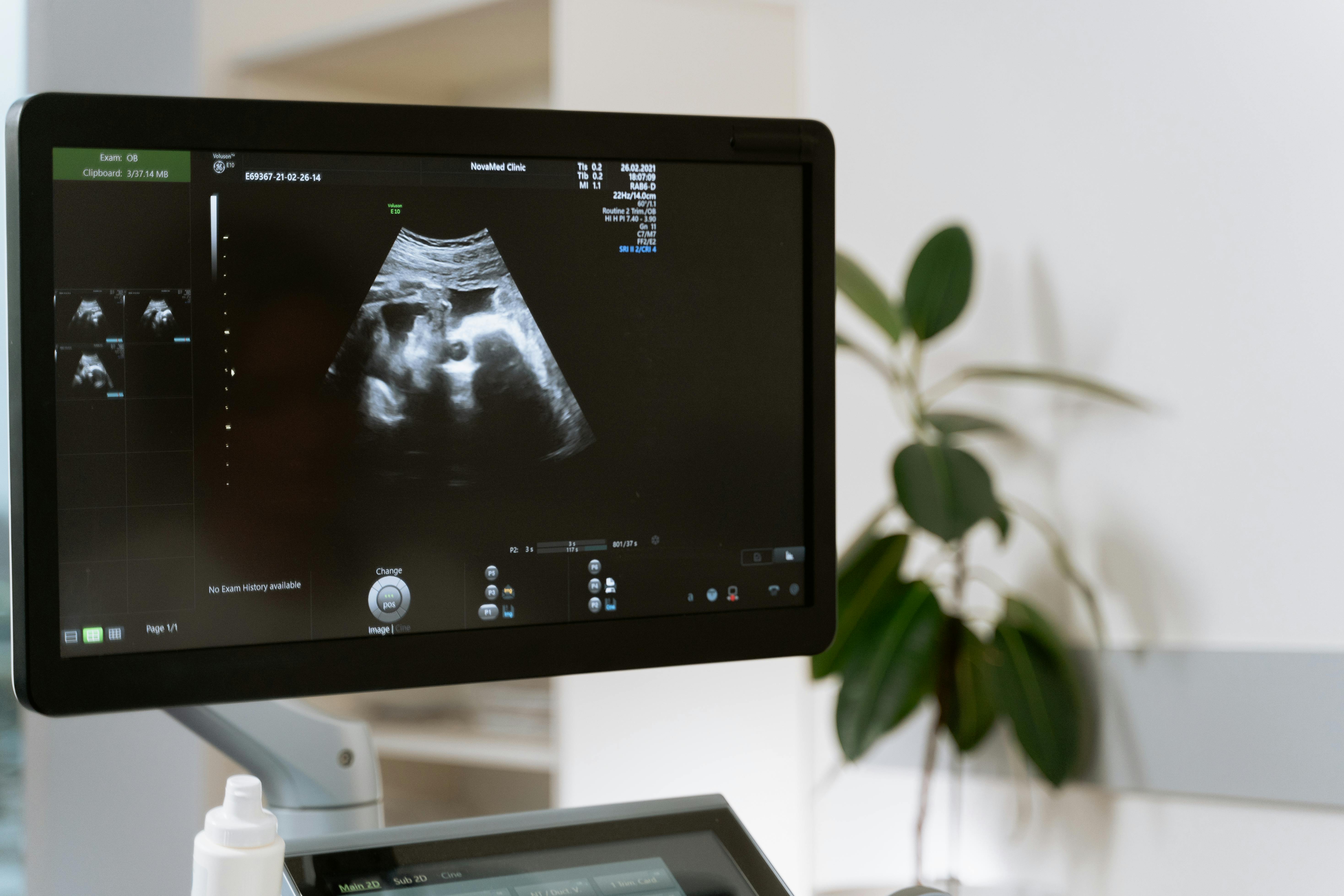
Buying an elective ultrasound machine for an Arkansas studio is a different evaluation than buying diagnostic equipment for a clinical setting. Your clients aren’t receiving medical care — they’re experiencing a keepsake bonding session. That means the technical requirements of the machine are focused on 3D and 4D image quality, probe versatility for different fetal positions and gestational ages, and operational simplicity for a solo or small-team environment.
Diagnostic machines are built with clinical workflow in mind — measuring, annotating, generating reports, integrating with PACS systems. You don’t need any of that. What you need is a machine that produces stunning, clear 3D surface renders consistently, handles common imaging challenges gracefully, and doesn’t require an advanced clinical background to operate at a professional level.
Five Factors That Should Drive Your Equipment Decision
1. 3D and 4D Image Quality
This is the non-negotiable. A keepsake ultrasound client books a session to see their baby clearly — ideally in a way that produces images they’ll print, frame, and share. Machines vary significantly in how well they render 3D surface images, especially in challenging conditions like low amniotic fluid, unfavorable fetal position, or early gestational age. Ask for real examples. Look at actual images from the machine, not marketing renders.
2. Probe Selection and Performance
The convex 3D/4D probe is the primary workhorse for elective ultrasound. Probe quality and compatibility with the machine’s processing system determines a significant portion of image output. When evaluating any machine, understand exactly which probes are included and what the support path looks like if a probe fails or needs replacement.
3. Ease of Operation for a Non-Clinical Environment
A machine designed for clinical radiologists has a workflow built around clinical radiologists. Some of the interface decisions that make sense in a hospital don’t translate well to a studio where a solo operator is managing the session, communicating with the client, and optimizing images simultaneously. Simpler, more intuitive interfaces reduce cognitive load and help you focus on the client experience rather than the controls.
4. Service and Support Infrastructure
Equipment fails. Probes wear out. Software needs updating. The relevant question isn’t whether your machine will need service — it’s what happens when it does. A machine with no clear service path in the Arkansas region, or from a seller with no post-sale support, is a liability. When comparing equipment options, the service conversation is as important as the spec sheet.
5. Long-Term Value, Not Just Upfront Cost
A machine that costs $5,000 less than the alternative but produces noticeably inferior images, requires more maintenance, or lacks service support is not a bargain over a two or three year business horizon. Factor total cost of ownership — purchase price plus expected maintenance, probe replacement, and potential downtime costs — into any equipment comparison.
New vs. Refurbished: The Honest Trade-Off for Arkansas Studios
Used and refurbished equipment is a real option for studios that want to reduce upfront costs. It’s not inherently a bad choice. But the decision deserves more scrutiny than “used is cheaper, so let’s go used.”
A machine that’s been refurbished by a reputable service company, with clear documentation of what was replaced or repaired, and with a meaningful warranty covering parts and labor, is a materially different purchase than a used machine bought directly from an individual seller with no service history and no coverage.
According to the SBA, equipment-related business interruptions are among the leading causes of early-stage small business revenue disruption. For a service business where your equipment is the only product, downtime is lost revenue and lost clients — often permanently in a local word-of-mouth market.
The Arkansas markets where studios are most likely to succeed — Little Rock, Fayetteville, Jonesboro, Bentonville — are relationship-driven communities. A reputation for equipment problems, cancelled appointments, or inconsistent image quality spreads quickly. The cost of getting the equipment decision wrong often exceeds the savings of the cheaper choice.
Ultrasound Equipment Financing for Arkansas Buyers
Most new studio owners don’t pay for equipment outright, and they shouldn’t feel pressured to. Equipment financing is widely available for this category of purchase, and spreading the cost of a $15,000 to $30,000 machine over 36 to 60 months can meaningfully improve your cash position during the critical early months of business.
Ultrasound Trainers can point buyers toward ultrasound financing options as part of the equipment conversation. Understanding your financing options before you finalize an equipment decision often opens up machine choices that would have seemed out of reach on a cash basis.
Arkansas Market Notes: Little Rock and Bentonville
The equipment decision exists in a business context, and different Arkansas markets have different implications for how much equipment performance matters in practice.
In Little Rock, the market is big enough that clients have some comparison reference — they may have heard about ultrasound experiences from friends or family who visited studios in other states. Image quality expectations have risen as the industry has matured. A machine that produces distinctly superior 3D images is a competitive advantage in a market where reputation is building.
Bentonville and the broader Northwest Arkansas corridor attracts a higher-income, more transient population because of the Walmart corporate ecosystem and associated industries. That demographic tends to have higher expectations for the overall studio experience — space, branding, and image quality all matter. Underinvesting in equipment in a market with above-average income demographics is a strategic miscalculation.
According to the Bureau of Labor Statistics, service-sector business viability in smaller metros is closely tied to repeat patronage and word-of-mouth referral — meaning the quality signal you send with each session compounds over time in ways that raw marketing spending cannot easily replicate.
Questions to Ask Before Buying Any Elective Ultrasound Machine
- What are real image samples from this machine look like — not marketing materials, but actual 3D session outputs?
- What probes are included, and what’s the cost to replace or add probes in the future?
- What warranty coverage applies, and what are the service options in Arkansas?
- Is the seller able to support questions and service needs post-purchase?
- If refurbished, what documentation exists for the service and repair history?
- Does the machine’s workflow make sense for a solo studio operator, or is it built for a multi-person clinical team?
- What financing options are available for this machine?
Ultrasound Trainers sells elective ultrasound machines and can help Arkansas buyers evaluate options based on their specific business goals, service plans, and budget. That guidance — from a source that also trains on the equipment — is worth using before making a purchase of this size.
Comparing Ultrasound Machines for Your Arkansas Studio?
Ultrasound Trainers sells elective ultrasound equipment and can help you think through the right fit for your business goals, service model, and budget. If you’re in Little Rock, Bentonville, or anywhere in Arkansas and want guidance on the equipment decision, our team is worth talking to before you commit.
Start the ConversationLast Updated: May 2025
Get the Inside Track
Training tips, business advice, and exclusive deals delivered straight to your inbox.

How to Get More Bookings for Your Elective Ultrasound Studio in Montana
Struggling to fill your elective ultrasound booking calendar in Montana? This guide covers what actually[...]

Buying an Elective Ultrasound Machine for an Arkansas Studio: What Actually Matters
Ready to buy an elective ultrasound machine for your Arkansas studio? This guide covers the[...]

How to Build a Pre-Launch Marketing Campaign for Your Elective Ultrasound Studio: A 60-Day Countdown Plan
Pre-launch marketing for an elective ultrasound studio begins 60 days before opening. This 60-day countdown[...]

What Career Changers in Hawaii Need to Know About Elective Ultrasound Training
Considering ultrasound training for a career change in Hawaii? This Q&A guide covers what training[...]

How to Find and Recruit Volunteer Scan Models for Elective Ultrasound Practice
Finding volunteer models for elective ultrasound practice is a skill in itself. Learn where to[...]

How to Write an Elective Ultrasound Business Plan That Actually Works
Writing an elective ultrasound business plan? This guide covers what to include, how to build[...]

How to Open an Elective Ultrasound Business in Honolulu: A Practical Startup Guide
Open an elective ultrasound business in Honolulu with confidence. This guide covers training, startup costs,[...]

Adding Elective Ultrasound to an Existing Photography or Doula Practice in Montana
Montana birth photographers and doulas: adding an elective ultrasound add-on business in Montana to your[...]

Starting an Elective Ultrasound Business in Cheyenne, Wyoming: First-Mover Advantage in the Least-Crowded Market in the Country
Thinking about starting an elective ultrasound business in Cheyenne, Wyoming? This guide covers the F.E.[...]
Elective Ultrasound Training for Career Changers in Sweden
Considering a career change into elective ultrasound in Sweden? Find out what training involves, whether[...]

What Career Changers in Fayetteville Should Know About Elective Ultrasound Training
Thinking about elective ultrasound training in Fayetteville, Arkansas as a career changer? This Q&A guide[...]

The Biggest Mistake Las Vegas Elective Ultrasound Studios Make With Their Marketing
Elective ultrasound studio marketing in Las Vegas prioritizes trust and reviews over ad spend. Here's[...]
