
Quick Answer
You can begin private elective ultrasound training without prior scanning experience. Our beginner track typically uses the full three-day program and combines one-on-one instruction, live practice with pregnant models, equipment guidance, studio workflow, and client-experience training at your location.
A Private Training Path Built for Beginners
Many successful trainees begin as career changers, photographers, birth professionals, wellness providers, or first-time entrepreneurs. The beginner track starts with the fundamentals and progresses through hands-on elective imaging practice.
Your instructor adapts the pace to your starting point and works with you one-on-one. New operators typically use the full three-day program, while experienced sonographers may move through the same elective-specific material more quickly.
This page explains the beginner training experience, curriculum, equipment preparation, and enrollment process. For a broader introduction to business ownership for newcomers, read our guide to opening an elective ultrasound business without prior experience.
People who complete this training successfully include:
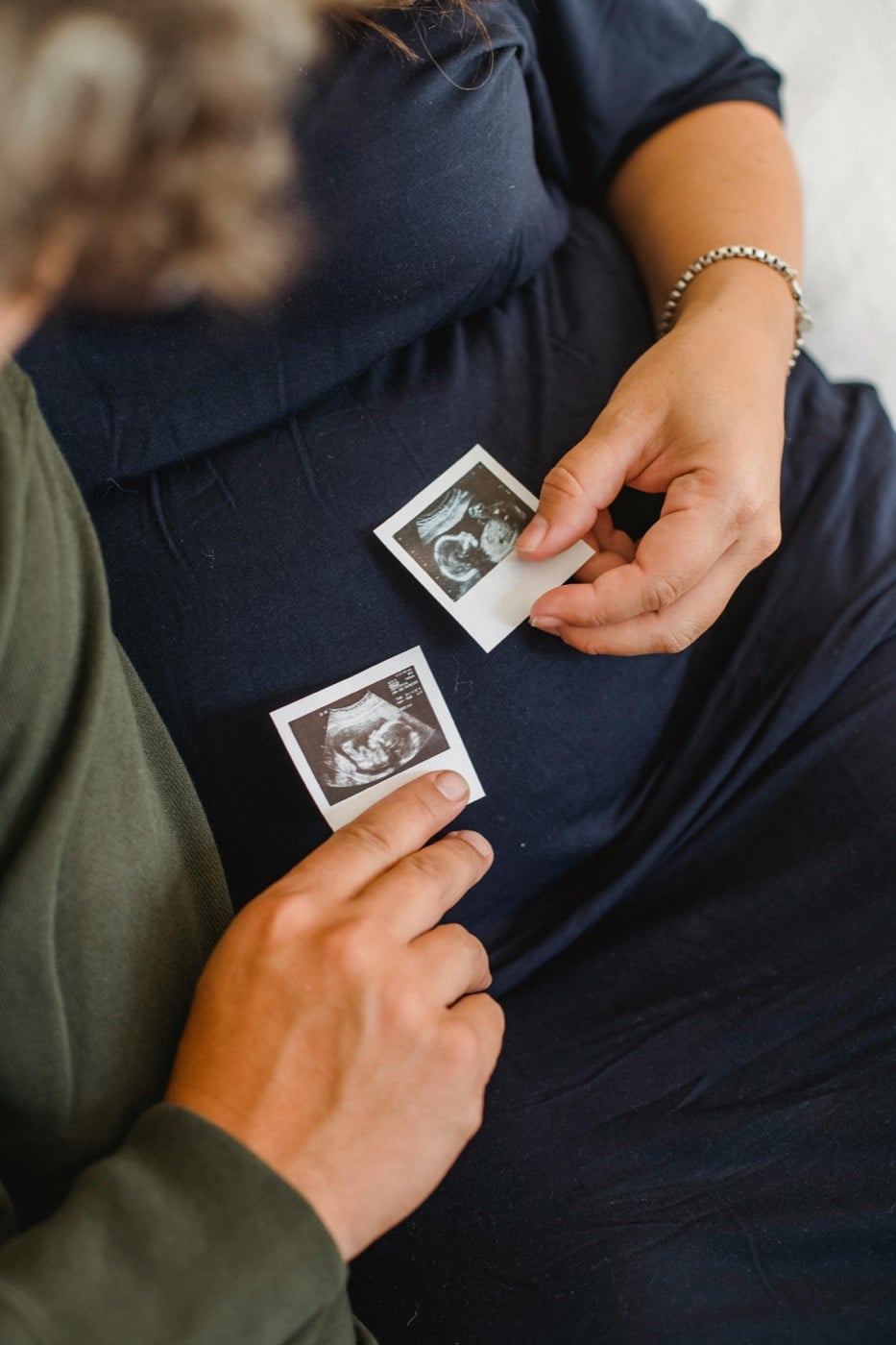
Private training. Your location. Up to three days.
One instructor works directly with you, adapting the pace and practice time to your experience and goals.
How the Beginner Training Is Structured
Your starting experience shapes the pace, practice time, and equipment guidance included in your private program.
The beginner track is designed for people who are new to ultrasound and want focused, hands-on instruction for elective 3D/4D keepsake imaging. Training takes place privately at your location and can be completed on the equipment you plan to use.
New operators typically use the full three-day program. The curriculum begins with equipment setup, probe orientation, image controls, and 2D fundamentals before progressing into gender determination, 3D/4D imaging, HDLive rendering, complete session flow, and client communication.
The program is centered on elective, non-diagnostic services that create bonding and keepsake experiences for families. Your business-planning conversation can also incorporate the requirements, documentation, and operating practices applicable to your location.
| Aspect | Beginner Track | What You Receive |
|---|---|---|
| Starting point | No prior scanning experience | A fundamentals-first curriculum |
| Format | Private, one-on-one instruction | Direct feedback throughout practice |
| Duration | Typically the full three days | A schedule tailored to your progress |
| Equipment | Your planned ultrasound system | Model-specific settings and workflow |
| Program focus | Elective 3D/4D imaging skills | Technique, workflow, and client experience |
What Beginner Trainees Practice
Each training day combines explanation, demonstration, guided scanning, and repeated practice. You work directly with your instructor and apply each technique while the image is on screen.
The curriculum emphasizes image quality, efficient equipment use, clear client communication, session flow, and ways to adapt positioning when a baby is less cooperative.
Repetition and immediate feedback help each skill become more comfortable and consistent over the course of the program.
A Typical Studio Session Includes
- 2D orientation and fetal position identification
- Sex determination (from 14 weeks gestation)
- 3D, 4D, and HDLive surface rendering
- Heartbeat keepsake workflow
- Video recording and image packages
- Gender reveal keepsakes and heartbeat animals
Skills You Build in Beginner Training
Practice the core techniques used to create warm, memorable elective ultrasound experiences for expecting families.
Gender Determination Scans
Practice established visual techniques, image angles, and client communication for gender-reveal sessions
3D and 4D Imaging Sessions
Learn volume acquisition, surface rendering, image optimization, and real-time 4D presentation
HDLive and 5D Rendering
Develop the lighting, positioning, and machine-control techniques used for detailed keepsake images
Heartbeat Keepsake Sessions
Learn a smooth workflow for recording and presenting heartbeat keepsakes and related products
Planning for your location. Business guidance can be tailored to your market, service model, and applicable local requirements so your training connects directly to your next steps.
What Our Training Covers for Non-Sonographers
Our private beginner training uses the full three-day track to build skills progressively. Instruction is hands-on at your location and can be completed on the specific equipment you plan to use.
Each concept is paired with demonstration, supervised scanning, immediate feedback, and repeated practice so you can apply what you learn throughout the program.
2D Fundamentals
Build the foundation for elective imaging through probe orientation, transducer technique, fetal position identification, heartbeat visualization, and equipment settings for clear 2D images.
- Probe orientation and grip
- Fetal position identification
- Image depth, gain, and focus
- Heartbeat keepsake workflow
Gender Determination
Practice the visual techniques, positioning, and communication used for gender-determination sessions at the appropriate gestational stage.
- Recognizing established visual markers
- Multiple-view verification technique
- Handling difficult fetal positions
- Follow-up scheduling when another view is helpful
3D, 4D, and HDLive Imaging
Volume acquisition, surface rendering, and light source manipulation in HDLive mode. These are the techniques that produce the lifelike images clients share with their networks, the ones that become your best marketing.
- Volume acquisition and rendering
- HDLive light source control
- 5D rendering technique
- Image optimization for sharing
Machine Setup and Optimization
Training is done on your specific machine. The instructor covers your exact brand and model, not a generic curriculum applied to every student. Probe selection, gain settings, depth and focus adjustments, and the workflow that gets the best image in the least time.
- Probe selection for session type
- Gain, depth, and focus settings
- Preset configuration
- Efficient session workflow
Client Experience and Communication
Training connects scanning technique with the complete client experience. You practice welcoming clients, setting clear expectations, explaining what appears on screen in plain language, adapting when the baby changes position, and creating a warm session families will remember and share.
This module covers
- Client welcome and intake
- Managing expectations
- Explaining what they see
- Non-cooperative positioning
- Referral and review prompting
What the Three-Day Beginner Track Looks Like
Beginners typically use the full three-day program, with each day building on the skills practiced before it.
Day One
Begin with machine setup, probe orientation, image controls, 2D fundamentals, fetal position, and supervised practice with a pregnant model.
Day Two
Develop gender-determination technique, 3D surface rendering, and HDLive controls while connecting probe angle, positioning, and equipment settings.
Day Three
Practice complete elective sessions from welcome through image delivery, with your instructor providing feedback on technique, workflow, and client communication.
What to Expect After Training
By the end of the beginner track, you will have practiced complete elective sessions that bring together 2D orientation, gender determination at an appropriate gestational stage, 3D/4D/HDLive imaging, equipment workflow, and client communication.
Your instructor will also help you identify the techniques to continue practicing and the next steps that best fit your equipment, studio plans, and desired opening timeline.
Planning a Complete Launch?
Turnkey Training and Lifetime Support
The turnkey studio package combines a four-day private training program with equipment guidance, branding, website development, launch marketing, and lifetime business and technical support.
View the turn-key studio package →Why Private, Hands-On Training Builds Confidence
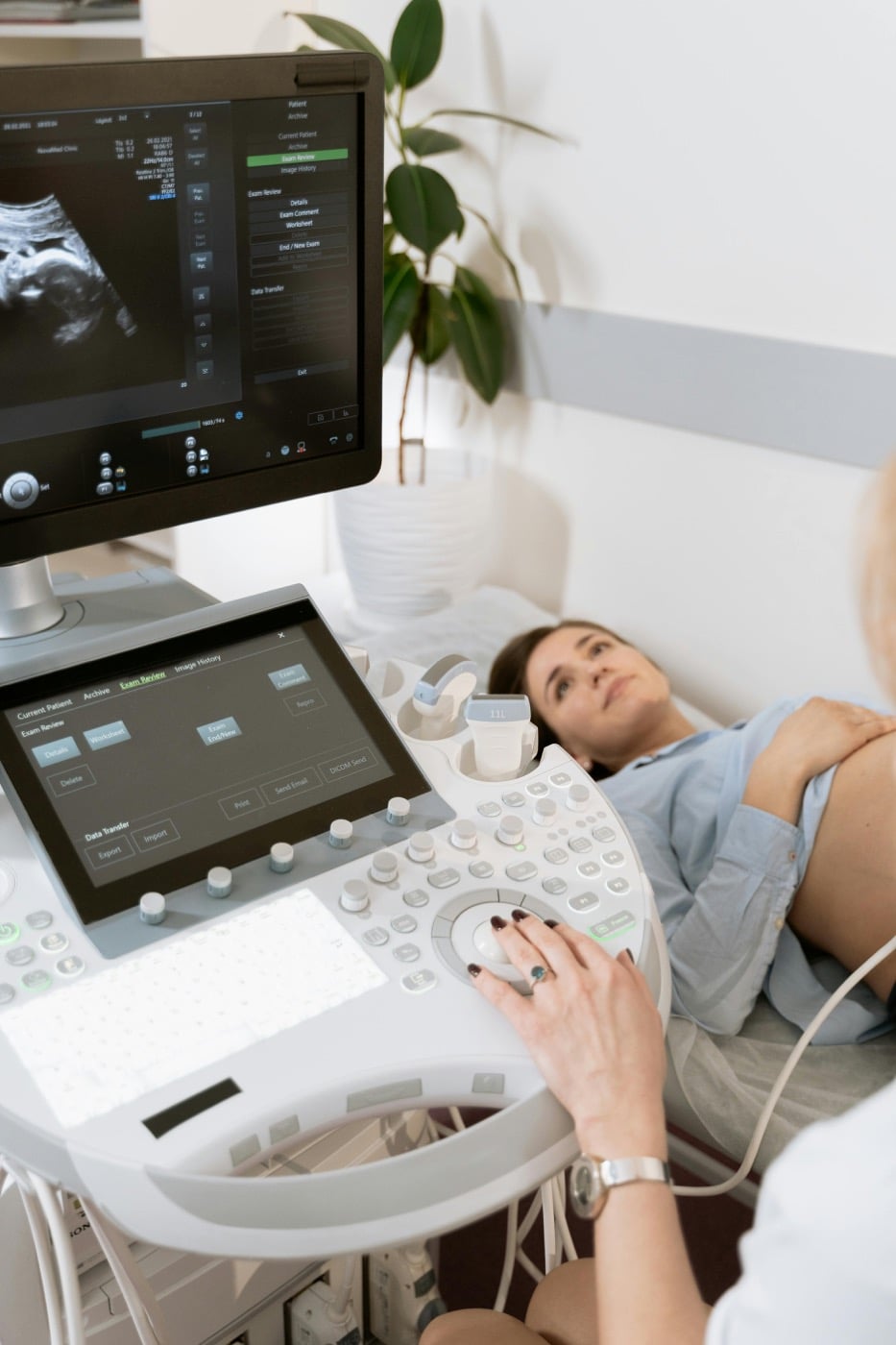
Direct practice with pregnant models helps you connect equipment settings, probe movement, positioning, image quality, and client communication in real time.
Real Subjects
Practice with pregnant volunteers helps you experience natural fetal movement, different imaging conditions, and the positioning adjustments used during real elective sessions.
Real-Time Correction
Your instructor sees each movement and provides feedback as it happens, allowing you to adjust probe position, settings, and technique during the same session.
Muscle Memory
Scanning is a physical skill. Repeating probe angles, wrist adjustments, positioning, and pressure helps build the muscle memory that makes your workflow feel increasingly natural.
What Equipment Is Best for Beginners?
The right first machine supports your training, image-quality goals, workflow, budget, service menu, and plans for growth.
A strong beginner-friendly system combines clear controls, useful imaging presets, dependable support, and the 3D/4D capabilities that fit your planned services.
We help every client compare equipment based on budget, market, desired image style, workflow, warranty, and service support. Training on your selected system connects every lesson directly to the equipment you will use.
GE Systems
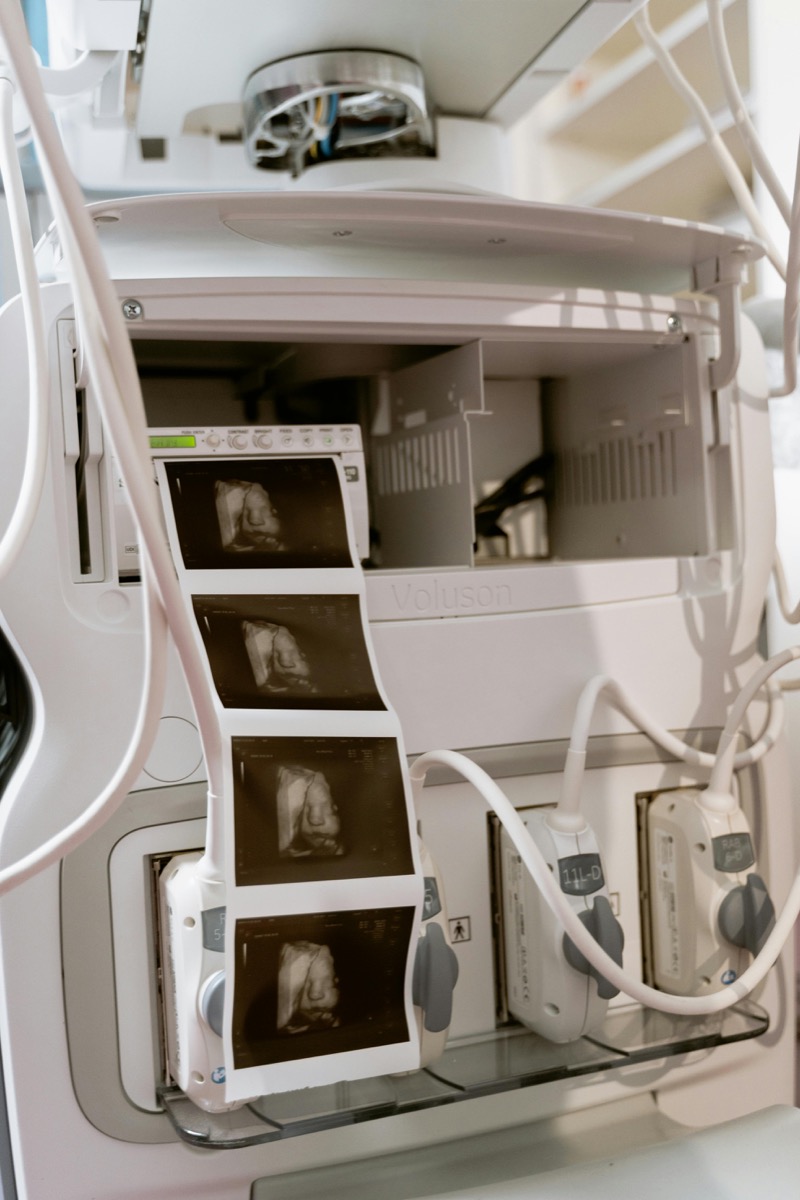
GE Voluson systems offer established imaging workflows and HDLive capabilities that can support detailed keepsake imaging and hands-on skill development.
Popular choice for new studios
Samsung Systems
Samsung HERA systems combine modern controls with advanced 3D/4D imaging features and can be a strong option for studios emphasizing visual presentation.
Strong imaging output for marketing
Mindray Systems
Mindray provides cart and laptop-format options that can support strong image quality at an accessible entry point for a practical studio equipment plan.
Strong value for budget-conscious starts
Questions to Ask Before Choosing a Machine
Does it support an efficient elective workflow? Useful presets and clear controls can make image setup more consistent while you build experience.
Does the image style fit your planned services? Compare 3D, 4D, HDLive, and other rendering capabilities with the experience you want to offer.
What do the warranty and service include? Review coverage, response times, software, probes, delivery, setup, and the full cost of ownership.
Will the training be done on this machine? With Ultrasound Trainers, yes. Your training is conducted on your equipment, so everything you learn applies directly to your studio from day one.
Business Guidance That Connects Training to Your Goals
Technical training can be paired with planning support for your service menu, pricing, client experience, marketing, equipment, and launch timeline.
Your goals shape the business topics emphasized during the program. We can help you think through pricing, service packages, booking flow, local visibility, equipment needs, and a practical path from training to opening.
Explore our training programs for the available learning paths. When you are ready to plan a complete launch, use our five-step elective ultrasound business guide and ask about customized business consulting or the turnkey studio package.
Pricing Structure
Rates calibrated to your market, not a national template
Service Menu
What to offer, how to bundle it, and what add-ons drive revenue
Local Marketing
Google Business Profile, OB office referrals, social media approach
First 90 Days Plan
Concrete steps for launch, early bookings, and building local awareness
Client Flow
Booking system, intake process, and session scheduling that runs smoothly
Website and Brand
Custom logo, website, and social media setup in the turn-key package
Beginner Training Questions
Clear answers about eligibility, program length, location, curriculum, and preparation.
Can I enroll with no prior ultrasound experience?
Yes. The beginner track starts with equipment controls, probe orientation, and 2D fundamentals before progressing into elective 3D/4D imaging, HDLive, session workflow, and client communication. Your instructor tailors the pace to your starting experience.
How long is the beginner training program?
People who are new to ultrasound typically use the full three-day program. Experienced sonographers may complete the elective-specific track in less time. Your schedule and quote are confirmed after we learn about your background, equipment, and goals.
What will I practice during the three days?
You will practice equipment setup, probe orientation, 2D imaging fundamentals, fetal positioning, gender-determination techniques, 3D/4D acquisition, HDLive rendering, image optimization, complete session flow, and client communication with direct instructor feedback.
Where does private beginner training take place?
Training takes place onsite at your location and can be completed on your own ultrasound equipment. This allows the instructor to tailor settings, presets, room workflow, and practice to the system and environment you plan to use.
What should I have ready before training begins?
We will confirm the equipment, training space, model schedule, and preparation steps with you before the program. If you are still selecting a machine or planning a complete studio, we can also discuss equipment guidance and turnkey support.