

Last Updated: April 15, 2026
Most people who inquire about elective ultrasound training start with the same mental image: someone pointing a transducer at a belly and taking pretty pictures. That is part of it — but it is a small part. The assumptions people carry into this process are often the things that set them back once training starts. Before you sign up for any program, it is worth understanding what you are actually walking into.
Here are the most persistent myths about what elective ultrasound training teaches, and the reality behind each one.
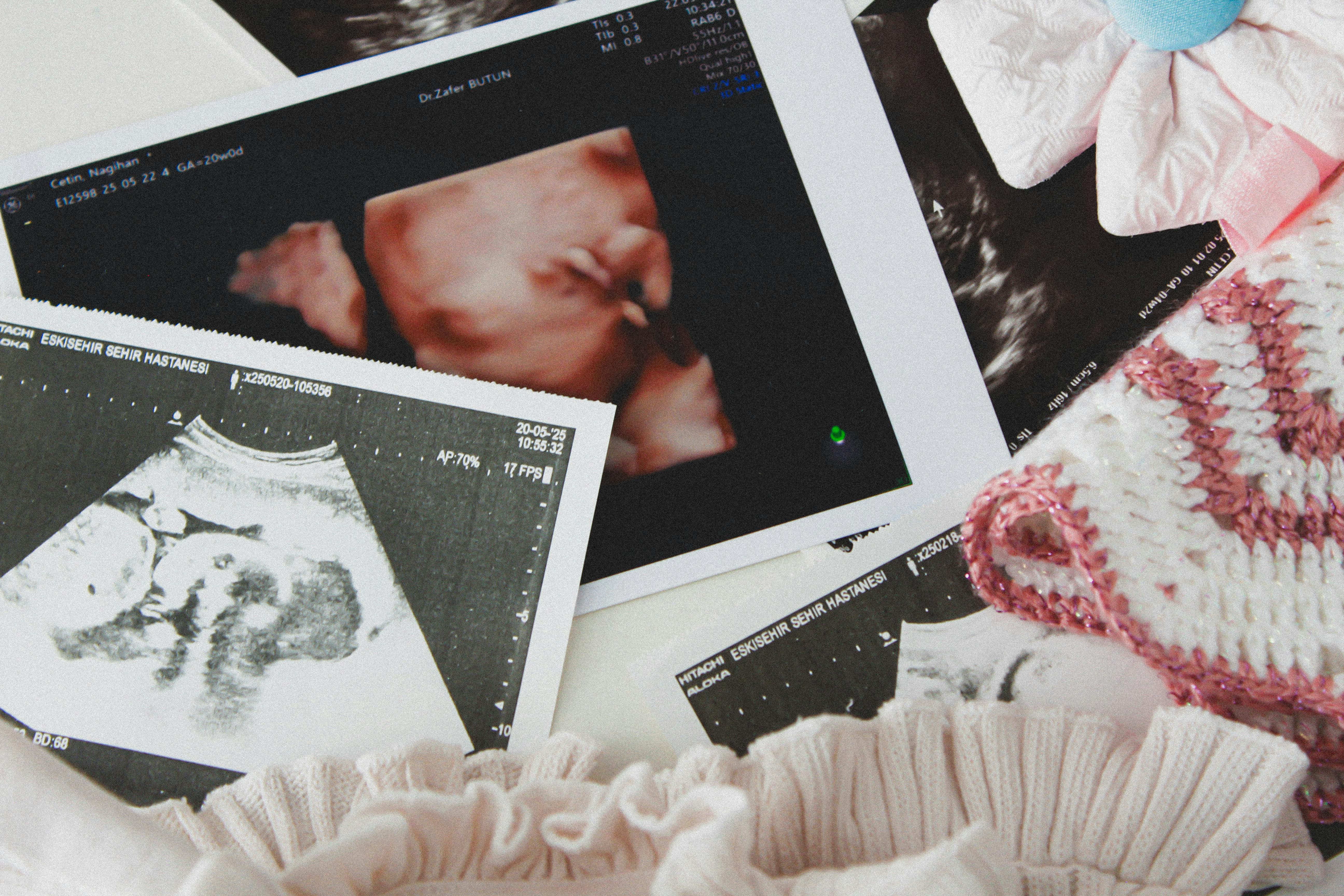
Myth: Elective Ultrasound Training Is Mostly About Learning to Take Good Photos
Reality:
Image capture is a skill you practice during training, but what you are actually learning is how to see. Operating a 3D/4D ultrasound machine for elective purposes requires understanding fetal positioning, how to optimize gain settings and depth for different gestational ages, when and how to adjust the transducer angle to get a clear face or profile view, and what is affecting image quality when the result is not what the client hoped for. That is anatomy knowledge, machine knowledge, and situational judgment working together. It is not pointing and clicking.
Good training programs include 2D scanning techniques alongside 3D and 4D imaging because 2D is often your diagnostic road map during a session. You use it to locate the baby, assess position, and determine where to focus the 3D capture. Students who skip this understanding and jump straight to image capture often struggle to troubleshoot when sessions do not go as planned.
Myth: You Need a Medical Background to Understand the Training Material
Reality:
This is one of the biggest fears that holds career changers back — the belief that without a nursing degree or clinical background, the training content will go over their head. In practice, elective ultrasound training programs designed for non-sonographers build the relevant anatomy and machine knowledge from the ground up. You do not need to arrive already knowing how to read an ultrasound. The training assumes you are starting from zero.
What we consistently see at Ultrasound Trainers is that motivated career changers with no medical background often adapt to the hands-on component faster than expected. They bring fresh eyes to machine operation because they have no clinical assumptions to unlearn. The learning curve is real, but it is not a wall — it is a ramp, and the practical hours make a significant difference.
Myth: Elective Ultrasound Training Is Just Scanning — There Is No Business Component
Reality:
A strong elective ultrasound training program does not separate the clinical and the commercial — it integrates them. The reason is practical: you can be an excellent scanner and still run a struggling studio if you do not understand how to price your packages, market your services, handle client expectations, or manage the operational side of the business. Training programs that ignore the business side are doing their students a disservice.
At Ultrasound Trainers, the training curriculum includes business management alongside ultrasound operation. Students leave with an understanding of both the scanning side and the operational requirements of running a studio — because those two things cannot be meaningfully separated if your goal is a viable business, not just a skill.
Myth: You Will Be Fully Competent After One Day of Training
Reality:
Hands-on ultrasound skills build through repetition with real clients, not a single session. Training gives you the foundation — the machine settings, the scanning technique, the image optimization approach — but the confidence that makes you effective in front of paying clients comes from practice. This is why on-site training programs that use real client volunteers during instruction are more valuable than purely phantom-based programs. A phantom tells you nothing about how an actual fetal position affects your ability to capture a face image.
It is also worth noting that early gender determination at 15 to 16 weeks is a skill that requires particular precision. The fetal size at that gestational age leaves less margin for error, and getting consistent, reliable reads requires both technique and experience. Training gets you started — ongoing practice is what makes you good.
Myth: Elective Ultrasound Training Teaches You to Diagnose Problems
Reality:
This one is important to address clearly. Elective ultrasound training is not diagnostic training. The training program covers identifying common findings during a session — not for clinical interpretation, but so the operator knows what warrants a client referral back to their medical provider. The purpose of elective ultrasound is bonding and keepsake imaging. It is not a substitute for prenatal medical care, and good training programs make this boundary explicit.
Understanding what you see on a monitor is part of responsible operation. But the role of an elective ultrasound studio operator is not to evaluate fetal health or communicate clinical findings. Clients should always be encouraged to maintain regular care with their medical provider. Training that blurs this line creates real risk — for the client and the business.
| Myth | Reality |
|---|---|
| Training is mostly about taking good photos | You learn machine operation, fetal positioning, image optimization, and 2D technique |
| You need a medical background to understand it | Good programs are built for non-sonographers and teach anatomy from the ground up |
| Training is scanning only — no business content | Strong programs integrate business management with clinical skill development |
| One day of training is enough to be competent | Foundation comes from training; real confidence comes from practice with actual clients |
| Elective training includes diagnostic skills | Elective training is for bonding imaging, not clinical evaluation or medical diagnosis |
What to Do Instead
Approach elective ultrasound training with realistic expectations and a specific question list. Ask any program you are evaluating: what does the curriculum actually include? How many hours are spent on the machine versus in classroom or video instruction? Are real clients used during the training? Is business management covered alongside scanning skills? What happens after the training — is there ongoing support?
The programs that answer these questions directly and specifically are the ones worth enrolling in. Vague answers about “comprehensive training” or “industry-leading curriculum” without specifics are a signal to dig deeper before committing.
You can also explore the full details of what our training program includes to see exactly what Ultrasound Trainers covers — no vague language, just a specific breakdown of what you learn. The American Institute of Ultrasound in Medicine also publishes guidelines relevant to safe ultrasound practice that every operator should be aware of.
Frequently Asked Questions
Do I need to know anatomy before starting elective ultrasound training?
A general understanding of pregnancy and fetal development is helpful but not required. Quality programs teach you the relevant anatomy as part of the training itself. You do not need a clinical or nursing background to succeed.
What does what elective ultrasound training actually teaches you look like in a typical session?
A typical hands-on training session covers machine settings and optimization, 2D scanning orientation, 3D and 4D image capture with real clients or training phantoms, troubleshooting image quality issues, and early gender determination technique. Business and operations content is typically woven throughout or delivered as a dedicated block.
How long does it take to feel competent after training?
Most operators feel comfortable with the machine within the first few weeks of consistent practice after training. Early gender determination and difficult fetal positions take longer — these are skills that develop over dozens of real sessions, not days.
What is the difference between elective and diagnostic ultrasound training?
Diagnostic ultrasound training is clinical, leading to ARDMS certification and hospital or medical practice employment. Elective ultrasound training focuses on operating 3D and 4D equipment for bonding and keepsake imaging in a non-diagnostic, business context. They are separate tracks with different purposes, curriculums, and outcomes.
Is elective ultrasound training available for people without any healthcare experience?
Yes. Programs like the private hands-on training offered by Ultrasound Trainers are specifically designed for people entering the industry without a clinical background. The curriculum is built to teach from the foundation up.
Will I receive a certification after completing elective ultrasound training?
This varies by program. Elective ultrasound training does not lead to ARDMS or clinical sonography certification, which is a regulated medical credential. Some programs provide a certificate of completion. Ask any program you are evaluating what documentation they provide and how that documentation is recognized in your state or region.
Can a healthcare professional use elective ultrasound training to transition out of clinical work?
Yes, and it is a path many nurses, medical assistants, and sonographers explore. The scanning skills from elective training are different from clinical ultrasound, but healthcare professionals often find the business and image optimization content is what they need most. Their clinical foundation is an asset — they just need to learn the elective-specific technique and business side.
Want to know exactly what your training would cover? Ultrasound Trainers offers private hands-on training at your location, using your equipment, with a curriculum that covers scanning, image optimization, gender determination, and business management together.
Explore ultrasound training optionsAbout This Content: Ultrasound Trainers provides elective ultrasound training, business consulting, and equipment guidance for people entering the keepsake ultrasound industry. This article is written for informational purposes only and does not constitute medical, legal, or professional advice. Requirements vary by location — always verify regulations in your area before launching a business.
Get the Inside Track
Training tips, business advice, and exclusive deals delivered straight to your inbox.

How to Get More Bookings for Your Elective Ultrasound Studio in Montana
Struggling to fill your elective ultrasound booking calendar in Montana? This guide covers what actually[...]

Buying an Elective Ultrasound Machine for an Arkansas Studio: What Actually Matters
Ready to buy an elective ultrasound machine for your Arkansas studio? This guide covers the[...]

How to Build a Pre-Launch Marketing Campaign for Your Elective Ultrasound Studio: A 60-Day Countdown Plan
Pre-launch marketing for an elective ultrasound studio begins 60 days before opening. This 60-day countdown[...]

What Career Changers in Hawaii Need to Know About Elective Ultrasound Training
Considering ultrasound training for a career change in Hawaii? This Q&A guide covers what training[...]

How to Find and Recruit Volunteer Scan Models for Elective Ultrasound Practice
Finding volunteer models for elective ultrasound practice is a skill in itself. Learn where to[...]

How to Write an Elective Ultrasound Business Plan That Actually Works
Writing an elective ultrasound business plan? This guide covers what to include, how to build[...]

How to Open an Elective Ultrasound Business in Honolulu: A Practical Startup Guide
Open an elective ultrasound business in Honolulu with confidence. This guide covers training, startup costs,[...]

Adding Elective Ultrasound to an Existing Photography or Doula Practice in Montana
Montana birth photographers and doulas: adding an elective ultrasound add-on business in Montana to your[...]

Starting an Elective Ultrasound Business in Cheyenne, Wyoming: First-Mover Advantage in the Least-Crowded Market in the Country
Thinking about starting an elective ultrasound business in Cheyenne, Wyoming? This guide covers the F.E.[...]

Elective Ultrasound Training for Career Changers in Sweden
Considering a career change into elective ultrasound in Sweden? Find out what training involves, whether[...]

What Career Changers in Fayetteville Should Know About Elective Ultrasound Training
Thinking about elective ultrasound training in Fayetteville, Arkansas as a career changer? This Q&A guide[...]

The Biggest Mistake Las Vegas Elective Ultrasound Studios Make With Their Marketing
Elective ultrasound studio marketing in Las Vegas prioritizes trust and reviews over ad spend. Here's[...]
Explore all training formats, durations, and programs in our complete elective ultrasound training guide.
