

The Question Everyone Has First
Can you learn elective ultrasound without a medical background in Utah? That is the question most people arrive with, and it deserves a direct answer before anything else. Yes. The short answer is yes.
Elective ultrasound training for non-medical professionals in Utah is not a workaround or a loophole. It is how the field is structured. The people who open keepsake ultrasound studios — the ones operating professionally across Salt Lake City, Provo, St. George, and smaller markets like Logan and Ogden — include former teachers, real estate agents, photographers, retail managers, and stay-at-home parents who decided to build something of their own. Medical credentials are not what determines whether someone can learn to perform a keepsake scan well. Patience, technical attention, and consistent practice are what determine that.
The longer answer, which matters for making a good decision, involves understanding what the training covers, what the learning curve honestly looks like, and whether this is the right path for your particular situation. That is what this article works through.
Elective vs. Diagnostic Ultrasound: Why the Distinction Matters for Training
Diagnostic ultrasound is a clinical discipline. Registered diagnostic medical sonographers complete formal academic programs, clinical rotations, and national credentialing exams. They interpret findings, contribute to medical assessments, and operate within a clinical team structure. That framework requires the kind of formal, credentialed education that takes years to complete.
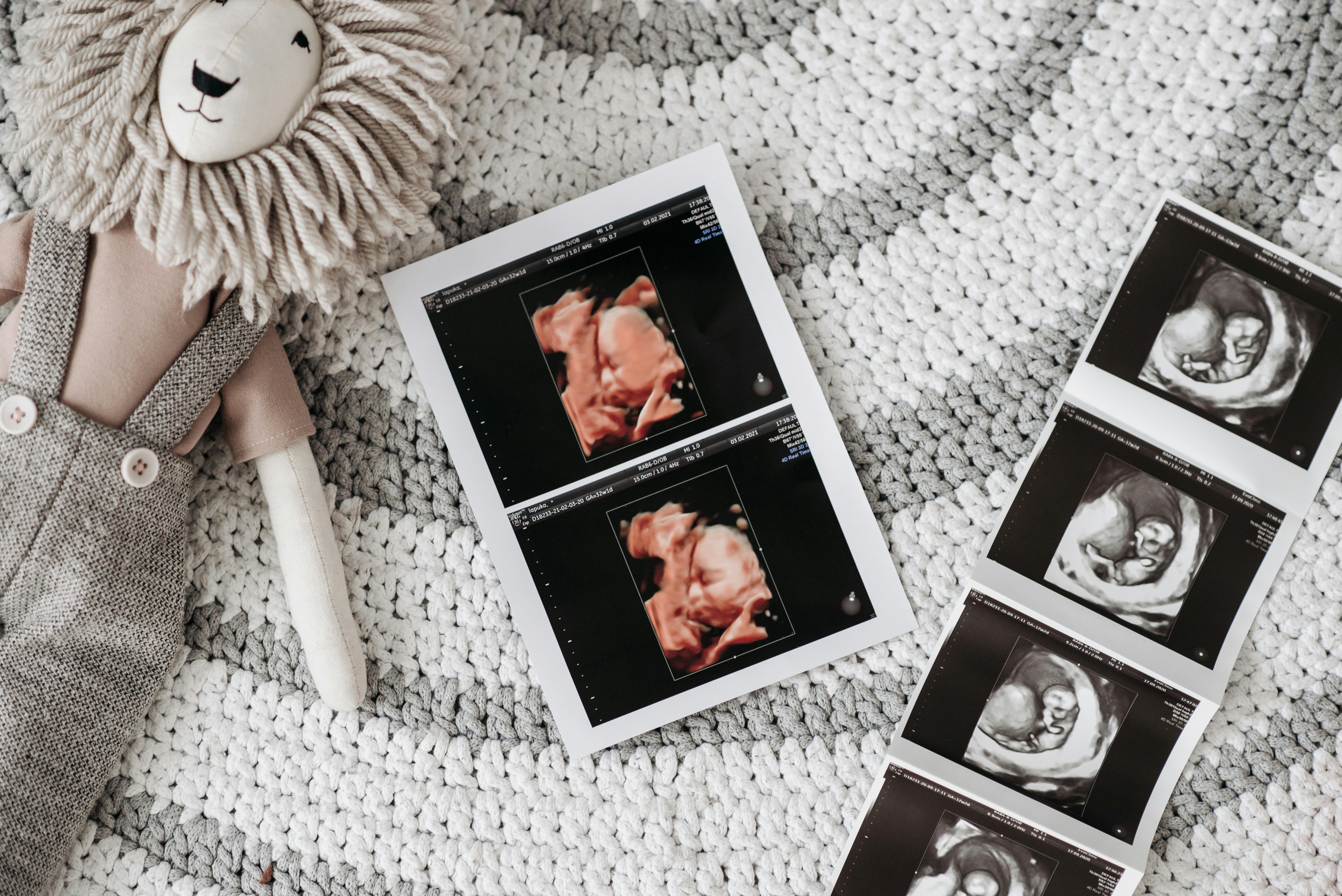
Elective ultrasound is entirely different in purpose and scope. It is a bonding and keepsake service. Clients come in to see their baby, capture images and video, and share the experience with family. The studio technician’s role is to produce clear, beautiful images of the baby in a comfortable, professional setting. No medical interpretation. No diagnostic conclusions. No clinical documentation.
That distinction is why non-medical training pathways exist and why they are appropriate for this specific field. The skill set required for elective keepsake scanning, while genuinely technical, is learnable through focused hands-on training in a compressed timeframe that would not be sufficient for diagnostic work.
The Utah Department of Health and Human Services distinguishes between diagnostic services and elective services in its regulatory framework. Readers should verify current applicable requirements in their specific city and county before opening a studio, as local ordinances can vary.
What Elective Ultrasound Training Actually Covers
A private hands-on program delivered at your location covers more than most first-time learners expect. The technical content is substantial:
- Machine operation and settings: How to power up, configure, and navigate your specific ultrasound system. What the controls do and how to adjust them for different scanning situations.
- Image optimization: Gain settings, frequency adjustments, depth, and focus positioning. How to get the clearest possible image from the same machine that a less-trained operator would struggle to use effectively.
- 2D ultrasound basics: The foundational mode of ultrasound imaging. Understanding what you are seeing in a 2D view and how to position the probe to obtain useful images.
- 3D and 4D scanning technique: The imaging modes that produce the facial detail and real-time motion clients are coming in to see. Probe angle, depth, and positioning all affect 3D/4D output significantly.
- Early gender determination: Identifying fetal sex at 15 to 16 weeks is one of the most-requested elective services. This requires specific technique at a specific gestational window.
- Hands-on practice: Training with real clients and ultrasound phantoms during the program itself, not just theory or demonstration.
Business content is integrated into comprehensive training programs as well. Pricing your services, managing the client appointment flow, handling anxious or disappointed clients, and building a Google review base are all topics that matter to a new studio owner. Programs that skip this component leave graduates technically prepared but operationally underprepared.
Ultrasound Trainers delivers elective 3D/4D ultrasound training at your location, covering all of these components over a three to four day intensive program.
The Learning Curve: Honest Expectations
Three or four days of intensive training builds the foundation. It does not produce mastery. That distinction is worth being clear about before you enroll in anything.
After training ends, most new technicians need consistent practice over six to ten weeks before their confidence fully stabilizes. Some skills come faster: machine navigation, basic settings adjustment, and the general workflow of an appointment tend to click within the first few weeks of regular practice. Other skills take longer: reading fetal position and predicting how to reposition for a better angle, managing image quality across different maternal body types, and maintaining composure when a client is anxious about what she is or is not seeing.
Volunteer practice during this period is invaluable. Friends, family, and contacts who are pregnant and willing to participate in informal sessions give you the repetitions you need without the pressure of a paying client context. Some new studio owners offer a small number of free or deeply discounted soft-open appointments to build both their skills and their initial review base.
The important mental shift is recognizing that the training period and the competence-building period are two different phases, both of which are necessary before you should be operating a full commercial schedule.
Training in Logan and Ogden: The Local Market Context
Logan sits at the northern end of the Cache Valley and serves a community anchored by Utah State University and a strong regional family population. It is a smaller market than Salt Lake City, but the family culture and birth rate patterns consistent with northern Utah create genuine demand for elective keepsake services. A well-trained studio operator with no medical background who builds a strong local reputation can build a sustainable client base in Logan without significant direct competition.
Ogden is more urban and serves a more diverse demographic than Cache Valley. Weber County has grown considerably over the past decade, and the Ogden metro area offers a larger addressable market than Logan alone. For a career changer considering where to base a new studio in northern Utah, Ogden’s population density is a meaningful factor alongside the availability of appropriate commercial space.
Neither city requires a medical credential to operate an elective ultrasound studio. What both cities reward is consistent quality, strong local reviews, and a professional client experience that generates word-of-mouth referrals — none of which depend on having a medical background.
Common Questions About Training Without a Medical Background
Who This Training Path Works Best For
Elective ultrasound as a career path works best for people who combine a few specific traits: patience with clients in emotionally heightened moments, genuine interest in the technical skill of operating ultrasound equipment, and either existing entrepreneurial experience or a willingness to develop business skills alongside scanning technique.
It works less well for people who expect the technical side to be simple, who underestimate the practice time required after training, or who are purely motivated by income expectations without real interest in the client experience side of the work. The businesses that thrive in this field are built on client relationships and reputation. That requires a genuine orientation toward service.
For career changers in Logan, Ogden, and across northern Utah who are considering a meaningful professional pivot, elective ultrasound is a realistic and increasingly viable option. The training path is accessible. The market conditions in northern Utah support new studio openings. The combination of the right training program and consistent post-training practice creates a foundation that can support a sustainable business over the long term.
Want to Learn More About Training in Northern Utah?
Ultrasound Trainers works with career changers and entrepreneurs across Utah who are exploring elective ultrasound training. If you want to understand what the program covers, how on-site training works, and whether your background is a good fit, reach out and start the conversation. We are glad to answer your questions honestly.
About Ultrasound Trainers: Ultrasound Trainers provides private hands-on elective ultrasound training for entrepreneurs and career changers across the United States, including Utah. Programs are delivered at the client’s location and cover scanning technique, machine operation, business fundamentals, and ongoing support after training.
Last Updated: May 2025
Disclaimer: Elective ultrasound is a keepsake and bonding service. It is not a diagnostic medical service and does not replace prenatal care from a qualified provider. Requirements for operating an elective ultrasound business vary by location. Consult appropriate legal and regulatory resources before launching.
Get the Inside Track
Training tips, business advice, and exclusive deals delivered straight to your inbox.

How to Get More Bookings for Your Elective Ultrasound Studio in Montana
Struggling to fill your elective ultrasound booking calendar in Montana? This guide covers what actually[...]

Buying an Elective Ultrasound Machine for an Arkansas Studio: What Actually Matters
Ready to buy an elective ultrasound machine for your Arkansas studio? This guide covers the[...]

How to Build a Pre-Launch Marketing Campaign for Your Elective Ultrasound Studio: A 60-Day Countdown Plan
Pre-launch marketing for an elective ultrasound studio begins 60 days before opening. This 60-day countdown[...]

What Career Changers in Hawaii Need to Know About Elective Ultrasound Training
Considering ultrasound training for a career change in Hawaii? This Q&A guide covers what training[...]

How to Find and Recruit Volunteer Scan Models for Elective Ultrasound Practice
Finding volunteer models for elective ultrasound practice is a skill in itself. Learn where to[...]

How to Write an Elective Ultrasound Business Plan That Actually Works
Writing an elective ultrasound business plan? This guide covers what to include, how to build[...]

How to Open an Elective Ultrasound Business in Honolulu: A Practical Startup Guide
Open an elective ultrasound business in Honolulu with confidence. This guide covers training, startup costs,[...]

Adding Elective Ultrasound to an Existing Photography or Doula Practice in Montana
Montana birth photographers and doulas: adding an elective ultrasound add-on business in Montana to your[...]

Starting an Elective Ultrasound Business in Cheyenne, Wyoming: First-Mover Advantage in the Least-Crowded Market in the Country
Thinking about starting an elective ultrasound business in Cheyenne, Wyoming? This guide covers the F.E.[...]
Elective Ultrasound Training for Career Changers in Sweden
Considering a career change into elective ultrasound in Sweden? Find out what training involves, whether[...]

What Career Changers in Fayetteville Should Know About Elective Ultrasound Training
Thinking about elective ultrasound training in Fayetteville, Arkansas as a career changer? This Q&A guide[...]

The Biggest Mistake Las Vegas Elective Ultrasound Studios Make With Their Marketing
Elective ultrasound studio marketing in Las Vegas prioritizes trust and reviews over ad spend. Here's[...]
