

South Carolina is a state in motion. From the booming coastal communities around Charleston and Hilton Head to the Upstate’s fast-growing Greenville-Spartanburg corridor, the state has been adding residents — and families — at a pace that has significantly outrun the availability of premium pregnancy experiences in many markets. For people looking to build a business around elective ultrasound, that combination of growth and unmet demand is a real opportunity.
This guide covers what elective ultrasound training includes, who it is designed for, what to look for in a program, and how training connects to launching a successful studio across South Carolina.
Table of Contents
- What Is Elective Ultrasound Training?
- Who Is It For?
- What Good Training Actually Covers
- Why South Carolina Is Worth Considering
- Hands-On vs. Online-Only Training
- What to Look for in a Program
- What Comes After Training
- Frequently Asked Questions
- Ready to Learn More?
What Is Elective Ultrasound Training?
Elective ultrasound is a keepsake and bonding experience that expectant families choose independently — entirely outside their routine prenatal care. Studios offering 3D, 4D, and HD ultrasound sessions give parents a detailed, emotionally rich view of their baby before birth. It is not a medical or diagnostic service, and it is not a substitute for care with an OB-GYN or medical provider.
Elective ultrasound training teaches you to operate the equipment that makes those sessions possible. It is a practical, hands-on education in scanning technique, image optimization, transducer positioning, and the business knowledge needed to serve clients professionally. It is not a clinical credentialing program — it is a skills-based training path designed for people from a wide range of professional backgrounds.
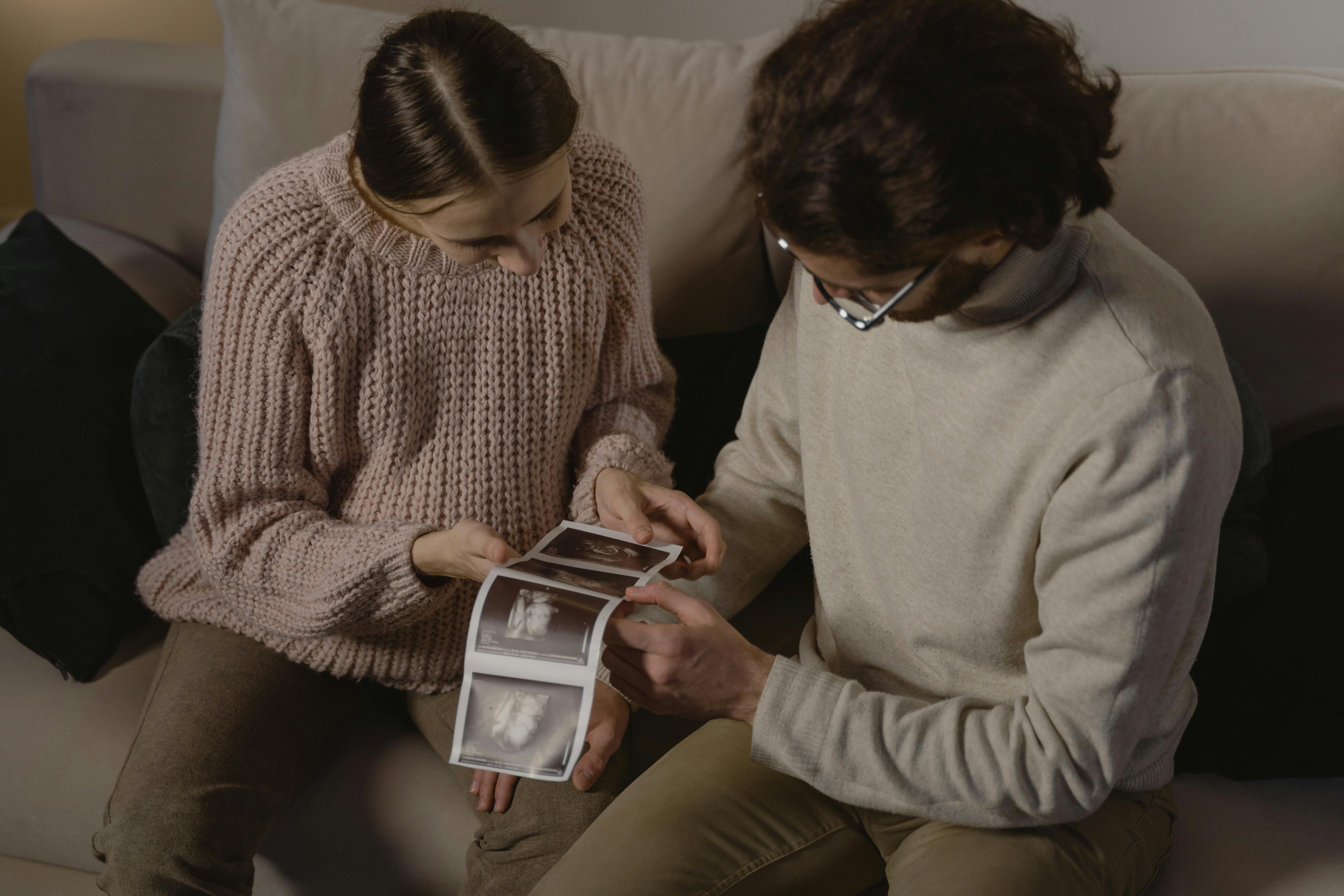
Hands-on elective ultrasound training builds the practical scanning skills that matter most when working with real clients in a South Carolina studio.
Who Is It For?
One of the most common questions is whether a medical background is required. It is not. Elective ultrasound training is designed to be accessible to people coming from a wide range of professional histories.
People who commonly pursue this path include:
- Career changers looking for a meaningful service business with genuine local demand
- Entrepreneurs who want to open a premium family experience business in a growing market
- Healthcare professionals — nurses, medical assistants, doulas, midwives — applying existing knowledge in a new direction
- Photographers and creative professionals who already work with families and want to expand their services
- Stay-at-home parents building a flexible business that works around family life
What matters most is not prior background but commitment to learning the skill properly, serving clients with care, and building a professional studio operation.
What Good Training Actually Covers
Training quality varies significantly between programs. A comprehensive curriculum should prepare you not just to operate a machine but to run sessions professionally and manage the business side of a studio from day one.
Core topics in a strong program:
- 3D and 4D machine operation and setup
- Image optimization — adjusting gain, depth, angle, and rendering settings
- Transducer positioning and fetal positioning strategies
- Early gender determination from around 15 to 16 weeks
- 2D scanning fundamentals
- Identifying common fetal presentations and managing difficult scans
- Client communication and expectation setting
- Studio workflow and session structure
- Business fundamentals for running and growing a studio
Ultrasound Trainers’ Private Hands-On Training package delivers all of this across a focused three-day session at your South Carolina location, using your own equipment — so every hour of training applies directly to your studio from day one.
Why South Carolina Is Worth Considering
South Carolina’s growth story is compelling for anyone evaluating a service business built around family formation. The state has seen strong population growth for over a decade, driven by an influx of families relocating from higher-cost states to the Southeast. That growth is distributed across multiple distinct markets — each with its own character and opportunity profile.
The Charleston metro — including Mount Pleasant, Summerville, and Goose Creek — is one of the fastest-growing large metro areas in the Southeast. It combines a large and growing birth population with a high household income profile, particularly in the coastal communities and northern suburbs. Families there are accustomed to spending on premium experiences, and the keepsake ultrasound category has not kept pace with the area’s growth.
The Upstate — centered on Greenville and Spartanburg — has emerged as one of the most economically dynamic regions in the state. The area’s manufacturing and professional services economy has attracted significant relocation from across the country, bringing younger families and a consumer base that supports premium service pricing.
Columbia, the state capital, brings its own opportunity as a large institutional city with a stable birth population across Richland and Lexington counties. Myrtle Beach, while seasonal in character, has a significant year-round residential population that largely lacks local elective ultrasound options. And smaller markets across the state — Florence, Aiken, Anderson, Rock Hill — represent the kind of underserved regional opportunity where early-mover positioning can translate into a dominant local reputation quickly.

South Carolina’s diverse markets — from the Charleston coast to the Upstate — create varied opportunities for professional keepsake ultrasound studios.
Hands-On vs. Online-Only Training
The question of format comes up consistently. The honest answer is that for a skill that is fundamentally physical and perceptual, hands-on training carries real advantages that online programs cannot replicate.
Ultrasound scanning requires you to develop feel and intuition — probe angle, pressure, movement speed, and fetal positioning all affect image quality in ways that are genuinely difficult to convey through video alone. When you train with real clients and training phantoms under direct instructor supervision, you build competence in a way that watching recorded demonstrations does not match.
Online content can reinforce concepts after the fact — but it should not be the primary training method if your goal is to run sessions confidently from your first day of operation. Experienced studio owners consistently report that the hours spent scanning under direct instruction were the most formative part of their entire learning process.
What to Look for in a Program
Before enrolling in any program, ask these questions directly:
Is the training hands-on and in-person? Programs that include live scanning with real clients or training phantoms develop genuine competence that video-only formats cannot match.
Does training happen at your location? On-site training means you learn on the specific equipment you will actually operate — eliminating any adaptation gap between training and real-world studio use.
Does the program cover business operations? Scanning skill alone does not make a studio viable. Look for programs that include guidance on client management, pricing, workflow, and studio growth.
What ongoing support is available? Questions arise after the formal training period ends. A program that includes post-training support gives you somewhere to turn when the unexpected happens.
Is there a turnkey launch option? For people starting from scratch, access to complete startup support — equipment, website, branding, marketing materials — can significantly compress the time from training to opening day.
What Comes After Training
Training is the foundation — not the finish line. Once you complete a hands-on program, the next decisions involve studio setup, equipment, pricing, marketing, and getting your first South Carolina clients through the door.
For people who want structured support across all of those areas, Ultrasound Trainers offers a comprehensive turnkey business package that bundles training with startup support, equipment, website creation, branding, marketing materials, and 36 months of ongoing business and scanning support — with no royalties or franchise fees.
For those who already have some pieces in place, the private hands-on training package delivers the scanning foundation without the full bundled investment.
South Carolina is a state where well-prepared operators have real room to build strong keepsake ultrasound businesses — particularly in markets that have seen rapid growth without a corresponding growth in studio availability. The path from training to a sustainable studio is realistic. What makes it work is the quality of preparation and the consistency of execution once the studio is open.
Frequently Asked Questions
Do I need a medical license to offer elective ultrasound in South Carolina?
Elective ultrasound regulations vary and are subject to change. Ultrasound Trainers helps clients understand the compliance landscape as part of training and startup guidance. Consulting with a South Carolina attorney on any regulatory questions specific to your situation is a sound approach before launching.
How long does elective ultrasound training take?
A focused private hands-on training program can be completed in three to four days. Continued practice after formal training is important — most operators find their scanning confidence and efficiency improve significantly over the first months of working with real clients.
Can I start a studio in a smaller South Carolina city?
Yes — and in many cases smaller markets offer meaningful strategic advantages. Cities like Florence, Aiken, Anderson, and Rock Hill have real birth populations and limited existing elective ultrasound infrastructure. Being among the first professional studios in a regional market creates an early-mover position that is difficult to replicate once competition arrives.
Is prior medical experience required?
No. Many successful South Carolina studio owners come from entirely non-medical backgrounds. Strong training programs are built to be accessible and practical, developing scanning skill from the ground up rather than assuming prior clinical knowledge.
How does elective ultrasound differ from a diagnostic scan at a clinic?
Elective ultrasound is a keepsake and bonding experience — not a medical service. It is not a substitute for diagnostic ultrasound or prenatal care. Clients should always continue routine care with their medical providers. Elective sessions are about creating a meaningful family experience, not evaluating fetal health for clinical purposes.
Ready to Learn More?
If you are exploring elective ultrasound training in South Carolina, Ultrasound Trainers can help you understand your options and what to expect from the process. Whether you are in the early research stage or ready to move forward, our team is available to answer questions about training formats, business launch support, and equipment.
Contact Ultrasound Trainers to start the conversation.
About This Content: Ultrasound Trainers is a Nashville, Tennessee-based company specializing in elective ultrasound training, turnkey studio startup packages, and equipment guidance for people opening keepsake ultrasound businesses across the United States. This content is for informational purposes and does not constitute medical, legal, or financial advice. Last Updated: April 2026.
Get the Inside Track
Training tips, business advice, and exclusive deals delivered straight to your inbox.

How to Get More Bookings for Your Elective Ultrasound Studio in Montana
Struggling to fill your elective ultrasound booking calendar in Montana? This guide covers what actually[...]

Buying an Elective Ultrasound Machine for an Arkansas Studio: What Actually Matters
Ready to buy an elective ultrasound machine for your Arkansas studio? This guide covers the[...]

How to Build a Pre-Launch Marketing Campaign for Your Elective Ultrasound Studio: A 60-Day Countdown Plan
Pre-launch marketing for an elective ultrasound studio begins 60 days before opening. This 60-day countdown[...]

What Career Changers in Hawaii Need to Know About Elective Ultrasound Training
Considering ultrasound training for a career change in Hawaii? This Q&A guide covers what training[...]

How to Find and Recruit Volunteer Scan Models for Elective Ultrasound Practice
Finding volunteer models for elective ultrasound practice is a skill in itself. Learn where to[...]

How to Write an Elective Ultrasound Business Plan That Actually Works
Writing an elective ultrasound business plan? This guide covers what to include, how to build[...]

How to Open an Elective Ultrasound Business in Honolulu: A Practical Startup Guide
Open an elective ultrasound business in Honolulu with confidence. This guide covers training, startup costs,[...]

Adding Elective Ultrasound to an Existing Photography or Doula Practice in Montana
Montana birth photographers and doulas: adding an elective ultrasound add-on business in Montana to your[...]

Starting an Elective Ultrasound Business in Cheyenne, Wyoming: First-Mover Advantage in the Least-Crowded Market in the Country
Thinking about starting an elective ultrasound business in Cheyenne, Wyoming? This guide covers the F.E.[...]

Elective Ultrasound Training for Career Changers in Sweden
Considering a career change into elective ultrasound in Sweden? Find out what training involves, whether[...]

What Career Changers in Fayetteville Should Know About Elective Ultrasound Training
Thinking about elective ultrasound training in Fayetteville, Arkansas as a career changer? This Q&A guide[...]

The Biggest Mistake Las Vegas Elective Ultrasound Studios Make With Their Marketing
Elective ultrasound studio marketing in Las Vegas prioritizes trust and reviews over ad spend. Here's[...]
