

Equipment financing can help an elective ultrasound studio protect working capital while acquiring the machine, probes and setup needed for launch or expansion. The strongest decision comes from comparing total cost, cash flow, ownership terms and service support—not monthly payment alone.
This guide explains a practical way to prepare for financing, compare common structures and decide how much equipment your business can comfortably support. It does not promise approval or recommend one lender; qualifications and terms vary by applicant, provider and location.
Start with the complete project budget
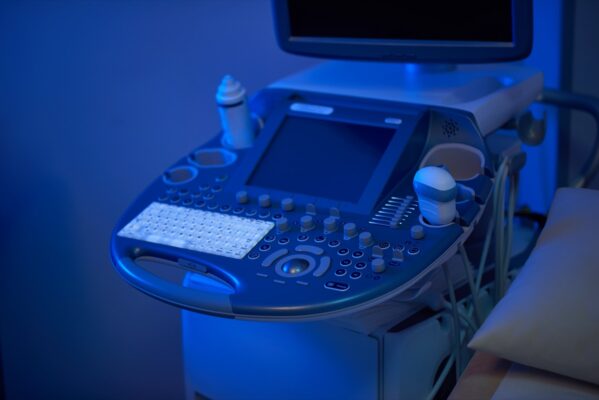
Before discussing payments, define what the financing must accomplish. The quoted ultrasound console is only one part of the project. Your working budget may also include the correct probe, software options, display equipment, delivery, installation, training, accessories, service coverage and initial supplies.
Keep startup working capital separate from the equipment figure. Rent, insurance, website work, marketing, payroll, deposits and routine operating expenses continue after the machine arrives. Financing every available dollar into equipment can leave an otherwise promising studio without enough flexibility during its opening months.
- The complete delivered equipment price
- Your available down payment or cash contribution
- Monthly fixed operating expenses
- A conservative appointment and revenue forecast
- The working-capital reserve you want to preserve
Understand the main financing structures
Equipment loans, leases and broader business loans can all be useful, but they solve different needs. An equipment loan usually finances a defined asset and may use that equipment as collateral. A lease provides use of the equipment according to the contract and may include an end-of-term purchase option. A general small-business loan can sometimes cover equipment alongside other eligible startup or expansion costs.
| Structure | Useful comparison questions | End-of-term point |
|---|---|---|
| Equipment loan | Down payment, rate, fees, collateral, guarantee and total repayment | Confirm when ownership and liens are fully resolved |
| Equipment lease | Payment schedule, use restrictions, service responsibilities and early termination | Confirm return, renewal and purchase-option terms |
| Business loan | Eligible uses, documentation, repayment, fees and collateral requirements | Confirm how proceeds and assets must be documented |
For US businesses, the Small Business Administration explains that certain SBA-backed programs may permit eligible proceeds to be used for machinery and equipment. Program availability, eligibility and lender decisions vary, so review the current SBA loan information and speak directly with participating lenders.
Compare total repayment—not only the monthly payment
A lower monthly payment can result from a longer term, a larger final payment or a different fee structure. Ask every provider for a written breakdown that lets you compare the amount financed, down payment, payment frequency, number of payments, interest or finance charges, documentation fees, late-payment provisions, early-payoff terms and total amount paid.
Also confirm whether taxes, delivery, installation, probes, training and service are included or financed separately. Comparing identical equipment configurations prevents a seemingly lower proposal from excluding an essential component.
Use conservative cash-flow assumptions
Your payment should fit a conservative forecast rather than the busiest month you hope to achieve. Estimate monthly appointments using realistic local demand, capacity and ramp-up time. Then test the payment against quieter months and routine operating costs.
A useful planning exercise is to calculate how many completed appointments would cover the equipment payment, and then how many would cover all fixed costs. This is a planning metric—not a profitability promise—but it makes the relationship between pricing, capacity and financing visible.
- Estimate average collected revenue per completed appointment.
- Subtract the appointment’s direct delivery and supply costs.
- Divide the proposed monthly payment by the remaining contribution per appointment.
- Repeat the calculation for rent and other fixed obligations.
- Stress-test the result using a slower month.
Prepare a lender-ready package
Organised applications are easier to evaluate. Depending on the lender and business stage, you may be asked for identification, business-formation records, personal or business credit information, bank statements, tax returns, a business plan, financial projections, equipment quotations and an explanation of how the funds will be used.
Your projections should connect local market research, service pricing, appointment capacity and expenses. Avoid building the plan around perfect utilisation. A clear explanation of your training, equipment, marketing and working-capital strategy helps a reviewer understand how the pieces fit together.
Match the term to the equipment plan
Consider how long you expect to use the system, how easily it can be serviced and what its likely upgrade path looks like. A term that extends well beyond the useful role of the equipment can restrict future flexibility. A very short term may preserve flexibility but place more pressure on monthly cash flow.
Review the machine and financing together. Confirm that the seller, equipment configuration and service provisions satisfy the funding provider’s requirements before signing either agreement. If the equipment changes, ask whether the approval or documents must also change.
Questions to ask before signing
- What is the complete amount financed and total repayment?
- Which fees are due before funding or at closing?
- Is the rate fixed or variable, and can payments change?
- Is a personal guarantee or additional collateral required?
- Who owns the equipment during and after the term?
- What happens if I pay early, refinance or replace the machine?
- Are there final payments, purchase options or return conditions?
- What documentation is required before funds are released?
- Can working capital or related setup costs be included?
- Which equipment, training and service items appear in the final agreement?
Frequently asked questions
Can a new elective ultrasound business finance equipment?
Some providers work with qualified startups, while others require operating history. Approval, down payment, collateral and guarantee requirements depend on the applicant and provider.
Should training be included in the financing plan?
Training should be included in the overall startup budget even when it is paid separately. The equipment and operator-preparation plans should be coordinated so the system can be used confidently.
Is leasing always less expensive than buying?
Not necessarily. Compare total payments, fees, tax treatment, ownership, service responsibilities and end-of-term terms. Your accountant and financing professional can help assess the structure for your business.
Where can I discuss available equipment and financing?
Start with the elective ultrasound machines page, then review ultrasound equipment financing or contact the Ultrasound Trainers team.
Connect your equipment and financing plans
Share your preferred equipment, location and business stage. We can help you organise the next questions for equipment, training and available financing paths.
Discuss Your Equipment Plan