

Starting a Studio in Ogden or Layton: The Equipment Decision
Northern Utah has its own demographic character. Ogden and Layton sit in Weber and Davis Counties, which together form one of the fastest-growing corridors in the state. Military families, young professionals, and a strong community of young families make this a compelling market for keepsake ultrasound services. The equipment decision for a 4D ultrasound machine buyer guide in a Utah startup studio is where most new owners spend the most time — and make the most avoidable mistakes.
The temptation is to lead with price. That is understandable; startup costs add up fast. But equipment choice has implications that extend well beyond the purchase date: image quality, client experience, machine reliability, and the level of technical support available when something goes wrong all trace back to what you buy and from whom.
Ogden and Layton studios serve clients who have often done their research. They follow other families’ social media posts, read Google reviews carefully, and compare their keepsake ultrasound experience against what friends describe. Image quality that disappoints on screen disappoints in the photo prints and video clips clients share afterward. That ripple effect touches your booking rate more than any single marketing decision.
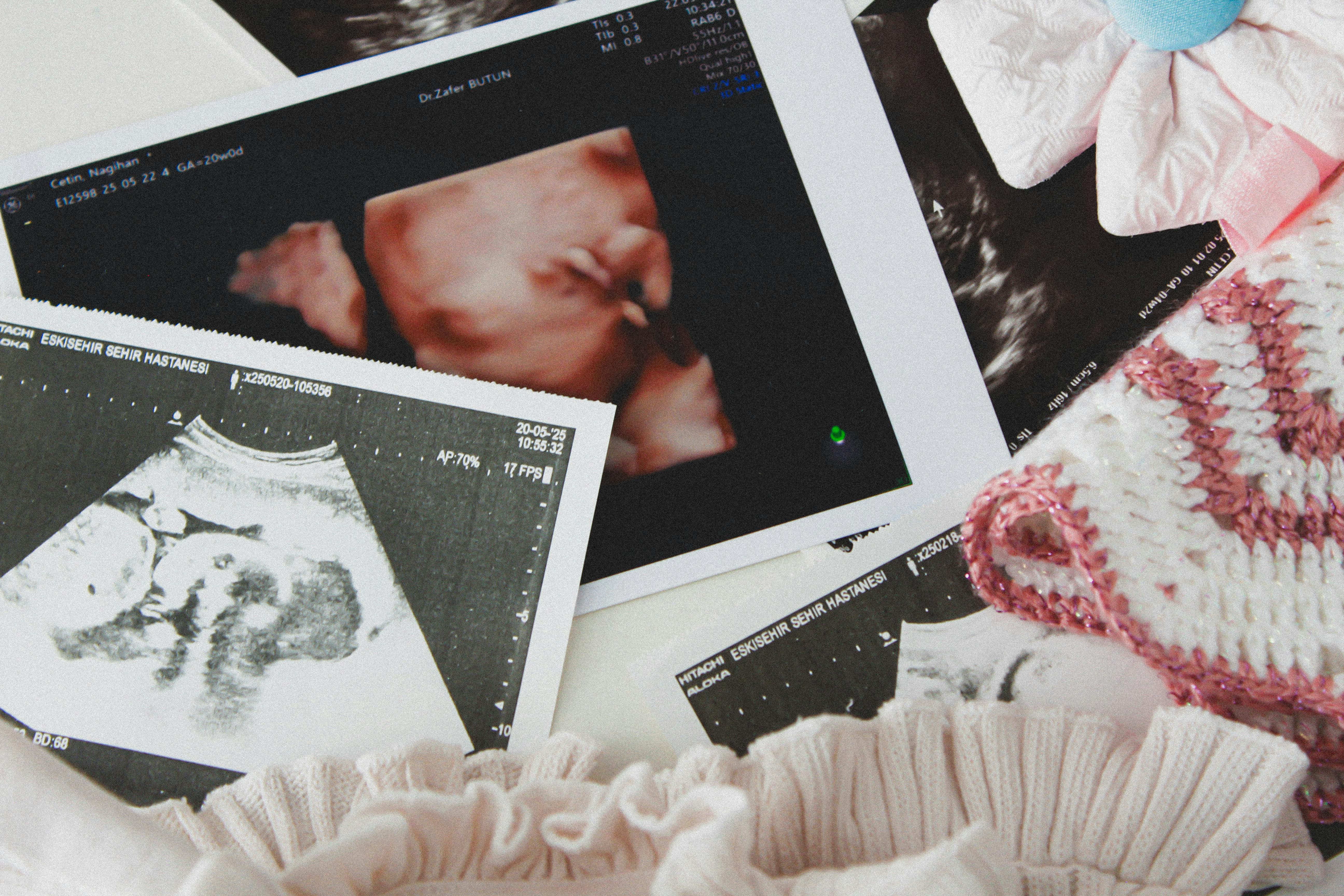
What a New 4D Ultrasound Machine Actually Gets You
New machines carry the manufacturer’s full warranty, current software versions, and a clear service pathway. When a new machine has a technical issue, the resolution process is straightforward: you contact the manufacturer or authorized service provider, parts are available, and the path forward is clear. That certainty has real value when your studio’s revenue depends on the machine being operational.
Software matters more than buyers often realize. Modern elective ultrasound systems have updated imaging modes, better 3D rendering algorithms, and improved workflow tools compared to machines from even four or five years ago. Clients who have seen promotional images from studios using current equipment develop expectations based on that standard. A machine running older software, even if mechanically sound, may struggle to meet those expectations consistently.
The cost for a new professional-grade 3D/4D system appropriate for elective ultrasound work runs from roughly $30,000 to $60,000 or more depending on the manufacturer and configuration. That is a significant investment. It is also one that comes with predictability on the support side, which carries its own financial logic for a business in its first operating year.
The Case for Refurbished Equipment
Refurbished machines are not inherently a bad choice. Many studios launch successfully on well-maintained refurbished systems and operate without significant issues for years. The key is knowing what you are buying before the purchase, not after.
A genuinely refurbished machine, as opposed to one that has simply been wiped and resold, has been inspected, repaired where necessary, and tested to confirm it meets operational standards. Probes are especially important to evaluate: worn or damaged probes affect image quality directly and can be expensive to replace. Ask for probe inspection records and remaining lifespan estimates as part of any refurbished purchase evaluation.
Software support and upgrade eligibility are the other critical variables. Some manufacturers end software support for machines beyond a certain age. A machine that cannot receive software updates may become functionally obsolete before its hardware wears out. Confirm the software version, check whether future updates are available for that model, and understand the manufacturer’s end-of-life timeline for the system you are considering.
The savings on a refurbished machine can be substantial, often 30% to 50% below the new price. Whether that savings justifies the additional uncertainty depends on the specific machine, the seller’s track record, and the warranty and service terms they are willing to put in writing.
Comparing New and Refurbished: Key Factors
| Factor | New Machine | Refurbished Machine |
|---|---|---|
| Upfront Cost | Higher | Lower (30–50% savings possible) |
| Warranty | Full manufacturer warranty | Varies by seller; often limited |
| Software Version | Current release | Older; update eligibility varies |
| Service Pathway | Clear, manufacturer-supported | Depends on third-party service coverage |
| Image Quality | Current standard | Dependent on model year and condition |
| Probe Condition | New | Used; inspection required |
| Financing Options | Generally more accessible | May be limited depending on seller |
Questions Every Buyer Should Ask Before Purchasing
Whether you are looking at new or refurbished equipment, these questions protect you from purchasing regret:
- What software version is currently installed, and is this model still eligible for updates?
- What is the probe’s usage history, and has it been tested under load?
- What warranty is included, and what does it cover specifically?
- Who provides service if something breaks, and what is the typical response time?
- Is the machine compatible with the imaging modes used for elective 3D/4D work?
- Does the system support early gender determination at 15 to 16 weeks?
- Can I see the machine operating before purchasing, or review recent scan samples?
A seller who resists answering any of these questions clearly deserves more scrutiny. Reputable equipment providers welcome these questions because they know what they are selling.
Ultrasound Trainers sells and sources elective ultrasound machines for keepsake studios and can help new buyers evaluate the right fit for their goals, budget, and studio setup.
Bridging the Cost Gap with Equipment Financing
Not every new studio owner has the capital to purchase equipment outright. Financing makes the investment more manageable by spreading the cost over a term that aligns with projected revenue growth. Understanding the monthly payment relative to your projected booking volume is essential planning work before you sign a financing agreement.
A studio doing eight to twelve appointments per week at a typical keepsake pricing structure can generate meaningful monthly revenue. Whether that revenue comfortably covers a financed equipment payment alongside rent, insurance, and operating costs depends entirely on your specific numbers. Build the model before you commit to the equipment.
Equipment financing options are available through Ultrasound Trainers for qualified buyers. Asking about financing terms upfront — interest rate, term length, and early payoff provisions — is the right approach.
Why Equipment and Training Should Be Planned Together
Equipment and training are not separate decisions. The machine you purchase affects what training you need. Private hands-on programs conducted at your location use your actual system, which means the training is calibrated to the specific machine’s settings, probe behavior, and imaging modes.
Buying equipment from one source and training from another can create a gap. If your trainer is not familiar with your specific machine, the training may be conceptually sound but not immediately applicable when you sit down at your system on your own. Programs that integrate equipment guidance with training instruction eliminate that gap from the beginning.
For Northern Utah studio owners in Ogden and Layton, the practical implication is this: plan equipment selection and training enrollment together, not sequentially. The two decisions inform each other, and resolving them in parallel saves time, reduces rework, and produces a more coherent launch readiness.
Comparing Equipment for a Studio in Northern Utah?
Ultrasound Trainers can help you evaluate machine options, understand the trade-offs between new and refurbished equipment, and plan training that works with the system you select. Contact our team to talk through your options.
People Also Ask
Last Updated: May 2025
Disclaimer: Elective ultrasound equipment is intended for bonding and keepsake use, not medical diagnosis. Equipment pricing, software specifications, and service terms vary by manufacturer and seller. Verify all details directly with your equipment provider before purchasing. This article is for informational purposes only and does not constitute financial or legal advice.
Get the Inside Track
Training tips, business advice, and exclusive deals delivered straight to your inbox.

How to Get More Bookings for Your Elective Ultrasound Studio in Montana
Struggling to fill your elective ultrasound booking calendar in Montana? This guide covers what actually[...]

Buying an Elective Ultrasound Machine for an Arkansas Studio: What Actually Matters
Ready to buy an elective ultrasound machine for your Arkansas studio? This guide covers the[...]

How to Build a Pre-Launch Marketing Campaign for Your Elective Ultrasound Studio: A 60-Day Countdown Plan
Pre-launch marketing for an elective ultrasound studio begins 60 days before opening. This 60-day countdown[...]

What Career Changers in Hawaii Need to Know About Elective Ultrasound Training
Considering ultrasound training for a career change in Hawaii? This Q&A guide covers what training[...]

How to Find and Recruit Volunteer Scan Models for Elective Ultrasound Practice
Finding volunteer models for elective ultrasound practice is a skill in itself. Learn where to[...]

How to Write an Elective Ultrasound Business Plan That Actually Works
Writing an elective ultrasound business plan? This guide covers what to include, how to build[...]

How to Open an Elective Ultrasound Business in Honolulu: A Practical Startup Guide
Open an elective ultrasound business in Honolulu with confidence. This guide covers training, startup costs,[...]

Adding Elective Ultrasound to an Existing Photography or Doula Practice in Montana
Montana birth photographers and doulas: adding an elective ultrasound add-on business in Montana to your[...]

Starting an Elective Ultrasound Business in Cheyenne, Wyoming: First-Mover Advantage in the Least-Crowded Market in the Country
Thinking about starting an elective ultrasound business in Cheyenne, Wyoming? This guide covers the F.E.[...]
Elective Ultrasound Training for Career Changers in Sweden
Considering a career change into elective ultrasound in Sweden? Find out what training involves, whether[...]

What Career Changers in Fayetteville Should Know About Elective Ultrasound Training
Thinking about elective ultrasound training in Fayetteville, Arkansas as a career changer? This Q&A guide[...]
The Biggest Mistake Las Vegas Elective Ultrasound Studios Make With Their Marketing
Elective ultrasound studio marketing in Las Vegas prioritizes trust and reviews over ad spend. Here's[...]
