

The comparison between elective ultrasound training vs sonography school is the first real question most aspiring studio owners face, and getting the answer wrong can cost you years and tens of thousands of dollars going down a path that was never designed for what you actually want to build. These two routes look similar from the outside. They both involve learning ultrasound. The similarities mostly end there.
This guide breaks down exactly what each path includes, what it costs, how long it takes, and what you can realistically do with it in a keepsake ultrasound context.
Elective ultrasound training is purpose-built for people who want to operate a keepsake ultrasound studio. Sonography school prepares clinical sonographers for hospital and diagnostic roles. For studio ownership, elective ultrasound training is the relevant path in nearly every case. Last Updated: May 2025
What Is Sonography School Actually Training You For?
Sonography school is an accredited academic program that trains students to perform diagnostic medical imaging in clinical settings, typically hospitals, radiology practices, and outpatient clinics. These programs take two to four years and cover cross-sectional anatomy, pathology identification, physics, patient care protocols, and documentation standards required in regulated healthcare environments. The credential produced, typically the RDMS designation from the American Registry for Diagnostic Medical Sonography, is designed for employment in medical facilities, not independent business ownership.
According to the Bureau of Labor Statistics, the median annual wage for diagnostic medical sonographers exceeded $84,000 in 2023. That figure reflects the value placed on clinical sonographers in healthcare systems. It also reflects a career track that assumes full-time employment in a hospital, imaging center, or physician’s office, not ownership of a boutique keepsake studio. The two career paths have almost no structural overlap.
The question we hear most often when someone first starts exploring this industry is whether a sonography degree is legally required to operate an elective ultrasound studio. The short answer is that requirements vary by state, but most states that have addressed this topic distinguish elective ultrasound from diagnostic medical imaging, and do not require an RDMS credential for elective operators. Anyone serious about launching a studio should confirm current regulations in their specific state before proceeding.
What Does Elective Ultrasound Training Actually Cover?
Elective ultrasound training is a purpose-built program designed to teach people how to operate 3D and 4D ultrasound equipment in a keepsake and bonding context. The curriculum is built around what a studio owner or operator needs to know: how to set up and optimize a machine, how to perform scans confidently for families, how to capture strong 3D and 4D images, how to handle early gender determination scanning, and how to run the session professionally from start to finish.
Strong elective ultrasound training also covers the business side of operating a studio. This includes how to position elective services correctly, how to explain to clients what the experience involves and what it is not, and how to handle common scanning challenges. Equipment orientation is built in. Hands-on practice with real clients and training phantoms is part of what separates serious programs from ones that deliver mostly theory.
At Ultrasound Trainers, the private hands-on training program is conducted at the client’s location over three days using the client’s own equipment. The turnkey program extends this to four days and includes business setup, branding, marketing materials, and ongoing support. Neither path requires a clinical background as a prerequisite. What it requires is the willingness to learn the skill and build the business around it correctly.
Elective Ultrasound Training vs Sonography School: Cost Comparison
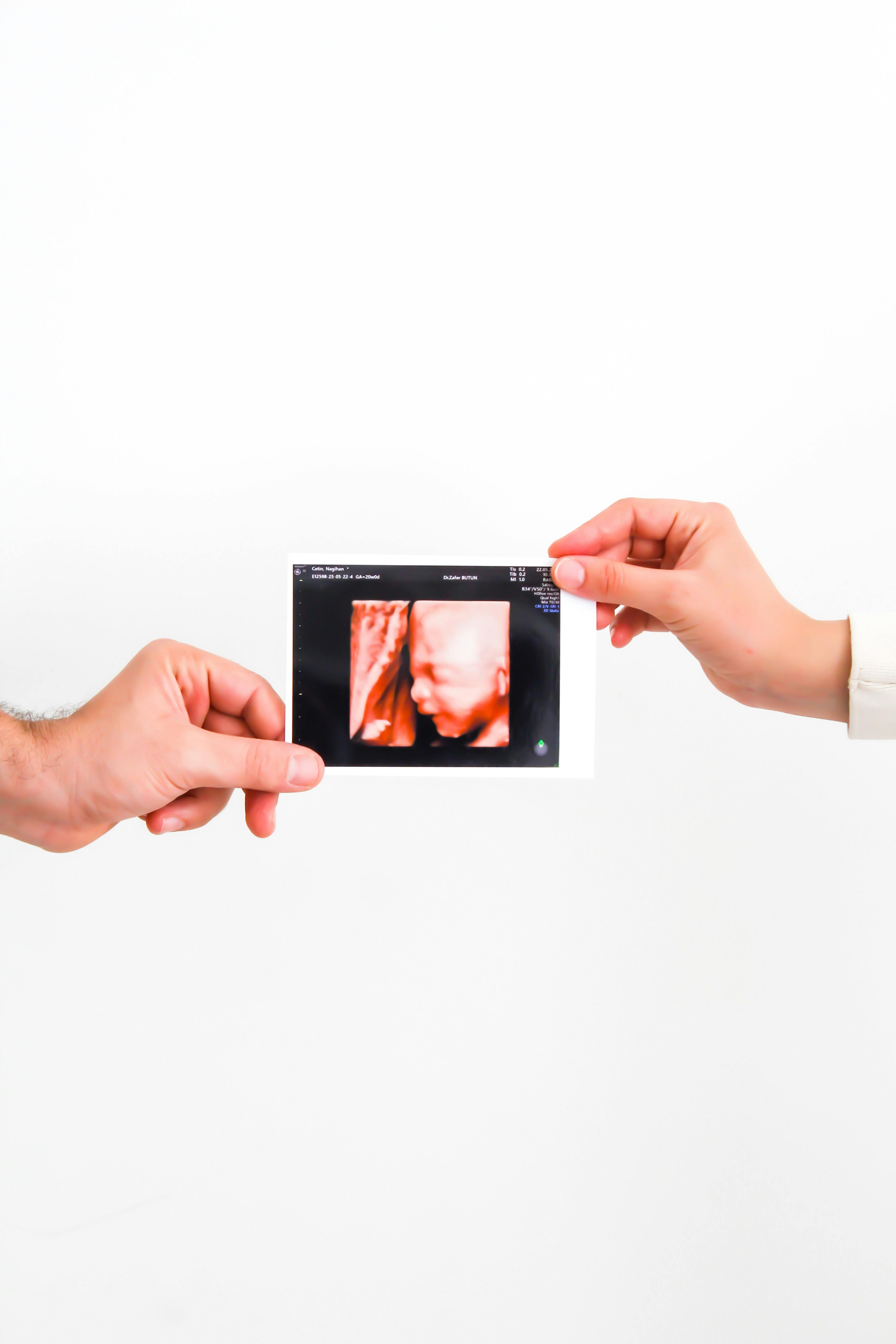
This is where the comparison becomes stark. A two-year associate degree in diagnostic sonography at a community college typically runs between $15,000 and $40,000 in tuition alone, not counting lost income during full-time enrollment. A four-year bachelor’s degree program can exceed $80,000 at private institutions. These numbers reflect the full academic experience: courses, clinical rotations, exam prep, and credentialing fees. The RDMS exam itself adds several hundred dollars on top of that.
Elective ultrasound training programs operate on an entirely different cost scale. A private hands-on training program focused specifically on operating an elective studio costs a fraction of what an academic sonography program costs, and it is typically completed over a matter of days rather than years. The investment is geared toward someone who wants to run a business and generate revenue quickly, not someone pursuing a multi-year academic credential.
According to the Small Business Administration, the healthcare services sector consistently ranks among the fastest-growing areas for small business formation in the United States. The appeal of elective ultrasound as a business model is directly connected to this: the entry cost is manageable, the demand is consistent, and the training path is short compared to clinical credentials that take years to earn.
How Long Does Each Path Take Before You Can Open a Studio?
Sonography school takes a minimum of two years for an associate degree and up to four years for a bachelor’s program. Add clinical rotation hours, board exam prep, and the time to actually pass the RDMS exam, and most students do not hold a full credential until two and a half to four and a half years after they started. That is the timeline for someone who enrolls directly and finishes without interruption.
Elective ultrasound training programs designed for studio operators move on a completely different timeline. Hands-on training programs are typically conducted over three to four days. Equipment setup, business launch preparation, and marketing groundwork can happen in parallel. Most people who complete a comprehensive elective ultrasound training program can open their studio within weeks to a few months of finishing, depending on how fast they move on location, equipment, and licensing.
That timeline difference matters enormously if you are looking at this as a business opportunity. A two-to-four-year preparation window fundamentally changes the return-on-investment picture. The elective ultrasound path was designed specifically so that people without clinical backgrounds can enter the industry, build real scanning confidence, and open a studio without spending years in a classroom first.
What Credentials and Regulations Actually Require
This is the question that causes the most confusion, and it is worth addressing plainly. The regulatory landscape for elective ultrasound varies by state. Some states have passed specific guidance or legislation addressing elective ultrasound, while others have not. A small number of states have explored or enacted restrictions, while most treat elective ultrasound as a separate category from diagnostic medical imaging and do not require RDMS credentials for operators.
What this means practically is that the decision about whether to pursue sonography school should not be driven primarily by fear of regulations. Most people who open elective ultrasound studios across the country are not licensed clinical sonographers. What protects them and their businesses is operating clearly within the elective space, not making diagnostic claims, positioning services as bonding and keepsake experiences, and staying current on any changes in their state.
Anyone planning to open a studio should verify the current regulatory environment in their specific state before launching. Requirements can change, and what is accurate in one state may not apply in another. Professional legal or compliance guidance is worth seeking during the planning stage, especially in states with more active healthcare regulatory environments.
Which Path Builds Better Scanning Confidence for a Keepsake Setting?
Here is something worth stating directly: sonography school does not teach keepsake ultrasound. Graduates of diagnostic programs learn to identify pathology, document findings, and produce images that support clinical interpretation. They spend years developing skills oriented around hospitals and physician offices. The scanning environment in a keepsake studio, the goal of capturing beautiful 3D bonding images in a warm family setting, is not what clinical training is built around.
What we have seen from working with studio owners across the country is that strong elective ultrasound training focused specifically on the keepsake context builds the kind of confidence that matters in an actual studio session. That means knowing how to position the probe for optimal 3D rendering, how to work through challenging scan conditions, how to optimize the machine settings for the specific images families are expecting, and how to manage a session professionally from welcome to delivery of images.
Clinical sonography training, for all its rigor, does not cover any of this in depth. People who come from sonography backgrounds sometimes find they need to unlearn clinical habits when they move into elective work. The machines are similar. The objectives are entirely different.
Bottom Line: Which Path Is Right for You?
If your goal is to work as a clinical sonographer in a hospital, imaging center, or medical practice, sonography school is the path. If your goal is to open and operate an elective keepsake ultrasound studio as a business owner, elective ultrasound training is what you need. The two paths do not lead to the same place. Choosing sonography school because it sounds more credentialed or more “legitimate” for an elective context is a costly misdirection that delays your actual goal by years.
The elective ultrasound industry is built on operators who came from business, photography, healthcare support roles, and other non-clinical backgrounds. The training programs designed for this industry reflect that reality. They teach what you actually need to run a confident, professional keepsake studio, and they get you there on a timeline that makes sense for a business launch rather than a clinical career.
If you are evaluating your options and want to understand what elective ultrasound training covers, what the hands-on experience looks like, and how to match the right program to your goals, the team at Ultrasound Trainers can walk you through the process. Starting with the right foundation makes everything that follows much more straightforward.
Last Updated: May 2025
Get the Inside Track
Training tips, business advice, and exclusive deals delivered straight to your inbox.

How to Get More Bookings for Your Elective Ultrasound Studio in Montana
Struggling to fill your elective ultrasound booking calendar in Montana? This guide covers what actually[...]

Buying an Elective Ultrasound Machine for an Arkansas Studio: What Actually Matters
Ready to buy an elective ultrasound machine for your Arkansas studio? This guide covers the[...]

How to Build a Pre-Launch Marketing Campaign for Your Elective Ultrasound Studio: A 60-Day Countdown Plan
Pre-launch marketing for an elective ultrasound studio begins 60 days before opening. This 60-day countdown[...]

What Career Changers in Hawaii Need to Know About Elective Ultrasound Training
Considering ultrasound training for a career change in Hawaii? This Q&A guide covers what training[...]

How to Find and Recruit Volunteer Scan Models for Elective Ultrasound Practice
Finding volunteer models for elective ultrasound practice is a skill in itself. Learn where to[...]

How to Write an Elective Ultrasound Business Plan That Actually Works
Writing an elective ultrasound business plan? This guide covers what to include, how to build[...]

How to Open an Elective Ultrasound Business in Honolulu: A Practical Startup Guide
Open an elective ultrasound business in Honolulu with confidence. This guide covers training, startup costs,[...]

Adding Elective Ultrasound to an Existing Photography or Doula Practice in Montana
Montana birth photographers and doulas: adding an elective ultrasound add-on business in Montana to your[...]

Starting an Elective Ultrasound Business in Cheyenne, Wyoming: First-Mover Advantage in the Least-Crowded Market in the Country
Thinking about starting an elective ultrasound business in Cheyenne, Wyoming? This guide covers the F.E.[...]
Elective Ultrasound Training for Career Changers in Sweden
Considering a career change into elective ultrasound in Sweden? Find out what training involves, whether[...]

What Career Changers in Fayetteville Should Know About Elective Ultrasound Training
Thinking about elective ultrasound training in Fayetteville, Arkansas as a career changer? This Q&A guide[...]

The Biggest Mistake Las Vegas Elective Ultrasound Studios Make With Their Marketing
Elective ultrasound studio marketing in Las Vegas prioritizes trust and reviews over ad spend. Here's[...]
