

How to Compare Elective Ultrasound Training Programs: 10 Questions to Ask
Training programs can sound similar until you compare the experience behind the promises. Use these ten questions to evaluate hands-on practice, instructor access, equipment relevance, curriculum, support, pricing, and the fit with your goals.
The “Best” Program Is the One That Fits What You Need to Do Next
A first-time trainee, an experienced sonographer adding elective imaging, and a studio owner training a new team member may all need different things. Before comparing programs, write down your starting experience, the equipment you will use, the services you want to offer, and the level of business guidance you want.
Once your goal is clear, compare specific details instead of relying on broad phrases such as “comprehensive,” “hands-on,” or “complete.” Ask what those words mean inside the actual learning experience.
Strong programs should be able to explain who teaches, how practice is organized, which skills are included, what equipment is used, how progress is guided, what the investment covers, and what happens after the scheduled training days.
10 Questions to Ask Before Choosing a Program
Ask for specific answers. The details will help you understand how closely each program matches your learning style, equipment plan, experience, and studio goals.
Is the instruction private, small-group, or classroom-based?
The format affects instructor access and how much of the scheduled time can be shaped around your questions. Ask how many trainees share the instructor and machine, and whether the curriculum can adjust to your experience.
Listen for: a clear trainee-to-instructor ratio and an explanation of how individual feedback works.How much guided scanning practice is included?
“Hands-on” can describe very different experiences. Ask how practice is organized, whether the instructor demonstrates each technique, and how much time you spend operating the equipment with guidance.
Listen for: demonstration, meaningful practice, repetition, and real-time coaching—not only observation.Who teaches the program, and what experience do they bring?
Ask about the instructor’s ultrasound background, elective imaging experience, teaching experience, and familiarity with the services you want to offer. The person teaching the course matters as much as the course name.
Listen for: transparent qualifications plus practical experience that connects directly to your goals.Will I train on the equipment I plan to use?
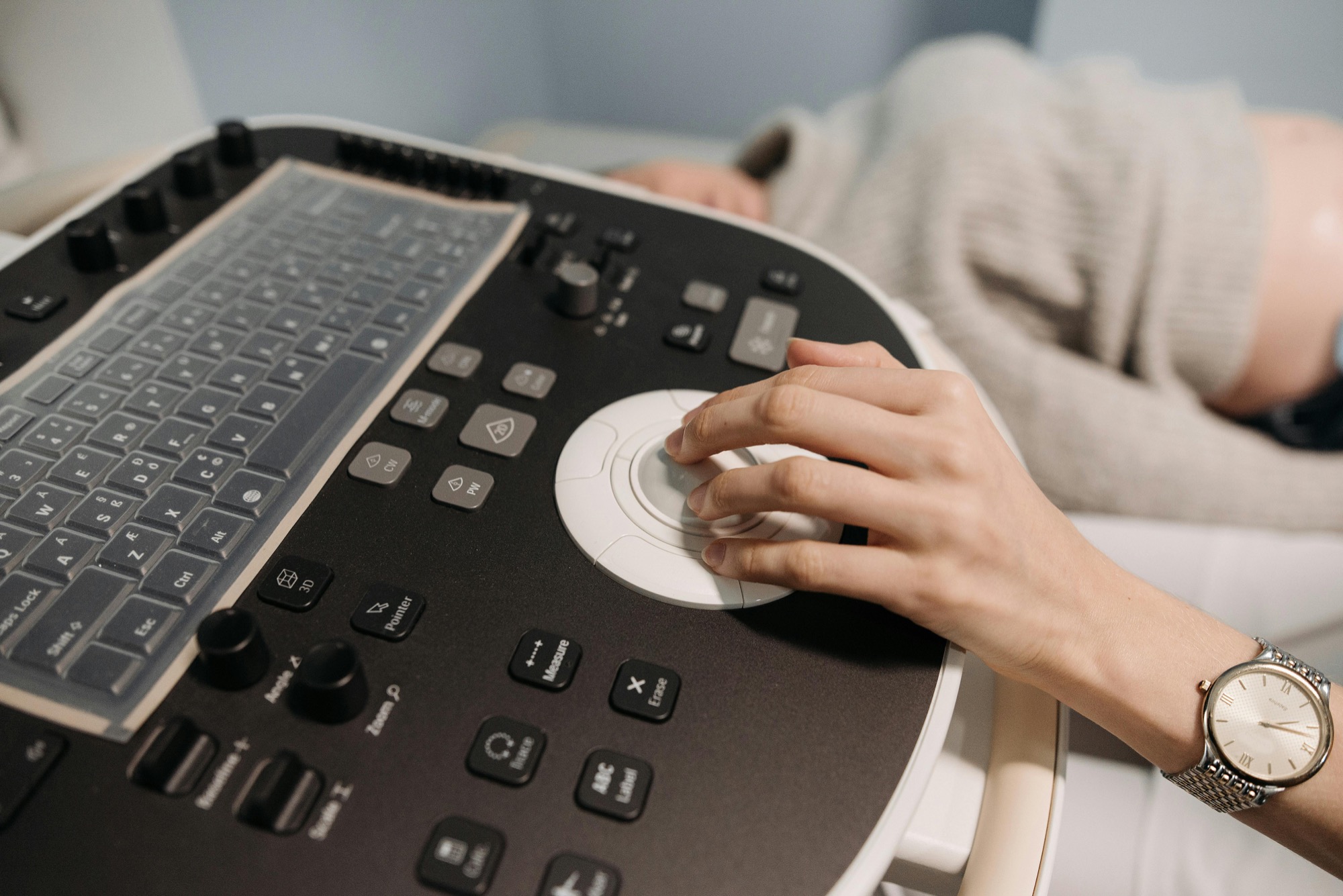
Machine controls, presets, transducers, volume tools, rendering options, and media workflows vary. Ask whether instruction can take place on your system and how the trainer prepares for its manufacturer and model.
Listen for: machine-specific preparation and instruction that connects controls to scanning technique.What skills and service types does the curriculum cover?
Request a clear curriculum. Depending on your program, relevant areas may include equipment foundations, 2D orientation, 3D volume acquisition, 4D motion, HD-style rendering, gender-reveal workflow, image delivery, and client-session flow.
Listen for: defined learning outcomes and an explanation of how the depth changes with program length.Is the program suitable for my current experience level?
A well-matched program begins where you are. Ask how the provider approaches a true beginner, an experienced medical sonographer, a current elective scanner, or a business owner arranging staff training.
Listen for: a personalized starting point rather than one identical pace for every trainee.How is safety-minded, efficient scanning incorporated?
Ask how the curriculum teaches purposeful equipment use, efficient image acquisition, appropriate operating principles, clear client communication, and the intended scope of the elective experience.
Listen for: safety education integrated into technique and workflow throughout the program.What support is available before and after training?
Preparation and follow-through both matter. Ask what information you receive before the program, whether you can ask follow-up questions, and what form any continuing mentorship or resources take.
Listen for: clear expectations about preparation, communication, follow-up access, and included resources.What business or studio guidance is included?
If your goal is to open or improve a studio, determine whether training addresses client workflow, packages, media delivery, equipment planning, appointment experience, studio operations, or launch support—and how much time is devoted to each.
Listen for: defined business topics that complement the scanning curriculum without replacing hands-on practice.What exactly is included in the quoted price?
Compare more than the headline number. Ask about program length, private or group format, travel, location, equipment preparation, learning materials, business guidance, post-training support, and any services priced separately.
Listen for: a written explanation of the investment, inclusions, optional services, and enrollment steps.The 50-Point Training Program Scorecard
Score each provider from 1 to 5 in every category. Use one copy of the scorecard per program and add notes from your consultation beside the scores.
| Evaluation Category | What a Strong Fit Provides | Your Score |
|---|---|---|
| 1. Instruction format | An instructor-to-trainee ratio that supports your preferred level of individual guidance. | 12345 |
| 2. Hands-on practice | Meaningful equipment time, guided scanning, repetition, and feedback. | 12345 |
| 3. Instructor experience | Transparent qualifications and relevant elective imaging and teaching experience. | 12345 |
| 4. Equipment relevance | Training that applies to the machine, transducer, and workflow you will use. | 12345 |
| 5. Curriculum depth | Clear learning outcomes covering the imaging and session skills important to you. | 12345 |
| 6. Experience-level fit | A starting point and pace appropriate for your background and goals. | 12345 |
| 7. Safety education | Safety-minded, purposeful equipment use integrated into practical instruction. | 12345 |
| 8. Ongoing support | Clearly described preparation, resources, mentorship, or follow-up access. | 12345 |
| 9. Business guidance | Studio and client-workflow education aligned with your business needs. | 12345 |
| 10. Price clarity | A transparent quote explaining inclusions, options, and scheduling steps. | 12345 |
To print a clean copy of the scorecard, use your browser’s Print command while viewing this page.
Four Details Deserve Extra Weight in Your Decision
Every category matters, but these four details have an especially direct effect on how relevant and usable the learning experience feels.
The Practice Is Truly Hands-On
You operate the equipment, apply techniques, make adjustments, and repeat skills with guidance.
The Feedback Is Personal
The instructor can respond to your hand position, screen image, questions, pace, and specific goals.
The Equipment Is Relevant
The controls, presets, imaging modes, and workflow connect to the machine you plan to use.
The Next Steps Are Clear
You understand what is included, how to prepare, what support follows, and how to continue practicing.
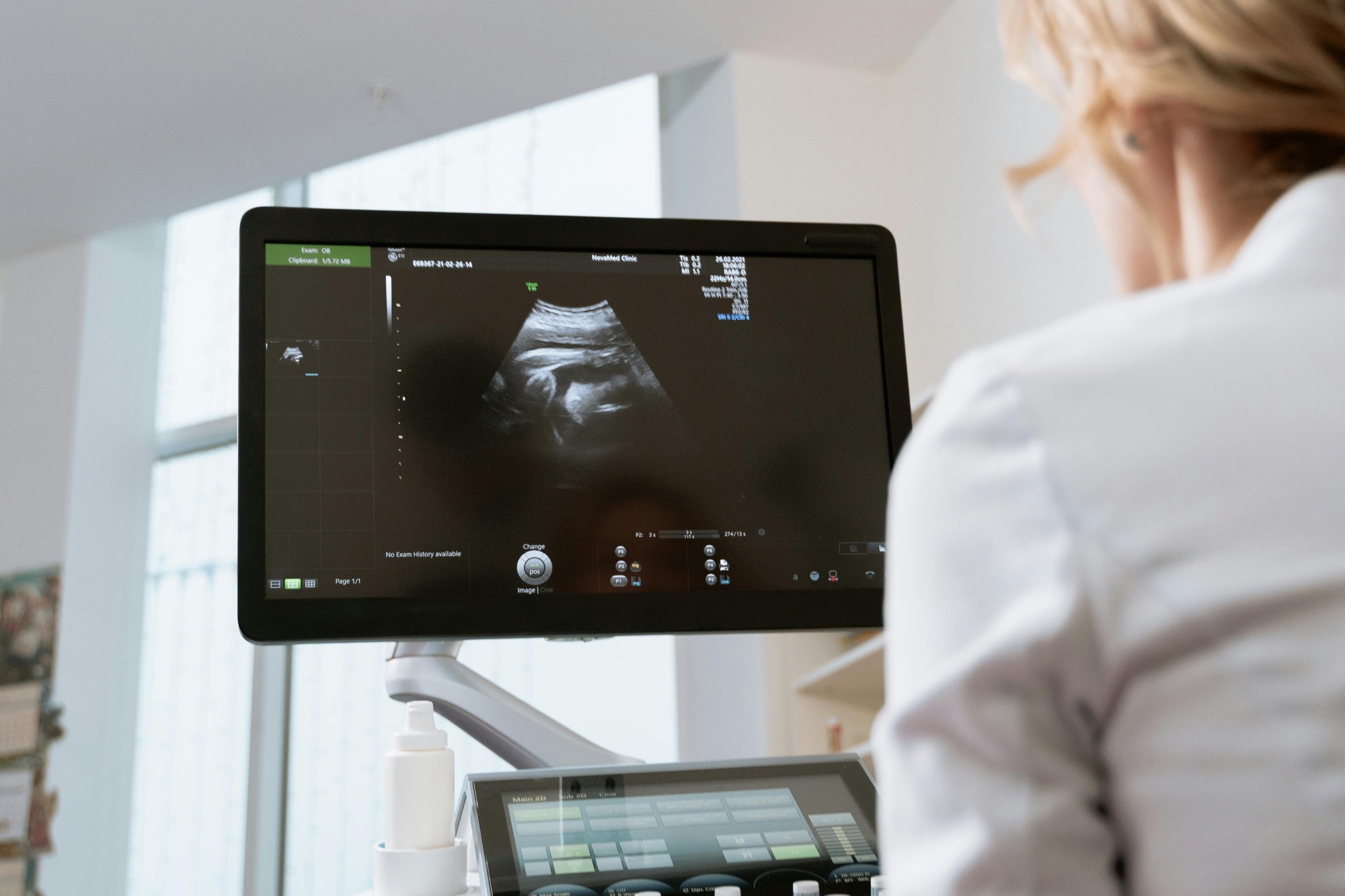
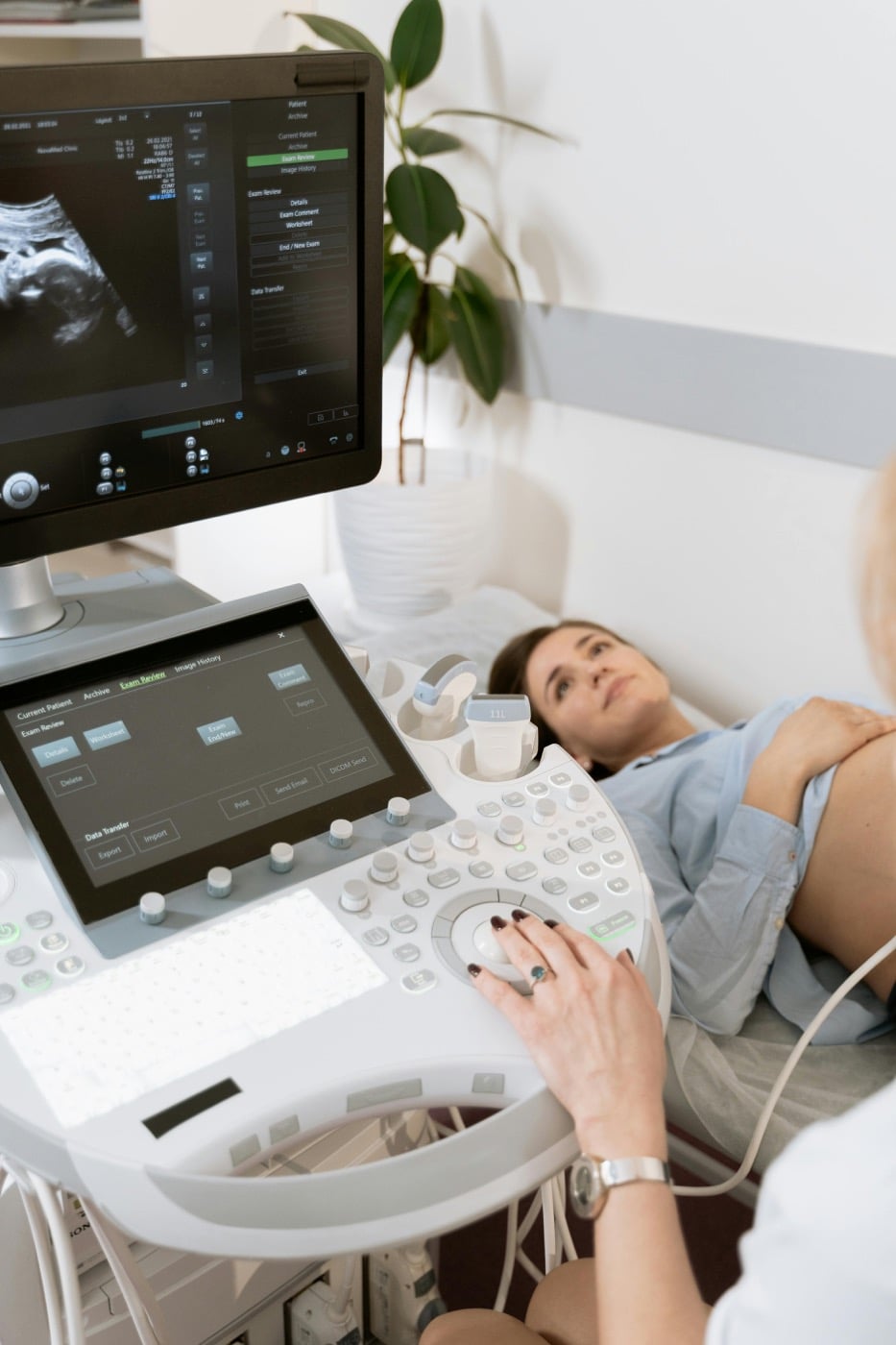
Evaluate the Learning Experience, Not Only the Course Name
Different Starting Points Call for Different Priorities
Prioritize Foundation and Instructor Access
Look closely at beginner preparation, equipment controls, orientation, probe handling, guided repetition, program length, and the availability of personal feedback.
Prioritize Elective Imaging and Workflow
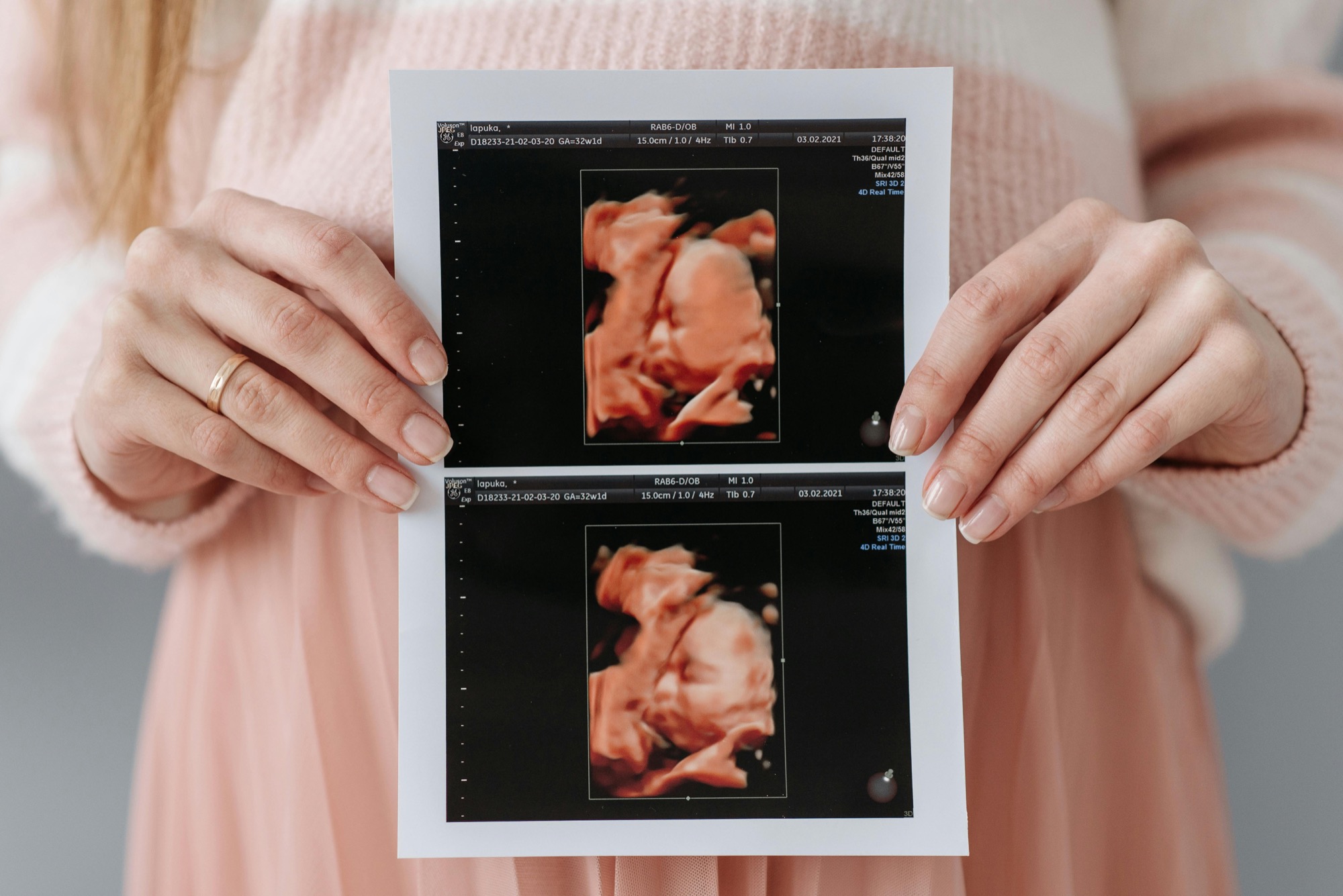
Compare the depth of 3D/4D acquisition, HD-style rendering, elective client communication, media delivery, session pacing, and the use of your preferred system.
Prioritize Consistency and Integration
Ask how the program supports repeatable image quality, shared workflow, equipment consistency, client experience, staff development, and business operations.
Include Safety Education in Every Comparison
A thoughtful training comparison should include how each program approaches purposeful equipment use, efficient scanning habits, and professional client communication.
Ask How Principles Become Practice
Safety education is most useful when it is connected directly to machine settings, image acquisition, session flow, scan efficiency, and the intended purpose of each technique.
Review Authoritative Guidance
You can read the FDA ultrasound imaging overview and the AIUM ALARA principle statement, then ask providers how relevant guidance is incorporated into instruction.
A Private Program Personalized Around Your Equipment and Goals
Ultrasound Trainers provides one-on-one, hands-on elective ultrasound instruction at your location. Programs range from one to four days and can be organized around your experience, machine, planned services, and preferred learning depth.
The dedicated curriculum page explains what you can learn. The pricing and enrollment page provides the published investment range and program-selection process. This lets you evaluate the program using the same questions and scorecard recommended throughout this guide.
Elective Ultrasound Training FAQ
What should I look for in an elective ultrasound training program?
Compare instruction format, hands-on practice, instructor experience, equipment relevance, curriculum depth, experience-level fit, safety education, ongoing support, business guidance, and total price clarity.
Is private or group ultrasound training better?
The best format depends on your learning style and goals. Private training provides individual instructor access and personalized pacing. When considering a group program, ask how many students share the instructor, equipment, and guided scanning time.
Why does training on my own ultrasound machine matter?
Manufacturers and models use different controls, presets, transducers, volume tools, and media workflows. Machine-relevant training helps you connect scanning technique to the equipment you will operate after the program.
How long should elective ultrasound training be?
The appropriate length depends on your background, equipment familiarity, desired services, and preferred depth of practice. Ask providers to explain what each available program length includes and why they recommend a particular option for you.
Should business guidance be included with scanning instruction?
If you plan to own or manage a studio, business and client-workflow guidance can complement technical training. Ask exactly which business topics are included and how the program protects sufficient time for hands-on scanning practice.
How should I compare ultrasound training prices?
Compare the complete package rather than only the headline amount. Review program length, instructor ratio, location, travel, equipment preparation, curriculum, materials, business guidance, continuing support, optional services, and scheduling terms.
Compare the Details, Then Choose the Training That Fits You
Tell Ultrasound Trainers about your experience, equipment, planned services, and goals. We can explain the available program options so you can evaluate them using the same ten questions in this guide.

How to Get More Bookings for Your Elective Ultrasound Studio in Montana
Struggling to fill your elective ultrasound booking calendar in Montana? This guide covers what actually[...]

Buying an Elective Ultrasound Machine for an Arkansas Studio: What Actually Matters
Ready to buy an elective ultrasound machine for your Arkansas studio? This guide covers the[...]

How to Build a Pre-Launch Marketing Campaign for Your Elective Ultrasound Studio: A 60-Day Countdown Plan
Pre-launch marketing for an elective ultrasound studio begins 60 days before opening. This 60-day countdown[...]

What Career Changers in Hawaii Need to Know About Elective Ultrasound Training
Considering ultrasound training for a career change in Hawaii? This Q&A guide covers what training[...]

How to Find and Recruit Volunteer Scan Models for Elective Ultrasound Practice
Finding volunteer models for elective ultrasound practice is a skill in itself. Learn where to[...]

How to Write an Elective Ultrasound Business Plan That Actually Works
Writing an elective ultrasound business plan? This guide covers what to include, how to build[...]

How to Open an Elective Ultrasound Business in Honolulu: A Practical Startup Guide
Open an elective ultrasound business in Honolulu with confidence. This guide covers training, startup costs,[...]

Adding Elective Ultrasound to an Existing Photography or Doula Practice in Montana
Montana birth photographers and doulas: adding an elective ultrasound add-on business in Montana to your[...]

Starting an Elective Ultrasound Business in Cheyenne, Wyoming: First-Mover Advantage in the Least-Crowded Market in the Country
Thinking about starting an elective ultrasound business in Cheyenne, Wyoming? This guide covers the F.E.[...]

Elective Ultrasound Training for Career Changers in Sweden
Considering a career change into elective ultrasound in Sweden? Find out what training involves, whether[...]

What Career Changers in Fayetteville Should Know About Elective Ultrasound Training
Thinking about elective ultrasound training in Fayetteville, Arkansas as a career changer? This Q&A guide[...]

The Biggest Mistake Las Vegas Elective Ultrasound Studios Make With Their Marketing
Elective ultrasound studio marketing in Las Vegas prioritizes trust and reviews over ad spend. Here's[...]
Sign up for our newsletter
Sign up for our newsletter and be the first to get the latest updates and exclusive discounts delivered directly to your inbox!
Explore all training formats, durations, and programs in our complete elective ultrasound training guide.
