
The GE Voluson E10 vs Samsung HERA W10 debate comes up constantly when studio owners are ready to invest in premium ultrasound equipment, and for good reason. Both machines sit at the top tier of what is available for elective imaging, both produce the kind of photo-realistic 3D and 4D images that families book appointments specifically to see, and both carry price tags that make the decision feel significant. Getting it wrong is expensive. Getting it right sets your studio up with equipment that can serve clients confidently for years.
This guide breaks down both machines in the context of keepsake studio use, not clinical diagnostics. The comparison is built around what matters for an elective operator: image quality, ease of use, workflow in a studio setting, and long-term value.
Both the GE Voluson E10 and Samsung HERA W10 deliver exceptional image quality for keepsake studios. The Voluson E10 is widely regarded as the gold standard for 3D/4D rendering. The HERA W10 offers competitive imaging with a different workflow feel. Your choice should come down to your budget, support access, and the scanning experience your team finds most intuitive. Last Updated: May 2025
The GE Voluson E10: What Makes It Stand Out
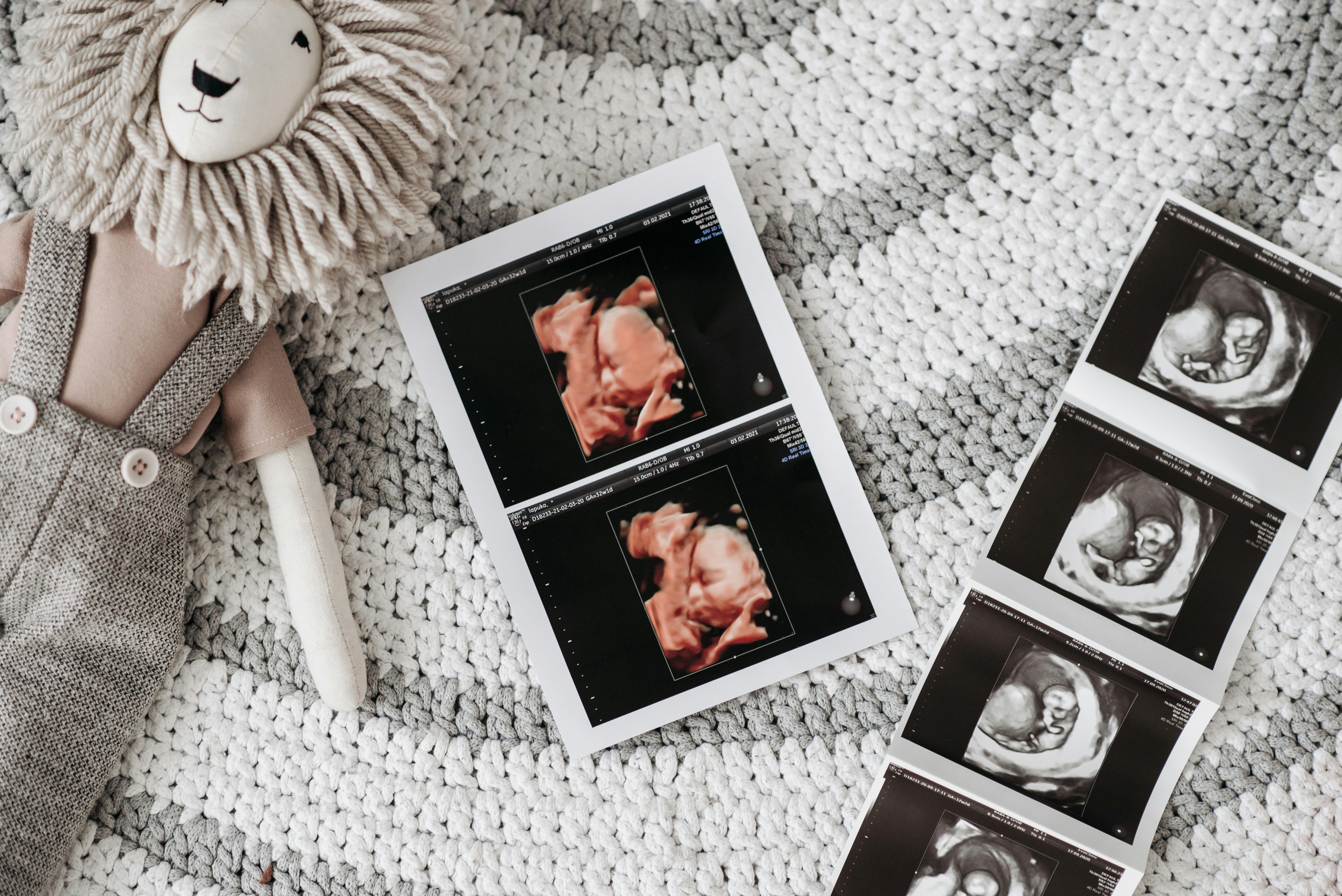
The GE Voluson E10 is considered by many experienced elective ultrasound operators to be the benchmark for keepsake imaging quality. Its HDlive rendering technology produces extraordinarily photo-realistic 3D images with lifelike skin texture and lighting effects that clients find genuinely impressive. The E10 has a long track record in both diagnostic and elective settings, and GE’s installed base in the industry means that training resources, transducer options, and service networks are well-developed.
The workflow on the E10 is intuitive for operators who have spent time with GE systems. The touchscreen interface is responsive, preset customization is deep enough to let operators build a workflow that fits their specific scanning style, and image consistency across sessions is strong. Studios that run high volumes, multiple clients per day, five or six days a week, report that the E10 holds up well under regular use without significant drift in performance.
What we have seen from studio owners who run the E10 is that the machine inspires confidence in sessions that do not go perfectly. When a baby is in a less-than-ideal position, the E10’s rendering engine and probe sensitivity give the operator more tools to work with. That matters when a family has driven an hour to get their scan and the stakes of the session feel high.
The Samsung HERA W10: What Makes It Competitive
The Samsung HERA W10 entered the premium ultrasound market as a genuine alternative to the long-dominant GE Voluson line, and it has earned a real foothold in elective studios. The HERA W10’s CrystalVue rendering technology produces bright, high-contrast 3D and 4D images that many operators describe as having a slightly different visual character from the E10, cleaner and higher-contrast in some lighting conditions, though less warm and painterly in the rendering aesthetic that many studios associate with GE’s HDlive.
The workflow interface on the HERA W10 is considered by many users to be highly intuitive, with a large touchscreen, logical menu architecture, and quick access to the most commonly adjusted settings during a keepsake session. Samsung has invested heavily in the user experience side of the machine, and it shows in day-to-day operation. Operators who come from non-clinical backgrounds often find the learning curve on the HERA W10 approachable.
Samsung’s support and service network in the US has expanded significantly as the brand has grown its ultrasound market share. That said, GE’s longer history in the market means a deeper pool of independent service technicians familiar with the platform. Both are legitimate considerations when you are buying equipment that you plan to run daily for years.
Head-to-Head: GE Voluson E10 vs Samsung HERA W10 on What Matters for Studios
| Factor | GE Voluson E10 | Samsung HERA W10 |
|---|---|---|
| 3D/4D Rendering | HDlive – warm, photo-realistic skin tones | CrystalVue – high-contrast, bright rendering |
| Workflow Interface | Deep customization, familiar to GE users | Intuitive touchscreen, fast menu access |
| Service Network (US) | Extensive, long-established | Growing, well-supported by Samsung |
| Learning Curve | Moderate, deeper feature set | Accessible, praised for UX clarity |
| Price Tier | Premium, higher acquisition cost | Competitive with E10 at similar configs |
| Industry Familiarity | Long-standing reference standard | Newer but well-regarded in elective space |
Who the GE Voluson E10 Is Right For
The E10 tends to be the stronger choice for studios that are building their brand identity around exceptional image quality as the centerpiece of the client experience. Studios that market to families who have researched keepsake ultrasound extensively, or who serve a market where word-of-mouth reputation for stunning images is the primary growth driver, will find that the E10’s rendering quality consistently generates the kind of reactions that bring people back and prompt referrals.
It is also the better fit for operators who want to invest in a machine with a long-established track record, a deep training ecosystem, and the widest possible pool of service and support options. If you plan to run your studio at high volume and want a platform that has been battle-tested across years of intensive elective use, the E10 has that history behind it.
According to the American Institute of Ultrasound in Medicine, ongoing education and equipment familiarity are key factors in scan quality outcomes. The E10’s depth of features supports operators who want to continue developing their skills long after initial training.
Who the Samsung HERA W10 Is Right For
The HERA W10 makes a compelling case for studio owners who are newer to the industry and want a machine that delivers outstanding imaging quality with an interface that does not require deep technical expertise to navigate fluently. The workflow clarity on the HERA W10 reduces the cognitive load during a session, which matters when you are also managing a family in the room, adjusting lighting, and communicating about what is on screen.
Studios that are evaluating comparable configurations from both manufacturers and find the HERA W10 at a more accessible price point in a specific bundle should not dismiss it as the lesser option. The image quality is genuinely competitive. The decision at this tier is often less about which machine is objectively better and more about which platform your team will operate with the most confidence and consistency.
The Recommendation: How to Make This Decision
Both machines are excellent. Neither is a wrong choice for a well-run keepsake studio. The decision that trips up buyers is treating this as a purely spec-driven comparison rather than a fit-driven one.
Ask your vendor for a live scan demonstration on each. Ask what training and setup support is included with the purchase. Ask about service contracts and response times. Then consider which machine you can see yourself building a daily working routine around comfortably, because that is the machine that will perform best in your hands over time.
Ultrasound Trainers sells elective ultrasound equipment and helps clients evaluate which machine aligns with their studio goals. If you are at the point of deciding between these two platforms, explore your equipment options or reach out to discuss your specific situation before committing. The right answer depends on your business model, your team, and what you need the machine to do every day.
Last Updated: May 2025
Get the Inside Track
Training tips, business advice, and exclusive deals delivered straight to your inbox.

How to Get More Bookings for Your Elective Ultrasound Studio in Montana
Struggling to fill your elective ultrasound booking calendar in Montana? This guide covers what actually[...]

Buying an Elective Ultrasound Machine for an Arkansas Studio: What Actually Matters
Ready to buy an elective ultrasound machine for your Arkansas studio? This guide covers the[...]

How to Build a Pre-Launch Marketing Campaign for Your Elective Ultrasound Studio: A 60-Day Countdown Plan
Pre-launch marketing for an elective ultrasound studio begins 60 days before opening. This 60-day countdown[...]

What Career Changers in Hawaii Need to Know About Elective Ultrasound Training
Considering ultrasound training for a career change in Hawaii? This Q&A guide covers what training[...]

How to Find and Recruit Volunteer Scan Models for Elective Ultrasound Practice
Finding volunteer models for elective ultrasound practice is a skill in itself. Learn where to[...]

How to Write an Elective Ultrasound Business Plan That Actually Works
Writing an elective ultrasound business plan? This guide covers what to include, how to build[...]

How to Open an Elective Ultrasound Business in Honolulu: A Practical Startup Guide
Open an elective ultrasound business in Honolulu with confidence. This guide covers training, startup costs,[...]

Adding Elective Ultrasound to an Existing Photography or Doula Practice in Montana
Montana birth photographers and doulas: adding an elective ultrasound add-on business in Montana to your[...]

Starting an Elective Ultrasound Business in Cheyenne, Wyoming: First-Mover Advantage in the Least-Crowded Market in the Country
Thinking about starting an elective ultrasound business in Cheyenne, Wyoming? This guide covers the F.E.[...]
Elective Ultrasound Training for Career Changers in Sweden
Considering a career change into elective ultrasound in Sweden? Find out what training involves, whether[...]

What Career Changers in Fayetteville Should Know About Elective Ultrasound Training
Thinking about elective ultrasound training in Fayetteville, Arkansas as a career changer? This Q&A guide[...]

The Biggest Mistake Las Vegas Elective Ultrasound Studios Make With Their Marketing
Elective ultrasound studio marketing in Las Vegas prioritizes trust and reviews over ad spend. Here's[...]
