

Opening a 4D ultrasound studio in West Virginia as a career changer is a more realistic path than most people expect — and a more demanding one than most programs will tell you upfront. West Virginia has a genuine gap in elective ultrasound access. Cities like Morgantown and Charleston have expecting families who currently have no local option for 3D/4D keepsake scanning outside a hospital setting. That gap represents a real business opportunity. Whether you’re positioned to fill it depends on decisions you make before you ever turn a machine on.
Opening a 4D ultrasound studio in West Virginia as a career changer requires hands-on training — not just conceptual knowledge — a clear business structure, appropriate equipment, and an honest read on your local market. West Virginia has no existing state license exclusive to elective ultrasound operators, but startup requirements vary by municipality and should be verified locally before you open.
Last Updated: July 2025
What Elective Ultrasound Is — and Why That Distinction Matters for Career Changers
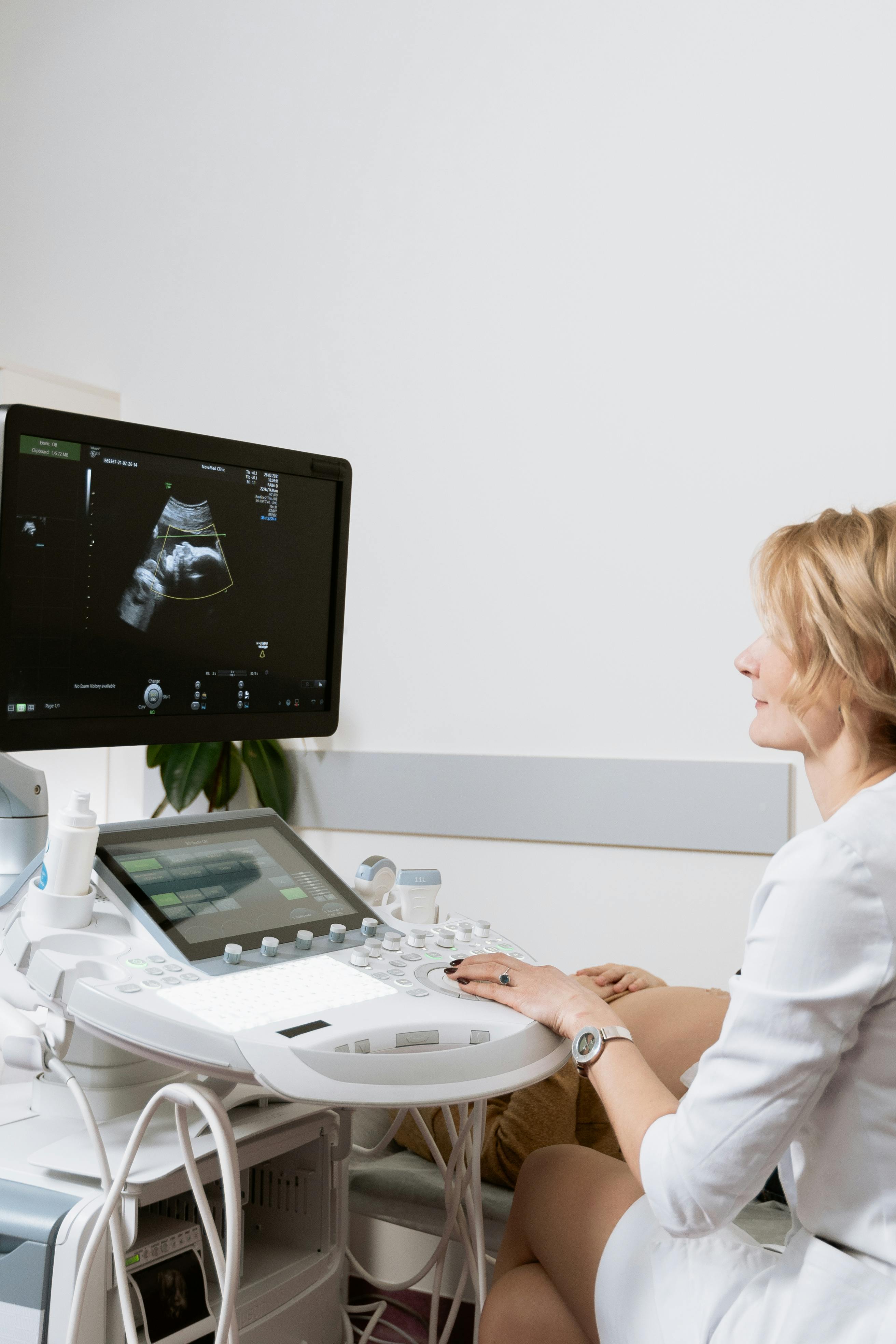
Opening a 4D ultrasound studio in West Virginia means operating a keepsake and bonding service — not a medical practice. Elective ultrasound sessions give expecting families an opportunity to see their baby in 3D or 4D, capture images and video, and share the experience. That’s the entire purpose. These sessions are not diagnostic, do not evaluate fetal health for clinical decision-making, and do not replace prenatal care with a physician or midwife.
This distinction shapes everything: how you train, how you communicate with clients, how you position the business, and how you stay on solid ground legally. Career changers who enter this industry understanding exactly what they’re offering — and exactly what they’re not — build more credible businesses than those who blur that line.
West Virginia does not have a specific state license required exclusively for elective ultrasound operators. That said, business licensing, zoning, and local regulatory requirements vary by county and municipality, and they change. Consult a local business attorney before you open, and verify current requirements with the relevant county or city offices wherever you plan to operate.
Does Your Background Matter?
Less than you might think — and more than you might hope.
You do not need a medical or clinical background to operate an elective ultrasound studio. The service is keepsake and bonding focused, not diagnostic, and many successful studio owners came from photography, education, sales, hospitality, and completely unrelated fields. West Virginia career changers have made this work from a wide range of starting points.
That said, your background affects your learning curve in specific ways. People with hands-on clinical experience — nursing, massage therapy, medical assisting — often adapt more quickly to the physical technique of holding and maneuvering a transducer. People with strong client-facing backgrounds — retail management, teaching, customer service — often excel in the session experience and client communication side of the work.
Neither skill set replaces training. They change how fast you get comfortable, not whether you need to build the skill in the first place.
The Training Question — Where Most Career Changers Get This Wrong
Hands-on training is not optional for career changers opening a 4D ultrasound studio in West Virginia. This is the part of the process most often underestimated, and the consequences of underestimating it show up in front of paying clients.
Scanning is a physical skill. Reading what you’re seeing on the monitor and adjusting transducer angle, pressure, and depth in real time — that requires supervised repetition on real subjects. You cannot develop this from a video curriculum. You can understand the concepts from a screen, but the gap between conceptual understanding and functional session delivery is wide, and it closes only through practice with feedback.
The pattern we see most often among career changers who struggle in their first year is that they completed a program heavy on knowledge delivery and light on supervised scanning time. They arrived at their first paid sessions technically informed but practically uncertain. In a community like Morgantown or Charleston, where your early reputation defines your long-term trajectory, uncertain early sessions have outsized consequences.
Ultrasound Trainers offers private hands-on elective 3D/4D ultrasound training conducted at your location and calibrated to your specific equipment and space. That format matters — learning on the machine you’ll actually use, in the room where you’ll operate, closes the gap between training and professional readiness faster than a generic classroom setting.
What the West Virginia Market Actually Looks Like
West Virginia is genuinely underserved in elective ultrasound. According to the U.S. Census Bureau, West Virginia recorded approximately 16,000 births in 2022. Elective ultrasound penetration across the state is low, meaning a substantial portion of those families has no access to a local keepsake scanning service.
Morgantown and Charleston are the two markets most commonly identified by West Virginia career changers exploring this path. They have meaningfully different characteristics.
Morgantown’s population is shaped significantly by West Virginia University. The city has a younger demographic, higher average education levels relative to the state, and a client base that is active on social media and accustomed to discovering local services through community networks and Instagram. The WVU student and staff population contributes families who are comfortable booking online and who respond well to a polished digital presence.
Charleston is the state capital and the largest city, with a more economically diverse population and a wider geographic catchment area. Clients may travel from across the Kanawha Valley and beyond. Building referral relationships with OB/GYN practices and birth workers in the Charleston metro has a larger potential payoff here than in smaller markets because the referral audience itself is larger.
Evaluating a Training Program Before You Commit
Not all programs are built the same, and the cost difference between a strong program and a weak one is dwarfed by the revenue impact of entering your market with genuine competence versus uncertain technique. Here is what to evaluate before committing to any program as a West Virginia career changer:
- Supervised scanning time: How many hours of hands-on scanning with real clients are included? If this number is vague or absent from the program description, that’s the answer.
- Business curriculum: Does training cover pricing, client communication, package structure, and booking systems? Technical skill without business knowledge produces well-trained operators who don’t know how to run a studio.
- On-site delivery: Training conducted at your location with your equipment prepares you for your actual working conditions. Training at a generic facility teaches technique in a context that may not match yours.
- Post-training support: What happens when you have a difficult session six weeks after training ends? A program with ongoing mentorship — someone you can actually call — is meaningfully more valuable than one that ends when the training days do.
- Verifiable references: Can you speak with past students who opened businesses? Real references are more informative than testimonials on the program’s own website.
Three Mistakes Career Changers Make When Opening in West Virginia
The mistakes that cause the most pain for new West Virginia studio owners are consistent enough that they’re worth naming directly.
First: opening before they’re ready because they’ve spent money and feel pressure to generate revenue. The training investment is done, the lease is signed, the equipment is delivered — and the operator schedules their first paid sessions before they’ve put in the practice hours that real confidence requires. The result is sessions that underdeliver, early reviews that are lukewarm, and a reputational hole that takes months to climb out of.
Second: underbuilding the business infrastructure while overbuilding the physical space. A beautifully decorated studio with no working online booking system, no Google Business Profile, and no clear package structure will not fill its calendar. The experience starts online, before the client ever walks in the door.
Third: pricing from anxiety rather than from value. West Virginia career changers are particularly prone to this because the state’s economic context can make even reasonable pricing feel aggressive. Underpricing communicates uncertainty, not affordability. Clients in this market respond to confidence and professionalism — those qualities justify pricing, and pricing that reflects them attracts the clients who will become your best advocates.
Talk Through Your West Virginia Launch Plan
Considering the Switch in Morgantown or Charleston?
Ultrasound Trainers has worked with career changers across many backgrounds and markets. If you’re evaluating this path seriously in West Virginia, reach out before you commit to a training program or make any equipment decisions. Getting the sequence right from the start matters more than moving fast.
Start the ConversationLast Updated: July 2025
Get the Inside Track
Training tips, business advice, and exclusive deals delivered straight to your inbox.

How to Get More Bookings for Your Elective Ultrasound Studio in Montana
Struggling to fill your elective ultrasound booking calendar in Montana? This guide covers what actually[...]

Buying an Elective Ultrasound Machine for an Arkansas Studio: What Actually Matters
Ready to buy an elective ultrasound machine for your Arkansas studio? This guide covers the[...]

How to Build a Pre-Launch Marketing Campaign for Your Elective Ultrasound Studio: A 60-Day Countdown Plan
Pre-launch marketing for an elective ultrasound studio begins 60 days before opening. This 60-day countdown[...]

What Career Changers in Hawaii Need to Know About Elective Ultrasound Training
Considering ultrasound training for a career change in Hawaii? This Q&A guide covers what training[...]

How to Find and Recruit Volunteer Scan Models for Elective Ultrasound Practice
Finding volunteer models for elective ultrasound practice is a skill in itself. Learn where to[...]

How to Write an Elective Ultrasound Business Plan That Actually Works
Writing an elective ultrasound business plan? This guide covers what to include, how to build[...]

How to Open an Elective Ultrasound Business in Honolulu: A Practical Startup Guide
Open an elective ultrasound business in Honolulu with confidence. This guide covers training, startup costs,[...]

Adding Elective Ultrasound to an Existing Photography or Doula Practice in Montana
Montana birth photographers and doulas: adding an elective ultrasound add-on business in Montana to your[...]

Starting an Elective Ultrasound Business in Cheyenne, Wyoming: First-Mover Advantage in the Least-Crowded Market in the Country
Thinking about starting an elective ultrasound business in Cheyenne, Wyoming? This guide covers the F.E.[...]

Elective Ultrasound Training for Career Changers in Sweden
Considering a career change into elective ultrasound in Sweden? Find out what training involves, whether[...]

What Career Changers in Fayetteville Should Know About Elective Ultrasound Training
Thinking about elective ultrasound training in Fayetteville, Arkansas as a career changer? This Q&A guide[...]

The Biggest Mistake Las Vegas Elective Ultrasound Studios Make With Their Marketing
Elective ultrasound studio marketing in Las Vegas prioritizes trust and reviews over ad spend. Here's[...]
