

Quick Answer: Career changers in Baton Rouge can enroll in elective ultrasound training without prior medical credentials. The training covers machine operation, scanning technique, image optimization, and client session management — giving you a practical foundation to launch or join a keepsake ultrasound business. Understanding what the training involves and what Baton Rouge’s market looks like helps you evaluate whether this move makes sense for your situation.
The question Ultrasound Trainers hears most often from people considering this move isn’t about money or market size. It’s about eligibility: “Do I actually qualify for this kind of training if I don’t have a medical background?” For career changers in Baton Rouge looking at elective ultrasound training, that question deserves a direct answer before anything else.
You don’t need prior clinical experience. The training programs that work best for new operators are specifically designed for people coming from non-medical backgrounds — entrepreneurs, photographers, doulas, salon owners, educators, and dozens of other starting points. What you do need is a serious approach to learning the skill and building the business around it.
Do You Need a Medical Background to Enroll?
No. Elective ultrasound training is not restricted to licensed sonographers or healthcare professionals. The entire premise of the elective ultrasound industry is that scanning for bonding and keepsake purposes — not clinical diagnosis — can be learned and operated by trained non-medical business owners.
Louisiana does not have a licensing requirement for elective ultrasound operators, and elective scanning is legally distinct from diagnostic medical imaging. A keepsake studio is not performing anatomy scans, detecting fetal abnormalities, or providing medical guidance. It is offering expectant families a visual experience of their pregnancy, documented through 3D and 4D imaging.
That distinction matters. It also means the training is oriented toward practical business operation rather than clinical sonography certification. You’ll learn to scan well, optimize images, and deliver a professional client experience — not to interpret medical data.
How Long Does Elective Ultrasound Training Take?
Private hands-on training through Ultrasound Trainers runs three days. A turnkey package that includes business setup support runs four days. These are intensive, structured programs — not a weekend course that skims the surface.
Three or four days of hands-on instruction with real clients and training models covers a substantial amount of ground when the curriculum is well-designed. The skills that take the most practice — image optimization, probe positioning, and reading the fetus’s position in real time — are best developed through live scanning, which is why in-person formats consistently outperform online-only alternatives for new operators.
After the initial training period, ongoing support matters. The questions that surface in your first weeks of operating are different from the questions you have in training. Programs that offer follow-up access give you a meaningful advantage over those that hand you a manual and wish you luck.
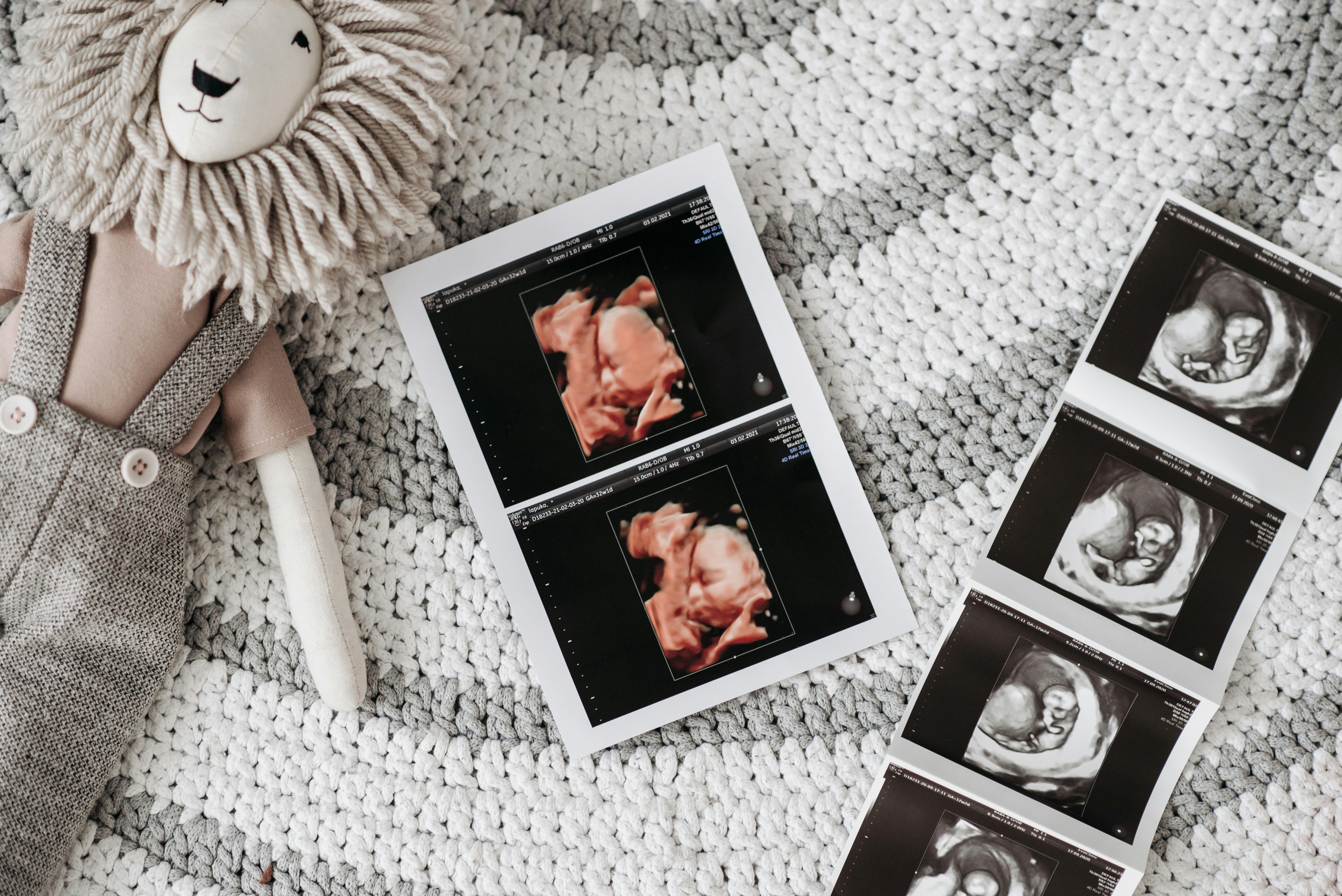
What the Training Actually Covers
Good elective ultrasound training covers more than just pointing a probe at a belly. The curriculum should address:
- Operating the ultrasound machine: controls, presets, and workflow
- Image optimization: adjusting gain, depth, focus, and mode settings to produce quality 3D and 4D images
- Gestational anatomy: understanding what you’re seeing on screen and what gestational windows produce the best imaging results
- Early gender determination, typically at 15 to 16 weeks
- 2D ultrasound techniques in addition to 3D and 4D
- Identifying common findings that should prompt a referral back to the client’s medical provider
- Client session management: how to run a professional, comfortable appointment from check-in to delivery of images
The business side of operation is covered in the turnkey package format — pricing structure, marketing, client communication, and studio operations. For career changers who haven’t run a service business before, that component often proves just as valuable as the scanning instruction.
Is Baton Rouge a Good Market for Elective Ultrasound Training Career Changers?
Baton Rouge is the state capital and Louisiana’s second-largest metro, with a population approaching 900,000 in the broader Capital Region. It has a substantial university presence through LSU, a large healthcare employment base, and a working-age population that skews younger than many comparable Southern cities — all of which support demand for keepsake ultrasound services.
Louisiana’s birth rates sit above the national average, according to Louisiana Department of Health vital statistics, which means Baton Rouge has a consistent inflow of expectant families each month. The city doesn’t currently have the density of established elective ultrasound studios you’d find in a market like Dallas or Charlotte, which leaves meaningful room for a well-trained, well-positioned operator.
For career changers, Baton Rouge offers a reasonably sized market without the overhead pressures of a larger metro. Studio space in suburban areas like Prairieville, Gonzales, and Zachary is affordable relative to central Baton Rouge, and each of those communities has significant residential growth driven by families relocating from the core city.
Hammond as an Alternative or Adjacent Market
Hammond sits about 45 minutes north of New Orleans and an hour east of Baton Rouge, which positions it at the intersection of two major population centers. The city is home to Southeastern Louisiana University and serves as a regional hub for Tangipahoa Parish.
For a career changer who lives in the I-12 corridor or the Northshore, Hammond can be a viable base for a keepsake ultrasound studio without the higher overhead costs of either metro. The trade-off is lower population density — you’ll need to invest more in marketing and potentially serve a wider geographic draw to sustain consistent booking volume.
Some operators in smaller Louisiana markets use a mobile or semi-mobile model to expand their reach, traveling to clients rather than requiring them to come to a fixed location. This approach reduces lease overhead but adds logistical complexity. It’s worth thinking through the operational implications before committing to either model.
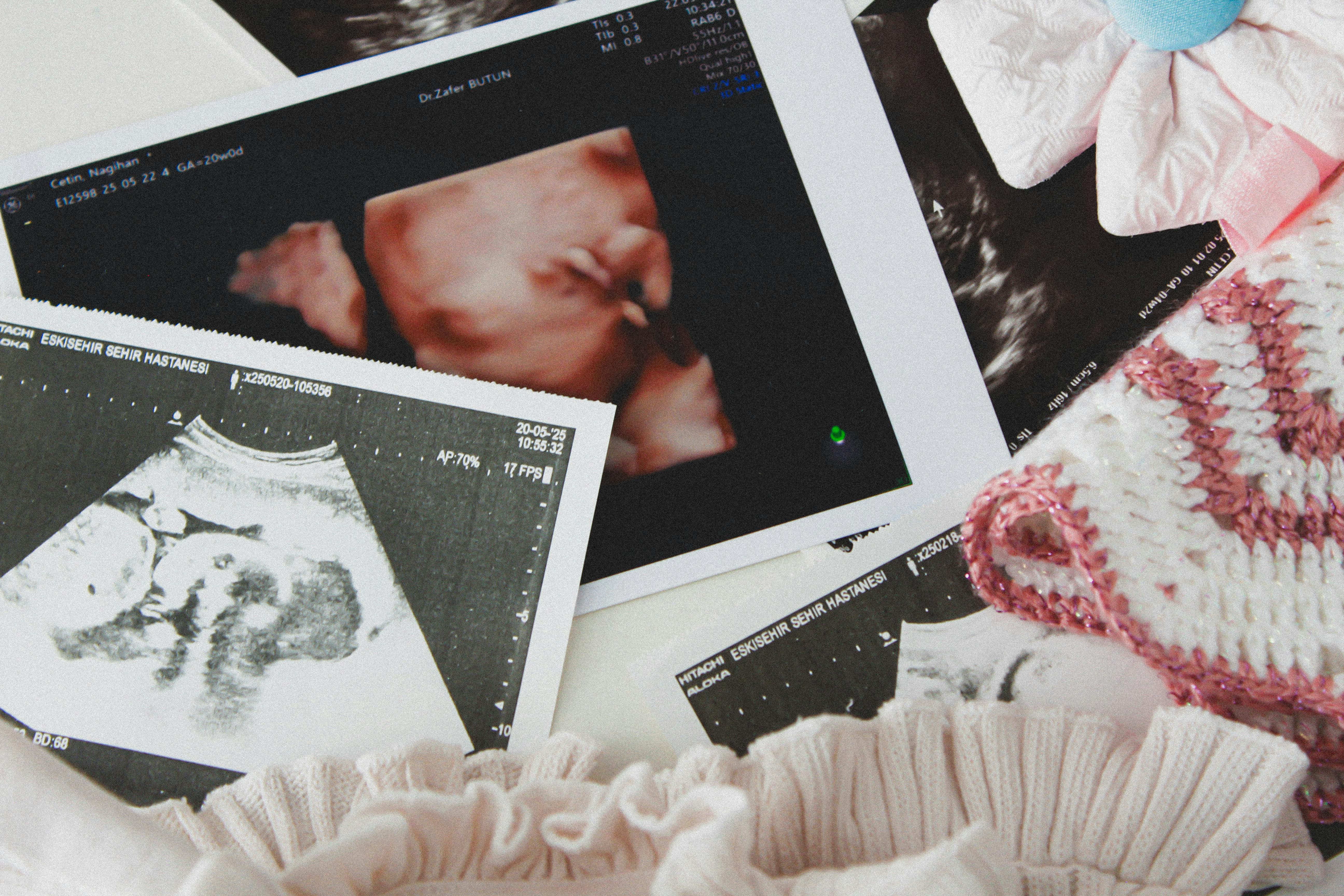
What to Ask Before Choosing a Training Program
Not all elective ultrasound training programs are structured the same way, and the differences matter significantly for someone building a business rather than supplementing an existing clinical role.
Questions worth asking any program before you enroll:
- How much of the training involves live scanning with real clients versus practice on a phantom or mannequin?
- Is the training conducted at your location or at a fixed facility — and does that affect which equipment you use?
- What follow-up support is available after training ends? Phone, email, on-site return visits?
- Does the program cover business operations, pricing, and marketing — or only the technical scanning component?
- What equipment recommendations does the trainer make, and do they sell equipment themselves? (Understanding potential conflicts of interest is useful.)
- Can you speak with someone who completed the program before you commit?
The programs that produce the most capable, confident operators tend to combine rigorous hands-on scanning instruction with real support for the business side of launching. If a program is light on either side, that gap will show up in your first months of operation.
Ultrasound Trainers’ elective 3D/4D ultrasound training covers both the technical and business dimensions of running a keepsake studio, with ongoing support built in. That structure is particularly relevant for career changers who are building from zero rather than transitioning into a support role at an existing studio.
People Also Ask
Ready to Talk Through Your Options in Baton Rouge?
If you’re a career changer evaluating elective ultrasound training in Baton Rouge or elsewhere in Louisiana, Ultrasound Trainers can walk you through what the training involves and how it maps to your specific situation. Get in touch with our team to ask the questions that matter most to you.
Supporting career changers across Louisiana, including Baton Rouge, Hammond, and the Capital Region.
Disclaimer: Elective ultrasound is intended for bonding and keepsake purposes only and is not a substitute for diagnostic ultrasound or medical prenatal care. Clients should continue routine prenatal appointments with their healthcare provider. Business and regulatory requirements vary by location — consult appropriate legal resources before launching. Last updated: May 2025.
Get the Inside Track
Training tips, business advice, and exclusive deals delivered straight to your inbox.

How to Get More Bookings for Your Elective Ultrasound Studio in Montana
Struggling to fill your elective ultrasound booking calendar in Montana? This guide covers what actually[...]

Buying an Elective Ultrasound Machine for an Arkansas Studio: What Actually Matters
Ready to buy an elective ultrasound machine for your Arkansas studio? This guide covers the[...]

How to Build a Pre-Launch Marketing Campaign for Your Elective Ultrasound Studio: A 60-Day Countdown Plan
Pre-launch marketing for an elective ultrasound studio begins 60 days before opening. This 60-day countdown[...]

What Career Changers in Hawaii Need to Know About Elective Ultrasound Training
Considering ultrasound training for a career change in Hawaii? This Q&A guide covers what training[...]

How to Find and Recruit Volunteer Scan Models for Elective Ultrasound Practice
Finding volunteer models for elective ultrasound practice is a skill in itself. Learn where to[...]

How to Write an Elective Ultrasound Business Plan That Actually Works
Writing an elective ultrasound business plan? This guide covers what to include, how to build[...]

How to Open an Elective Ultrasound Business in Honolulu: A Practical Startup Guide
Open an elective ultrasound business in Honolulu with confidence. This guide covers training, startup costs,[...]

Adding Elective Ultrasound to an Existing Photography or Doula Practice in Montana
Montana birth photographers and doulas: adding an elective ultrasound add-on business in Montana to your[...]

Starting an Elective Ultrasound Business in Cheyenne, Wyoming: First-Mover Advantage in the Least-Crowded Market in the Country
Thinking about starting an elective ultrasound business in Cheyenne, Wyoming? This guide covers the F.E.[...]

Elective Ultrasound Training for Career Changers in Sweden
Considering a career change into elective ultrasound in Sweden? Find out what training involves, whether[...]

What Career Changers in Fayetteville Should Know About Elective Ultrasound Training
Thinking about elective ultrasound training in Fayetteville, Arkansas as a career changer? This Q&A guide[...]

The Biggest Mistake Las Vegas Elective Ultrasound Studios Make With Their Marketing
Elective ultrasound studio marketing in Las Vegas prioritizes trust and reviews over ad spend. Here's[...]
