

Elective 3D/4D Ultrasound Training Requirements: A Practical Checklist
What do you need before enrolling in elective ultrasound training? The answer depends on your experience, equipment plan, intended services, and location. This guide separates course preparation from diagnostic credential pathways and gives you a clear checklist for your next step.
Your Starting Point Shapes the Training Plan
Ultrasound Trainers offers elective ultrasound instruction for people with different backgrounds, including beginners, experienced sonographers, current studio owners, and teams. Prior medical experience is not the only route into an Ultrasound Trainers elective program; the appropriate starting point and program depth are determined by your experience and goals.
A beginner may need more time with equipment controls, image orientation, transducer handling, and a structured progression. An experienced sonographer may focus on 3D/4D acquisition, HD-style rendering, elective client workflow, machine-specific optimization, or team consistency.
Before dates are recommended, be ready to discuss your background, planned services, machine or equipment plan, location, preferred training depth, and what you want to accomplish after the program.
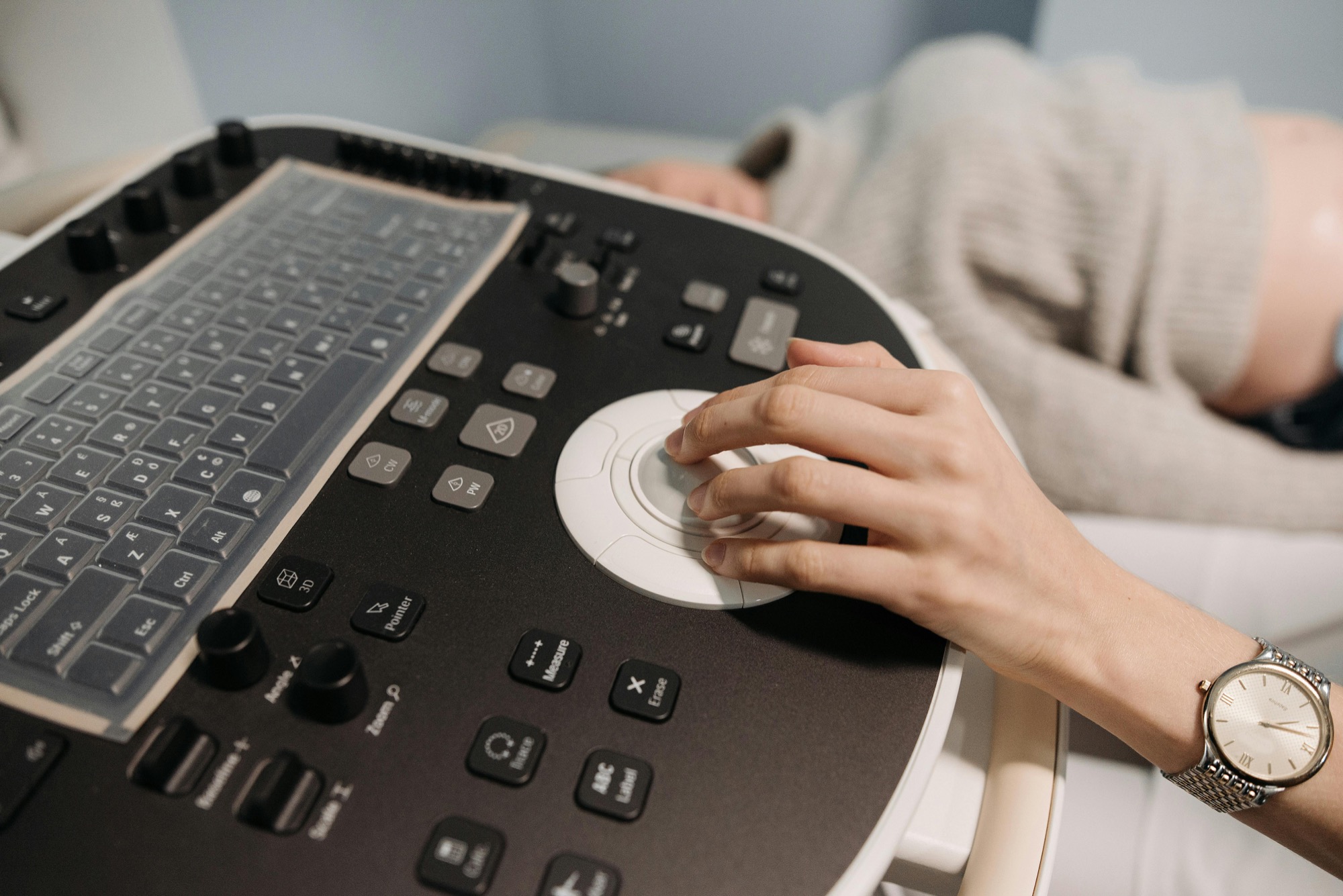
Know Which Question You Are Asking
A clear answer begins by separating preparation for the training course from requirements connected to operating a business or offering services in a particular location.
What You Need to Prepare for Training
These details help Ultrasound Trainers personalize the curriculum and organize your learning experience.
- Your current ultrasound or healthcare experience
- Your intended elective services and goals
- Your ultrasound machine model or equipment plan
- Your desired training dates and location
- Your preferred program depth and priority skills
- Your equipment, workflow, and business questions
What to Confirm for Your Location and Business
Rules and business requirements can vary by country, state, province, city, service scope, and facility type. Confirm the requirements that apply to your exact plan.
- Business registration and local operating requirements
- Insurance appropriate for your services and facility
- Lease, zoning, occupancy, and signage requirements
- Client forms, policies, records, and privacy practices
- Equipment sourcing, maintenance, and manufacturer guidance
- Professional or legal guidance for your intended scope
Preparation Looks Different for Each Trainee
Build a Structured Foundation
Share that you are beginning without prior scanning experience. Your recommendation can emphasize equipment basics, image orientation, transducer movements, guided repetition, elective-session workflow, and additional practice depth.
Identify the Skills You Want to Add
Describe your credentials, specialties, equipment familiarity, and elective experience. Training can focus more directly on volume acquisition, 4D motion, HD-style rendering, gender-reveal workflow, client presentation, or a specific machine.
Define the Workflow to Standardize
Prepare details about your current equipment, services, appointment flow, staff experience, image goals, client delivery, and operational priorities so instruction can support a consistent studio process.
Six Areas to Prepare
You do not need every detail finalized before making contact. These categories simply help you have a productive conversation and receive a recommendation that matches your situation.
Your Background
Summarize the experience that may influence your starting point.
- Ultrasound or healthcare experience
- Previous equipment training
- Current studio or business experience
- Skills you already feel comfortable using
Your Training Goals
Describe what you want to be able to do after training.
- Planned elective service types
- Techniques you want to learn or refine
- Client-workflow objectives
- Business or team-training priorities
Your Equipment Plan
Provide enough information to make the instruction machine-relevant.
- Manufacturer and exact model
- Available transducers and software
- Current condition and installation status
- Media, printer, or image-delivery setup
Your Location
Explain where the private training would take place.
- City, state, province, or country
- Studio or training-room availability
- Equipment location and accessibility
- Preferred travel and scheduling window
Your Preferred Depth
Consider how much guided practice and curriculum coverage you want.
- Focused or comprehensive objectives
- One- to four-day program interest
- Beginner or advanced emphasis
- Scanning versus business-workflow balance
Your Questions
Write down the decisions you want the training consultation to clarify.
- Program recommendation and inclusions
- Equipment and transducer questions
- Preparation and practice expectations
- Pricing, dates, and enrollment steps
Your Machine Information Helps Shape the Training
Training on the system you plan to use connects each lesson to familiar controls, presets, transducers, volume tools, rendering features, storage settings, and media workflow. Send the exact equipment details early so the instructor can prepare.
Manufacturer and Model
Share the full system name, model designation, software version when available, and whether the equipment is new, refurbished, leased, or already in use.
Transducers and Imaging Options
List the probes and enabled 2D, 3D, 4D, or HD-style features so the planned techniques match your system’s configuration.
Installation and Room Readiness
Confirm that the machine can power on, the intended transducers are recognized, the room is accessible, and the display and seating support instruction.
Questions and Current Challenges
Note the controls, presets, image results, saving functions, printer setup, or media-delivery steps you want help understanding.
A Simple Preparation Timeline
Share Your Starting Point
Provide your background, goals, location, machine details, planned services, and preferred timing through the contact form.
Review the Recommendation
Discuss the suggested program length, curriculum emphasis, training location, investment, inclusions, and available dates.
Prepare the Environment
Follow the equipment, room, scheduling, and learning-preparation guidance supplied for your selected program.
Begin Guided Practice
Bring your questions and goals into the training day, then learn through demonstration, scanning, adjustment, feedback, and repetition.
The Goal Is Relevant, Hands-On Instruction
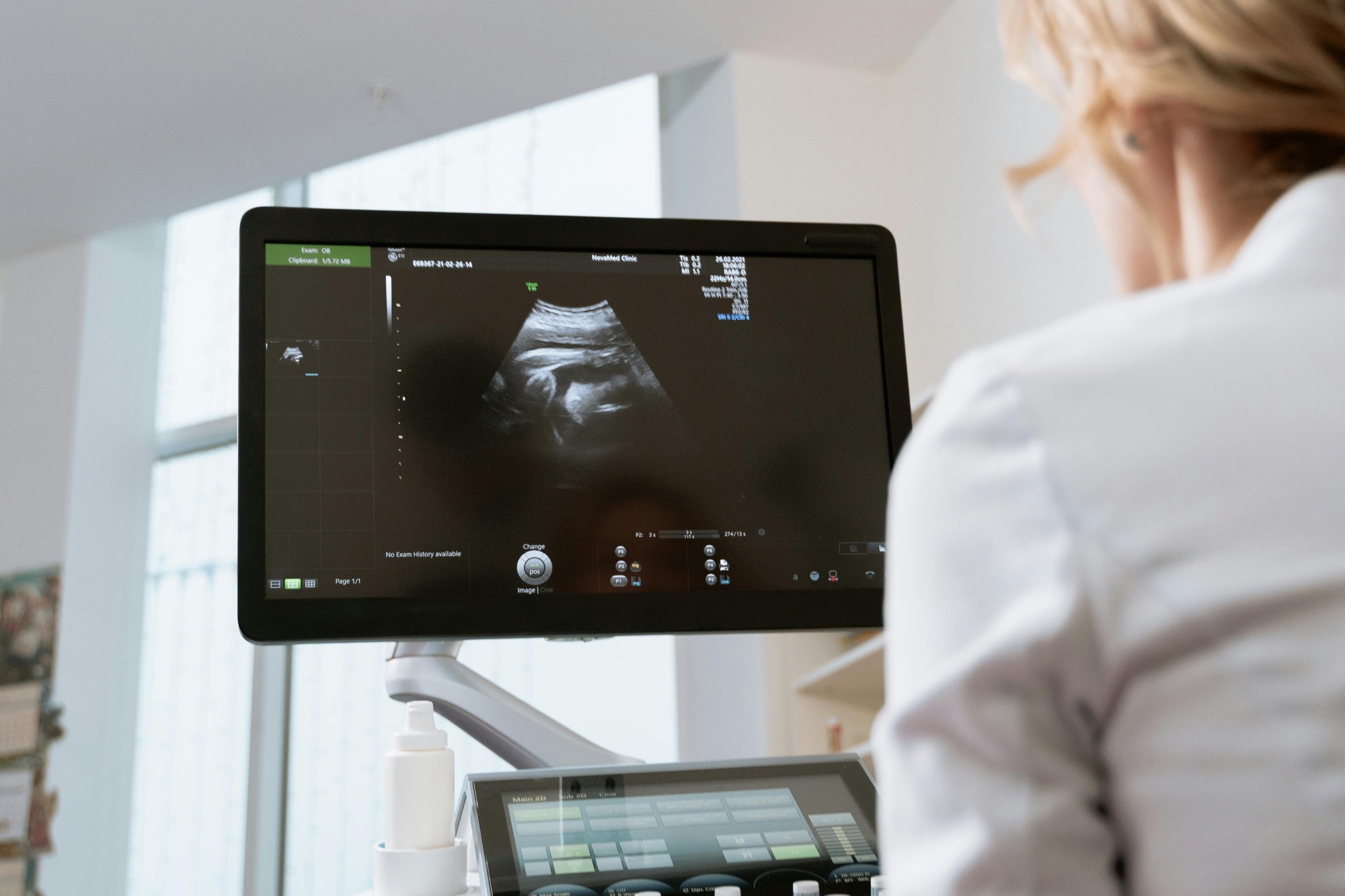
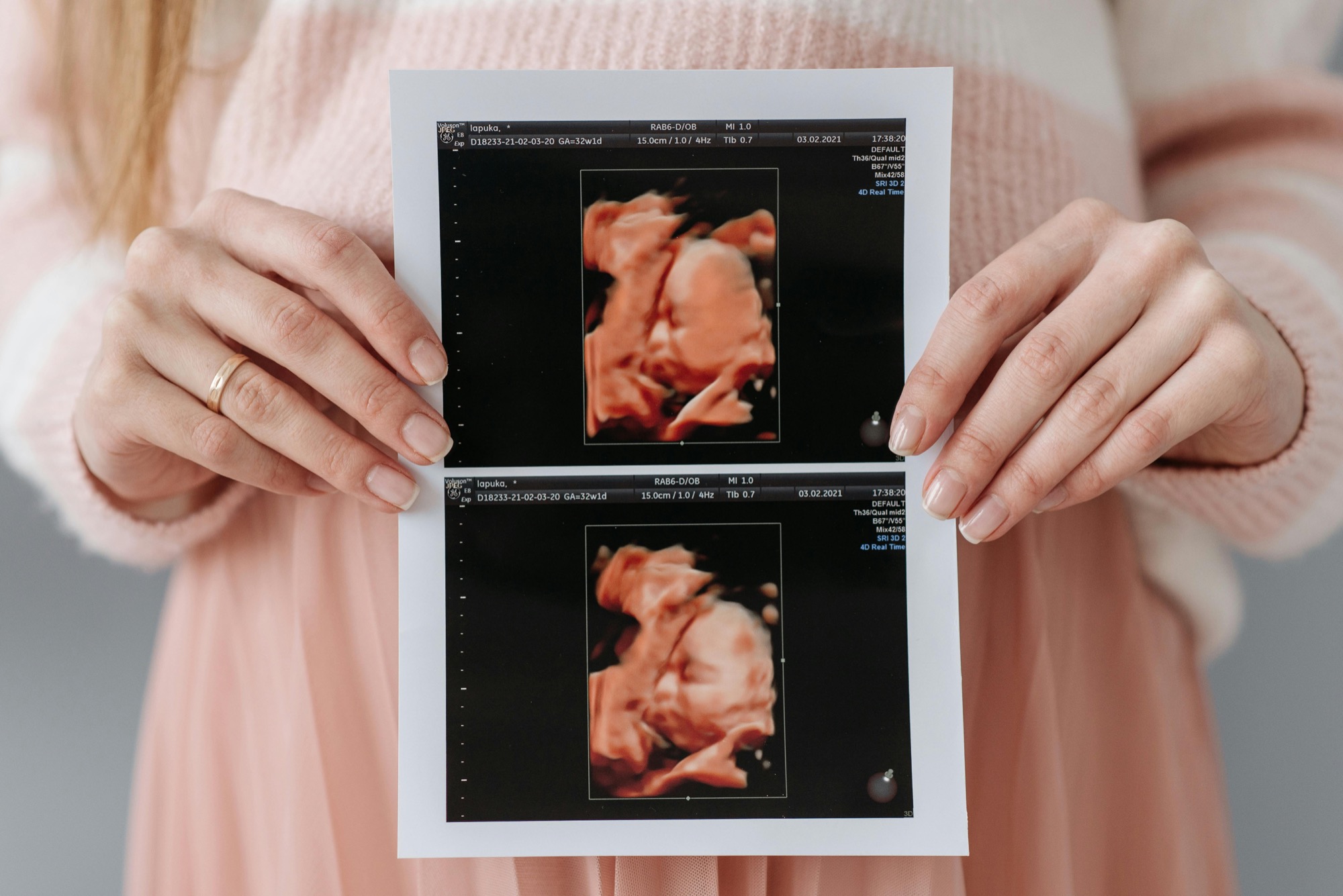
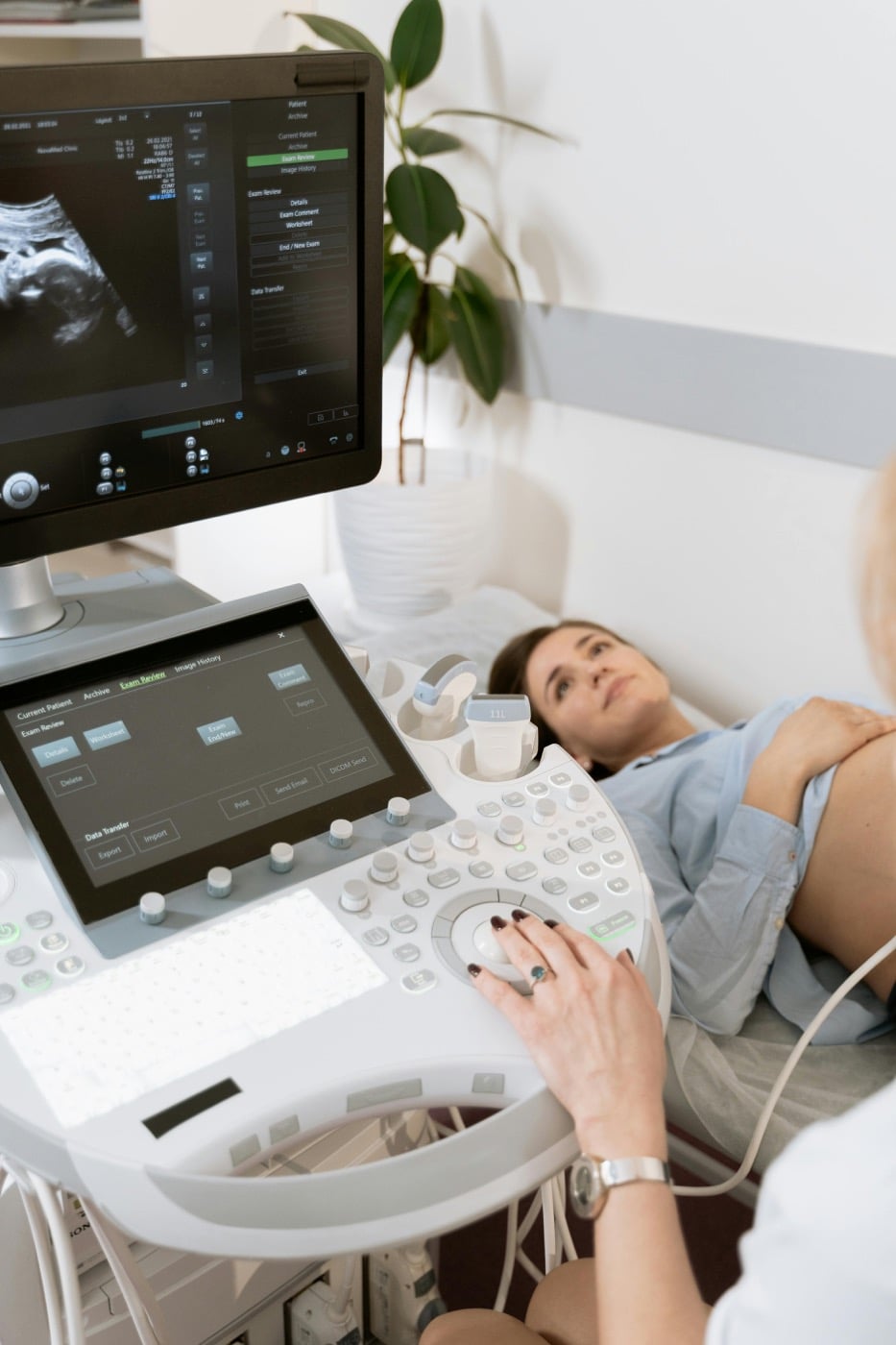
Course Completion and Diagnostic Credentials Are Different Paths
Clear terminology helps you choose the education that matches your intended work and communicate your background accurately.
Elective Training Certificate of Completion
A certificate of completion documents participation in the selected Ultrasound Trainers program. The curriculum is personalized around elective imaging skills, equipment operation, client workflow, and the agreed training goals.
Before advertising services, independently confirm the business, insurance, facility, professional, and operating requirements that apply to your location and intended scope.
Diagnostic Sonography Credential Path
ARDMS credentials follow their own published education, clinical-experience, documentation, and examination prerequisites. Elective course completion should not be presented as an ARDMS credential or a diagnostic-sonography degree.
If your goal is diagnostic employment or an ARDMS credential, review the current ARDMS credential information and speak with an appropriate accredited educational program.
Elective Training Enrollment-Readiness Checklist
You can contact Ultrasound Trainers before every box is complete. Use this list to organize the information needed for a productive program recommendation.
Safety preparation: Training should connect equipment controls and scan workflow to purposeful, efficient use. The FDA ultrasound imaging overview discusses prudent use, and the AIUM ALARA statement addresses output controls, transducer dwell time, and overall scanning time.
To print the preparation sections and checklist, use your browser’s Print command while viewing this page.
Elective Ultrasound Training Requirements FAQ
Do I need previous medical experience to enroll?
Ultrasound Trainers offers pathways for different starting points, including beginners and experienced sonographers. Share your background and goals so the recommended program length and curriculum emphasis can be matched to you.
Do I need to own an ultrasound machine before training?
Your equipment situation should be discussed before scheduling. If you already have a machine, provide its manufacturer, model, transducers, and installed options. If you are still selecting equipment, explain your plan so training and equipment decisions can be coordinated.
What information should I provide when requesting training?
Provide your experience level, intended services, priority skills, equipment details or plan, location, preferred timing, desired program depth, and any imaging, workflow, or business questions.
How long is elective 3D/4D ultrasound training?
Ultrasound Trainers offers private one- to four-day program options. The recommended length depends on your background, equipment familiarity, intended services, desired curriculum coverage, and preferred amount of guided practice.
Does the course include hands-on practice?
Yes. Guided scanning practice is a central part of Ultrasound Trainers’ private instruction. The exact balance of explanation, demonstration, scanning, feedback, and workflow practice depends on your program and learning goals.
Is a certificate of completion the same as an ARDMS credential?
No. A course certificate documents completion of the selected elective training program. ARDMS diagnostic credentials have separate education, clinical-experience, documentation, and examination prerequisites published by ARDMS.
What does elective ultrasound training cost?
Ultrasound Trainers publishes a training investment range of $3,000–$10,000. Your recommendation and quote reflect the selected program length, experience level, training emphasis, location, equipment plan, and included support.
Start With Your Background, Equipment, and Goals
You do not need every decision finalized before reaching out. Share what you know today, and Ultrasound Trainers can explain the available program formats and the preparation needed for your recommended path.

How to Get More Bookings for Your Elective Ultrasound Studio in Montana
Struggling to fill your elective ultrasound booking calendar in Montana? This guide covers what actually[...]

Buying an Elective Ultrasound Machine for an Arkansas Studio: What Actually Matters
Ready to buy an elective ultrasound machine for your Arkansas studio? This guide covers the[...]

How to Build a Pre-Launch Marketing Campaign for Your Elective Ultrasound Studio: A 60-Day Countdown Plan
Pre-launch marketing for an elective ultrasound studio begins 60 days before opening. This 60-day countdown[...]

What Career Changers in Hawaii Need to Know About Elective Ultrasound Training
Considering ultrasound training for a career change in Hawaii? This Q&A guide covers what training[...]

How to Find and Recruit Volunteer Scan Models for Elective Ultrasound Practice
Finding volunteer models for elective ultrasound practice is a skill in itself. Learn where to[...]

How to Write an Elective Ultrasound Business Plan That Actually Works
Writing an elective ultrasound business plan? This guide covers what to include, how to build[...]

How to Open an Elective Ultrasound Business in Honolulu: A Practical Startup Guide
Open an elective ultrasound business in Honolulu with confidence. This guide covers training, startup costs,[...]

Adding Elective Ultrasound to an Existing Photography or Doula Practice in Montana
Montana birth photographers and doulas: adding an elective ultrasound add-on business in Montana to your[...]

Starting an Elective Ultrasound Business in Cheyenne, Wyoming: First-Mover Advantage in the Least-Crowded Market in the Country
Thinking about starting an elective ultrasound business in Cheyenne, Wyoming? This guide covers the F.E.[...]
Elective Ultrasound Training for Career Changers in Sweden
Considering a career change into elective ultrasound in Sweden? Find out what training involves, whether[...]

What Career Changers in Fayetteville Should Know About Elective Ultrasound Training
Thinking about elective ultrasound training in Fayetteville, Arkansas as a career changer? This Q&A guide[...]
The Biggest Mistake Las Vegas Elective Ultrasound Studios Make With Their Marketing
Elective ultrasound studio marketing in Las Vegas prioritizes trust and reviews over ad spend. Here's[...]
Explore all training formats, durations, and programs in our complete elective ultrasound training guide.
