
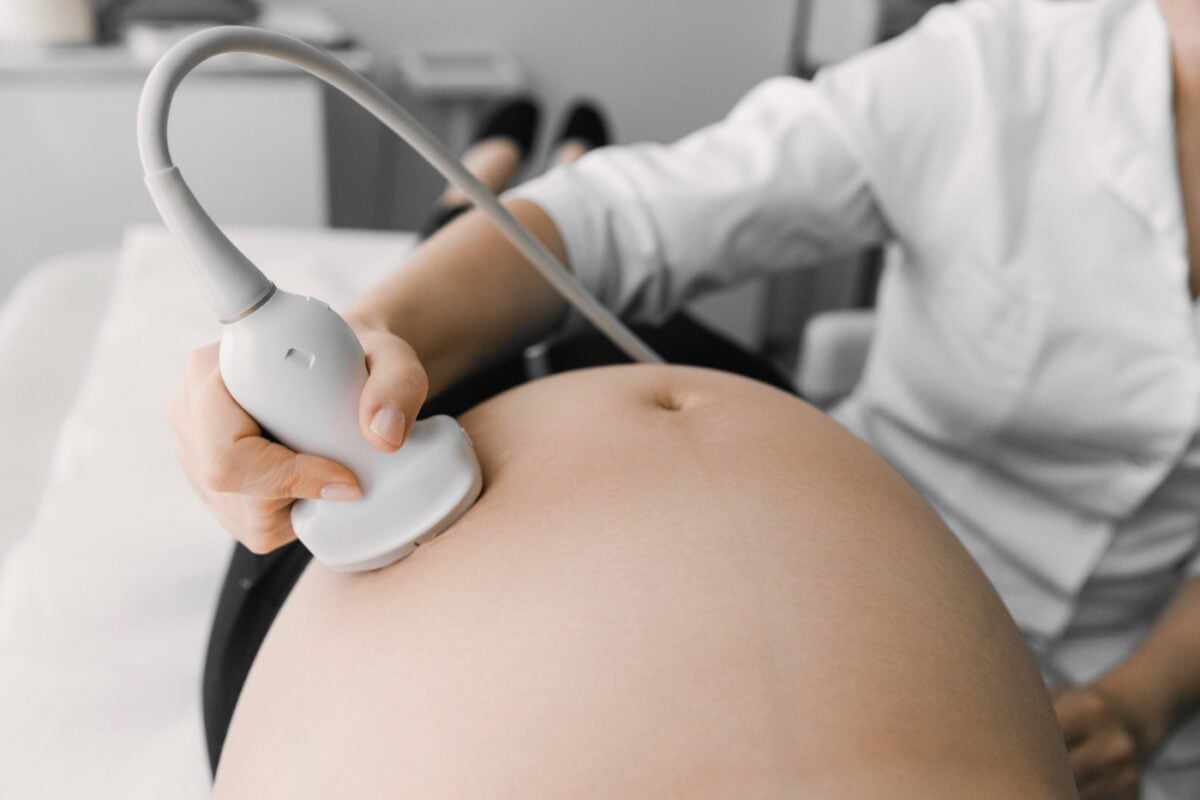
Starting an elective ultrasound business is one of the most exciting ventures in the maternal wellness space. Yet one of the biggest decisions—and investments—you’ll make is selecting the right equipment. The 4D ultrasound machine is the heart of your studio; it determines image quality, customer satisfaction, and even your long-term profitability. Choosing wisely means balancing technology, budget, and business goals.
Whether you’re opening your first studio or upgrading to HD live imaging, this guide walks you through how to choose the best ultrasound equipment for your 3D/4D keepsake studio—so you can deliver stunning results while keeping costs and operations under control.
Understanding Your Studio’s Needs
Before comparing machines, identify your studio’s unique goals. Are you targeting high-volume, fast-turnaround sessions or offering premium, intimate experiences with extended scan times? Your business model will influence what features matter most.
Define your service scope
- 2D/3D/4D Imaging: Most keepsake studios offer all three, but some focus on 4D “live motion” experiences. Make sure your equipment supports the formats you plan to offer.
- HD Live / 5D Imaging: Advanced systems simulate natural skin tones and lighting for ultra-realistic visuals. If your market is competitive, HD live can set you apart.
- Portable vs. Fixed Systems: Decide whether you’ll operate from a permanent location or offer mobile sessions. Portable systems are lighter and less expensive but may offer slightly lower image depth.
Assess your space and workflow
The physical layout of your studio will affect your equipment needs. A small boutique studio may only need one primary ultrasound system, while a multi-room setup might require multiple stations. Consider ergonomics, cable management, and visibility for guests during the scan.
Key Features to Look for in a 4D Ultrasound Machine
1. Image Quality and Resolution
This is non-negotiable. Parents are paying for the experience of seeing their baby’s face clearly—blurry or grainy images will damage your reputation. Look for systems with superior resolution, advanced rendering, and high frame rates for smooth 4D playback.
- HD Live / Realistic Rendering: Adds lifelike lighting and skin-tone detail.
- Frame Rate: A higher frame rate reduces lag during motion scans.
- Probe Sensitivity: High-quality transducers produce cleaner images even with varying maternal body types.
2. User Interface and Ease of Operation
Ultrasound technicians and elective scan operators need an intuitive system to minimize scanning time and maximize client interaction. Choose a system with a responsive touchscreen, customizable presets, and quick-switch options for 2D/3D/4D modes.
3. Portability and Design
If you plan to take your studio on the road—or simply prefer flexibility—portable 4D ultrasound machines are compact and convenient. Larger console systems, however, often provide higher-end visuals and comfort for operators. Match your system’s design to your workflow, not just aesthetics.
4. Software Compatibility and Updates
Many modern ultrasound systems include proprietary software for post-processing, editing, or exporting images. Ensure your system supports the formats your clients expect (USB, video, cloud sharing). Systems that allow software upgrades will extend your investment’s life span.
5. Service and Warranty
Don’t overlook after-sale support. Service warranties, calibration assistance, and access to replacement parts ensure your studio runs smoothly. Partnering with established training and support providers—like Ultrasound Trainers—gives you peace of mind and ongoing technical guidance.
Choosing Between New, Refurbished, and Leased Systems
New Systems
Pros: Latest technology, full warranty, HD Live capabilities, and less risk of downtime.
Cons: Highest upfront cost, often $45,000–$70,000 for a high-end elective system.
Refurbished Systems
Pros: Cost-effective entry point for startups—typically $18,000–$35,000. Quality refurbished units can perform nearly like new when sourced from trusted vendors.
Cons: Shorter warranty, possible cosmetic wear, or limited upgrade potential.
Leased or Financed Systems
Pros: Spread cost over time, maintain cash flow for marketing and studio setup. Leasing is ideal for new owners testing their market before a full purchase.
Cons: May cost more over the long term if not structured properly.
Essential Accessories and Add-Ons
Transducers and Probes
Invest in multiple probe types for different scan depths and maternal body compositions. Having backup probes prevents downtime and ensures flexibility during busy days.
Monitors and Displays
Client-facing monitors enhance the bonding experience. Consider large HD screens or projectors for a cinematic viewing feel. Ensure your monitor setup maintains privacy and easy visibility from all seating positions.
Sound Systems
A soft background playlist and clear sound for heartbeat playback add emotional value to each session. Many studios pair the baby’s heartbeat with keepsake recordings inside plush toys or heartbeat bears.
Storage and Data Security
Reliable data storage is a must. USB and digital transfer systems should be secure and user-friendly. Many modern systems integrate directly with client portals or branded USB packaging for convenience.
Balancing Budget and ROI
When starting an elective ultrasound business, every dollar counts. But instead of viewing your equipment as an expense, see it as an investment in your brand experience and reputation.
- Initial Investment: A well-equipped studio typically requires $50,000–$80,000 all-in, depending on machine and décor choices.
- Revenue Potential: Average keepsake sessions range from $99–$199. With proper marketing and training, break-even can occur within 6–12 months.
- Longevity: A quality system can serve 5–7 years with proper care, training, and upgrades.
Working with Ultrasound Trainers for Equipment and Setup
Ultrasound Trainers specializes in helping entrepreneurs start and scale elective ultrasound studios across the U.S. Their programs combine equipment sourcing, hands-on scanning instruction, and business training to eliminate guesswork. By purchasing your system through an expert partner, you gain access to vendor discounts, proper calibration, and operator confidence before opening day.
“Many successful studio owners say their biggest regret wasn’t buying a better machine—it was waiting too long to upgrade. The right equipment can transform your business trajectory.”
Training and Certification Considerations
Even the most advanced ultrasound system needs a skilled operator. Comprehensive elective ultrasound training ensures consistent, high-quality results that meet client expectations. Proper scanning technique, image optimization, and customer communication turn technology into an unforgettable experience.
Final Checklist: Choosing Your 4D Ultrasound Machine
- ✅ Define your service scope (2D, 3D, 4D, HD Live)
- ✅ Assess your studio layout and workflow
- ✅ Compare new vs. refurbished vs. leased systems
- ✅ Evaluate image quality, resolution, and software flexibility
- ✅ Check warranty and vendor support
- ✅ Budget for accessories and setup
- ✅ Include training and ongoing maintenance
Frequently Asked Questions
A: The ideal system balances image quality, ease of use, and cost. Look for reputable brands with HD Live features, training support, and proven reliability.
A: Refurbished systems are great for budget-conscious startups if they come from a verified vendor with warranty coverage. New systems are ideal for premium studios seeking long-term stability and advanced imaging.
A: With proper care and calibration, quality 3D/4D ultrasound systems can operate efficiently for 5–7 years or more before upgrades are needed.
A: Absolutely. Proper elective ultrasound training ensures safety, consistency, and top-tier image results. Ultrasound Trainers offers programs tailored to new business owners and technicians.
Final Thoughts
Choosing your 4D ultrasound machine is one of the most important decisions in building your elective ultrasound business. It’s not just about technology—it’s about the experience you create for expecting families. Prioritize quality, support, and training, and your investment will pay dividends for years to come.
Are you preparing to open your own 3D/4D ultrasound studio? Share your questions or experiences in the comments below—and if you found this guide helpful, share it with others planning their dream keepsake ultrasound business!

How to Get More Bookings for Your Elective Ultrasound Studio in Montana
Struggling to fill your elective ultrasound booking calendar in Montana? This guide covers what actually[...]

Buying an Elective Ultrasound Machine for an Arkansas Studio: What Actually Matters
Ready to buy an elective ultrasound machine for your Arkansas studio? This guide covers the[...]

How to Build a Pre-Launch Marketing Campaign for Your Elective Ultrasound Studio: A 60-Day Countdown Plan
Pre-launch marketing for an elective ultrasound studio begins 60 days before opening. This 60-day countdown[...]

What Career Changers in Hawaii Need to Know About Elective Ultrasound Training
Considering ultrasound training for a career change in Hawaii? This Q&A guide covers what training[...]

How to Find and Recruit Volunteer Scan Models for Elective Ultrasound Practice
Finding volunteer models for elective ultrasound practice is a skill in itself. Learn where to[...]

How to Write an Elective Ultrasound Business Plan That Actually Works
Writing an elective ultrasound business plan? This guide covers what to include, how to build[...]

How to Open an Elective Ultrasound Business in Honolulu: A Practical Startup Guide
Open an elective ultrasound business in Honolulu with confidence. This guide covers training, startup costs,[...]

Adding Elective Ultrasound to an Existing Photography or Doula Practice in Montana
Montana birth photographers and doulas: adding an elective ultrasound add-on business in Montana to your[...]

Starting an Elective Ultrasound Business in Cheyenne, Wyoming: First-Mover Advantage in the Least-Crowded Market in the Country
Thinking about starting an elective ultrasound business in Cheyenne, Wyoming? This guide covers the F.E.[...]

Elective Ultrasound Training for Career Changers in Sweden
Considering a career change into elective ultrasound in Sweden? Find out what training involves, whether[...]

What Career Changers in Fayetteville Should Know About Elective Ultrasound Training
Thinking about elective ultrasound training in Fayetteville, Arkansas as a career changer? This Q&A guide[...]

The Biggest Mistake Las Vegas Elective Ultrasound Studios Make With Their Marketing
Elective ultrasound studio marketing in Las Vegas prioritizes trust and reviews over ad spend. Here's[...]
Sign up for our newsletter
Sign up for our newsletter and be the first to get the latest updates and exclusive discounts delivered directly to your inbox!
Browse available equipment and get expert selection guidance on our elective ultrasound machines page.
