

Most people who set out to buy an elective ultrasound machine for their studio do not make a catastrophic choice. They make a subtle one: optimizing for the wrong thing. They compare resolution specs on paper, get drawn to a machine that sounds impressive in a brochure, and never ask the questions that actually determine whether that machine will perform well in their hands, in their studio, on the kind of scan sessions they plan to run daily.
Knowing how to buy an elective ultrasound machine properly means understanding what the real variables are. It is less about which machine has the highest number on a spec sheet and more about which machine fits your business model, your training, your budget for ongoing service, and the client experience you are trying to deliver.
To buy an elective ultrasound machine well, define your service offerings first, then evaluate machines on image quality for keepsake use, workflow ease, probe compatibility, service support, and total cost of ownership including maintenance. Never buy based on spec sheets alone. Always prioritize the combination of image quality and operator fit over brand name or price tier. Last Updated: May 2025
The Mistake That Costs Studios Most
Here is the thing most vendors do not tell you upfront: how to buy an elective ultrasound machine starts before you ever talk to a vendor. It starts with a clear definition of what your studio will offer and who your clients will be. Before comparing machine A against machine B, you need to know whether you are primarily offering 3D and 4D bonding scans, whether early gender determination is central to your model, whether HD Live or a comparable rendering mode is part of your brand positioning, and what price tier your market can support.
Buying an elective ultrasound machine without first answering those questions means you may end up with a machine spec’d for a use case that is not yours. The operator who wants primarily high-volume early gender scans has different technical needs from the operator building a boutique experience around stunning HD 3D images. The machine decision follows from the business model decision. Not the other way around.
“The studios that regret their equipment purchase almost always skipped one step: defining what success in the scan room actually looks like before they started comparing machines.”
The Five Variables That Actually Matter
When you are evaluating machines, five variables separate a well-matched purchase from a mismatch.
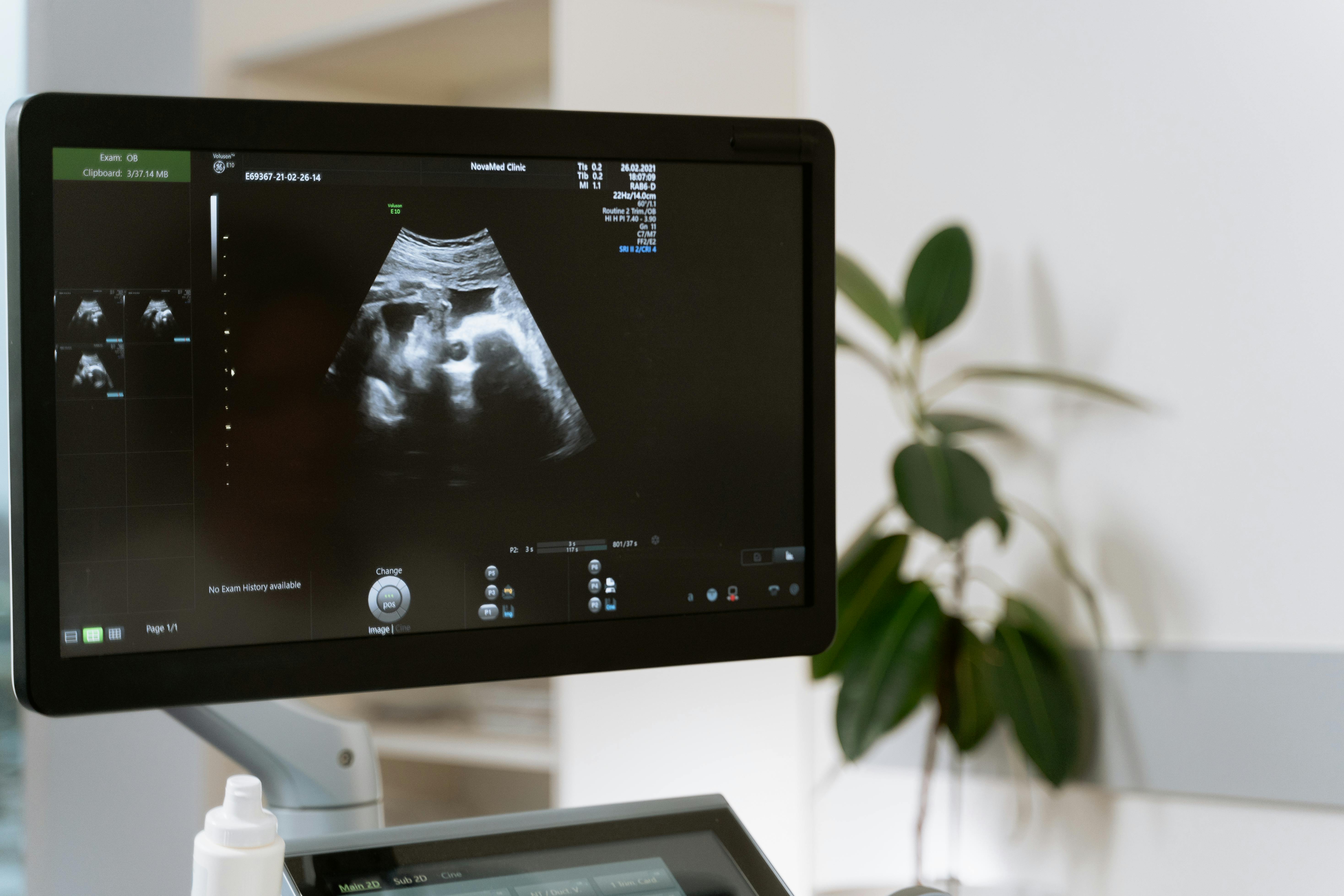
Image quality in elective conditions. This sounds obvious but it is not just about what the machine can produce at its best. It is about what it produces consistently, across a range of scan positions, body types, and gestational ages. A machine that looks spectacular on demonstration scans performed under ideal conditions may produce variable results under the real conditions of daily studio operation. Ask to see the machine used on an actual session, not a promotional video.
Operator workflow fit. Some machines have deep feature sets that reward experienced operators. Others are designed for ease of use and fast access to the most common settings. Neither is objectively better. What matters is whether the workflow matches how you and your team naturally operate. A machine that requires constant menu navigation during a live session creates friction that affects both the operator and the client experience.
Probe compatibility and options. The probe is what produces the image. For elective ultrasound, you need at minimum a 3D/4D convex probe optimized for keepsake imaging. Understanding which probes are available for a given machine, and what they cost, is part of the total purchase evaluation. Some vendors quote attractive machine prices with basic probe packages and do not prominently feature the cost to add the probes you actually need.
Service and support access. An ultrasound machine running daily sessions is subject to wear. Probes need calibration. Software needs updating. Occasionally, components need repair. The quality of service support for the platform you buy determines how long your studio is down when something goes wrong. Ask your vendor what service contracts include, response times for service calls, and whether factory-authorized service is available in your region.
Total cost of ownership. The purchase price is the beginning, not the complete picture. Service contracts, probe replacements, software updates, and eventual machine refresh are all part of the real cost of running equipment in a high-usage studio environment. A machine with a lower upfront cost but limited service support and expensive probe replacement may cost more over five years than a higher-priced machine with comprehensive service coverage.
New vs. Refurbished: What the Real Question Is
Most new studio owners ask this question early. The honest answer is that refurbished machines from reputable sources with verified service histories and current software can deliver excellent results at meaningfully lower acquisition costs. The risk is not the age of the machine. The risk is buying a refurbished unit without adequate documentation of its service history, current probe condition, and software certification.
A refurbished Voluson E10 or Samsung HERA W10 purchased through a reputable vendor with a comprehensive service inspection and warranty provides a different experience from buying a used machine from a private seller with no service documentation. The former can be a smart financial decision. The latter is a gamble that often ends in expensive repairs during a period when your studio can least afford downtime.
According to the Small Business Administration, equipment investment decisions that account for total lifecycle cost rather than acquisition price alone consistently produce better financial outcomes for small businesses. In elective ultrasound, that principle applies directly to machine selection.
Questions to Ask Before Signing a Purchase Agreement
Before committing to any machine, ask these questions and expect clear answers.
What specific probes are included in this configuration, and are they the right probes for 3D, 4D, and early gender determination scanning? What is the software version, and is that version current for this platform? What does the warranty cover, and for how long? Is service support factory-authorized or through a third party? Can I see this machine used on a live scan before purchasing? What is the upgrade path if I want to add features like HD Live later?
Vendors who give clear, confident answers to all of these questions are worth working with. Those who deflect, rush past the service questions, or cannot confirm probe details are telling you something important about the support you will receive after the sale.
According to the American Institute of Ultrasound in Medicine, ongoing equipment maintenance and operator training are both critical to producing consistent, high-quality imaging results. Buying from a source that supports both gives you a foundation the machine alone cannot provide.
Why Pairing Equipment With Training Matters
This is not a sales pitch. It is a practical reality that operators who have bought equipment separately from training learn through experience. A machine performs only as well as the operator running it. The settings, probe positioning, rendering adjustments, and real-time decision-making that produce outstanding keepsake images are skills, not defaults. They are developed through instruction from someone who has done this at a high volume, not through trial and error on paying clients.
Studios that pair their equipment purchase with proper training on that specific machine, whether through the vendor, through a dedicated training program, or ideally through a program that conducts training at your location on your machine, consistently outperform those that buy equipment first and figure out the rest later.
Ultrasound Trainers sells elective ultrasound equipment and helps clients evaluate which machine configuration fits their specific studio goals. If you are in the process of deciding what to buy, get input from a team that works with elective operators daily before you commit.
Explore ultrasound machine options with Ultrasound TrainersLast Updated: May 2025
Get the Inside Track
Training tips, business advice, and exclusive deals delivered straight to your inbox.

How to Get More Bookings for Your Elective Ultrasound Studio in Montana
Struggling to fill your elective ultrasound booking calendar in Montana? This guide covers what actually[...]

Buying an Elective Ultrasound Machine for an Arkansas Studio: What Actually Matters
Ready to buy an elective ultrasound machine for your Arkansas studio? This guide covers the[...]

How to Build a Pre-Launch Marketing Campaign for Your Elective Ultrasound Studio: A 60-Day Countdown Plan
Pre-launch marketing for an elective ultrasound studio begins 60 days before opening. This 60-day countdown[...]

What Career Changers in Hawaii Need to Know About Elective Ultrasound Training
Considering ultrasound training for a career change in Hawaii? This Q&A guide covers what training[...]

How to Find and Recruit Volunteer Scan Models for Elective Ultrasound Practice
Finding volunteer models for elective ultrasound practice is a skill in itself. Learn where to[...]

How to Write an Elective Ultrasound Business Plan That Actually Works
Writing an elective ultrasound business plan? This guide covers what to include, how to build[...]

How to Open an Elective Ultrasound Business in Honolulu: A Practical Startup Guide
Open an elective ultrasound business in Honolulu with confidence. This guide covers training, startup costs,[...]

Adding Elective Ultrasound to an Existing Photography or Doula Practice in Montana
Montana birth photographers and doulas: adding an elective ultrasound add-on business in Montana to your[...]

Starting an Elective Ultrasound Business in Cheyenne, Wyoming: First-Mover Advantage in the Least-Crowded Market in the Country
Thinking about starting an elective ultrasound business in Cheyenne, Wyoming? This guide covers the F.E.[...]

Elective Ultrasound Training for Career Changers in Sweden
Considering a career change into elective ultrasound in Sweden? Find out what training involves, whether[...]

What Career Changers in Fayetteville Should Know About Elective Ultrasound Training
Thinking about elective ultrasound training in Fayetteville, Arkansas as a career changer? This Q&A guide[...]

The Biggest Mistake Las Vegas Elective Ultrasound Studios Make With Their Marketing
Elective ultrasound studio marketing in Las Vegas prioritizes trust and reviews over ad spend. Here's[...]
