
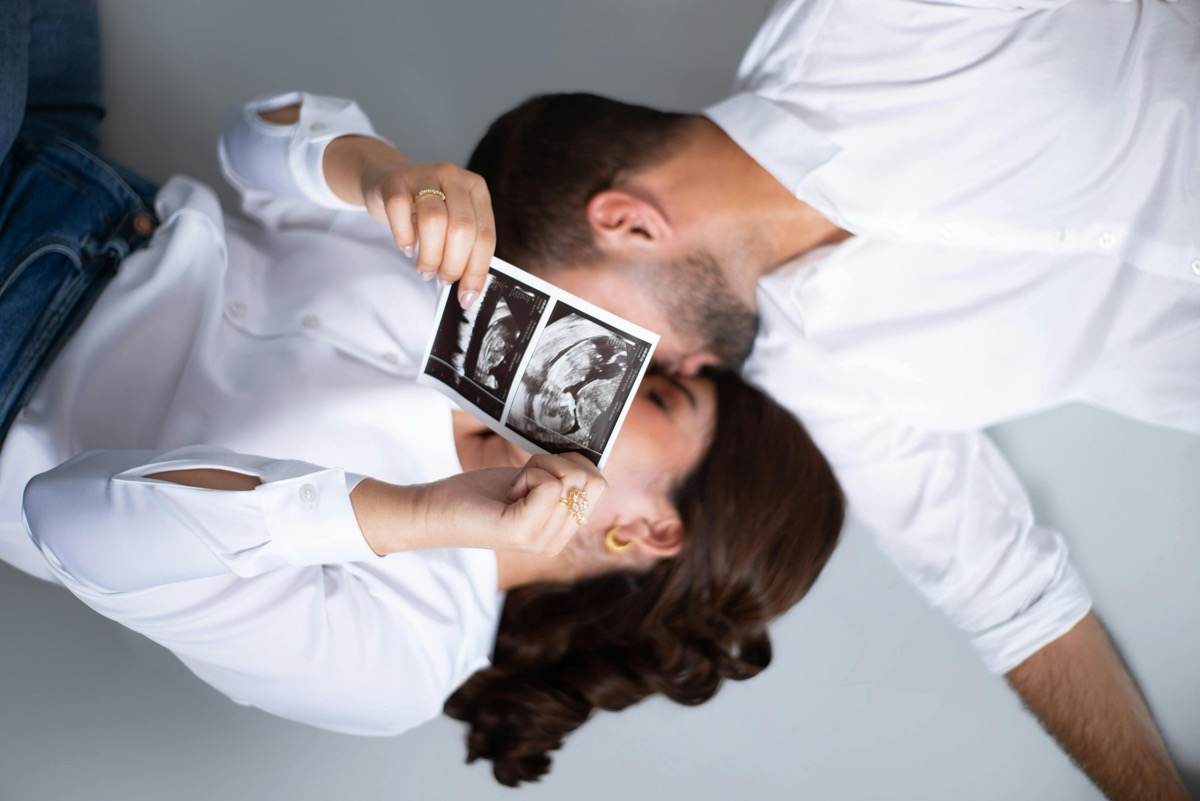
How Gender Determination Ultrasound Training Works: Skills, Practice & Preparation
Gender determination—also called fetal sex identification or a gender-reveal scan—is a specialty elective service that brings image orientation, probe technique, equipment controls, fetal-position awareness, and client communication together in one memorable session.
A Clear View Begins With a Repeatable Process
Gender determination is not one isolated screen image or one memorized probe movement. The trainee learns to understand fetal orientation, locate an appropriate viewing approach, recognize the relevant visual landmarks, optimize the machine, document the view, and guide the family through the reveal experience.
Because fetal position and image visibility change from session to session, training emphasizes an organized sequence rather than a single fixed maneuver. The goal is to know what to assess, which adjustment to try next, and how to keep the appointment warm and well paced.
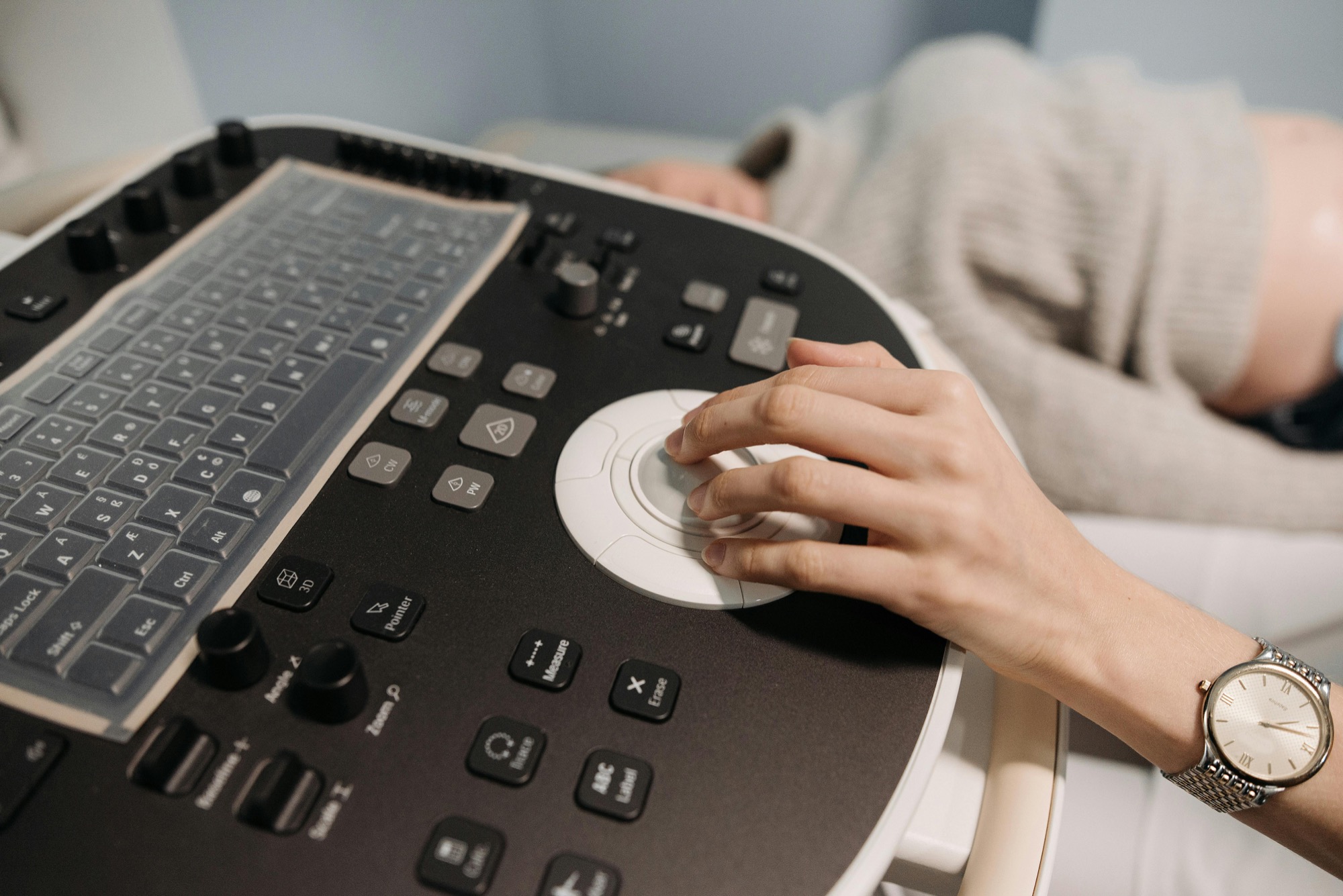
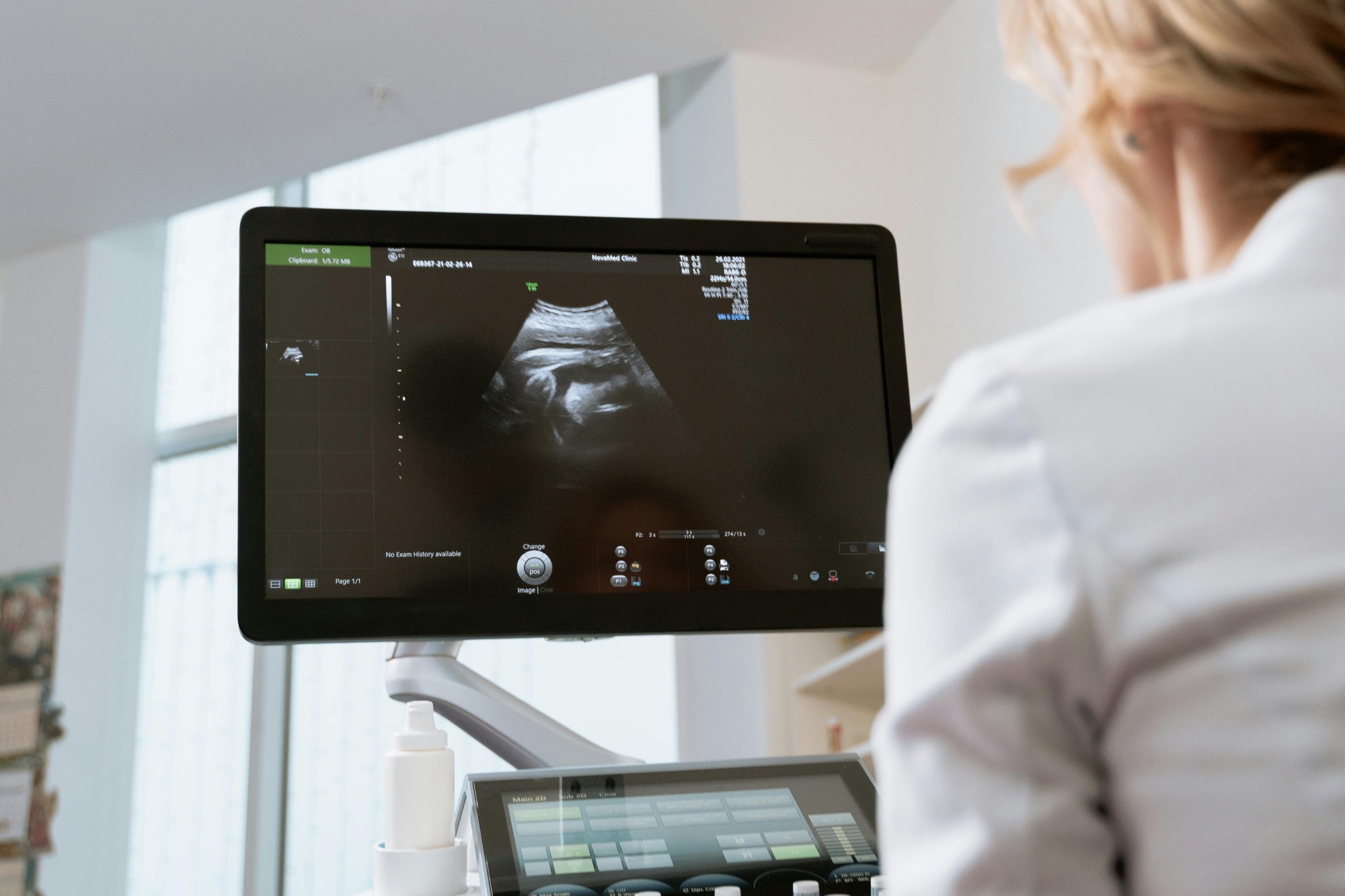
Hands-on instruction helps connect what appears on the monitor to probe angle, direction, pressure, image depth, gain, focus, frequency, zoom, and other system-specific controls. Immediate instructor guidance makes those relationships easier to understand and repeat.
Six Skills Taught During Gender Determination Training
These skills are learned together because each one supports the next. The exact depth and sequence are personalized around the trainee’s starting experience, equipment, and selected program.
Image Orientation
Build a dependable understanding of screen orientation, fetal position, imaging planes, and the visual relationships that help you organize the scan.
Probe Technique
Practice deliberate sliding, rocking, angling, rotating, and pressure adjustments while observing how each movement changes the view.
Landmark Recognition
Learn the relevant visual landmarks and how to evaluate the view systematically within the training program’s taught workflow.
Image Optimization
Use the appropriate preset, depth, gain, focus, frequency, zoom, and other available controls to support a clean, well-framed image.
Documentation
Practice selecting, saving, labeling, and presenting the relevant keepsake images according to the studio’s service workflow and policies.
Client Communication
Guide the family through appointment expectations, the viewing process, reveal preferences, image delivery, and the planned next steps for the service.
From Demonstration to an Organized Scan Sequence
Private instruction allows the learning progression to move at your pace. Each stage adds a layer while your instructor watches both the monitor and the movements creating the image.
Understand the View
Review orientation, relevant visual landmarks, machine setup, and the purpose of each step before scanning.
Observe the Technique
Watch the instructor demonstrate how probe movements and equipment controls work together.
Practice With Guidance
Take control of the equipment and apply the sequence with immediate, specific coaching.
Refine the Image
Make small adjustments to positioning, framing, settings, and documentation while comparing the results.
Repeat the Workflow
Practice the sequence again so the steps become more organized, efficient, and easier to recall.
Training Builds Adaptability Into the Process
Every appointment presents its own combination of fetal position, viewing angle, equipment response, and image clarity. An organized approach helps the trainee make purposeful adjustments.
Reassess Orientation
Pause and confirm fetal position, probe direction, and the image plane before changing multiple controls. A clear orientation check keeps the next movement intentional.
Adjust the Viewing Approach
Practice controlled angle, slide, rotation, rock, and pressure changes while observing the effect of one adjustment at a time.
Optimize the Equipment
Use the machine’s available settings to support appropriate depth, brightness, focus, contrast, framing, and presentation for the current view.
Follow the Studio Workflow
Use the service’s established communication, documentation, reveal, and follow-up process so the family understands how the appointment will proceed.
The Reveal Is a Complete Session, Not Just an Image
Technical skill and client communication work together. Training can help you build a repeatable appointment flow that feels personal, organized, and easy for the family to follow.
Prepare
Confirm the selected service, appointment details, reveal preference, room setup, equipment preset, and media-delivery plan.
Welcome
Explain the appointment flow in friendly language and confirm how the family would like the result presented or recorded.
Scan
Follow the taught orientation, viewing, optimization, and documentation sequence while keeping the family engaged.
Reveal
Present the result according to the family’s preference, save the agreed keepsakes, and complete the studio’s follow-up process.
Practice the words as well as the scan
During training, rehearse how you introduce the session, explain what will happen, describe the viewing process, confirm reveal preferences, and communicate the service’s established next-step policy. A prepared script gives you a consistent foundation while leaving room for a warm, natural conversation.
Connect Technique, Equipment, and Communication
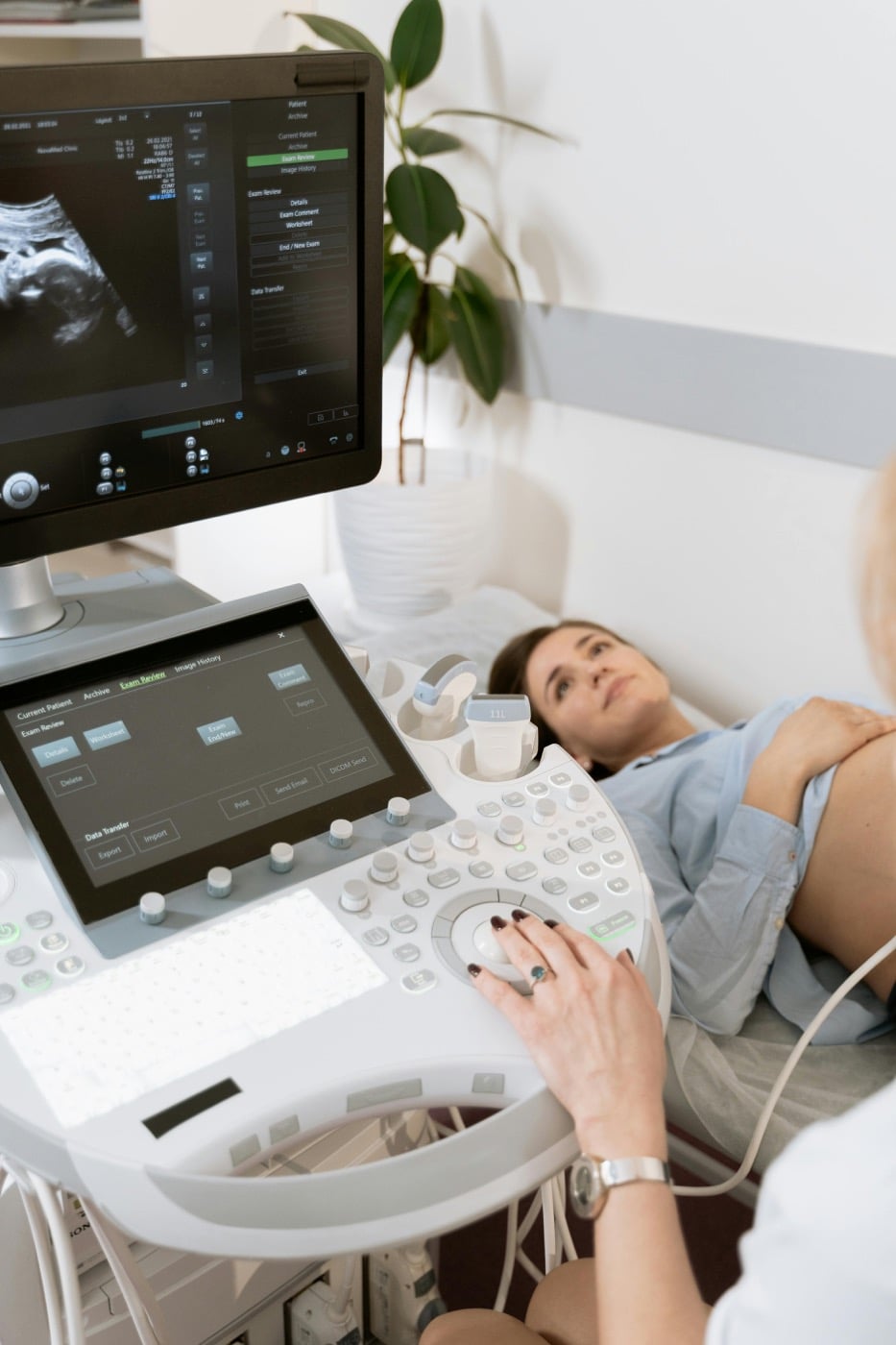
Prepare the Tools That Support the Learning Process
Machine Information to Share
Send your instructor the exact equipment details before training so the program can account for your available controls and workflow.
- Manufacturer and full model name
- Available transducers
- Installed 2D, 3D, 4D, and HD-style options
- Software version when available
- Image-saving, printing, and media-delivery tools
- Current preset or workflow questions
Practice Plan to Discuss
Ask how practice should continue after instruction so you can reinforce the taught sequence thoughtfully and track your progress.
- Skills to practice first
- How to organize supervised or permitted practice
- Which image and workflow details to review
- How to record questions for follow-up support
- When to add services according to your readiness
- How to maintain a consistent studio process
Use a Quality-Focused Practice Loop
There is no universal number of sessions that creates proficiency. Progress depends on the trainee, equipment, instruction, practice quality, feedback, and variety of views encountered.
Select One Focus
Practice a specific element such as orientation, a probe movement, preset setup, image framing, documentation, or client language.
Follow the Sequence
Use the same organized steps taught during training so practice reinforces a repeatable process rather than random adjustments.
Review the Result
Note what produced a clear view, which control or movement helped, and where you want more instructor guidance.
Refine and Repeat
Apply the feedback during the next appropriate practice opportunity and continue building from foundational skills.
Gender Determination Training Preparation Checklist
Use this list to help your instructor understand your starting point and shape the most relevant learning experience.
To print a clean copy of the checklist, use your browser’s Print command while viewing this page.
A Specialty Skill Within a Broader Elective Curriculum
Ultrasound Trainers can include gender-determination technique within private, hands-on elective ultrasound instruction. The program is personalized around your experience, equipment, services, and goals, with one- to four-day options available.
Gender determination works best as part of a connected skill set that includes equipment operation, 2D orientation, probe control, image optimization, 3D/4D acquisition, client workflow, and studio-ready delivery.
Gender Determination Ultrasound Training FAQ
What skills are included in gender determination ultrasound training?
Training can include image orientation, fetal-position awareness, probe movements, relevant visual landmarks, equipment settings, image optimization, documentation, reveal workflow, and client communication. The exact depth depends on your program and starting experience.
When can a studio offer gender-determination scans?
Service timing should follow the training you receive, your studio’s written policies, the capabilities of your equipment, and the requirements applicable to your location and intended services. Image visibility can vary between appointments, so the workflow should also include clear client expectations and next steps.
Do I need prior medical experience to learn this specialty?
Ultrasound Trainers offers pathways for different starting points, including beginners and experienced sonographers. A beginner recommendation may include more foundational instruction and practice depth before adding specialty skills.
Can gender determination be learned through online lessons alone?
Online material can introduce concepts and terminology, while guided hands-on practice connects those concepts to probe movement, equipment controls, orientation, image changes, and session flow. Ultrasound Trainers emphasizes private practical instruction.
How long does it take to become consistent?
There is no universal number of practice sessions. Progress depends on your starting experience, instruction, equipment, quality of practice, feedback, and the variety of views encountered. Use the organized practice loop taught during training and add services according to your readiness and applicable requirements.
Should I train on the machine I plan to use?
Machine-relevant training is valuable because controls, presets, transducers, image-processing tools, storage, and media workflows vary by model. Provide the exact manufacturer and model before scheduling whenever possible.
Is gender determination taught separately from 3D/4D imaging?
It can be emphasized as a specialty, but it also relies on broader equipment, orientation, probe-control, image-optimization, documentation, and client-workflow skills. Ultrasound Trainers can integrate it into a personalized elective curriculum.
Build Gender Determination Skills Through Guided Practice
Tell Ultrasound Trainers about your experience, equipment, planned services, and learning goals. We can explain how gender-determination technique fits into the program length and curriculum recommended for you.

How to Get More Bookings for Your Elective Ultrasound Studio in Montana
Struggling to fill your elective ultrasound booking calendar in Montana? This guide covers what actually[...]

Buying an Elective Ultrasound Machine for an Arkansas Studio: What Actually Matters
Ready to buy an elective ultrasound machine for your Arkansas studio? This guide covers the[...]

How to Build a Pre-Launch Marketing Campaign for Your Elective Ultrasound Studio: A 60-Day Countdown Plan
Pre-launch marketing for an elective ultrasound studio begins 60 days before opening. This 60-day countdown[...]

What Career Changers in Hawaii Need to Know About Elective Ultrasound Training
Considering ultrasound training for a career change in Hawaii? This Q&A guide covers what training[...]

How to Find and Recruit Volunteer Scan Models for Elective Ultrasound Practice
Finding volunteer models for elective ultrasound practice is a skill in itself. Learn where to[...]

How to Write an Elective Ultrasound Business Plan That Actually Works
Writing an elective ultrasound business plan? This guide covers what to include, how to build[...]

How to Open an Elective Ultrasound Business in Honolulu: A Practical Startup Guide
Open an elective ultrasound business in Honolulu with confidence. This guide covers training, startup costs,[...]

Adding Elective Ultrasound to an Existing Photography or Doula Practice in Montana
Montana birth photographers and doulas: adding an elective ultrasound add-on business in Montana to your[...]

Starting an Elective Ultrasound Business in Cheyenne, Wyoming: First-Mover Advantage in the Least-Crowded Market in the Country
Thinking about starting an elective ultrasound business in Cheyenne, Wyoming? This guide covers the F.E.[...]
Elective Ultrasound Training for Career Changers in Sweden
Considering a career change into elective ultrasound in Sweden? Find out what training involves, whether[...]

What Career Changers in Fayetteville Should Know About Elective Ultrasound Training
Thinking about elective ultrasound training in Fayetteville, Arkansas as a career changer? This Q&A guide[...]

The Biggest Mistake Las Vegas Elective Ultrasound Studios Make With Their Marketing
Elective ultrasound studio marketing in Las Vegas prioritizes trust and reviews over ad spend. Here's[...]
Explore all training formats, durations, and programs in our complete elective ultrasound training guide.
