

Beginner Training Guide
A medical background is not the only possible starting point for learning elective 3D/4D ultrasound. A beginner needs structured education in ultrasound fundamentals, equipment controls, probe orientation, image acquisition, prudent exposure, client communication, and the defined scope of a non-diagnostic service. Hands-on practice and equipment-specific instruction are central parts of that preparation. Requirements for owning or operating a studio can vary by location, so training and local business review should be planned together.
What Does a Non-Medical Elective Ultrasound Technician Do?
An elective ultrasound technician creates a family-centered viewing and keepsake imaging experience. The operator uses 2D imaging to establish orientation and obtain useful views, then applies 3D, 4D, or HD-style rendering tools to create images and video for the family.
The appointment is organized around bonding, viewing, image quality, and thoughtful client care. It is separate from diagnostic medical ultrasound and does not replace prenatal care or a medical examination. Medical questions stay with the client’s qualified healthcare provider.
Some operators work in studios they own. Others join an established elective studio or add an elective service within an existing business. Job titles and allowable business structures differ by location, which makes it important to connect training decisions with the requirements that apply where the service will operate.
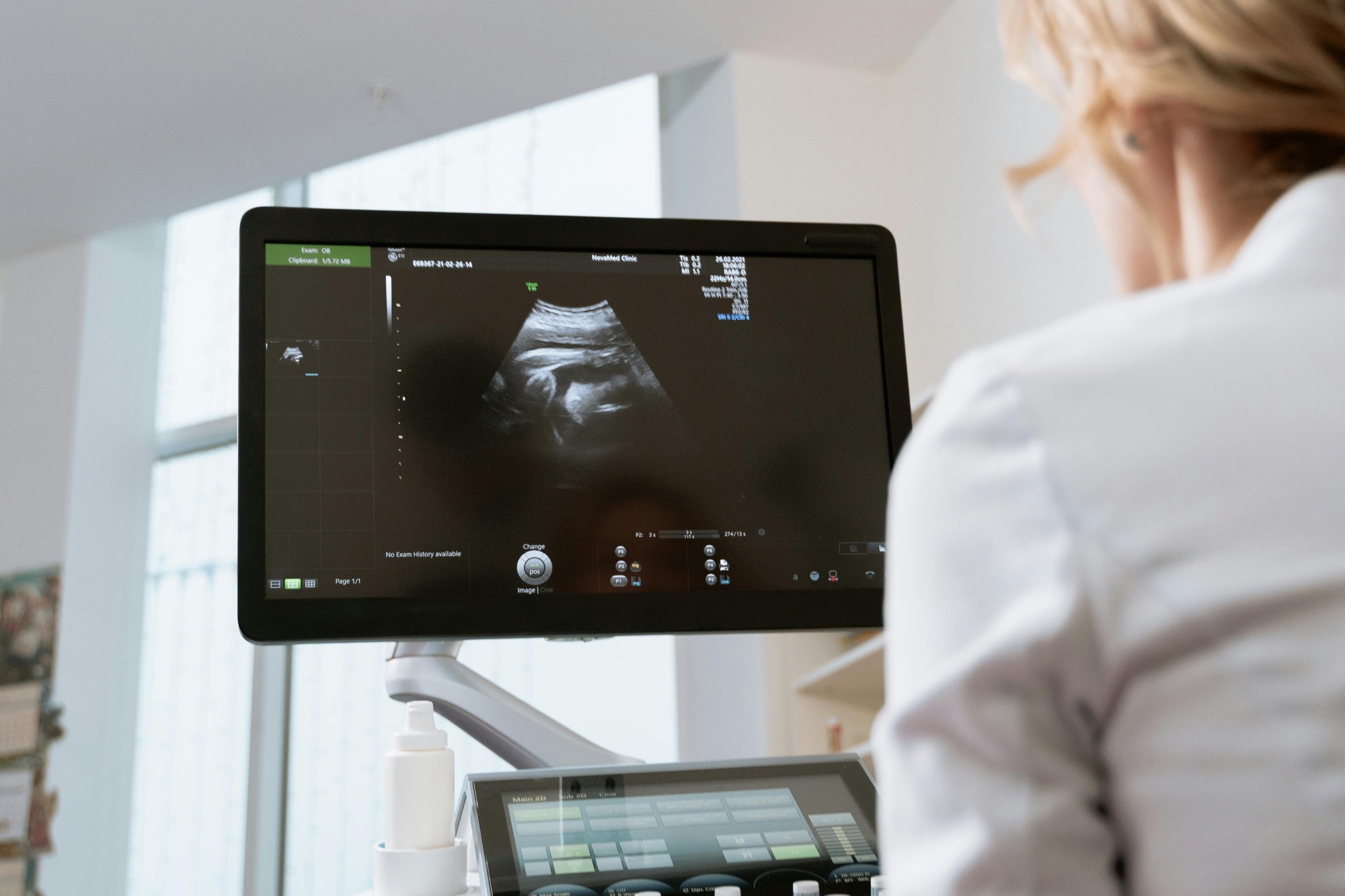
Training Requirements and Operating Requirements Are Different
People often use the word “requirements” to mean two separate things. Understanding the difference makes it easier to plan your next step.
Training Preparation
This is the knowledge and supervised practice needed to use the equipment, acquire elective images, communicate the service accurately, and follow a consistent client workflow. The starting curriculum should match your current experience.
Local Operating Requirements
These can include business registration, ownership rules, professional qualifications, insurance, facility requirements, advertising language, consent documents, recordkeeping, and healthcare relationships. The details depend on the jurisdiction and service model.
Training completion does not automatically determine where or how a person may operate. Before committing to a business model, confirm the rules that apply with the appropriate state or local agencies and qualified legal, insurance, and healthcare advisors.
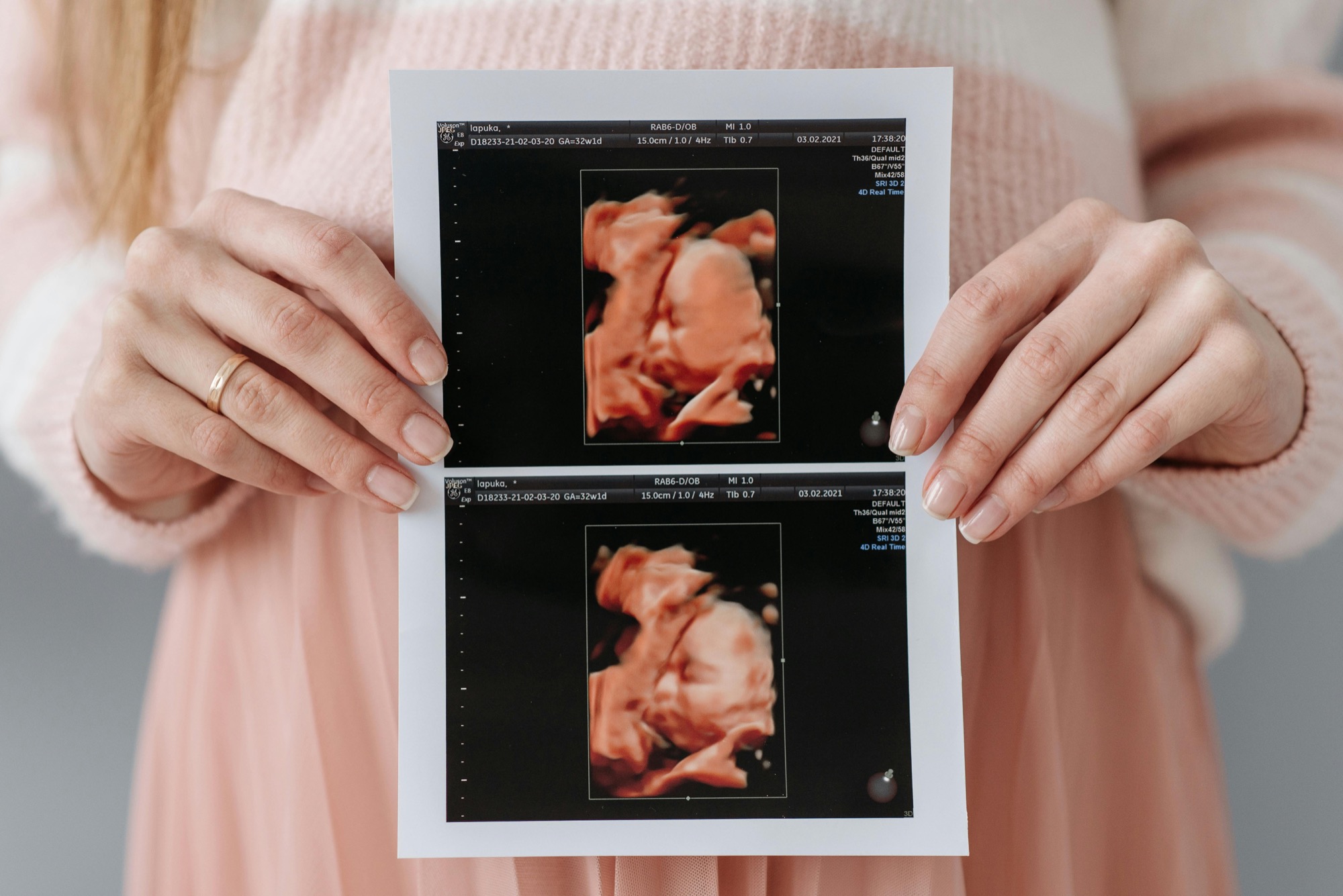
The Core Skills a Beginner Should Develop
A strong beginner program should build skills in a deliberate order. The goal is to help the learner understand what the equipment is displaying, make purposeful adjustments, acquire repeatable images, and guide a professional elective appointment.
The complete curriculum may be personalized, but the foundation should address each area below.
- Ultrasound foundations: image formation, terminology, transducers, modes, and displayed output indicators
- Equipment controls: presets, depth, gain, focus, zoom, saving, and image-delivery workflow
- Probe orientation: hand position, directional movement, scanning planes, and visual coordination
- 2D image acquisition: establishing useful views that support 3D and 4D volume acquisition
- 3D/4D rendering: volume-box placement, acquisition, rendering controls, and image optimization
- Prudent use: purposeful scanning, suitable settings, exposure awareness, and efficient technique
- Client experience: positioning, expectations, family participation, privacy, and image presentation
- Service boundaries: explaining the non-diagnostic scope and routing medical questions appropriately
Why Hands-On Training Matters for a New Operator
Reading and video lessons can introduce concepts, but scanning is a physical skill. The learner must coordinate hand movement, pressure, angle, machine controls, client positioning, and screen interpretation in real time.
Learn the Controls
Identify the functions used during a session and understand what each adjustment changes on screen.
Practice Orientation
Connect probe direction and movement with the image so navigation becomes intentional and repeatable.
Acquire Images
Build from useful 2D views into 3D/4D volume acquisition and rendering with instructor feedback.
Run the Session
Practice communication, positioning, image delivery, and the full flow of an elective appointment.
See what private hands-on 3D/4D ultrasound training looks like.
What Does an Elective Training Certificate Mean?
A certificate from an elective ultrasound course documents completion of that provider’s training program. It can help demonstrate that the learner completed structured instruction, but it is not the same as a diagnostic medical sonography credential.
Diagnostic credentials, such as the Registered Diagnostic Medical Sonographer credential, have separate education, clinical-experience, and examination prerequisites. Those credentials are designed for diagnostic medical sonography roles.
For a future elective operator, the practical questions are whether the program matches the intended non-diagnostic service, includes meaningful supervised scanning, works with the equipment the learner will use, and prepares the learner for an organized client experience.
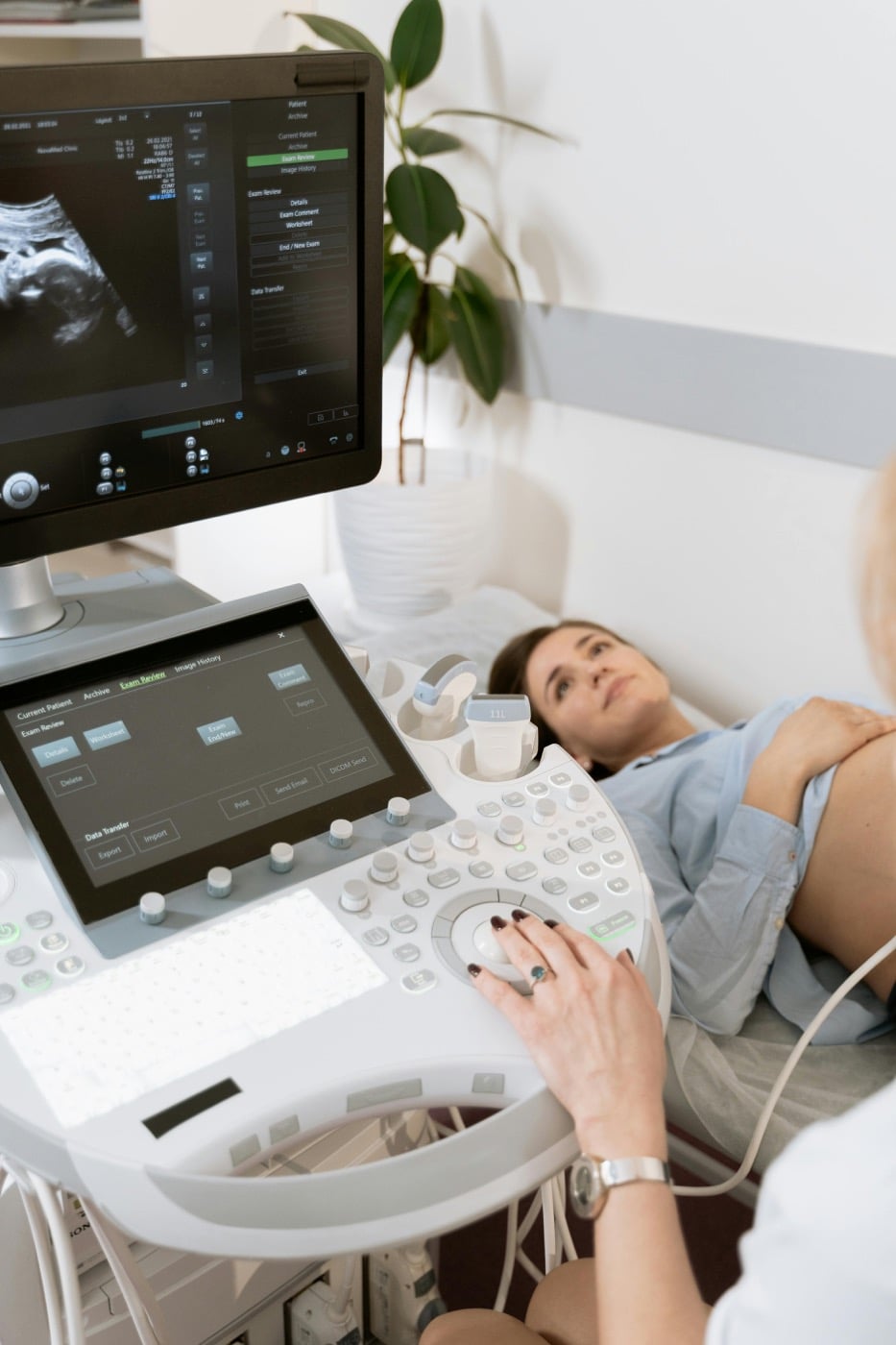
How a Beginner Training Path Can Be Organized
A new learner and an experienced sonographer should not receive identical instruction. The beginner path starts with fundamentals and builds toward supervised elective scanning and studio workflow.
| Stage | Main objective | What to confirm |
|---|---|---|
| Before training | Define the intended elective service and learning goals | Your background, location, timeline, equipment status, service model, and training format |
| Foundation instruction | Understand the equipment and how images are formed | Controls, terminology, probes, orientation, 2D foundations, and prudent-use concepts |
| Guided scanning | Develop coordinated technique with direct feedback | Probe handling, useful views, 3D/4D acquisition, rendering, and image optimization |
| Workflow practice | Connect scanning with the client experience | Booking expectations, consent, positioning, family flow, image delivery, and medical-question procedures |
| After training | Continue deliberate practice and prepare operations | Equipment access, practice arrangements, written policies, insurance, local review, and launch planning |
Ultrasound Trainers offers a dedicated training path for people without a medical background. Program emphasis and duration can be discussed after reviewing the learner’s starting point and goals.
Beginner Readiness Checklist
You do not need to have every answer before speaking with a trainer. These questions help make the first conversation productive and reveal what should be researched alongside training.
- I understand that elective imaging and diagnostic sonography serve different purposes.
- I know the city, state, or country where I plan to train or operate.
- I have described my medical, scanning, customer-service, or business experience accurately.
- I know whether I want to own a studio, join a studio, or add a service to an existing business.
- I have identified whether I already own an ultrasound machine or need equipment guidance.
- I am looking for supervised hands-on scanning, not only self-paced theory.
- I will review applicable ownership, licensing, insurance, consent, and advertising requirements.
- I can arrange appropriate practice and continued skill development after training.
- I am prepared to use written procedures that define the elective scope.
- I know my approximate timeline for training and opening or joining a studio.
Professional guidance belongs in the plan. The U.S. Food and Drug Administration and the American Institute of Ultrasound in Medicine publish information on ultrasound use, operator preparation, and exposure awareness. Review current guidance with qualified local advisors and incorporate applicable requirements into training and studio policies.
Frequently Asked Questions
Can I learn elective ultrasound without being a sonographer?
Ultrasound Trainers provides a beginner path for people without prior scanning experience. The instruction begins with fundamentals and supervised practice. Whether a person may own, operate, or work within a specific studio model also depends on the rules that apply in the location.
Do I need a medical degree for elective 3D/4D ultrasound training?
A medical degree is not an enrollment requirement for the Ultrasound Trainers beginner path. Your program should be matched to your current background, and you should separately verify any qualifications or operating requirements that apply where you plan to provide services.
Does an elective ultrasound course make me an RDMS?
No. An elective course certificate documents completion of that training program. The RDMS is a diagnostic medical sonography credential with its own education, clinical-experience, and examination prerequisites.
What should I learn before practicing 3D and 4D imaging?
Begin with ultrasound fundamentals, system controls, probe orientation, scanning planes, and 2D image acquisition. Those skills provide the foundation for useful 3D/4D volumes, rendering, and image optimization.
Is online learning enough for a complete beginner?
Online materials can help introduce concepts, but a beginner also benefits from supervised hands-on scanning. Real-time instructor feedback is important for probe movement, orientation, equipment adjustments, image acquisition, and session workflow.
Should I buy an ultrasound machine before training?
Not necessarily. Discuss equipment plans with the training provider before purchasing. Your service goals, budget, desired imaging features, warranty, service availability, and training compatibility can all influence the right choice.
What should I do after completing beginner training?
Continue purposeful practice, become familiar with the equipment you will use, document your client workflow, confirm local operating requirements, arrange suitable insurance and professional advice, and complete the remaining studio-launch steps appropriate to your business model.
Start With a Training Plan Built for Your Experience
Tell Ultrasound Trainers about your background, equipment plans, location, and goals. We can help you identify the private elective training path and preparation steps that fit your starting point.
View Training & Enrollment Discuss Your Training Goals
How to Get More Bookings for Your Elective Ultrasound Studio in Montana
Struggling to fill your elective ultrasound booking calendar in Montana? This guide covers what actually[...]

Buying an Elective Ultrasound Machine for an Arkansas Studio: What Actually Matters
Ready to buy an elective ultrasound machine for your Arkansas studio? This guide covers the[...]

How to Build a Pre-Launch Marketing Campaign for Your Elective Ultrasound Studio: A 60-Day Countdown Plan
Pre-launch marketing for an elective ultrasound studio begins 60 days before opening. This 60-day countdown[...]

What Career Changers in Hawaii Need to Know About Elective Ultrasound Training
Considering ultrasound training for a career change in Hawaii? This Q&A guide covers what training[...]

How to Find and Recruit Volunteer Scan Models for Elective Ultrasound Practice
Finding volunteer models for elective ultrasound practice is a skill in itself. Learn where to[...]

How to Write an Elective Ultrasound Business Plan That Actually Works
Writing an elective ultrasound business plan? This guide covers what to include, how to build[...]

How to Open an Elective Ultrasound Business in Honolulu: A Practical Startup Guide
Open an elective ultrasound business in Honolulu with confidence. This guide covers training, startup costs,[...]

Adding Elective Ultrasound to an Existing Photography or Doula Practice in Montana
Montana birth photographers and doulas: adding an elective ultrasound add-on business in Montana to your[...]

Starting an Elective Ultrasound Business in Cheyenne, Wyoming: First-Mover Advantage in the Least-Crowded Market in the Country
Thinking about starting an elective ultrasound business in Cheyenne, Wyoming? This guide covers the F.E.[...]

Elective Ultrasound Training for Career Changers in Sweden
Considering a career change into elective ultrasound in Sweden? Find out what training involves, whether[...]

What Career Changers in Fayetteville Should Know About Elective Ultrasound Training
Thinking about elective ultrasound training in Fayetteville, Arkansas as a career changer? This Q&A guide[...]

The Biggest Mistake Las Vegas Elective Ultrasound Studios Make With Their Marketing
Elective ultrasound studio marketing in Las Vegas prioritizes trust and reviews over ad spend. Here's[...]
Explore all training formats, durations, and programs in our complete elective ultrasound training guide.
