
How to Inspect a Used Ultrasound Machine Before Buying: The Questions That Actually Matter
Last Updated: April 15, 2026
This post answers exactly one question: how do you inspect a used ultrasound machine before buying it so you know what you are actually getting? If you are evaluating a pre-owned 4D elective ultrasound machine, this is the practical guide to the inspection process — what to check, what to ask, and what red flags stop the purchase.
Buying a used elective ultrasound machine is one of the largest purchasing decisions in starting or upgrading a keepsake studio. The inspection process protects that decision. Getting it right means arriving at the evaluation with a structure, not just curiosity.
What Does “Inspecting” a Used Ultrasound Machine Actually Mean?
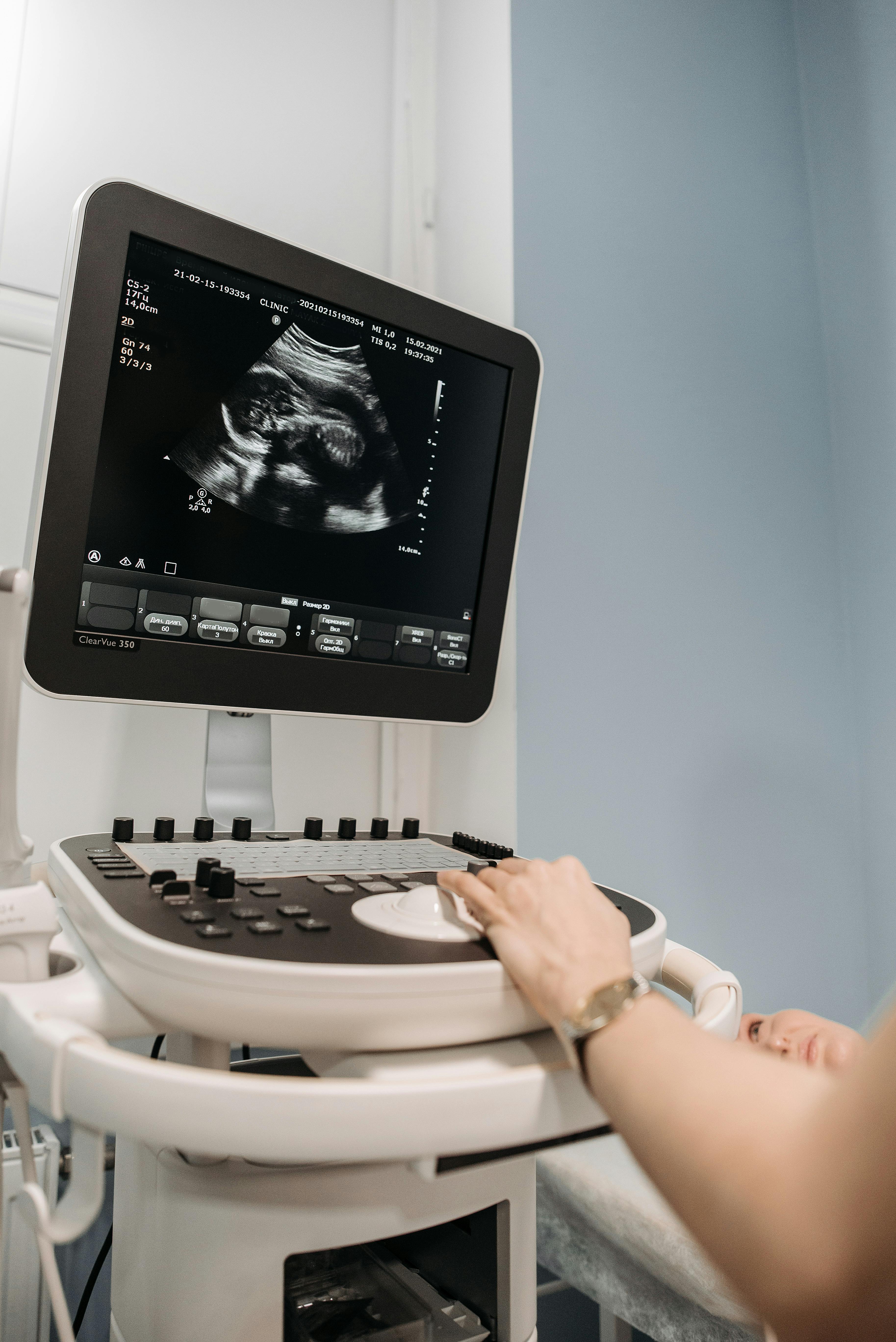
Learning how to inspect a used ultrasound machine before buying means going beyond a visual walkround and a power-on test. A thorough inspection evaluates the machine’s physical condition, the probe’s performance in a live scan, the documentation history, and the seller’s transparency about what they know and do not know about the unit’s service history.
Most buyers who regret a used equipment purchase did not do a bad inspection — they skipped the inspection or relied on the seller’s description rather than a firsthand evaluation. The purpose of a structured inspection is to replace the seller’s narrative with your own direct observations. Those observations are the foundation for any purchase decision you make.
What Should You Check on the Machine Itself?
The physical inspection of the machine starts before it is powered on. Look at the housing for cracks, impact damage, or repair patches that suggest the machine has been dropped or mishandled. Check the cart and wheels for stability — a machine that is wheeled between rooms frequently should show clean, functioning casters. Examine all port connections for damage, corrosion, or evidence of improvised repairs. The condition of the physical housing often reflects how the machine was used and stored even before you have evaluated any technical performance.
Once powered on, note how long startup takes compared to the manufacturer’s specification for that model. Listen for unusual sounds during startup or during mode switching. Navigate through the main menus and mode controls deliberately — a machine with an aging or failing hard drive often shows this in slow or inconsistent menu response rather than in the scan image itself. Check that all buttons, touchscreen areas, and physical controls respond correctly. Any non-responsive or erratic control is a red flag that warrants explanation from the seller.
Review the machine’s on-board service log if accessible. Some platforms track error codes and service events in a system log that can reveal issues the seller did not disclose. Ask the seller to access this alongside you if it is available on their model.
What Should You Test in a Live Scan?
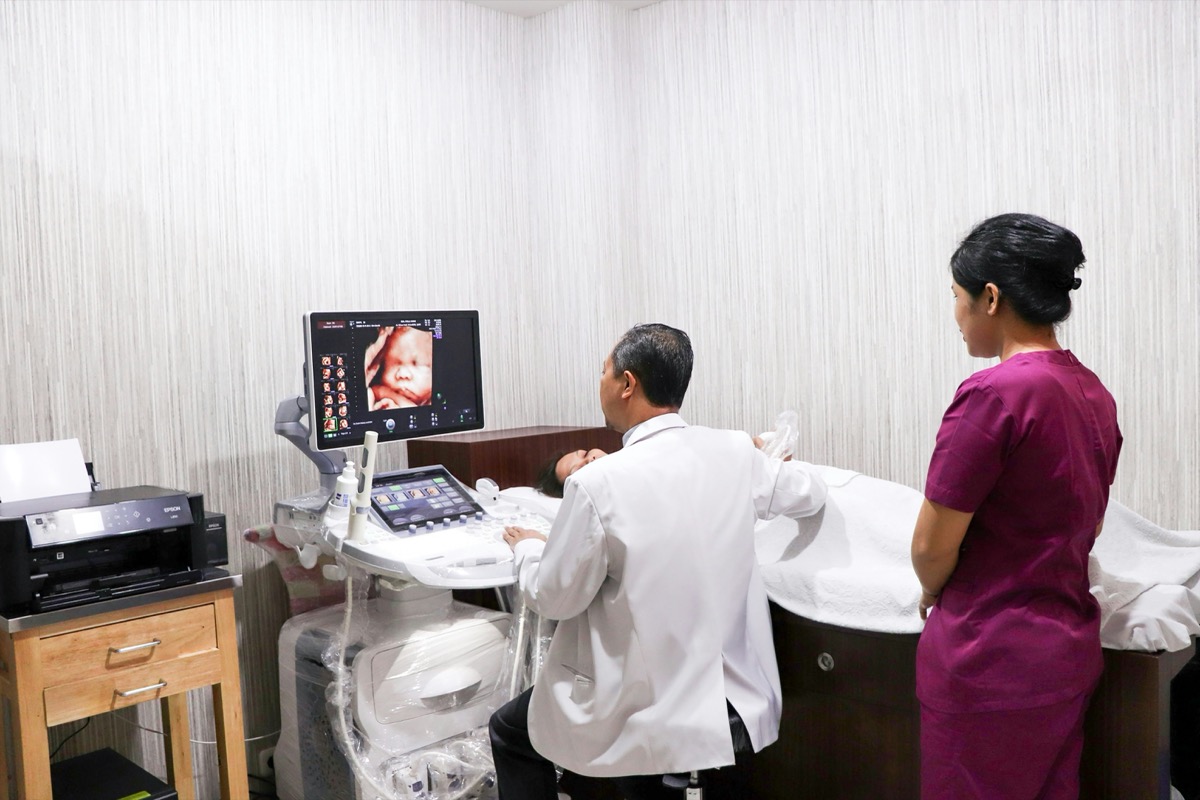
The live scan evaluation is the single most important component of the inspection. This is where the probe’s actual current condition becomes visible in a way that no visual inspection of the probe housing can replicate. Ask to scan a live subject at the gestational age most representative of your client base — typically in the second or early third trimester for elective keepsake purposes. If a live subject is not available, a scan phantom provides some useful information but does not replicate the variability of a real clinical scenario.
In the live scan, evaluate 2D image sharpness and resolution at the depth range you will use most often. Then assess 3D and 4D rendering quality: how quickly does the machine build the 3D volume, how does image clarity hold at the depth and body type being scanned, and how does the image respond when the subject moves or the probe angle changes slightly? A strong probe in a well-maintained machine responds smoothly to these conditions. A probe showing wear produces images that are noticeably softer, noisier, or inconsistent across the scan field.
During the live scan, ask to adjust gain and depth settings yourself. A well-functioning machine should respond predictably and quickly to these adjustments. Watch for image artifacts — streaks, shadow patterns, or areas of the scan field where image quality degrades noticeably — since these can indicate probe crystal dropout or other hardware issues that affect real session performance.
What Documentation Should Come With the Machine?
Documentation is the paper trail that converts a seller’s claims into verifiable information. A well-documented machine demonstrates that its maintenance history is real and accessible, not reconstructed from memory. The documentation you should expect — and ask for — with any serious used machine purchase includes the full service history from initial installation to the present, records of any probe replacements or repairs, firmware and software version history, original purchase documentation confirming the machine’s original specs and accessories, and all original manuals and technical documentation.
Not every seller will have perfect documentation, particularly for older machines or private sales between individual studio owners. But the extent and quality of what they can produce is itself informative. A seller who has maintained clear records throughout ownership is telling you something about how the machine was treated. A seller who cannot produce any service history is asking you to take their word for the machine’s condition, which is a meaningfully higher-risk position than a documented purchase.
The Small Business Administration (SBA) consistently advises buyers of significant business equipment to verify service documentation as a standard due diligence step. In the elective ultrasound context, where the machine is the primary revenue-generating asset, this principle is especially well applied.
What Red Flags Should Stop the Purchase?
Some findings in an inspection are yellow flags — things worth discussing and factoring into the price negotiation. Others are genuine red flags that should stop the purchase unless specifically resolved. The difference matters because pressing through a red flag often leads to the exact outcome the inspection was meant to prevent.
Red flags that warrant stopping or significantly restructuring the purchase include a probe that shows clear visual damage such as cracks, missing coupling material, or deformed housing; scan images that show consistent artifact patterns, uneven field quality, or noticeably soft resolution that cannot be explained by settings or subject conditions; a machine that behaves inconsistently during the inspection — slow startup, non-responsive controls, erratic mode switching; and a seller who is unwilling to allow a full inspection, resists documentation requests, or becomes evasive when asked about the machine’s repair history.
A seller’s reluctance to support a thorough inspection is often the most informative red flag of all. A machine that can withstand scrutiny is a machine the seller is typically happy to have you examine carefully. Resistance to examination is not always a sign of bad faith — but it always warrants additional caution before proceeding.
How Do You Evaluate the Seller?
The seller evaluation is not separate from the machine inspection — it is part of it. The seller’s knowledge, transparency, and support posture tell you what the post-sale experience will look like if questions or issues arise after the transaction closes.
A seller who demonstrates genuine knowledge of the machine’s specifications, service history, and known limitations — and who volunteers information rather than waiting to be asked — is showing you a quality of transparency that has real value in a high-stakes equipment transaction. A seller who cannot answer basic technical questions about the machine they are selling, deflects questions about history, or frames every inquiry as evidence of buyer distrust is showing you something equally informative about what to expect.
Ask specifically about post-sale support: is any technical support available after the transaction closes? What happens if a problem emerges within the first 30 or 60 days? Understanding the seller’s post-sale commitment is part of evaluating total purchase risk, not a secondary concern.
What Questions Should You Ask About Post-Sale Support?
Post-sale support for a pre-owned elective ultrasound machine is often less structured than the support that comes with new equipment, but it is not absent — and asking about it directly distinguishes sellers who will stand behind their machines from those who see the transaction as complete at the moment of payment.
Ask whether any warranty period comes with the machine. Ask what happens if a technical issue surfaces within 30 days of purchase — is the seller willing to address it, and how? Ask whether the machine’s original manufacturer still supports service calls for this model and whether parts are currently available. Ask whether there is a qualified technician in your area who works on this brand and model. These are practical, specific questions that yield practical, specific information rather than general assurances.
Bottom Line: What a Good Inspection Actually Tells You
A well-structured inspection of a used elective ultrasound machine does not guarantee a problem-free purchase. It does something more useful: it replaces uncertainty with information. After a thorough inspection, you know the probe’s current condition from a live scan rather than from the seller’s description. You know the machine’s service history from documentation rather than from memory. You know the seller’s transparency level from direct observation rather than from their listing copy.
Knowing how to inspect a used ultrasound machine before buying is, at its core, knowing how to replace the seller’s narrative with your own direct evidence. When that evidence supports the purchase, you buy with genuine confidence. When it raises questions that cannot be resolved, you have the information you need to walk away before the problem becomes yours.
If you are evaluating a used machine purchase for your elective ultrasound studio and want a knowledgeable perspective on what to look for specifically, reach out to Ultrasound Trainers. We work with buyers on equipment evaluation regularly and can help you understand what strong condition looks like for the models you are considering.
People Also Ask
Can I request an independent technician inspection before buying a used ultrasound machine?
Yes, and doing so for any major used equipment purchase is a reasonable request. An independent ultrasound technician or biomedical equipment specialist can evaluate the machine’s hardware condition, probe performance, and electronic systems more thoroughly than a visual inspection and live scan alone. Reputable sellers who have confidence in their machine’s condition should be willing to accommodate this request. Resistance to a third-party inspection is a significant caution signal.
What is the most common hidden problem with used elective ultrasound machines?
Probe degradation that is not obvious from physical inspection but shows clearly in image quality. Probe wear is gradual rather than sudden, and a seller who has been using a machine with a declining probe may have simply normalized the image quality drop over time. The live scan evaluation is specifically designed to surface this, which is why it is the most important component of any used machine inspection.
How do I know if the asking price for a used machine is reasonable?
Research comparable listings for the same make, model, and approximate age with similar probe and condition descriptions. The spread between high-documentation and low-documentation listings for the same model gives you a sense of the condition premium in the current market. Working with an equipment professional who has current market experience for your specific model category is the most reliable way to calibrate what a fair price looks like before you negotiate.
Is it safe to buy a used elective ultrasound machine without a warranty?
Possible, but it increases your risk exposure. Warranty or return terms, even informal ones agreed upon between a seller and buyer, give you some recourse if a significant issue surfaces shortly after purchase. Buying without any post-sale protection means absorbing the full cost of any problem that emerges. Price your risk accordingly: a machine without warranty should be discounted relative to a comparable machine that comes with some form of post-sale coverage.
This guide was developed by the Ultrasound Trainers team, which supports elective ultrasound studio owners with equipment selection, purchasing guidance, and training across the United States. The inspection framework here reflects what we see work reliably when buyers approach used equipment evaluation with structure rather than impressions alone.
Last Updated: April 15, 2026
Get the Inside Track
Training tips, business advice, and exclusive deals delivered straight to your inbox.

How to Get More Bookings for Your Elective Ultrasound Studio in Montana
Struggling to fill your elective ultrasound booking calendar in Montana? This guide covers what actually[...]

Buying an Elective Ultrasound Machine for an Arkansas Studio: What Actually Matters
Ready to buy an elective ultrasound machine for your Arkansas studio? This guide covers the[...]

How to Build a Pre-Launch Marketing Campaign for Your Elective Ultrasound Studio: A 60-Day Countdown Plan
Pre-launch marketing for an elective ultrasound studio begins 60 days before opening. This 60-day countdown[...]

What Career Changers in Hawaii Need to Know About Elective Ultrasound Training
Considering ultrasound training for a career change in Hawaii? This Q&A guide covers what training[...]

How to Find and Recruit Volunteer Scan Models for Elective Ultrasound Practice
Finding volunteer models for elective ultrasound practice is a skill in itself. Learn where to[...]

How to Write an Elective Ultrasound Business Plan That Actually Works
Writing an elective ultrasound business plan? This guide covers what to include, how to build[...]

How to Open an Elective Ultrasound Business in Honolulu: A Practical Startup Guide
Open an elective ultrasound business in Honolulu with confidence. This guide covers training, startup costs,[...]

Adding Elective Ultrasound to an Existing Photography or Doula Practice in Montana
Montana birth photographers and doulas: adding an elective ultrasound add-on business in Montana to your[...]

Starting an Elective Ultrasound Business in Cheyenne, Wyoming: First-Mover Advantage in the Least-Crowded Market in the Country
Thinking about starting an elective ultrasound business in Cheyenne, Wyoming? This guide covers the F.E.[...]

Elective Ultrasound Training for Career Changers in Sweden
Considering a career change into elective ultrasound in Sweden? Find out what training involves, whether[...]

What Career Changers in Fayetteville Should Know About Elective Ultrasound Training
Thinking about elective ultrasound training in Fayetteville, Arkansas as a career changer? This Q&A guide[...]

The Biggest Mistake Las Vegas Elective Ultrasound Studios Make With Their Marketing
Elective ultrasound studio marketing in Las Vegas prioritizes trust and reviews over ad spend. Here's[...]
