

Last Updated: April 15, 2026
The answer changes everything about how you plan your business financially.
Knowing how long a 4D ultrasound machine lasts is not just an interesting technical question. It determines how you depreciate the equipment on your taxes, when you budget for replacement, how you evaluate the cost difference between new and refurbished, and how you think about the machine’s contribution to your business over time. Equipment decisions made without this knowledge tend to produce financial surprises — and in a capital-intensive business like an elective ultrasound studio, surprises in the equipment budget are rarely welcome.
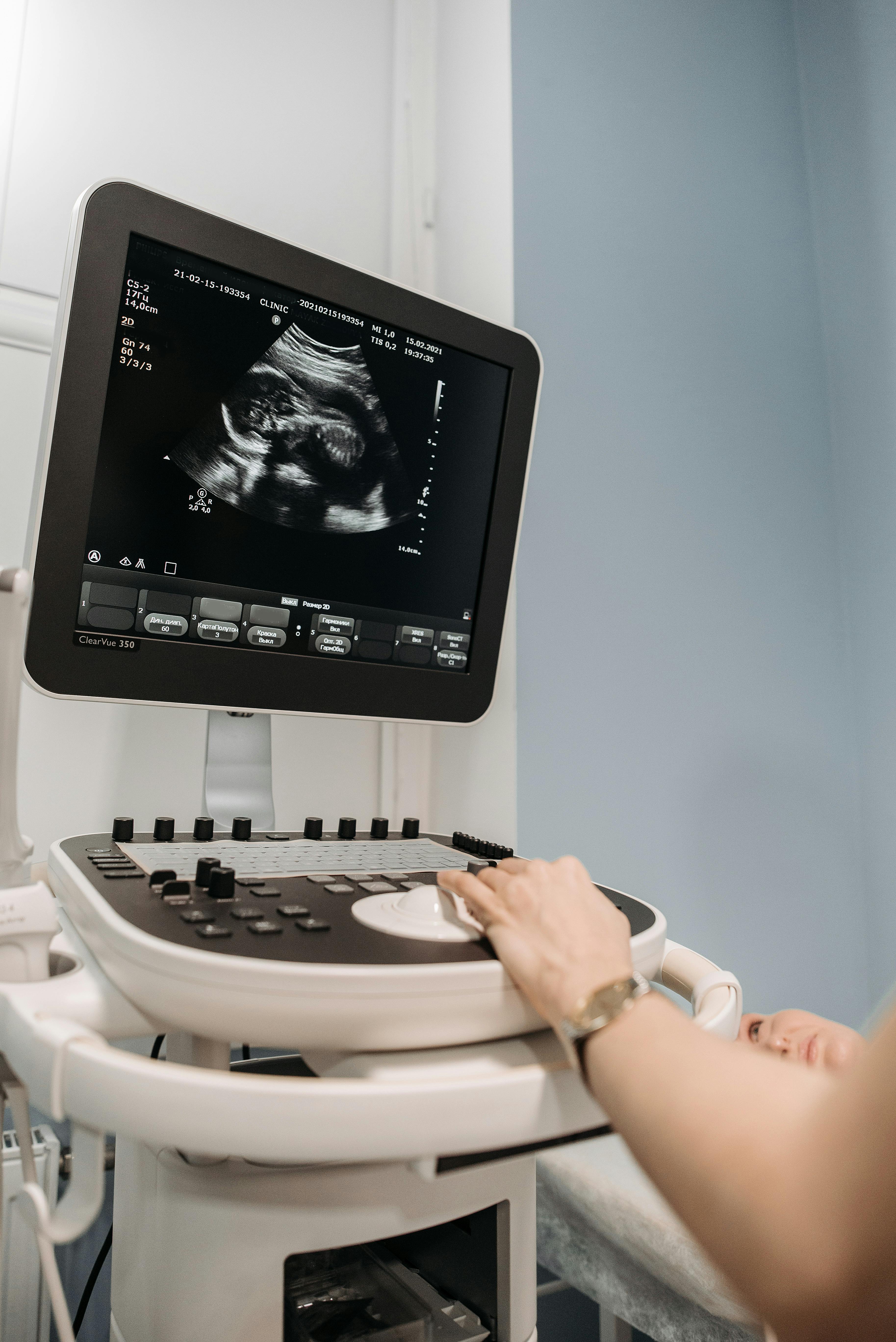
The short answer is that a well-maintained 4D ultrasound machine used in an elective studio setting typically lasts seven to ten years. Some machines in clinical or high-volume elective settings are retired earlier. Others — machines in lower-volume studios with exceptional maintenance records — have productive lives that extend well beyond ten years. The range exists because lifespan is not a fixed property of the machine model. It is the result of how the machine is used, maintained, and serviced over its operating life.
This article covers what determines machine longevity, how to plan financially for replacement, the depreciation picture, and the signals that tell you a machine is approaching the end of its productive life.
What Determines How Long a 4D Ultrasound Machine Lasts
The most significant variables are session volume, maintenance practices, transducer care, and the operating environment. A machine running eight sessions per day, five days per week in an improperly climate-controlled room with minimal maintenance will wear significantly faster than the same model running three sessions per day with consistent preventive maintenance and a stable environment.
Volume matters because ultrasound machines have mechanical and electronic components that experience wear with use. The transducer itself — which is the component most subject to physical stress — degrades with every scan through normal use. The machine’s internal components generate heat under operation, and thermal cycling (repeated heating and cooling) stresses electronic components over time. High-volume studios should build machine replacement into their financial projections on a shorter timeline than lower-volume operations.
Maintenance practices are the single most controllable factor in machine longevity. Studios that follow manufacturer-recommended maintenance schedules, service the machine promptly when issues arise, and train operators on proper handling consistently see longer machine lives than those that treat maintenance as optional. We have seen machines that were technically capable of years more productive use retired early because deferred maintenance allowed small issues to become large ones. The same machines, had they received consistent care, would have continued operating reliably.
“The studios that get the most out of their equipment are the ones that treat maintenance as an operational priority, not an inconvenience. A machine that is serviced regularly almost always outlasts one that is run until something breaks.”
Depreciation: What the IRS Says and What It Means for Your Business
For tax purposes, ultrasound machines are typically classified as five to seven year property under MACRS (Modified Accelerated Cost Recovery System) depreciation schedules used in the United States. This means the IRS recognizes that the equipment loses value over roughly that timeframe, and businesses can deduct that declining value over the depreciation period.
Section 179 of the tax code allows businesses to deduct the full cost of qualifying equipment in the year of purchase, rather than depreciating over time. For many elective studio owners purchasing a machine, Section 179 can produce a meaningful tax benefit in year one. Talk to your accountant about which approach makes sense for your specific tax situation — the right answer depends on your income, business structure, and overall tax strategy.
The practical implication of depreciation for planning purposes is that by the time a machine is fully depreciated — typically five to seven years — you should be financially prepared for the possibility of replacement. If the machine is still performing well and repair costs are reasonable, continuing to operate a fully depreciated machine is often the right economic choice. If performance is declining and repair costs are escalating, replacement may be more economical than continuing to maintain aging equipment.
The Refurbished Machine Question: Does Lifespan Change?
Refurbished machines present a more complex picture. A properly refurbished machine from a reputable source — one where components have been replaced, the machine has been tested and calibrated, and a meaningful warranty is provided — can offer several more years of productive operation at a lower upfront cost than new. A machine that has been superficially cleaned and relisted without substantive refurbishment is a much higher risk.
When buying refurbished, the quality of the refurbishment and the warranty coverage are more important than the machine’s age alone. A five-year-old machine with a thorough refurbishment and a 12-month parts and labor warranty is a better risk than a three-year-old machine sold “as is.” Ask specifically what was done during refurbishment, request service history if available, and confirm what the warranty covers before buying. Exploring buy and sell ultrasound options with a knowledgeable vendor helps you evaluate refurbished machines with appropriate context.
Signs Your Machine Is Approaching End of Life
Machines do not usually stop working all at once. They send signals in advance, and studio owners who recognize those signals can plan replacement proactively rather than responding to a sudden failure during a booked week.
Increasing repair frequency is the clearest early warning. One service event per year is a normal part of machine ownership. Two or three in the same year, with escalating costs, suggests systemic wear rather than isolated component issues. When the cost of maintaining a machine over the next 12 months approaches or exceeds a significant fraction of a replacement machine’s value, the economics of replacement usually favor acting.
Declining image quality that cannot be resolved through settings adjustment, transducer replacement, or servicing is another significant signal. If your machine is producing images that are noticeably worse than what is achievable with current-generation equipment — and if that gap is affecting your client experience or your ability to compete on image quality — the upgrade calculus shifts.
Software obsolescence is a less obvious but real factor. Manufacturers eventually stop releasing software updates for older machine platforms. When your machine’s software is no longer supported, you lose access to feature improvements, you may lose compatibility with current accessories, and you may face security or operational limitations. This typically happens at the eight-to-twelve-year mark for most platforms, though it varies by manufacturer.
Planning for Replacement Without Disrupting Operations
The studio owners who navigate machine replacement most smoothly are those who planned for it before it was urgent. Setting aside a modest monthly reserve — essentially a machine replacement fund — from the beginning of your studio’s operation means that when replacement becomes necessary, you have options. You can buy outright, use the reserve as a substantial down payment for financed equipment, or time the upgrade to take advantage of year-end equipment deals or new model releases.
Replacement that happens under pressure — when a machine has failed and you have clients booked — is almost always more expensive and less strategic than replacement that happens on a planned schedule. Planning for how long a 4D ultrasound machine lasts and building that timeline into your financial model is part of running this type of business well. For guidance on equipment financing options, ultrasound financing resources can help you evaluate the options available. The American Institute of Ultrasound in Medicine also provides professional guidance on equipment standards and maintenance practices that apply to elective studio contexts.
Frequently Asked Questions
How do I know if a machine has been maintained well before I buy it used?
Ask for service records. A machine that has been maintained professionally will have a documented history of service events, parts replaced, and calibrations performed. Absence of records is not necessarily disqualifying, but meaningful warranty coverage from the seller is essential when records are not available.
Is it worth repairing an older machine or should I replace it?
The general rule is that annual repair costs exceeding 20 to 30 percent of replacement value are a signal to reconsider. Also factor in whether the machine’s image quality still meets client expectations, whether software support is still available, and whether replacement technology would meaningfully improve your business performance.
Does session volume significantly affect how long a 4D machine lasts?
Yes. High-volume studios — running six or more sessions per day consistently — should generally expect machine replacement in the seven to eight year range rather than ten or beyond. Lower-volume studios with consistent maintenance may extend the productive life to ten years or more. Factor your expected volume into your replacement planning timeline.
What happens to a 4D ultrasound machine after its primary life in a studio?
Machines that are no longer suitable for active client sessions can often be sold on the secondary market for use by lower-volume operators, training programs, or in international markets where older equipment still meets local standards. Working with a vendor who also handles equipment resale can help you recover some value from equipment you are replacing.
Questions About Equipment Planning for Your Studio?
Ultrasound Trainers can help you evaluate machine options, understand financing, and think through the long-term equipment picture for your elective ultrasound business. Reach out to discuss your situation.
Contact Ultrasound TrainersAbout This Content: Ultrasound Trainers provides elective ultrasound equipment, training, and business consulting. This article is for informational purposes. Equipment lifespan and depreciation outcomes vary. Consult your accountant for tax advice specific to your situation.
Get the Inside Track
Training tips, business advice, and exclusive deals delivered straight to your inbox.

How to Get More Bookings for Your Elective Ultrasound Studio in Montana
Struggling to fill your elective ultrasound booking calendar in Montana? This guide covers what actually[...]

Buying an Elective Ultrasound Machine for an Arkansas Studio: What Actually Matters
Ready to buy an elective ultrasound machine for your Arkansas studio? This guide covers the[...]

How to Build a Pre-Launch Marketing Campaign for Your Elective Ultrasound Studio: A 60-Day Countdown Plan
Pre-launch marketing for an elective ultrasound studio begins 60 days before opening. This 60-day countdown[...]

What Career Changers in Hawaii Need to Know About Elective Ultrasound Training
Considering ultrasound training for a career change in Hawaii? This Q&A guide covers what training[...]

How to Find and Recruit Volunteer Scan Models for Elective Ultrasound Practice
Finding volunteer models for elective ultrasound practice is a skill in itself. Learn where to[...]

How to Write an Elective Ultrasound Business Plan That Actually Works
Writing an elective ultrasound business plan? This guide covers what to include, how to build[...]

How to Open an Elective Ultrasound Business in Honolulu: A Practical Startup Guide
Open an elective ultrasound business in Honolulu with confidence. This guide covers training, startup costs,[...]

Adding Elective Ultrasound to an Existing Photography or Doula Practice in Montana
Montana birth photographers and doulas: adding an elective ultrasound add-on business in Montana to your[...]

Starting an Elective Ultrasound Business in Cheyenne, Wyoming: First-Mover Advantage in the Least-Crowded Market in the Country
Thinking about starting an elective ultrasound business in Cheyenne, Wyoming? This guide covers the F.E.[...]

Elective Ultrasound Training for Career Changers in Sweden
Considering a career change into elective ultrasound in Sweden? Find out what training involves, whether[...]

What Career Changers in Fayetteville Should Know About Elective Ultrasound Training
Thinking about elective ultrasound training in Fayetteville, Arkansas as a career changer? This Q&A guide[...]
The Biggest Mistake Las Vegas Elective Ultrasound Studios Make With Their Marketing
Elective ultrasound studio marketing in Las Vegas prioritizes trust and reviews over ad spend. Here's[...]
Browse available equipment and get expert selection guidance on our elective ultrasound machines page.
