

Elective ultrasound training in Michigan gives you the hands-on scanning skills and business knowledge to open a 3D/4D keepsake ultrasound studio. Programs teach you to operate equipment, optimize image quality, and build a client-ready service — no prior medical background required.
Michigan is a bigger opportunity than most people realize. With nearly 10 million residents spread across a mix of major metro areas and mid-size cities, the state generates a consistent and meaningful volume of births every year — and the elective ultrasound market here is far from saturated. If you’ve been thinking about entering the industry, the question isn’t whether Michigan can support a studio. It’s whether you’re ready to take the first step.
That first step is training. Elective ultrasound training in Michigan connects you to practical, hands-on instruction that prepares you to actually run a scan, deliver a quality image, and operate a session from start to finish. This isn’t theory — it’s the applied skill that makes a studio viable. Here’s what the path looks like from where you are now.
Why Michigan Is Worth Paying Attention to Right Now
The elective ultrasound industry in Michigan is still early. In a state with the population and geographic spread that Michigan has, the number of established studios is low relative to demand. That matters because the operators who build a reputation now — in Detroit’s suburbs, in Grand Rapids, in mid-Michigan cities — are likely to hold a strong position for years before meaningful competition catches up.
Michigan’s economy is diversified in ways that support a premium wellness service business. The metro Detroit area has significant concentrations of professional and healthcare workers who value quality experiences. West Michigan has a strong and growing entrepreneurial culture. University towns like Ann Arbor and East Lansing produce a steady demographic of families at prime life stages. When you factor in the commuter reach of any well-placed studio, the total addressable market is larger than the city population alone would suggest.

What Elective Ultrasound Training in Michigan Actually Covers
Good elective ultrasound training teaches you three interconnected things: how to operate the machine, how to produce quality images, and how to manage a client session professionally. These aren’t separate skills — they work together, and building confidence in all three is what separates a studio that delivers a great experience from one that doesn’t.
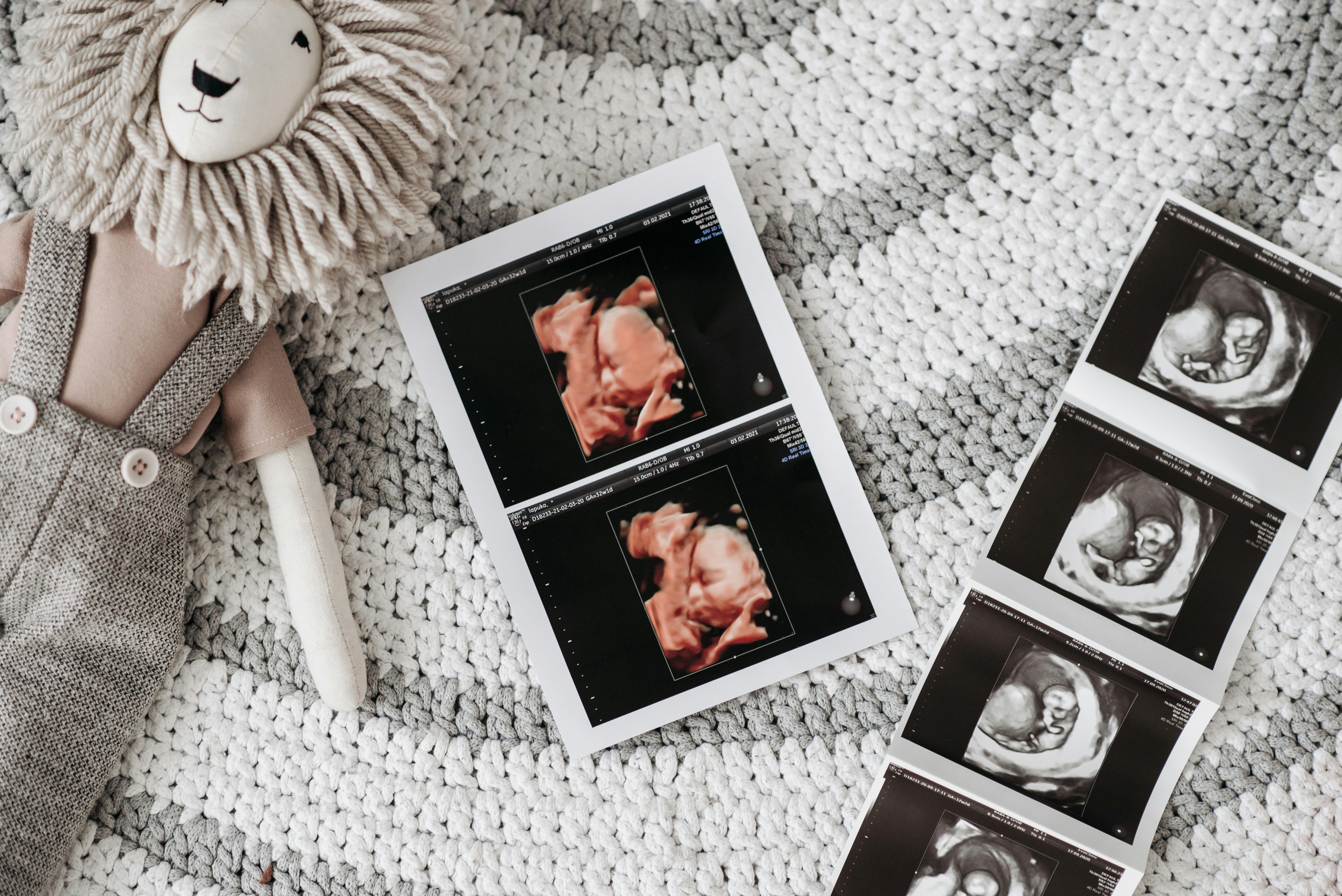
A well-structured training program covers machine operation and probe handling, 3D and 4D scanning technique, early gender determination (typically around 15 to 16 weeks), 2D fetal assessment, how to optimize your machine settings for different client situations, and how to manage the session from greeting to image delivery. Business fundamentals — pricing, client communication, session flow — are part of the better programs as well.
Who Is Doing This in Michigan?
The people entering the elective ultrasound industry in Michigan right now come from a range of backgrounds. Some have no medical training at all — they’re career changers looking for a business with lower overhead than a brick-and-mortar retail shop and a more meaningful service than most alternatives. Others are healthcare workers in Michigan’s large hospital and clinical system who want to build something of their own. A growing number are photographers and birth professionals who already work with expecting families and want to add a premium service that complements what they already do.
What they all have in common is that they start the same way: with training that gives them the practical skills to do the work and enough business context to open with confidence rather than guesswork.
“We’ve worked with studio owners in markets similar to Michigan’s mid-size cities, and what we consistently see is that the operators who invest in proper hands-on training from the start build client trust faster and retain it longer.”
How Training Connects to Business Launch in Michigan
Training and business launch aren’t separate tracks — they overlap. The best programs don’t just teach you to scan; they also walk you through what a studio setup looks like, how to price your services for a Michigan market, what your first 90 days of operations should accomplish, and how to position your business for the local audience you’re targeting.
Michigan’s cost of living varies significantly by region. Operating in metro Detroit costs more than operating in Saginaw or Marquette, and your pricing structure needs to reflect that reality. A program that treats Michigan like any other market isn’t serving you well. Training that accounts for the local business environment gives you a more realistic foundation for what you’re actually building.
For people in Michigan who want to explore elective ultrasound training in Michigan, Ultrasound Trainers offers hands-on, on-site instruction designed to get you scan-ready and business-ready at the same time.
What Makes a Training Program Worth It
Not every program is structured the same way. When you’re evaluating options, there are a few things that tend to separate the programs that produce confident, capable operators from the ones that leave you with a certificate and a lot of unanswered questions.
- Hands-on practice with real clients or training phantoms — reading about scanning is not the same as doing it. Repetition matters.
- On-site training at your location — learning on your own machine in your own space removes the transition gap between training and operations.
- Business content, not just clinical content — you’re opening a business, not taking a continuing education course. The program should treat you like an entrepreneur.
- Ongoing support after training ends — the questions that really matter often come up after the first client session, not during training. Reliable support access matters.
- A realistic picture of the market — a good trainer will help you understand what to expect in a market like Michigan, not just hand you a syllabus.
Michigan’s Market Geography and What It Means for Studio Placement
Michigan is a state of two peninsulas and a lot of distance. That geography shapes the studio opportunity in a meaningful way. A studio in Grand Rapids draws from a wide west Michigan corridor — Kalamazoo, Holland, Muskegon, and dozens of smaller communities. A Detroit-area studio can pull clients from one of the largest and densest metro areas in the Midwest. A studio placed in Lansing sits at a geographic crossroads between multiple population centers.
The lesson here is that location strategy matters more in Michigan than in a state with a single dominant metro. Where you set up your studio shapes your entire client base, your pricing ceiling, and your marketing strategy. Training programs that help you think through this positioning give you a real advantage over operators who simply pick a spot and open.
People Also Ask About Elective Ultrasound Training in Michigan
Do I need a medical background to get elective ultrasound training in Michigan?
No medical background is required. Elective ultrasound training programs are designed for people coming from a wide range of starting points — including those with no clinical experience at all. The training teaches you the practical skills from the ground up.
How long does elective ultrasound training typically take?
Most hands-on training programs run three to four days. That timeframe covers the core scanning skills, machine operation, and business fundamentals. Continued practice after training is important — confidence develops with repetition over your first weeks of operation.
Can I do elective ultrasound training in Michigan without buying equipment first?
It depends on the program. Some trainers require you to have equipment on-site for training. Others provide training on their own equipment. Programs that train you on your own machine offer a stronger transition to real-world operation — you already know the equipment your clients will experience.
Is the elective ultrasound market in Michigan competitive?
Relative to the state’s population, the number of established elective ultrasound studios in Michigan is low. There are pockets of the market — particularly in certain Detroit suburbs and larger metros — where some competition exists, but the state as a whole has significant room for new operators to build a strong local presence.
What equipment do I need to start an elective ultrasound studio in Michigan?
At minimum, you need a 3D/4D ultrasound machine, a thermal printer, and a display setup for clients to view their session. A good training program will help you evaluate your equipment options in the context of your budget and the services you plan to offer.
Does Ultrasound Trainers offer training at locations in Michigan?
Yes. Ultrasound Trainers provides on-site training at the client’s location — including in Michigan — using your own equipment. This approach means your training is directly applicable to your actual operating environment from day one.
What does elective ultrasound training cost?
Private hands-on training with Ultrasound Trainers is $10,000 for a three-day program at your location. Comprehensive turnkey packages that include training, equipment, business setup support, and marketing start at $70,000. The right option depends on where you are in the process and what you need to launch.
Is elective ultrasound a regulated service in Michigan?
Requirements can vary by state and business model. Elective ultrasound is positioned as a bonding and keepsake experience, not a medical service. Before launching, you should review local regulations and consult appropriate professional guidance. Ultrasound Trainers helps clients understand the compliance landscape as part of the training and startup process.
Ready to Explore Elective Ultrasound Training in Michigan?
Whether you’re in Detroit, Grand Rapids, Lansing, or anywhere else in Michigan, Ultrasound Trainers can help you understand what training looks like, what a studio launch involves, and whether this is the right next step for where you want to go. Reach out and start the conversation.
Contact Ultrasound TrainersAbout This Content
Ultrasound Trainers is a national provider of elective ultrasound training, turnkey business packages, and equipment guidance for people entering the keepsake ultrasound industry. This article was written to help people in Michigan understand their training options and market opportunity.
Last Updated: April 2025
Get the Inside Track
Training tips, business advice, and exclusive deals delivered straight to your inbox.

How to Get More Bookings for Your Elective Ultrasound Studio in Montana
Struggling to fill your elective ultrasound booking calendar in Montana? This guide covers what actually[...]

Buying an Elective Ultrasound Machine for an Arkansas Studio: What Actually Matters
Ready to buy an elective ultrasound machine for your Arkansas studio? This guide covers the[...]

How to Build a Pre-Launch Marketing Campaign for Your Elective Ultrasound Studio: A 60-Day Countdown Plan
Pre-launch marketing for an elective ultrasound studio begins 60 days before opening. This 60-day countdown[...]

What Career Changers in Hawaii Need to Know About Elective Ultrasound Training
Considering ultrasound training for a career change in Hawaii? This Q&A guide covers what training[...]

How to Find and Recruit Volunteer Scan Models for Elective Ultrasound Practice
Finding volunteer models for elective ultrasound practice is a skill in itself. Learn where to[...]

How to Write an Elective Ultrasound Business Plan That Actually Works
Writing an elective ultrasound business plan? This guide covers what to include, how to build[...]

How to Open an Elective Ultrasound Business in Honolulu: A Practical Startup Guide
Open an elective ultrasound business in Honolulu with confidence. This guide covers training, startup costs,[...]

Adding Elective Ultrasound to an Existing Photography or Doula Practice in Montana
Montana birth photographers and doulas: adding an elective ultrasound add-on business in Montana to your[...]

Starting an Elective Ultrasound Business in Cheyenne, Wyoming: First-Mover Advantage in the Least-Crowded Market in the Country
Thinking about starting an elective ultrasound business in Cheyenne, Wyoming? This guide covers the F.E.[...]

Elective Ultrasound Training for Career Changers in Sweden
Considering a career change into elective ultrasound in Sweden? Find out what training involves, whether[...]

What Career Changers in Fayetteville Should Know About Elective Ultrasound Training
Thinking about elective ultrasound training in Fayetteville, Arkansas as a career changer? This Q&A guide[...]

The Biggest Mistake Las Vegas Elective Ultrasound Studios Make With Their Marketing
Elective ultrasound studio marketing in Las Vegas prioritizes trust and reviews over ad spend. Here's[...]
