

Starting an elective ultrasound business Spain entrepreneurs are researching looks similar in many ways to launching in any Western European market, but Spain has its own business culture, regulatory framework, and market dynamics that are worth understanding before you invest. This guide covers what you actually need to know: the training path, the legal landscape, the market opportunity, and the practical steps to get a studio open.
Spain’s private healthcare and premium wellness sectors have been expanding steadily. The country’s birth rate, combined with a growing appetite for premium prenatal experiences in cities like Madrid and Barcelona, creates a real commercial opportunity for operators who enter with preparation rather than wishful thinking.
Starting an elective ultrasound business Spain requires solid operator training, proper business registration, a clear non-diagnostic service positioning, and local legal guidance on healthcare-adjacent advertising. The market opportunity is real, especially in major urban centers. Training programs from established providers transfer directly to Spanish operations. Last Updated: June 2026
What an Elective Ultrasound Business in Spain Actually Is
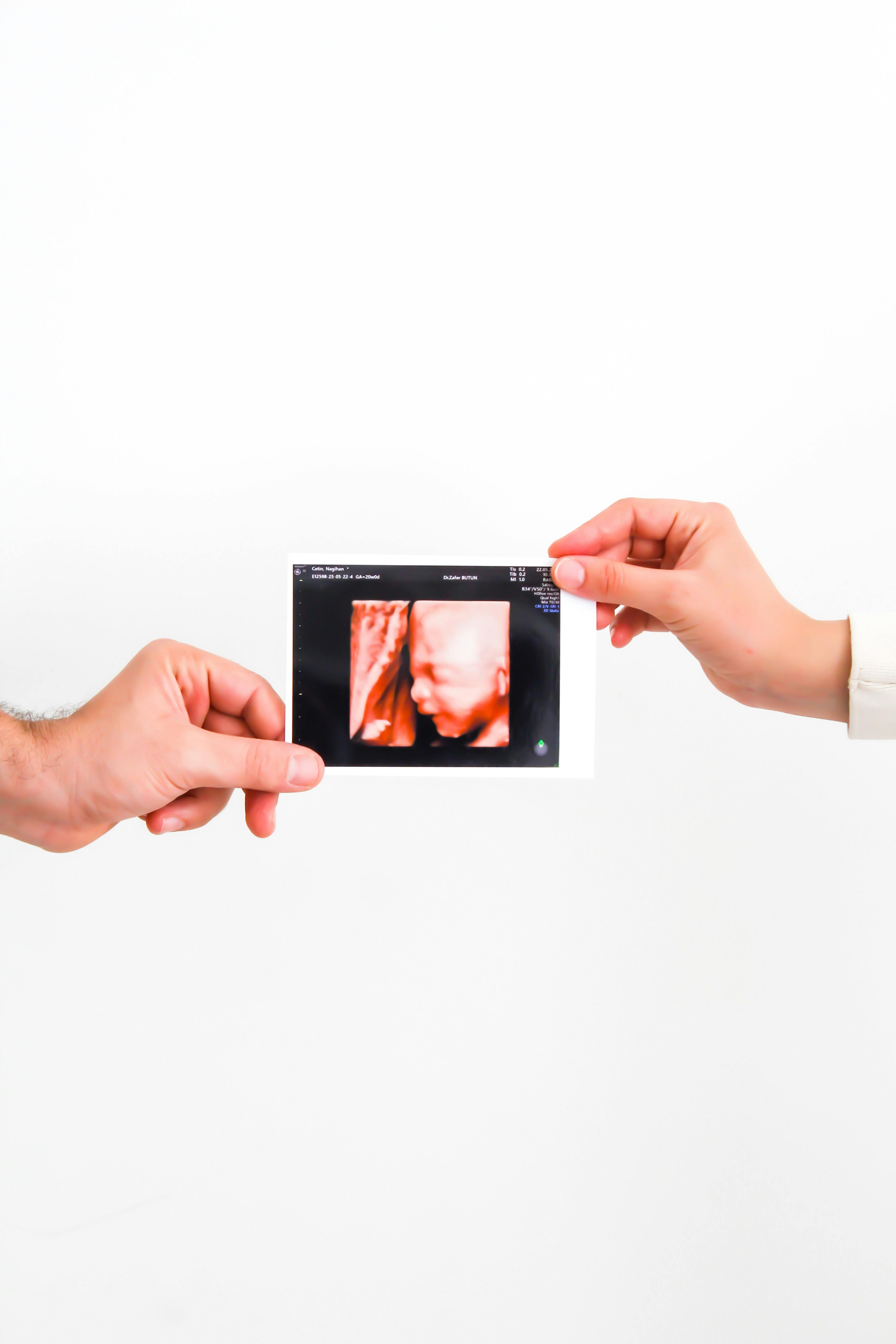
An elective ultrasound business Spain model positions the service as a premium bonding and keepsake experience for expectant families, not as a medical diagnostic service. This distinction is the legal and operational cornerstone of the model. Operators do not diagnose, interpret scans for clinical purposes, or replace prenatal medical care. The service provides families with high-quality 3D and 4D imagery of their baby as a keepsake experience.
This framing matters both legally and commercially. In Spain, as in the UK, France, and Australia, the non-diagnostic positioning is what allows non-medical entrepreneurs to operate studios legitimately. The moment a business presents itself as offering medical evaluation, the regulatory picture changes entirely.
According to the Small Business Administration, service businesses with a clearly defined and consistently communicated value proposition outperform competitors who try to be all things to all customers. For elective ultrasound, that value proposition is keepsake bonding experiences. Full stop.
Step 1: Get Properly Trained Before Anything Else
This is where most aspiring studio owners in Spain underestimate the requirement. Running a keepsake ultrasound studio means you or your staff will be operating ultrasound equipment on clients. That requires real, hands-on training, not a weekend online course.
Comprehensive elective ultrasound training covers scanning technique across gestational ages, machine operation and image optimization, identifying when a client should be referred back to their medical provider, and the business operations that support a professional studio. All of those skills are necessary. Cutting corners on any of them creates risk: for your clients, for your reputation, and for your business.
Private hands-on training programs, like the one Ultrasound Trainers provides, deliver practical instruction using your own equipment at your location. The three-day intensive format covers 3D/4D machine operation, image quality optimization, early gender determination techniques, and advanced scanning skills. For operators who want training bundled with full business setup support, a turnkey package covers equipment, training, branding, website creation, and ongoing business guidance.
Step 2: Understand Spain’s Regulatory Environment
Spain’s healthcare regulatory framework is managed through the Ministry of Health (Ministerio de Sanidad) and regional health authorities. The country’s 17 autonomous communities each have some degree of independent healthcare governance, which means regulations are not perfectly uniform across the country.
The practical implication: a business attorney with experience in health-adjacent services in Spain is not a luxury, it is a requirement before you structure your business. Key areas to clarify include:
- Business structure and registration: Spain uses the SL (Sociedad Limitada) structure for most small businesses. Your lawyer and a gestor (business administrator) will handle registration, tax numbers, and social security registration.
- Healthcare advertising rules: Spain has detailed regulations around the advertising of health and wellness services. Your marketing must clearly position the studio as a keepsake and bonding experience, not a diagnostic service.
- Insurance: Professional liability insurance appropriate for your specific service category is essential. Your attorney and insurance broker will help identify the right coverage.
- Regional requirements: Madrid, Barcelona, and other autonomous community capitals may have additional local requirements. Verify these before signing a lease or committing to a location.
Step 3: Choose Your Market and Location
Spain’s major urban centers offer the strongest initial opportunity. Madrid and Barcelona have the population density, premium service culture, and international influences that create ideal conditions for early studio adoption. Both cities have large expat communities familiar with elective ultrasound services from markets where the concept is more established.
Beyond the two largest cities, Valencia, Seville, Bilbao, and Malaga each offer viable markets with lower operating costs. For operators who want to build in a strong regional market rather than compete in the most expensive real estate markets, mid-tier cities deserve serious evaluation.
Location within a city matters as much as the city itself. Studios near premium prenatal care providers, maternity hospitals, or in established wellness districts tend to benefit from natural foot traffic and referral proximity. A professional, welcoming studio environment is not optional in the Spanish premium service market.
Step 4: Build Your Referral Network Before You Open
We’ve seen this pattern consistently with successful studio launches: operators who build their referral relationships before opening have a materially faster path to consistent bookings than those who try to build those relationships after the studio is already running.
In Spain, the key referral targets are OB-GYNs (ginecologos/obstetras), midwives (matronas), and private maternity clinics. Positioning your studio as a complementary bonding experience, not a competitor to their clinical services, is both accurate and persuasive. A brief, professional introduction with materials that clearly explain what your service is and what it isn’t tends to open doors.
Social proof matters particularly in Spain. Before you open, if you can arrange a small number of friends or family to experience the service and photograph or video the experience (with permission), you’ll have the social media foundation that demonstrates the emotional value of what you offer.
Step 5: Price and Package for the Spanish Market
Pricing in Spain needs to reflect both the premium nature of the service and local purchasing power realities. According to the Bureau of Labor Statistics’ comparative wage data, Western European consumer service pricing varies significantly by country, with Spain sitting below the UK, Germany, and France but above Eastern Europe in average consumer spending on premium experiences.
Package structures that work well in comparable markets include a core session at a mid-range price point with meaningful add-ons: additional scan lengths, extra printed imagery, video packages, heartbeat recordings, and gender reveal add-ons. The session itself should feel like an event, not a medical appointment.
| Package Element | Purpose | Notes |
|---|---|---|
| Core scan session | Primary booking driver | Clear, non-medical positioning |
| Extended session length | Upsell for longer experience | Natural family add-on |
| Digital imagery package | Keepsake value | USB or online delivery |
| Gender reveal add-on | Event-based driver | High-demand item |
| Heartbeat recording | Emotional keepsake | Differentiates from competitors |
People Also Ask
Do I need medical qualifications to start an elective ultrasound business in Spain?
Medical qualifications are not a requirement for operating a non-diagnostic keepsake ultrasound studio in Spain, but professional training in scanning technique and machine operation is essential. The non-diagnostic positioning is the legal foundation of the model. Local legal guidance will confirm the specific requirements in your autonomous community.
What are the best cities in Spain to open a keepsake ultrasound studio?
Madrid and Barcelona offer the strongest initial opportunity given population density and premium service culture. Valencia, Seville, Bilbao, and Malaga are viable secondary markets with lower operating costs. Location within a city, proximity to maternity care providers and premium wellness areas, matters significantly for natural foot traffic and referrals.
What training is required before opening an elective ultrasound studio in Spain?
Comprehensive hands-on training covering 3D/4D machine operation, image optimization, scanning technique across gestational ages, and business operations is the minimum requirement. Training programs designed for non-medical operators are specifically built for this context. Operating without proper training creates risk for clients and the business.
How much does it cost to start an elective ultrasound business in Spain?
Startup costs vary based on the approach. A turnkey package covering equipment, training, branding, and business setup runs in the $70,000 to $90,000 range before local costs like studio lease, business registration, insurance, and marketing. Training-only programs are available at lower investment for operators who already have or are separately sourcing equipment.
How long does it take to open an elective ultrasound business in Spain?
Timeline varies based on how quickly legal, business registration, and location steps are completed. Operators who move through the process systematically, training first, then legal structure, then location and setup, typically have a clearer path than those who try to run steps in parallel without the foundational pieces in place. Six to twelve months from decision to opening is a realistic planning horizon for a well-prepared operator.
Ready to Explore Your Spanish Market Launch?
Ultrasound Trainers works with operators internationally. If you’re planning to start an elective ultrasound business Spain location and want to understand training, equipment, and business setup, reach out and we’ll walk through your options.
Get in TouchLast Updated: June 2026
Get the Inside Track
Training tips, business advice, and exclusive deals delivered straight to your inbox.

How to Get More Bookings for Your Elective Ultrasound Studio in Montana
Struggling to fill your elective ultrasound booking calendar in Montana? This guide covers what actually[...]

Buying an Elective Ultrasound Machine for an Arkansas Studio: What Actually Matters
Ready to buy an elective ultrasound machine for your Arkansas studio? This guide covers the[...]

How to Build a Pre-Launch Marketing Campaign for Your Elective Ultrasound Studio: A 60-Day Countdown Plan
Pre-launch marketing for an elective ultrasound studio begins 60 days before opening. This 60-day countdown[...]

What Career Changers in Hawaii Need to Know About Elective Ultrasound Training
Considering ultrasound training for a career change in Hawaii? This Q&A guide covers what training[...]

How to Find and Recruit Volunteer Scan Models for Elective Ultrasound Practice
Finding volunteer models for elective ultrasound practice is a skill in itself. Learn where to[...]

How to Write an Elective Ultrasound Business Plan That Actually Works
Writing an elective ultrasound business plan? This guide covers what to include, how to build[...]

How to Open an Elective Ultrasound Business in Honolulu: A Practical Startup Guide
Open an elective ultrasound business in Honolulu with confidence. This guide covers training, startup costs,[...]

Adding Elective Ultrasound to an Existing Photography or Doula Practice in Montana
Montana birth photographers and doulas: adding an elective ultrasound add-on business in Montana to your[...]

Starting an Elective Ultrasound Business in Cheyenne, Wyoming: First-Mover Advantage in the Least-Crowded Market in the Country
Thinking about starting an elective ultrasound business in Cheyenne, Wyoming? This guide covers the F.E.[...]

Elective Ultrasound Training for Career Changers in Sweden
Considering a career change into elective ultrasound in Sweden? Find out what training involves, whether[...]

What Career Changers in Fayetteville Should Know About Elective Ultrasound Training
Thinking about elective ultrasound training in Fayetteville, Arkansas as a career changer? This Q&A guide[...]

The Biggest Mistake Las Vegas Elective Ultrasound Studios Make With Their Marketing
Elective ultrasound studio marketing in Las Vegas prioritizes trust and reviews over ad spend. Here's[...]
