

The question deserves a direct answer. Starting any business involves real cost, real risk, and real uncertainty. An elective ultrasound studio in Germany is no different — and Germany adds specific regulatory and market complexity that requires honest assessment.
What makes Germany worth examining seriously is a straightforward combination: one of Europe’s largest birth populations, a growing private wellness economy, a consumer culture that values and pays for quality private health experiences, and — across the vast majority of Germany’s cities — essentially no existing professional dedicated keepsake studio infrastructure. The opportunity is real. The complexity of entering the German market is equally real. This guide addresses both honestly.
Table of Contents
- What Makes This Business Work — or Not?
- Is There Genuine Demand in Germany?
- What Are Realistic Startup Costs?
- How Does the Revenue Model Work?
- What Are the Real Risks?
- Is This Right for You?
- Cologne and Frankfurt: Two Compelling German Opportunities
- Frequently Asked Questions
- Ready for an Honest Conversation?
What Makes This Business Work — or Not?
Q: What honestly separates successful studios from those that struggle in Germany?
Three things, in order of importance. First, regulatory clarity — operators who get definitive legal advice on how their service is positioned under German law before opening, and who structure their studio and communications accordingly, avoid the most serious risk that threatens German studio operations. Second, training quality — German consumers evaluate quality systematically and share their assessments through detailed reviews on Google and German parenting platforms. A studio that opens with genuinely excellent scanning earns the methodical, sustained trust that German word-of-mouth builds over time. Third, German-language communication — studios that communicate clearly and professionally in German, with factual and honest information rather than promotional claims, build the credibility that the German consumer approach rewards.
Studios that fail in Germany typically have one or more of these gaps: regulatory uncertainty that creates operational exposure, insufficient training that produces inconsistent quality, or marketing that reads as vague or promotional to a German audience that values specificity and directness.
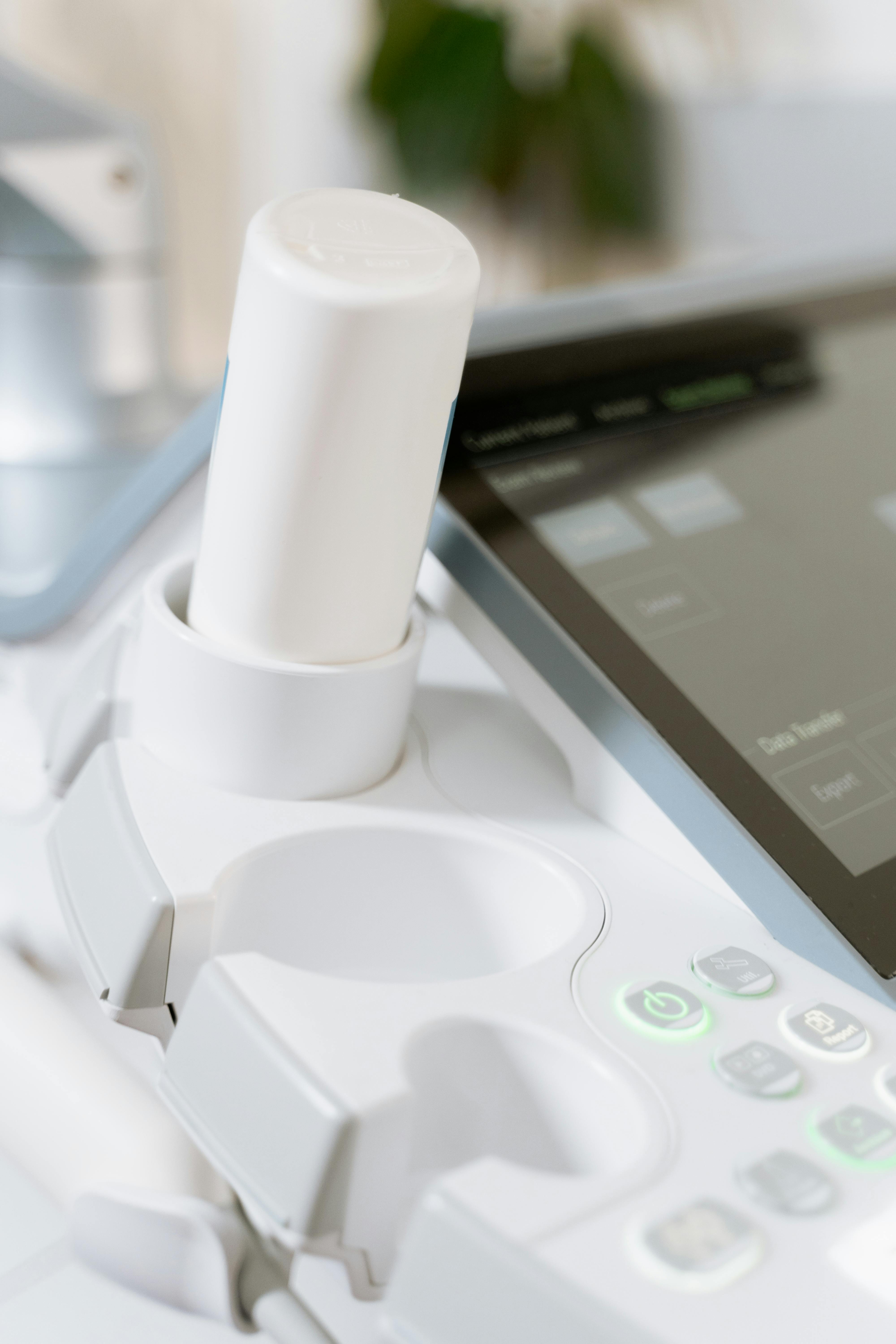
Germany’s quality-conscious, research-oriented consumer culture rewards studios that deliver exactly what they promise with genuine professionalism — and punishes those that do not with the same methodical consistency.
Is There Genuine Demand in Germany?
Q: Is there actually enough demand in Germany to sustain an elective ultrasound business?
Yes — and the scale of that demand across most of Germany’s cities is substantially unmet by existing studio infrastructure. Germany sees approximately 690,000 to 730,000 births annually according to Destatis, distributed across 16 federal states and dozens of major cities. Cologne generates roughly 20,000 births per year; Frankfurt around 13,000; Stuttgart, Düsseldorf, and Dortmund each in the 10,000 to 15,000 range. Each of these cities has a birth population that can sustain a professional keepsake studio — and in most of them, there is no professional dedicated studio currently operating.
The Babykino concept is not unknown in Germany. Major German parenting platforms discuss it; German families who have lived abroad or travelled to Scandinavia, the UK, or the Netherlands have encountered professional studios. But awareness has outpaced supply across most of Germany’s geography. The first professional studio to open in many German cities is not competing for market share — it is meeting demand that has nowhere else to go.
Q: Is Germany’s market mature enough, or is it too early?
Germany’s market is at an interesting inflection point. The very early-stage entry window — where genuine consumer awareness of the service category barely exists — has largely passed. German consumers know what Babykino is. But the studio infrastructure to serve them across most of Germany’s cities has not yet caught up. The current moment combines meaningful consumer awareness with limited studio competition across most of the country. That is a favourable entry window that will narrow as more operators recognise and move into the opportunity.
What Are Realistic Startup Costs?
Q: What should I realistically expect to spend to start a keepsake ultrasound studio in Germany?
Turnkey business package: Ultrasound Trainers‘ turnkey package — which includes four-day hands-on training at your German location, equipment, website, logo, marketing materials, and 36 months of ongoing support with no royalties or franchise fees — ranges from approximately €65,000 to €85,000 (equivalent to the USD $70,000–$90,000 range at current exchange rates). CE-compliant equipment for the German market should be confirmed as part of the equipment selection process.
Training-first path: Beginning with private hands-on training (approximately €9,000 to €10,000 equivalent) and independently sourcing equipment, website, and marketing is possible — but the total cost assembled independently often approaches or exceeds the turnkey range, while requiring more time and domain expertise across multiple unfamiliar areas simultaneously.
German-specific additional costs: Commercial rent in Germany varies considerably — Berlin and Munich are at the high end, while Hamburg, Cologne, Frankfurt, and regional cities offer a range of options at lower cost. A Steuerberater (tax adviser) is a practical ongoing expense — German accounting and tax law is complex and professional guidance is standard for small businesses. Legal advice on regulatory positioning is a meaningful upfront cost that should be budgeted before operations begin rather than after.
How Does the Revenue Model Work?
Q: How does a German keepsake ultrasound studio generate revenue?
Revenue comes from session packages in euros — tiered service menus including early Geschlechtsbestimmung (gender determination), standard 3D/4D Babykino bonding sessions, HD portrait sessions, and add-ons. German private health services provide useful pricing calibration: private Frauenarzt appointments, Hebamme home visits, and private birth centre services range from approximately €80 to €250 depending on duration and service type. A keepsake studio can position within this range, with gender determination packages at the accessible entry end and HD portrait sessions at premium pricing.
Germany’s quality-conscious consumer culture means that studios positioned at a genuine quality level can sustain meaningful pricing. German clients do not expect the cheapest option; they expect the best option at a fair and clearly justified price. Transparent pricing communicated clearly in German — what each package includes, why each tier is priced as it is — is more persuasive than vague premium claims.
Q: How long does it take to reach profitability?
Germany’s methodical consumer culture means that trust and reputation build more slowly but more durably than in high-impulse markets. Expect a longer ramp-up period than in a market like Malta or Portugal — but also a more stable and sustainable trajectory once the studio has established its reputation through consistent quality and professional communication. Realistic planning should include 12 to 18 months to reach stable booking volume, with adequate capital reserves to sustain operations through the ramp-up.
What Are the Real Risks?
Q: What are the genuine risks specific to Germany?
- Regulatory complexity — the most material risk: Germany’s healthcare regulatory framework is detailed and actively enforced. How an elective keepsake studio is classified under German law — particularly under the Heilpraktikergesetz and whether the service falls under any medical device or health service regulations — requires definitive legal advice from a German Rechtsanwalt with healthcare expertise before opening. Operating without this clarity creates significant exposure. This is the highest-priority pre-launch action for any German studio operator.
- CE marking compliance: Any ultrasound device used in Germany must carry current CE marking under MDR 2017/745. Equipment sourced without verified current CE documentation creates regulatory exposure in Germany’s actively monitored medical device environment.
- Slower ramp-up timeline: Germany’s methodical consumer culture builds trust slowly and deliberately. Capital planning should account for a longer ramp-up period than in markets with higher-impulse consumer behaviour.
- Language barrier: Operating a service business in Germany without German-language fluency is a meaningful commercial disadvantage. German clients expect German-language communication across all touchpoints — website, social media, session communication, reviews. An operator without German fluency needs a reliable German-language partner or employee from day one.
- Training quality risk: German consumers write detailed, specific reviews — both positive and negative. Insufficient training produces the kind of precise, factual negative feedback that German review culture amplifies and that is difficult to overcome once established in Google and forum records.
Is This Right for You?
Q: How do I honestly assess whether the German market is right for me?
Germany suits operators who approach the market with patience, professionalism, and genuine commitment to the compliance groundwork. It is not a market for rapid-launch, learn-as-you-go approaches — the regulatory environment and the consumer culture both require more careful preparation than most markets. It rewards operators who do that preparation thoroughly and then execute with consistent quality and honest communication.
German fluency — or a reliable German-speaking team member — is practically essential. The German market’s scale and quality of opportunity are real, but they are accessible only to operators who can communicate fluently and professionally in German across every client touchpoint.
Cologne and Frankfurt: Two Compelling German Opportunities
Cologne and Frankfurt represent two of Germany’s most distinctive and appealing studio market opportunities — different in character but both with strong underlying conditions for a professional keepsake studio.
Cologne is Germany’s fourth-largest city with a population of approximately 1.1 million and one of the most culturally open and internationally connected cities in the Rhineland. The city has a strong media and creative industry, significant university presence, and a household income distribution that includes a large professional and creative class alongside a working-class demographic. Cologne generates roughly 20,000 births annually — a very significant volume — and has a growing Babykino awareness but limited dedicated professional studio infrastructure to match it. The city’s open, internationally exposed culture is more receptive to new service categories than many German cities of comparable size, which can compress the consumer education phase that new studios in Germany often face. Cologne also sits at the heart of the Rhine-Ruhr metropolitan region — a continuous urban area of over 10 million people that includes Düsseldorf, Dortmund, Essen, and Bonn — creating an extended regional catchment that is accessible from a well-positioned Cologne studio.
Frankfurt is Germany’s financial capital — home to the European Central Bank, Deutsche Bundesbank, and dozens of major international financial institutions. The city’s financial services sector produces some of Germany’s highest household incomes, concentrated in a relatively compact urban area of approximately 760,000 residents. Frankfurt has Germany’s largest international community as a proportion of its population — roughly 30% of Frankfurt residents are non-German nationals — including large British, American, Japanese, and broader international financial sector communities, many of whom come from markets where keepsake studios are well-established and who actively seek equivalent services in Frankfurt. The city generates approximately 13,000 births annually. For a studio positioning at the premium tier — HD portrait sessions, clear English-language offering alongside German — Frankfurt’s combination of very high household incomes and large international community creates a compelling premium studio market with limited existing competition.

Cologne’s Rhine-Ruhr regional position and Frankfurt’s international financial community create two very different but equally compelling German studio opportunity profiles.
Frequently Asked Questions
How does Germany compare to other European markets for elective ultrasound?
Germany’s scale — 82 million people, approximately 700,000 annual births — makes it one of Europe’s largest potential elective ultrasound markets. The UK has a more developed Babykino/keepsake studio market. The Netherlands has a growing market with several established studios. Germany’s market sits between these — more established than early-stage markets like Finland or Malta, but substantially less developed than the UK, with most of its major cities still in the early-mover opportunity window. Germany’s regulatory complexity is higher than most comparable European markets, which has slowed entry — and which means the operators who navigate it successfully face less competition than in more accessible markets.
Can Ultrasound Trainers support operators based in Germany?
Yes. Ultrasound Trainers works with international operators and the turnkey business package is available to German operators. Training takes place at your location in Germany. Equipment is sourced and shipped to Germany, with CE compliance confirmed as part of the equipment process. Regulatory guidance on the German-specific legal and compliance landscape — Heilpraktikergesetz, MDR, local Gesundheitsamt requirements — requires German legal counsel, which Ultrasound Trainers strongly recommends as a complement to the startup support package.
Is the German Geschlechtsbestimmung (gender determination) service subject to specific restrictions?
The question of whether and how early gender determination is offered in Germany requires legal clarification in the context of your specific business model and positioning. A German Rechtsanwalt specialising in healthcare law is the appropriate source of definitive guidance. Ultrasound Trainers can help you understand what training covers — but legal compliance questions for the German market require local professional advice.
Ready for an Honest Conversation?
If you are seriously evaluating whether to start an elective ultrasound business in Germany — in Cologne, Frankfurt, or anywhere across the country — Ultrasound Trainers is available to discuss your specific situation directly. Our team is happy to have an honest conversation about what the path looks like for a German operator and whether it is a fit for your goals.
Contact Ultrasound Trainers to start that conversation.
About This Content: Ultrasound Trainers is a Nashville, Tennessee-based company specialising in elective ultrasound training, turnkey studio startup packages, and equipment guidance for people opening keepsake ultrasound businesses internationally. This content is for informational purposes and does not constitute medical, legal, or financial advice. Last Updated: April 2026.
Get the Inside Track
Training tips, business advice, and exclusive deals delivered straight to your inbox.

How to Get More Bookings for Your Elective Ultrasound Studio in Montana
Struggling to fill your elective ultrasound booking calendar in Montana? This guide covers what actually[...]

Buying an Elective Ultrasound Machine for an Arkansas Studio: What Actually Matters
Ready to buy an elective ultrasound machine for your Arkansas studio? This guide covers the[...]

How to Build a Pre-Launch Marketing Campaign for Your Elective Ultrasound Studio: A 60-Day Countdown Plan
Pre-launch marketing for an elective ultrasound studio begins 60 days before opening. This 60-day countdown[...]

What Career Changers in Hawaii Need to Know About Elective Ultrasound Training
Considering ultrasound training for a career change in Hawaii? This Q&A guide covers what training[...]

How to Find and Recruit Volunteer Scan Models for Elective Ultrasound Practice
Finding volunteer models for elective ultrasound practice is a skill in itself. Learn where to[...]

How to Write an Elective Ultrasound Business Plan That Actually Works
Writing an elective ultrasound business plan? This guide covers what to include, how to build[...]

How to Open an Elective Ultrasound Business in Honolulu: A Practical Startup Guide
Open an elective ultrasound business in Honolulu with confidence. This guide covers training, startup costs,[...]

Adding Elective Ultrasound to an Existing Photography or Doula Practice in Montana
Montana birth photographers and doulas: adding an elective ultrasound add-on business in Montana to your[...]

Starting an Elective Ultrasound Business in Cheyenne, Wyoming: First-Mover Advantage in the Least-Crowded Market in the Country
Thinking about starting an elective ultrasound business in Cheyenne, Wyoming? This guide covers the F.E.[...]
Elective Ultrasound Training for Career Changers in Sweden
Considering a career change into elective ultrasound in Sweden? Find out what training involves, whether[...]

What Career Changers in Fayetteville Should Know About Elective Ultrasound Training
Thinking about elective ultrasound training in Fayetteville, Arkansas as a career changer? This Q&A guide[...]

The Biggest Mistake Las Vegas Elective Ultrasound Studios Make With Their Marketing
Elective ultrasound studio marketing in Las Vegas prioritizes trust and reviews over ad spend. Here's[...]
