

How to Train Staff for Elective Ultrasound: Skills & Certification Guide
Successful elective ultrasound studios don’t thrive because of marketing alone—they thrive because of highly trained, confident, skilled ultrasound technicians who know how to produce breathtaking images, provide exceptional client experiences, and uphold strict non-diagnostic boundaries.
If you’re opening a 3D/4D ultrasound business, your staff training strategy is one of the most important decisions you will make. Proper training increases image quality, boosts customer satisfaction, prevents liability issues, and directly impacts your studio’s reputation.
This guide is a complete breakdown of how to train elective ultrasound staff in 2025—covering required skills, certification pathways, safety education, hands-on scanning, gender determination training, client communication, and ongoing professional development.
Why Proper Training Is Essential in Elective Ultrasound
Elective ultrasound is not diagnostic, but it still requires:
- Safe machine operation
- Understanding fetal positioning
- Knowledge of scanning technique
- Professional conduct and boundaries
- Mastery of 3D/4D/HD Live imaging
- Thorough understanding of non-diagnostic laws
Many owners underestimate the learning curve. Operating a 4D ultrasound machine is not intuitive, and 3D imaging has a real art to it.
Trained professionals—especially those taught by reputable companies like Ultrasound Trainers—create consistent results that build trust, loyalty, and word-of-mouth growth.
The Five Core Competencies of an Elective Ultrasound Technician
A well-trained elective ultrasound tech must master five core areas:
- Technical Scanning Skills
- 3D/4D/HD Imaging Mastery
- Safety Knowledge & ALARA Principles
- Client Experience & Communication
- Non-Diagnostic Compliance
Let’s explore each one.
1. Technical Scanning Skills
Technicians must learn the physical and technical fundamentals of scanning. This includes:
- Probe orientation
- Depth management
- Gain adjustments
- Focus placement
- Understanding fetal anatomy for location—not diagnosis
- Switching between 2D and 4D modes
- Locating fluid pockets
- Identifying positioning challenges
- Using dynamic angles for clearer views
A great technician develops instinct—something only hands-on training can provide.
2. 3D/4D/HD Live Imaging Mastery
This is the heart of elective ultrasound. Clients expect beautiful HD images, and achieving that requires expertise far beyond pressing a button.
Staff must learn:
- How to use a volumetric probe
- How to adjust virtual lighting (HD Live or TrueVue)
- How to optimize smoothing/clarity
- How to work around an anterior placenta
- How to angle the probe to reveal facial features
- How to adjust settings for different gestational ages
Mastering 4D imaging is an art—and a trained technician is the difference between stunning photos and disappointing ones.
3. Safety Knowledge & ALARA Principles
Elective ultrasound is safe when performed properly. Staff must be trained in:
- ALARA (As Low As Reasonably Achievable)
- Thermal and Mechanical Index awareness
- Proper scan duration
- Safe presets for fetal imaging
- Ultrasound machine safety features
Safety training is non-negotiable for ethical operation.
4. Client Experience & Communication
Elective ultrasound is a customer-service industry. Staff must know how to:
- Greet families warmly
- Set proper expectations
- Communicate non-diagnostic boundaries
- Guide families through the bonding experience
- Answer questions respectfully and professionally
- Engage siblings and family members
5. Non-Diagnostic Compliance
Technicians must consistently adhere to non-diagnostic standards and never cross into medical territory.
Staff must NOT:
- Comment on abnormalities
- Interpret medical conditions
- Measure anatomy
- Move placenta or fluid
- Provide estimates of fetal size
- Use Doppler outside approved guidelines
This protects your business from liability and maintains trust with medical providers.
How to Train New Staff: Step-by-Step Guide
Step 1 — Classroom Instruction
- Intro to ultrasound physics
- Machine components & controls
- Understanding image formation
- 2D/3D/4D imaging fundamentals
- Equipment maintenance
- Safety guidelines
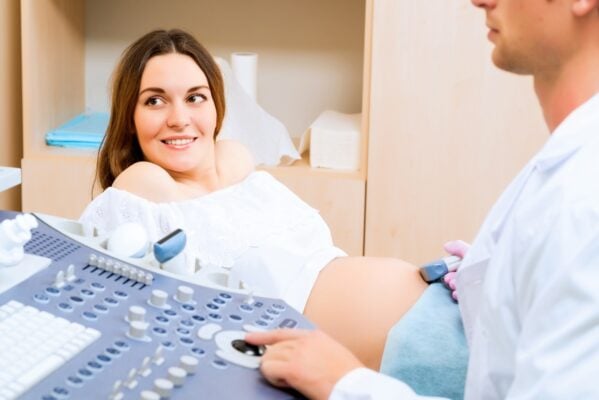
Step 2 — Hands-On Scanning with Live Pregnant Models
This is the MOST important phase of training, and it is something programs like Ultrasound Trainers are known for.
Technicians must practice on:
- Multiple gestational ages
- Different body types
- Different placenta positions
- Babies with varying activity levels
Experience builds confidence—and confidence builds image quality.
Step 3 — 3D/4D & HD Live Mastery
New techs must learn to:
- Capture volumes
- Adjust rendered light source
- Fine-tune skin smoothing
- Use motion capture effectively
- Work around challenging facial obstructions
Step 4 — Gender Determination Training
This includes:
- Recognizing landmarks
- Understanding angles
- Knowing when NOT to confirm gender
- Ethical communication
Gender accuracy builds your studio’s reputation.
Step 5 — Customer Experience Training
Staff must learn:
- Client expectations
- Professional phrasing
- Managing nervous parents
- Session pacing
- How to deliver extraordinary experiences
Step 6 — Non-Diagnostic Boundary Training
Technicians must understand:
- What to say
- What NOT to say
- How to redirect concerns
- How to protect the business legally
Step 7 — Ongoing Skill Development
The best studios offer continuous learning:
- Monthly technique workshops
- Reviewing challenging scans
- Practicing new HD imaging updates
- Staying current on safety guidelines
Ultrasound is a skill that grows with experience and mentorship.
The Importance of Having an In-House Training Manual
Your studio should create a detailed training manual that covers:
- Machine presets
- Studio-specific protocols
- Session flow
- Safety guidelines
- Equipment cleaning
- Customer service standards
- Compliance scripts
- Photo/video delivery instructions
Every staff member should follow it consistently.
Should Elective Ultrasound Techs Be Certified?
In most states, elective ultrasound techs are NOT required to have a medical sonography degree or ARDMS certification because elective ultrasound is non-diagnostic. However:
Certification programs through specialized trainers—like Ultrasound Trainers—provide the correct education for elective scanning.
Ultrasound Certification Options for Elective Studios
1. Elective Ultrasound Training Certification
- Covers 2D/3D/4D/HD imaging
- Gender determination
- Safety principles
- Hands-on practice
2. Non-Diagnostic Ultrasound Certification
- Focuses on safety & limits
- Defines scope of practice
- Teaches ALARA guidelines
3. Elective Ultrasound Business Certification
- Customer service
- Liability rules
- Policy creation
- Studio operations
Combining all three gives staff a complete foundation.
How Long Does Training Take?
Typical elective ultrasound training timelines:
- Beginner: 2–4 days intensive hands-on training
- Intermediate: 1–3 weeks of practice on models
- Proficiency: 20–40+ scans to achieve consistency
- Mastery: 100+ scans across varied situations
The more hands-on experience, the better the images.
Cost of Training Staff
Prices vary by trainer and program type, but expect:
- $1,500–$5,000 for high-quality hands-on training
- $500–$1,500 for supplemental online courses
- $2,000–$6,500 for full onsite team training
This is one of the best investments you can make in your business.
Frequently Asked Questions
No. Most states do not require medical credentials for non-diagnostic ultrasound.
Can I train someone with no medical background?
Absolutely—many top elective techs have no prior medical experience.
What training program is recommended?
Ultrasound Trainers offers industry-leading hands-on training.
How do I ensure consistent image quality?
Structured training, ongoing mentorship, and standardized studio protocols.
Is training a one-time event?
No. Ultrasound is a skill that requires ongoing development and practice.
Final Thoughts: Skilled Technicians Build Successful Studios
Your staff is the heart of your elective ultrasound business. The right training creates confident technicians, beautiful images, glowing reviews, and repeat clients. The wrong training can lead to poor images, refunds, safety concerns, and major legal risks.
Whether you’re hiring your first team member or building a full staff, invest in proper training. Your business—and your clients—deserve it.
Join the Conversation
Are you building a team or looking for training? Drop your questions below! And if this guide helped you, share it with other studio owners or aspiring ultrasound techs.

How to Build a Pre-Launch Marketing Campaign for Your Elective Ultrasound Studio: A 60-Day Countdown Plan
Pre-launch marketing for an elective ultrasound studio begins 60 days before opening. This 60-day countdown[...]

What Career Changers in Hawaii Need to Know About Elective Ultrasound Training
Considering ultrasound training for a career change in Hawaii? This Q&A guide covers what training[...]

How to Find and Recruit Volunteer Scan Models for Elective Ultrasound Practice
Finding volunteer models for elective ultrasound practice is a skill in itself. Learn where to[...]

How to Write an Elective Ultrasound Business Plan That Actually Works
Writing an elective ultrasound business plan? This guide covers what to include, how to build[...]

How to Open an Elective Ultrasound Business in Honolulu: A Practical Startup Guide
Open an elective ultrasound business in Honolulu with confidence. This guide covers training, startup costs,[...]

Adding Elective Ultrasound to an Existing Photography or Doula Practice in Montana
Montana birth photographers and doulas: adding an elective ultrasound add-on business in Montana to your[...]

Starting an Elective Ultrasound Business in Cheyenne, Wyoming: First-Mover Advantage in the Least-Crowded Market in the Country
Thinking about starting an elective ultrasound business in Cheyenne, Wyoming? This guide covers the F.E.[...]

Elective Ultrasound Training for Career Changers in Sweden
Considering a career change into elective ultrasound in Sweden? Find out what training involves, whether[...]

What Career Changers in Fayetteville Should Know About Elective Ultrasound Training
Thinking about elective ultrasound training in Fayetteville, Arkansas as a career changer? This Q&A guide[...]

The Biggest Mistake Las Vegas Elective Ultrasound Studios Make With Their Marketing
Elective ultrasound studio marketing in Las Vegas prioritizes trust and reviews over ad spend. Here's[...]

Mobile Elective Ultrasound for Baby Shower Events: Packages, Pricing, and Logistics
Mobile ultrasound baby shower events guide for elective studio operators. Covers package structure, pricing frameworks,[...]
Birth Center and Midwife Referral Partnerships: Building a Consistent Lead Pipeline for Your Studio
A birth center referral partnership for an elective ultrasound studio builds a consistent, high-converting lead[...]
Sign up for our newsletter
Sign up for our newsletter and be the first to get the latest updates and exclusive discounts delivered directly to your inbox!
Explore all training formats, durations, and programs in our complete elective ultrasound training guide.
