

Buying ultrasound equipment for a Maine studio is not the same decision as buying for a studio in a large metropolitan area, and the differences are not subtle. Maine’s geography, its relatively small birth market, and the practical realities of equipment service and support in a northern rural state all factor into which machine makes sense and which vendor relationship will hold up over time. Get those details wrong early and you are correcting them with money you needed for other things.
Buying ultrasound equipment for a Maine studio means prioritizing machine reliability and vendor support over raw feature count. Maine’s market volume is modest; a machine that goes down for two weeks while a part ships from out of state costs you more than the premium you saved buying a cheaper unit. Freight to Maine is standard, but build realistic lead times into your launch timeline.
Last Updated: July 2025
The Right Frame for Equipment Decisions in a Small Market
Buying ultrasound equipment for a Maine studio requires a different weighting of priorities than the same purchase in a high-volume urban market. When you are planning for thirty or forty sessions per month rather than a hundred, the economics of machine reliability shift decisively. Downtime in a small market is not an inconvenience. It is a percentage of your monthly revenue. The evaluation criteria that experienced small-market studio owners consistently emphasize are reliability, vendor support response time, and warranty coverage, in that order.
Image quality matters. Of course it does. But every major elective ultrasound machine on the market today produces 3D and 4D images that will satisfy a keepsake client when operated by someone who knows how to use it. The meaningful differences between machines in a keepsake context come from reliability, the quality of ongoing support, and how the operator feels behind the controls after a few months of practice.
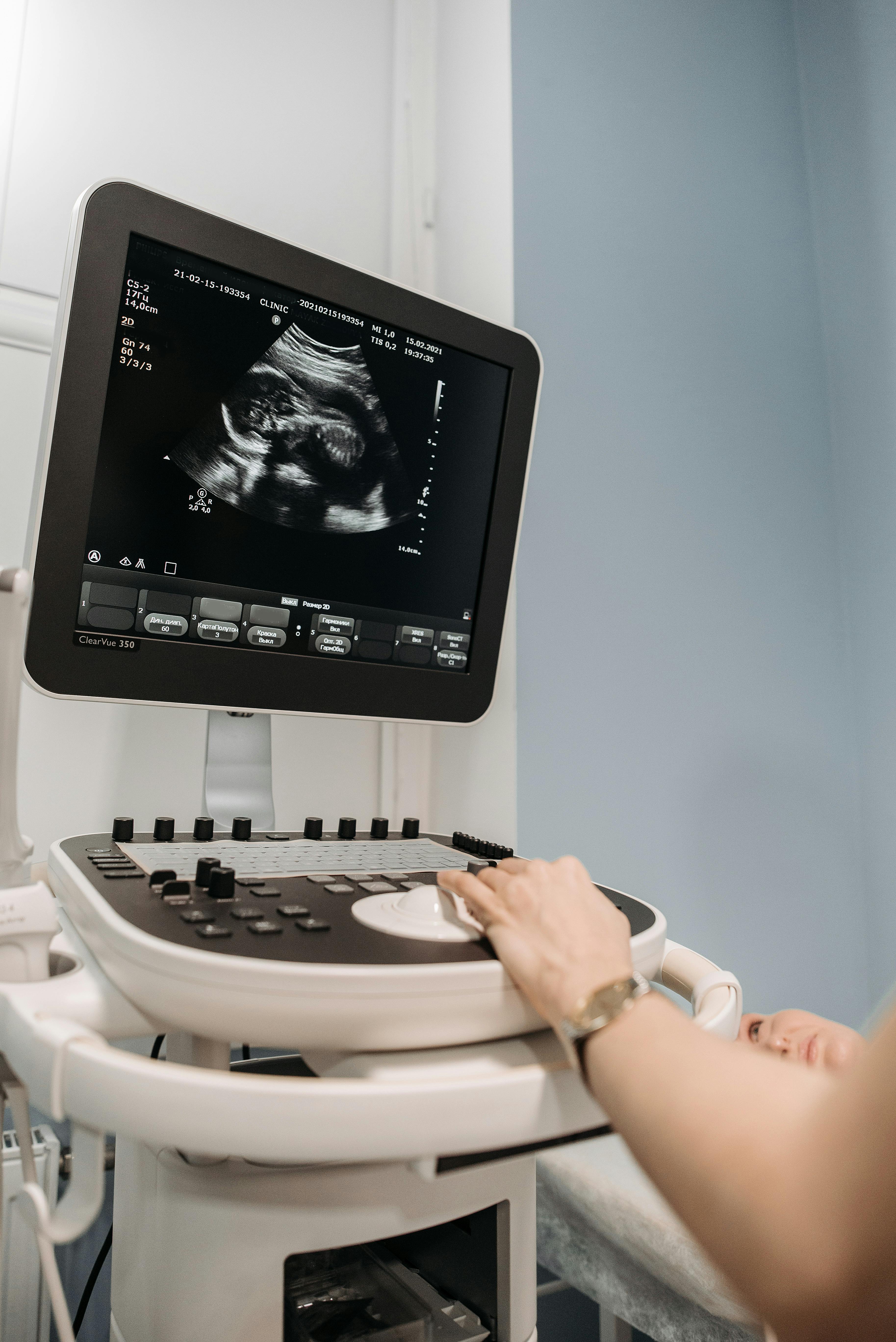
Service and Support: The Variable Most Maine Buyers Get Wrong
Ask any vendor you are evaluating these questions before you commit: Where is your nearest service technician? What is your standard response time for an in-person service call in Maine? What is the process if I need a part shipped? Do you offer a loaner machine if mine goes in for repair?
A vendor who hesitates on these answers has not done much business in Maine. That hesitation is useful information.
Maine is not a difficult freight destination for equipment delivery. Standard shipping carriers handle Portland and the major corridors without issue. Rural central Maine and Down East are a different matter for service response. If your studio is in Bangor, Augusta, or the midcoast and your vendor’s nearest service depot is in Boston or New York, you are looking at a longer turnaround for any physical service need than a Portland-based studio would face.
| Evaluation Factor | Why It Matters for a Maine Studio |
|---|---|
| Warranty period and coverage scope | Longer warranty has more value in a low-volume market where repair costs are proportionally larger |
| Remote diagnostic capability | Vendors who can diagnose and sometimes resolve issues remotely reduce downtime significantly in Maine |
| Probe replacement cost and availability | Probes are the most commonly damaged component; know the replacement cost before signing anything |
| Software update process | Remote updates vs. requiring an on-site technician visit matters more when you are hours from a service center |
| Phone support hours vs. your operating schedule | Confirm support is available during your working hours, not just East Coast business hours in theory |
New vs. Refurbished Equipment: The Maine Calculation
The new-versus-refurbished decision is more complicated in small markets like Maine than vendors on either side of that argument usually acknowledge.
A quality refurbished machine from a reputable seller with a real warranty can be excellent value. The risks are specific: if it develops a problem outside of warranty and your volume is thirty sessions per month, the cost-to-downtime ratio is steep. The argument for buying new is primarily the warranty period. That warranty is worth more in Maine than it is in a high-volume studio in a major metro that can absorb a down week more easily.
According to the SBA, small service businesses that minimize fixed cost risks in their first two years have higher survival rates than those that optimize for upfront cost savings. In equipment terms, that means the premium for a reliable new machine with a strong warranty is often a better risk-adjusted choice than the savings on a cheaper refurbished unit with thin support.
Why Your Training Choice Should Drive Your Equipment Decision
The most consistent equipment mistake new Maine studio owners make is buying a machine before completing training. It sounds backwards, but the logic behind it is sound: your training program should ideally be conducted on the same machine type you intend to purchase and operate. Learning on one machine and then switching to another resets a portion of your muscle memory and confidence at exactly the moment when you need it most, your first paying client sessions.
Programs that train on-site, at your location, using your equipment eliminate this problem entirely. You complete training on your machine, in your space, with the client flow you will actually experience. That is the most efficient path from training completion to genuine proficiency.
Maine operators in particular benefit from on-site training because the logistics of traveling to a mainland training center and then returning home to operate on different equipment adds unnecessary friction and adjustment time.
Matching Equipment Capability to Maine Market Volume
You do not need a hospital-grade system to run a profitable keepsake studio in Maine. You need a reliable 3D/4D machine with good image capability in the 24 to 34 week gestational window, a thermal printer for on-site image printing, a projector or flat-panel display for the client viewing experience, and a workable audio setup if you are offering heartbeat recordings.
Overkill on equipment in a small market creates a fixed cost structure that the market volume cannot support. Ultrasound Trainers can help you identify the right equipment tier for your specific business model and geographic market rather than defaulting to the most impressive-looking option on a spec sheet.
Get Equipment Guidance Built for Maine’s Market
Ultrasound Trainers sells elective ultrasound equipment and works with new studio owners to evaluate what makes sense for their specific market, volume expectations, and budget. If you are planning a Maine studio and want equipment guidance that accounts for the local market realities, reach out.
Explore Ultrasound EquipmentLast Updated: July 2025
Get the Inside Track
Training tips, business advice, and exclusive deals delivered straight to your inbox.

How to Get More Bookings for Your Elective Ultrasound Studio in Montana
Struggling to fill your elective ultrasound booking calendar in Montana? This guide covers what actually[...]

Buying an Elective Ultrasound Machine for an Arkansas Studio: What Actually Matters
Ready to buy an elective ultrasound machine for your Arkansas studio? This guide covers the[...]

How to Build a Pre-Launch Marketing Campaign for Your Elective Ultrasound Studio: A 60-Day Countdown Plan
Pre-launch marketing for an elective ultrasound studio begins 60 days before opening. This 60-day countdown[...]

What Career Changers in Hawaii Need to Know About Elective Ultrasound Training
Considering ultrasound training for a career change in Hawaii? This Q&A guide covers what training[...]

How to Find and Recruit Volunteer Scan Models for Elective Ultrasound Practice
Finding volunteer models for elective ultrasound practice is a skill in itself. Learn where to[...]

How to Write an Elective Ultrasound Business Plan That Actually Works
Writing an elective ultrasound business plan? This guide covers what to include, how to build[...]

How to Open an Elective Ultrasound Business in Honolulu: A Practical Startup Guide
Open an elective ultrasound business in Honolulu with confidence. This guide covers training, startup costs,[...]

Adding Elective Ultrasound to an Existing Photography or Doula Practice in Montana
Montana birth photographers and doulas: adding an elective ultrasound add-on business in Montana to your[...]

Starting an Elective Ultrasound Business in Cheyenne, Wyoming: First-Mover Advantage in the Least-Crowded Market in the Country
Thinking about starting an elective ultrasound business in Cheyenne, Wyoming? This guide covers the F.E.[...]

Elective Ultrasound Training for Career Changers in Sweden
Considering a career change into elective ultrasound in Sweden? Find out what training involves, whether[...]

What Career Changers in Fayetteville Should Know About Elective Ultrasound Training
Thinking about elective ultrasound training in Fayetteville, Arkansas as a career changer? This Q&A guide[...]

The Biggest Mistake Las Vegas Elective Ultrasound Studios Make With Their Marketing
Elective ultrasound studio marketing in Las Vegas prioritizes trust and reviews over ad spend. Here's[...]
