

The question of ARDMS vs non-diagnostic credential elective ultrasound is one of the first things aspiring studio owners ask, and one of the most consistently confusing areas for people entering this industry. The confusion is understandable: the credential landscape was built around diagnostic clinical practice, not around the keepsake business model. Mapping it onto a different use case requires some careful thinking.
This post cuts through the confusion directly. What do ARDMS and ARRT credentials actually represent? What are non-diagnostic training pathways? And most importantly, what do you actually need to open and operate a professional keepsake ultrasound studio?
ARDMS and ARRT are credentials for diagnostic clinical practice, not for elective keepsake studio operation. The ARDMS vs non-diagnostic credential elective ultrasound question resolves differently depending on your state and business structure, but most elective studios operate under non-diagnostic training rather than clinical certification. What matters most is professional training quality, not credential letters. Last Updated: June 2026
What ARDMS Actually Is
The ARDMS vs non-diagnostic credential elective ultrasound distinction starts with understanding what ARDMS is designed for. ARDMS (American Registry for Diagnostic Medical Sonography) is a credential for registered diagnostic sonographers, professionals who perform and interpret clinical ultrasound in medical settings. Obtaining ARDMS certification typically requires completing an accredited sonography education program (usually two to four years), clinical hours in a supervised diagnostic setting, and passing a series of specialty examinations. It is a rigorous professional credential built for clinical practice.
ARRT (American Registry of Radiologic Technologists) covers a broader range of imaging modalities, including some ultrasound pathways, and operates under a similar framework: accredited education, clinical hours, examination, and continuing education requirements for maintenance.
Neither credential is designed with the elective keepsake studio model in mind. They are diagnostic clinical credentials. An ARDMS-certified sonographer performing clinical OB/GYN scans in a hospital is using those credentials as intended. A keepsake studio operator does not need to be an ARDMS registrant to operate a legitimate non-diagnostic business.
What “Non-Diagnostic” Training Means
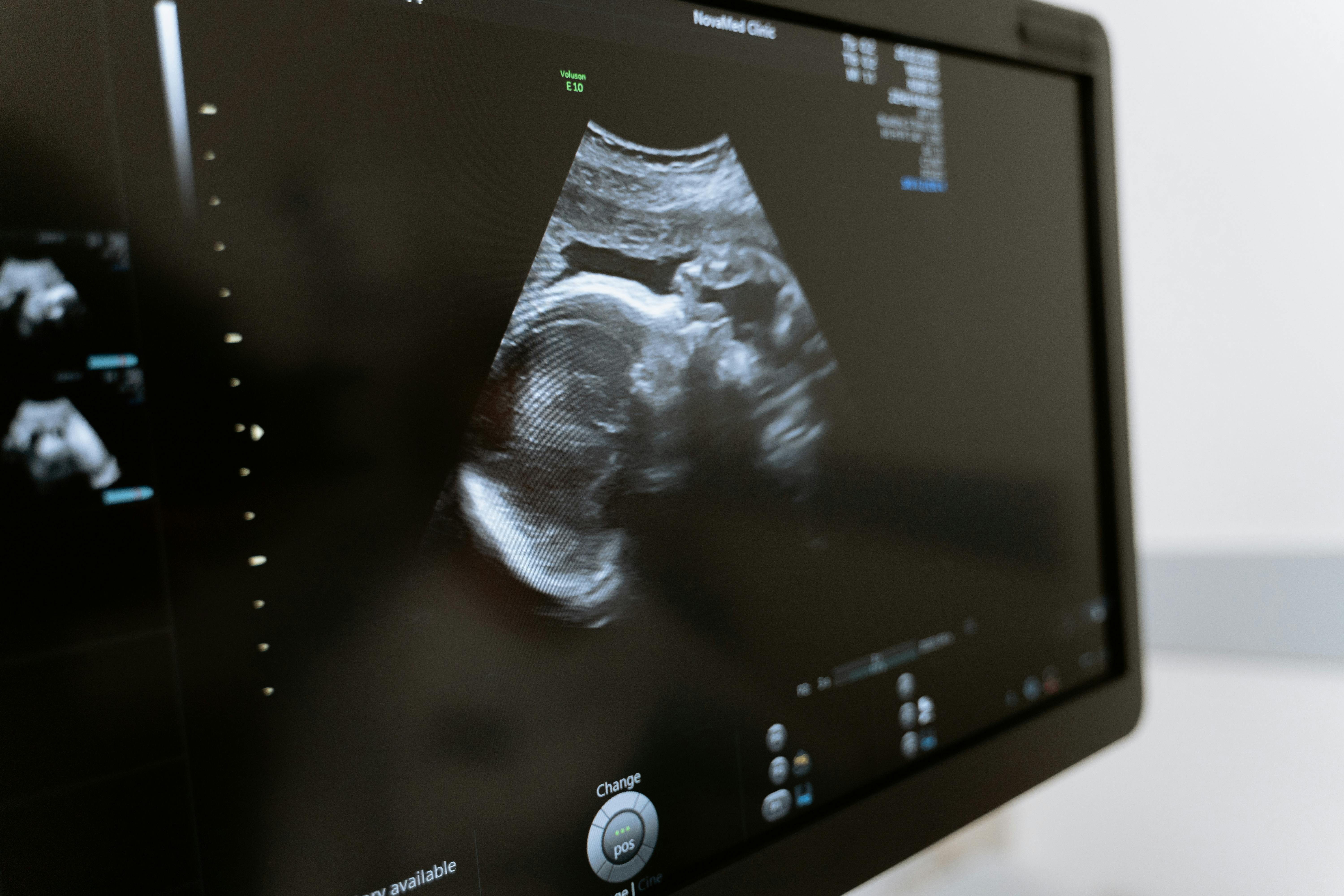
Non-diagnostic training pathways are specifically designed for the elective keepsake ultrasound context. They cover the skills and knowledge an elective studio operator actually needs:
- 3D and 4D machine operation: Understanding your specific equipment, its controls, optimization settings, and workflow
- Image quality optimization: How to produce consistently clear, emotionally compelling images in the keepsake context
- Scanning technique: Transducer positioning, approach by gestational age, achieving fetal cooperation, managing common image quality challenges
- Early gender determination: Training at 15 to 16 weeks gestational age using appropriate technique
- 2D assessment basics: Enough 2D knowledge to navigate the session professionally and to recognize situations requiring referral to a client’s medical provider
- Client interaction and session management: How to deliver the experience professionally and manage client expectations appropriately
- Safety parameters: Understanding thermal and mechanical indices and how to maintain appropriate settings throughout a session
This is the training foundation for a professional elective studio operator. It is meaningfully different from the diagnostic clinical training an ARDMS pathway covers, which includes pathology identification, anatomy evaluation, clinical measurement protocols, and diagnostic reporting. Elective studio operators don’t need diagnostic training. They need excellent elective training.
The State Regulation Variable
Here’s where honest answers require a caveat: state requirements for elective ultrasound studio operation vary, and they have been evolving. Some states have explicit regulations that address keepsake ultrasound, either establishing operator requirements or explicitly exempting non-diagnostic keepsake services from clinical licensure requirements. Most states have not passed specific legislation addressing the practice.
This is not a situation where a blanket answer applies everywhere. Before you structure your business in any specific state, confirm the local requirements with a licensed attorney familiar with healthcare and small business law in that jurisdiction. Do not rely on what worked in another state without verifying it applies where you are.
When an ARDMS or Healthcare Background Is an Advantage
There is a real advantage to having healthcare training or a diagnostic sonography background when operating an elective studio, just not in the way most people assume. The advantage isn’t credential-based. It’s knowledge-based.
An ARDMS-certified sonographer who opens a keepsake studio brings deep anatomical knowledge, strong machine proficiency, and clinical judgment about when something looks atypical. Those competencies translate directly into a higher-quality scanning experience and a more professionally confident operator. Clients sense the difference.
The practical implication for operators without a clinical background is to take training seriously enough to close the gap. The hands-on technical skills of a professional elective studio operator can be built through high-quality non-diagnostic training, but only if the training is genuinely comprehensive. A three-day intensive private program that covers machine operation, image optimization, scanning technique, gender determination, and safety protocols, conducted at your location with your equipment, gives operators real skill. A short online course does not.
According to the Bureau of Labor Statistics’ occupational data on health-adjacent service businesses, businesses where operators invest in above-minimum-required training consistently outperform those that train to the regulatory minimum in client satisfaction, retention, and revenue growth.
The Credential Question Clients and Physicians Ask
Clients occasionally ask about credentials. Physicians sometimes raise the subject when a studio owner introduces themselves. Here’s how to answer honestly and professionally:
You are an elective keepsake ultrasound studio operator, trained specifically for the non-diagnostic keepsake context. You are not a diagnostic sonographer and you do not claim to be. Your training covers the professional operation of ultrasound equipment for elective bonding experiences, including safety protocols, image optimization, and the appropriate scope of what your service provides. Clients receive a keepsake experience. They continue their prenatal care with their medical provider.
That answer is accurate. It’s complete. It doesn’t oversell your credentials or undersell your training. It positions you exactly as what you are: a trained professional in a specific non-diagnostic service category.
| Credential / Training | Designed For | Relevant to Elective Studio? |
|---|---|---|
| ARDMS (RDMS) | Diagnostic clinical sonography | Not required; clinical background is an advantage but not the credential itself |
| ARRT (Ultrasound pathway) | Diagnostic imaging in clinical settings | Same as ARDMS: clinical knowledge useful, credential not required for elective |
| Non-diagnostic elective training | Keepsake studio operators specifically | The appropriate and purpose-built pathway for elective studios |
| State medical license | Licensed medical practice | Not applicable to non-diagnostic elective services; confirm with local attorney |
People Also Ask
Do I need ARDMS certification to open a keepsake ultrasound studio?
No, ARDMS certification is a credential for diagnostic clinical sonography practice, not for elective keepsake studio operation. Most elective studios operate under non-diagnostic training pathways. State-specific requirements vary, and local legal guidance is essential to confirm what applies in your jurisdiction. The ARDMS vs non-diagnostic credential elective ultrasound question resolves through your state’s specific regulatory framework, not a single national answer.
Can a sonographer open an elective ultrasound studio?
Yes, and a clinical sonography background is a genuine advantage. ARDMS or ARRT certification represents strong foundational knowledge that transfers well to the elective context. However, the elective studio business model also requires specific non-diagnostic training, business operations knowledge, and a clear understanding of the scope distinction between clinical and keepsake services.
What training do I need without a medical background?
Comprehensive non-diagnostic elective ultrasound training covering 3D/4D machine operation, image optimization, scanning technique by gestational age, early gender determination, safety protocols, and studio business operations is the appropriate pathway. The quality and comprehensiveness of the training matters more than the credential letters attached to it. Private hands-on programs conducted at your location produce the most directly applicable skill development.
Do elective ultrasound regulations vary by state?
Yes, significantly. Some states have specific regulations addressing keepsake ultrasound. Most do not have legislation specific to the practice. Requirements can also vary by how the service is structured and marketed. Always confirm state-specific requirements with a licensed attorney before opening, regardless of what you’ve read about practice in other states.
What does non-diagnostic elective ultrasound training cover?
A comprehensive program covers 3D and 4D machine operation and optimization, scanning technique across gestational ages, early gender determination at 15 to 16 weeks, 2D assessment basics, safety parameter management (thermal and mechanical indices), client interaction protocols, and the operational practices of running a professional studio. Training conducted at your location with your actual equipment provides the most practically applicable preparation.
Ready to Start With the Right Training Foundation?
Ultrasound Trainers offers private hands-on training and turnkey business packages specifically designed for elective studio operators. Whether you’re coming from a clinical background or starting fresh, the programs are built around the skills and knowledge your studio actually needs. Explore elective 3D/4D ultrasound training or reach out to discuss your specific situation.
Start the ConversationLast Updated: June 2026
Get the Inside Track
Training tips, business advice, and exclusive deals delivered straight to your inbox.

How to Get More Bookings for Your Elective Ultrasound Studio in Montana
Struggling to fill your elective ultrasound booking calendar in Montana? This guide covers what actually[...]

Buying an Elective Ultrasound Machine for an Arkansas Studio: What Actually Matters
Ready to buy an elective ultrasound machine for your Arkansas studio? This guide covers the[...]

How to Build a Pre-Launch Marketing Campaign for Your Elective Ultrasound Studio: A 60-Day Countdown Plan
Pre-launch marketing for an elective ultrasound studio begins 60 days before opening. This 60-day countdown[...]

What Career Changers in Hawaii Need to Know About Elective Ultrasound Training
Considering ultrasound training for a career change in Hawaii? This Q&A guide covers what training[...]

How to Find and Recruit Volunteer Scan Models for Elective Ultrasound Practice
Finding volunteer models for elective ultrasound practice is a skill in itself. Learn where to[...]

How to Write an Elective Ultrasound Business Plan That Actually Works
Writing an elective ultrasound business plan? This guide covers what to include, how to build[...]

How to Open an Elective Ultrasound Business in Honolulu: A Practical Startup Guide
Open an elective ultrasound business in Honolulu with confidence. This guide covers training, startup costs,[...]

Adding Elective Ultrasound to an Existing Photography or Doula Practice in Montana
Montana birth photographers and doulas: adding an elective ultrasound add-on business in Montana to your[...]

Starting an Elective Ultrasound Business in Cheyenne, Wyoming: First-Mover Advantage in the Least-Crowded Market in the Country
Thinking about starting an elective ultrasound business in Cheyenne, Wyoming? This guide covers the F.E.[...]
Elective Ultrasound Training for Career Changers in Sweden
Considering a career change into elective ultrasound in Sweden? Find out what training involves, whether[...]

What Career Changers in Fayetteville Should Know About Elective Ultrasound Training
Thinking about elective ultrasound training in Fayetteville, Arkansas as a career changer? This Q&A guide[...]
The Biggest Mistake Las Vegas Elective Ultrasound Studios Make With Their Marketing
Elective ultrasound studio marketing in Las Vegas prioritizes trust and reviews over ad spend. Here's[...]
