

If you’ve been researching elective ultrasound training in Arkansas, you’ve probably noticed that reliable, practical information is hard to find. The industry is growing, the demand for keepsake 3D and 4D ultrasound studios is real, and Arkansas is an early enough market that getting in now means building without much direct competition breathing down your neck. But training is the first decision, and it matters more than most people expect.
Elective ultrasound training in Arkansas prepares you to operate 3D and 4D ultrasound equipment for keepsake and bonding sessions. A strong program covers hands-on scanning technique, machine operation, early gender determination, and business basics — not just theory. The right training builds real confidence before you open your doors.
Last Updated: May 2025
What Elective Ultrasound Training in Arkansas Actually Covers
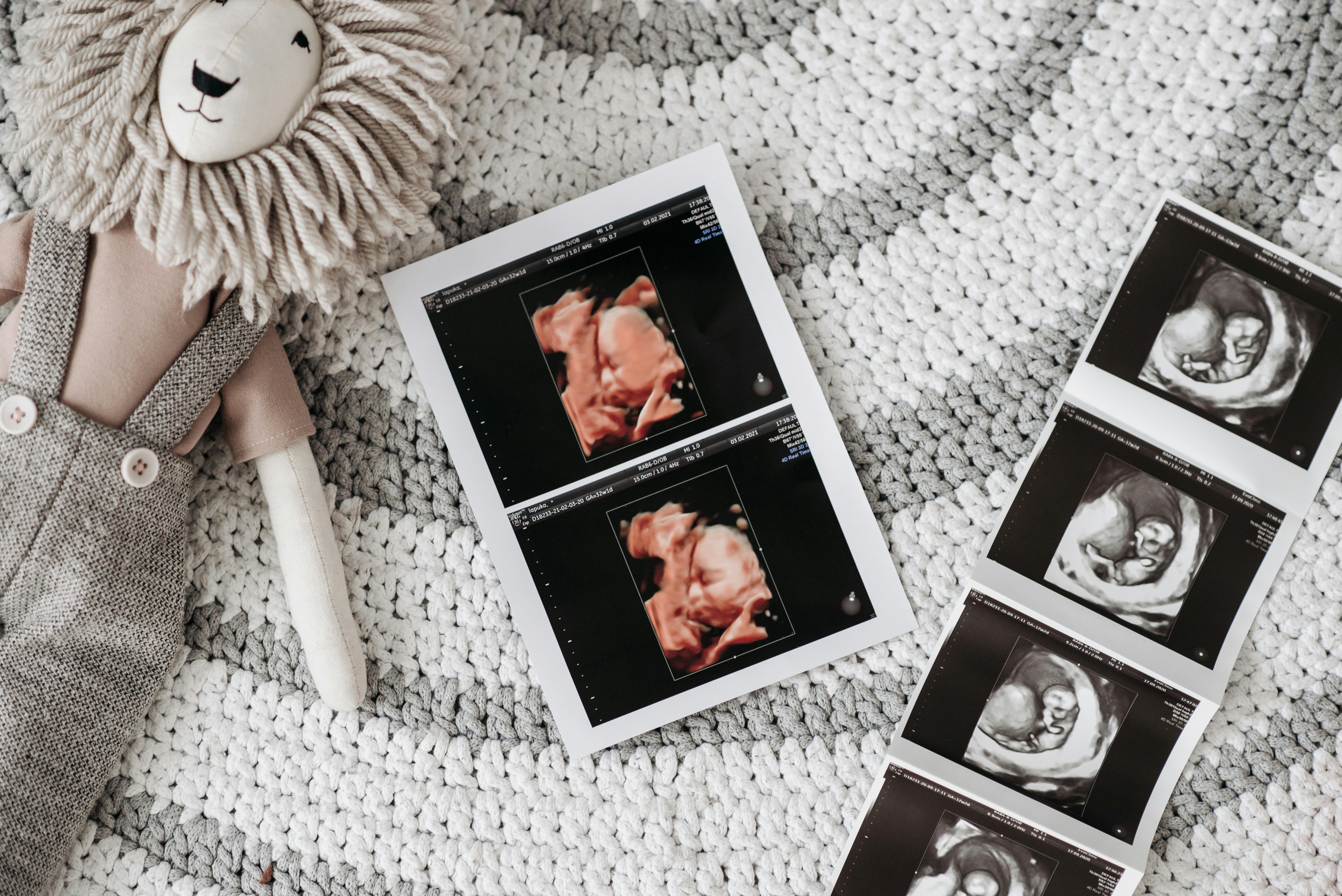
Elective ultrasound training in Arkansas is designed to teach you how to operate a 3D and 4D ultrasound machine for keepsake and bonding sessions — not diagnostic medical imaging. The training is separate from clinical sonography programs and is focused entirely on the elective studio environment: working with expecting families, producing high-quality images, and running sessions professionally.
A thorough program covers machine operation and setup, probe technique, image optimization, early gender determination (typically at 15 to 16 weeks), 2D scanning basics, and how to identify common presentation issues that affect image quality. The best programs also include business guidance, because knowing how to scan is only half the job.

What training does not cover is clinical diagnosis. Elective ultrasound is designed for bonding and keepsake experiences. Clients should always continue routine prenatal care with their medical provider. That distinction matters both legally and ethically, and a good training program makes it very clear.
Why Hands-On Training Makes the Difference
There’s a version of ultrasound training that happens entirely online, through videos and written materials. It exists. Some people complete it. But the gap between watching a scan and performing one is significant, and it shows quickly once real clients are on the table.
We’ve worked with studio owners across the country, and the pattern is consistent: operators who went through structured hands-on training feel more confident in their first weeks, handle difficult scan scenarios better, and produce better images earlier in their business. That confidence matters to clients too. Families coming in for a keepsake session want to feel like they’re in capable hands.
Hands-on training means practicing on real clients and training phantoms under direct guidance. You’re not just watching — you’re adjusting probe angles, troubleshooting image quality in real time, and building muscle memory that you can’t get from a screen.
Who Elective Ultrasound Training in Arkansas Is a Good Fit For
The people who tend to do well in this industry come from a range of backgrounds. Some have healthcare experience — nursing, medical assisting, radiologic technology — and want to pivot into a client-facing business they own. Others are photographers, doulas, or birth professionals who already work with pregnant families and see elective ultrasound as a natural extension of what they do.
But a significant portion of people who successfully open studios have no medical background at all. They’re entrepreneurs who saw an opportunity, took training seriously, and built a business around it. According to the U.S. Small Business Administration, the service sector accounts for the majority of new small business formation in states like Arkansas, and health-adjacent wellness services have seen consistent growth over the past decade.
What matters most isn’t your starting background. It’s whether you’re willing to practice seriously during training, follow compliance guidance, and approach the business with genuine professionalism.
What to Ask a Training Program Before You Enroll
Not all programs are built the same. Some are rigorous and practical. Others are light on hands-on time and heavy on marketing materials about how easy the business is. A few questions help you sort them out quickly.
- How many days is the training, and how much of that time is hands-on scanning?
- Is training conducted at my location, or do I travel somewhere?
- Will I use my own equipment during training, or equipment provided by the program?
- Does the program include early gender determination training?
- What business guidance is included, and what’s left for me to figure out on my own?
- What ongoing support is available after training ends?
Ultrasound Trainers offers private, hands-on training at your location, using your own equipment, over three focused days. That format matters because you learn on the exact machine you’ll use with clients, in the actual space where you’ll work.
The Arkansas Market: What Makes It Worth Paying Attention To
Arkansas isn’t a saturated market. Cities like Little Rock, Fayetteville, Jonesboro, and Fort Smith have growing populations and active family communities, but elective ultrasound studio density is low compared to states like Texas or Florida. According to the U.S. Census Bureau, Arkansas has seen steady population growth in its metropolitan areas over the past five years, driven in part by younger families relocating for affordability and quality of life.
That demographic profile maps well onto the elective ultrasound client base. Young families, first-time parents, and grandparents wanting a keepsake experience are all common studio clients. In a state with limited competition and genuine demand, a well-trained, well-positioned studio has a real opportunity to build a strong local brand early.
The Northwest Arkansas corridor — Fayetteville, Springdale, Rogers, Bentonville — has grown particularly fast, fueled by Walmart’s corporate presence and an influx of tech and logistics jobs. That economic growth brings higher household incomes and a client base with both the interest and the means to book elective ultrasound sessions.
Training, Compliance, and What Arkansas Operators Should Understand
Elective ultrasound operates in a different regulatory space than diagnostic medical imaging. Most states, including Arkansas, do not license or regulate elective ultrasound studios the same way they license clinical imaging centers. That said, this area of regulation is not static, and requirements can vary depending on local ordinances, business structure, and any associated services you plan to offer.
A good training program helps you understand how to operate ethically and professionally within that environment. That means clear client intake processes, appropriate session scope, and consistent communication that positions your service as a bonding and keepsake experience — not a medical evaluation. Readers should verify current local requirements and seek appropriate legal or business counsel before launching.
Training Only vs. Turnkey: Choosing the Right Entry Point
There are two primary ways to engage with Ultrasound Trainers, and which one fits depends on where you are in the process.
If you already have equipment, or if you want to keep startup costs focused, the private hands-on training program is a strong starting point. Three days, at your location, using your machine. The $10,000 investment covers thorough instruction in scanning, image optimization, early gender determination, and the practical foundations of running a session professionally.
If you’re starting from scratch and want a more complete launch path, the turnkey package bundles training with equipment, website development, branding, marketing materials, and 36 months of ongoing support — with no royalties or franchise fees. It’s a larger upfront investment, but it eliminates a significant amount of the coordination and decision-making that comes with building from the ground up.
Most people who approach training seriously — regardless of which package they choose — find that the quality of the instruction is what determines how quickly they get comfortable with clients. Equipment and branding can be adjusted. Scan confidence takes time and real practice to build.
Frequently Asked Questions
Do I need a medical background to enroll in elective ultrasound training in Arkansas?
No. Many successful studio owners come from non-medical backgrounds — photography, business, education, and similar fields. A medical background can reduce the learning curve for some technical concepts, but it’s not a requirement. What matters most is a serious approach to training and a commitment to practicing correctly.
How long does elective ultrasound training take?
The private hands-on training program through Ultrasound Trainers runs three days at your location. The turnkey program runs four days. Either way, the goal is for you to leave with practical confidence — not just theoretical knowledge — so the schedule is designed around hands-on time, not lectures.
Is elective ultrasound legal to operate in Arkansas?
Elective ultrasound studios operate in a different regulatory category than diagnostic medical imaging. Requirements can vary by location and business structure, and this area can change. Always verify current regulations, business licensing requirements, and any applicable local ordinances before opening. Your training program should help you understand the compliance framework, but independent legal guidance is recommended before launch.
Can I train before I have a studio space secured?
Yes, and many people do. The private training program requires that you have your equipment already, since training happens using your machine. If you’re still in the planning stages, it often makes sense to use the pre-training period to finalize your location and equipment decisions so that you’re ready to practice immediately after training ends.
Ready to Talk Through Your Training Options in Arkansas?
Ultrasound Trainers works with people at all stages — from first research to ready to launch. If you’re exploring elective ultrasound training in Arkansas and want to understand your options, our team can help you think through the format, timeline, and next steps that fit your situation.
Start the ConversationLast Updated: May 2025
Get the Inside Track
Training tips, business advice, and exclusive deals delivered straight to your inbox.

How to Get More Bookings for Your Elective Ultrasound Studio in Montana
Struggling to fill your elective ultrasound booking calendar in Montana? This guide covers what actually[...]

Buying an Elective Ultrasound Machine for an Arkansas Studio: What Actually Matters
Ready to buy an elective ultrasound machine for your Arkansas studio? This guide covers the[...]

How to Build a Pre-Launch Marketing Campaign for Your Elective Ultrasound Studio: A 60-Day Countdown Plan
Pre-launch marketing for an elective ultrasound studio begins 60 days before opening. This 60-day countdown[...]

What Career Changers in Hawaii Need to Know About Elective Ultrasound Training
Considering ultrasound training for a career change in Hawaii? This Q&A guide covers what training[...]

How to Find and Recruit Volunteer Scan Models for Elective Ultrasound Practice
Finding volunteer models for elective ultrasound practice is a skill in itself. Learn where to[...]

How to Write an Elective Ultrasound Business Plan That Actually Works
Writing an elective ultrasound business plan? This guide covers what to include, how to build[...]

How to Open an Elective Ultrasound Business in Honolulu: A Practical Startup Guide
Open an elective ultrasound business in Honolulu with confidence. This guide covers training, startup costs,[...]

Adding Elective Ultrasound to an Existing Photography or Doula Practice in Montana
Montana birth photographers and doulas: adding an elective ultrasound add-on business in Montana to your[...]

Starting an Elective Ultrasound Business in Cheyenne, Wyoming: First-Mover Advantage in the Least-Crowded Market in the Country
Thinking about starting an elective ultrasound business in Cheyenne, Wyoming? This guide covers the F.E.[...]

Elective Ultrasound Training for Career Changers in Sweden
Considering a career change into elective ultrasound in Sweden? Find out what training involves, whether[...]

What Career Changers in Fayetteville Should Know About Elective Ultrasound Training
Thinking about elective ultrasound training in Fayetteville, Arkansas as a career changer? This Q&A guide[...]

The Biggest Mistake Las Vegas Elective Ultrasound Studios Make With Their Marketing
Elective ultrasound studio marketing in Las Vegas prioritizes trust and reviews over ad spend. Here's[...]
