
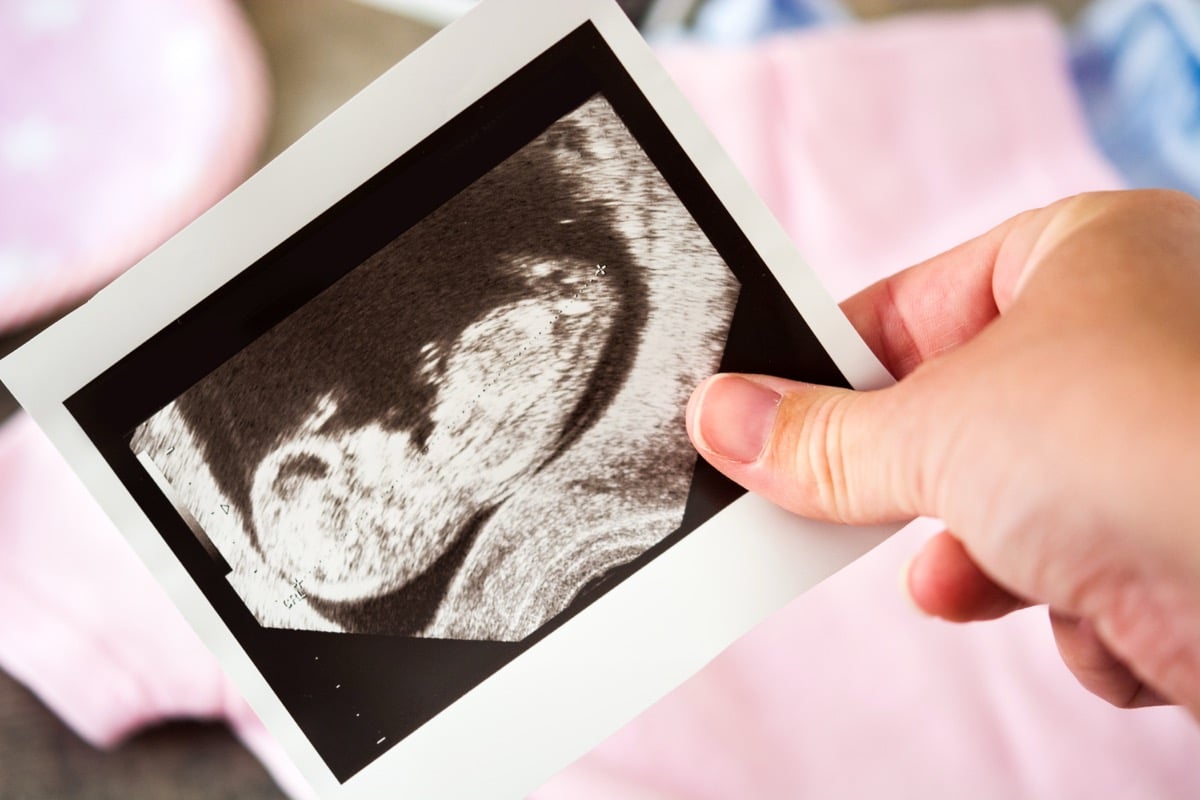
Your first elective ultrasound training session focuses on machine orientation, basic probe handling, image formation, and early supervised scanning practice. Expect a combination of demonstration and hands-on time. What to expect from your first elective ultrasound training session is a blend of technical learning and real practice that builds foundational confidence before the curriculum expands into advanced technique.
Walking into your first elective ultrasound training session without knowing what to expect creates unnecessary anxiety. The reality is more manageable than most people anticipate, and being mentally prepared for the actual sequence of the day makes the learning faster.
This guide walks through what a well-structured first training session looks like: what happens when, what you will be doing, what will feel hard, and what will feel more natural than you expected. If you are about to start training, this gives you a useful mental map before day one.
The First Hour: Machine Orientation
Before you touch a probe, you need to understand the machine in front of you. The first portion of training typically starts with a full walkthrough of your specific ultrasound unit: the control panel layout, what each mode button does, how the menu system is organized, and where the settings that affect image quality are located.
This is less intuitive than it sounds for most new trainees. Modern ultrasound machines have a lot of controls. Experienced operators move through menus quickly because they have built automatic responses to what they see on the screen. On your first day, you are building that map from scratch. Good training does not assume you already know it. It walks you through systematically, explains why each control matters, and comes back to reinforce it when you start scanning.
Understanding the Image: What You Are Actually Looking At
One of the core things your first session establishes is how to interpret what appears on the screen. Ultrasound imaging works differently from photography. The image is a real-time cross-section of tissue, built from sound wave reflections. Understanding why the image looks the way it does, and what is actually happening when you see shadowing, brightness variation, or artifact, is fundamental to improving it.
Training covers the basics of image formation: what hyperechoic and hypoechoic mean in practical terms, how depth and focus settings affect what you see, and how to recognize when the image is as good as it is going to get versus when you can still improve it with technique adjustments.
This knowledge is what separates an operator who understands their tool from one who is just reacting to what appears on screen. You do not need a physics degree to get here. You need a trainer who explains it clearly and connects it to the practical adjustments you will actually make during a session.
First Probe Contact: What the Learning Curve Feels Like
Picking up the transducer for the first time and actually placing it on a practice subject, whether a phantom or a real scan, is where most people get their first honest look at the learning curve. The gap between watching someone scan and doing it yourself is real and it is normal.
Here is what actually happens. You know roughly where to position the probe. But translating what you see on the screen into how to adjust your angle in real time is a spatial reasoning skill that does not arrive fully formed. You will move the probe and watch the image change in ways that feel unpredictable until the connection between probe angle and image response starts to click.

That click happens. It typically happens faster than people expect, especially with focused supervision. But the first session is not where mastery lives. It is where the foundation gets laid.
What to expect from your first elective ultrasound training session in terms of immediate competence: you will have a basic functional understanding of the machine and the beginning of probe handling skill. You will not be producing polished 3D images on day one. That comes with supervised repetition over the training period.
2D Scanning: Why You Start Here
Training programs start with 2D scanning, not 3D or 4D. This is intentional. Two-dimensional mode is the foundation for everything else. You navigate, orient, and position using 2D. Your ability to find a fetal structure in 2D determines how quickly you can set up an effective 3D acquisition.
In the first session, 2D practice focuses on finding basic anatomical landmarks, understanding different scan planes, and learning how to maintain a consistent image while the transducer is in contact with a live subject. These are building blocks, not the finished product, and treating them as such makes subsequent technique development faster.
What Happens When Conditions Are Not Ideal
One of the most valuable things a first training session can teach is that conditions are never perfect, and that is not a problem with your technique. Fetal position, amniotic fluid levels, maternal body type, placenta location, gestational age, and simple fetal activity all affect what you can and cannot image on any given day.
Learning this reality early changes your mindset in important ways. You stop expecting the image to cooperate automatically and start developing the patience and adaptability that define skilled operators. A trainee who understands early that challenging conditions require technique adjustments, not frustration, develops faster than one who interprets every difficult scan as a personal failure.
The elective ultrasound training program at Ultrasound Trainers builds this adaptability into the curriculum from the first day, because the question of what to do when the baby is posterior or the fluid is low is one you will face in your studio within the first week of opening.
The End of Day One: What You Should Walk Away With
After a full first training session, you should leave with a clear mental model of the machine’s core controls, a beginning understanding of how probe angle affects image output, supervised scan experience in 2D mode, and an honest picture of where the rest of the training will take you.
You should also have a sense of what your trainer identified as your specific starting-point strengths and the areas where your technique needs the most focus. Good training is not generic. It watches what you do and adjusts instruction to fit your actual development needs.
What you should not expect to leave with on day one is mastery, comfort with 3D/4D imaging, or confidence performing a full client session independently. Those come through the complete training program and the practice period that follows. Day one plants the seed. The days that follow grow it.
How to Prepare Before Your First Training Session
People Also Ask
How long does a first elective ultrasound training session typically last?
A full training day typically runs six to eight hours. This allows time for machine orientation, technique instruction, and hands-on practice without feeling rushed. Multi-day programs build on each day sequentially, so day one lays the groundwork that subsequent days expand.
Will I scan real clients on my first day of training?
This depends on the program. Some include live client scans starting day one with close trainer supervision. Others begin with phantoms to build basic probe confidence before real-client practice. Either approach can work well when properly structured.
What if I feel completely lost during training?
Feeling uncertain during early training is normal and expected. The initial learning curve is real. Tell your trainer what is not making sense so they can adjust their explanation. The best trainers adapt their approach to where you are, not to where they expect you to be.
How much do I need to study before starting elective ultrasound training?
Pre-study is not required for most programs. A basic familiarity with fetal anatomy and general pregnancy stages is helpful context but not a prerequisite. A good training program starts from the beginning and does not assume prior knowledge.
Is the first training session mostly observation or hands-on?
A well-designed first session balances both. Observation is useful for understanding technique before you attempt it. But hands-on time should start early in day one, even if it begins with basic exercises. Programs that delay hands-on practice too far into the training schedule slow down skill development.
What happens after training ends?
Post-training practice is essential. Most programs recommend continued scanning practice on family, friends, or volunteer clients before your first paid session. The skill you built in training develops further with independent repetition, and programs with ongoing support give you a resource when questions come up.
Do I need any supplies for my first training session?
Your training provider typically brings what is needed or works with what your studio already has. Confirm in advance with your trainer what they need you to have on hand, especially if training is happening at your location. Ultrasound gel and a clean practice surface are typically the primary day-one requirements.
What makes a first training session particularly effective?
Focused one-on-one instruction, real hands-on time starting early in the day, a trainer who explains the why behind each technique, and practice on the actual machine you will use in your studio. These four elements together produce the strongest day-one foundation.
Ready to Start Your Training?
If you are preparing for your first elective ultrasound training session or evaluating programs that are right for your starting point, Ultrasound Trainers can walk you through the format, the curriculum, and what to expect before you commit.
Start the ConversationAbout Ultrasound Trainers: Ultrasound Trainers delivers private hands-on elective ultrasound training at your location, using your equipment. We have worked with trainees from every starting-point background, and our curriculum is designed to build real scan confidence through supervised practice, not theory alone. Ongoing support continues after training ends.
Last Updated: April 23, 2026
Get the Inside Track
Training tips, business advice, and exclusive deals delivered straight to your inbox.

How to Get More Bookings for Your Elective Ultrasound Studio in Montana
Struggling to fill your elective ultrasound booking calendar in Montana? This guide covers what actually[...]

Buying an Elective Ultrasound Machine for an Arkansas Studio: What Actually Matters
Ready to buy an elective ultrasound machine for your Arkansas studio? This guide covers the[...]

How to Build a Pre-Launch Marketing Campaign for Your Elective Ultrasound Studio: A 60-Day Countdown Plan
Pre-launch marketing for an elective ultrasound studio begins 60 days before opening. This 60-day countdown[...]

What Career Changers in Hawaii Need to Know About Elective Ultrasound Training
Considering ultrasound training for a career change in Hawaii? This Q&A guide covers what training[...]

How to Find and Recruit Volunteer Scan Models for Elective Ultrasound Practice
Finding volunteer models for elective ultrasound practice is a skill in itself. Learn where to[...]

How to Write an Elective Ultrasound Business Plan That Actually Works
Writing an elective ultrasound business plan? This guide covers what to include, how to build[...]

How to Open an Elective Ultrasound Business in Honolulu: A Practical Startup Guide
Open an elective ultrasound business in Honolulu with confidence. This guide covers training, startup costs,[...]

Adding Elective Ultrasound to an Existing Photography or Doula Practice in Montana
Montana birth photographers and doulas: adding an elective ultrasound add-on business in Montana to your[...]

Starting an Elective Ultrasound Business in Cheyenne, Wyoming: First-Mover Advantage in the Least-Crowded Market in the Country
Thinking about starting an elective ultrasound business in Cheyenne, Wyoming? This guide covers the F.E.[...]

Elective Ultrasound Training for Career Changers in Sweden
Considering a career change into elective ultrasound in Sweden? Find out what training involves, whether[...]

What Career Changers in Fayetteville Should Know About Elective Ultrasound Training
Thinking about elective ultrasound training in Fayetteville, Arkansas as a career changer? This Q&A guide[...]

The Biggest Mistake Las Vegas Elective Ultrasound Studios Make With Their Marketing
Elective ultrasound studio marketing in Las Vegas prioritizes trust and reviews over ad spend. Here's[...]
