

Last Updated: April 15, 2026
Picture this: you are a doula who has been supporting families through pregnancy and birth for years. Every week, clients ask you the same question — “Do you know a good place to get a 3D ultrasound?” You give a referral. The family goes somewhere else, has an experience that may or may not be exceptional, and comes back to their birth preparation without the connection between that experience and the support you provide. You have been making that referral for three years. At some point, a thought settles in — why am I sending this business somewhere else?
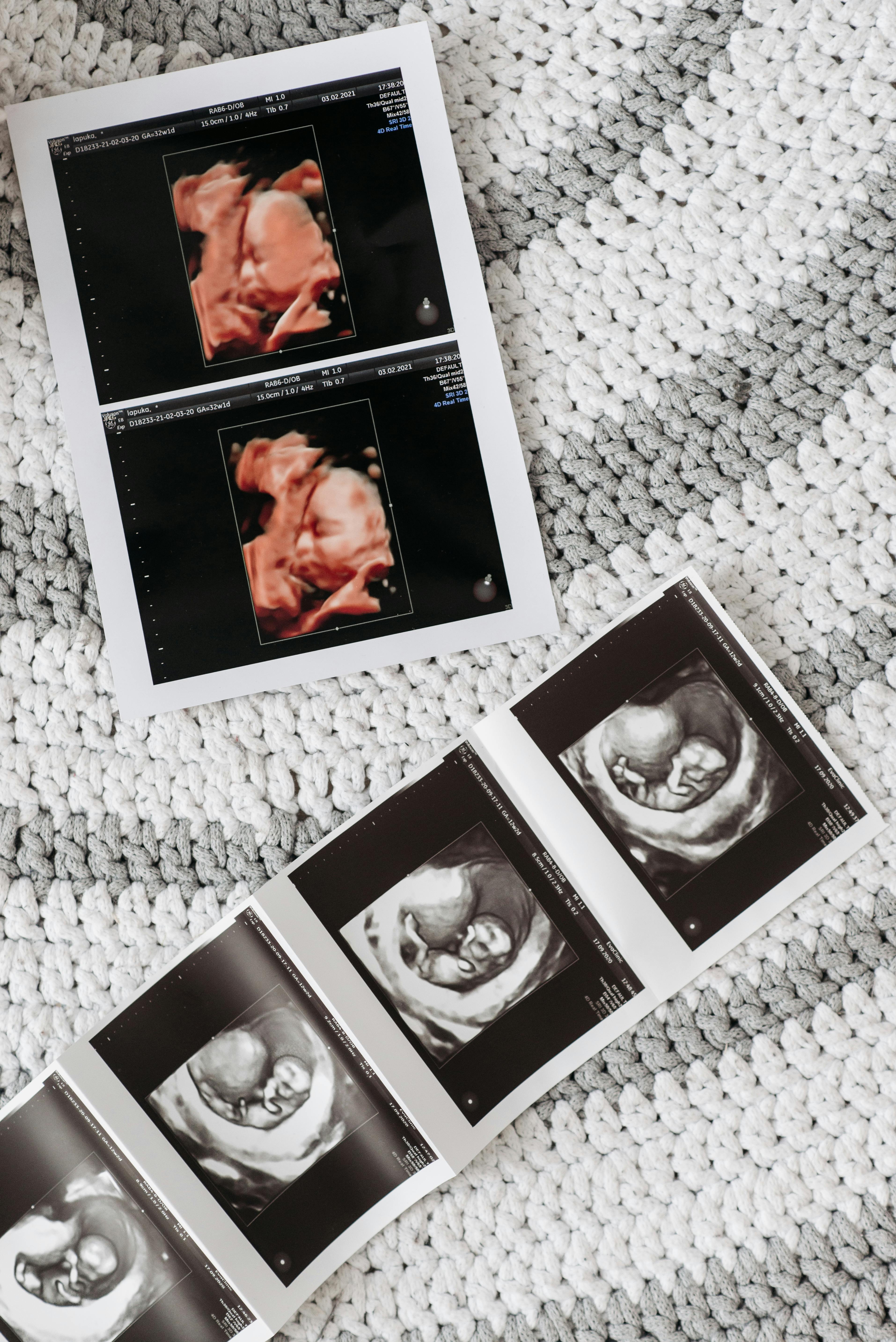
Adding elective ultrasound to a doula practice is not a complicated pivot when you approach it clearly. You already have the relationship with pregnant families. You already understand the emotional landscape of pregnancy and what families are looking for in a care provider. The training and the equipment are the parts you need to add — and both are more accessible than most doulas assume when they first start thinking about it.
Here is what the process actually looks like, from the first decision to your first paying client.
Why Doulas Are a Natural Fit for Elective Ultrasound
Most of what makes an elective ultrasound session meaningful is not the machine — it is the person running it. Families want warmth, calm, and someone who genuinely understands what they are experiencing emotionally. They want to feel seen and supported, not just scanned. Doulas have spent their professional lives cultivating exactly that skill set. The technical training adds the machine knowledge. The relational foundation is already there.
There is also a structural advantage. As a doula, you are already seeing clients at multiple points across a pregnancy. An elective ultrasound session can fit naturally into the prenatal support cadence — a session at 26 to 28 weeks pairs beautifully with a prenatal visit, reinforcing the bond between family and provider and deepening the relationship that carries through to birth support and beyond.
The Training Side: What You Need to Learn
The primary skill gap when adding elective ultrasound is machine operation and scanning technique. This is learnable. Elective ultrasound training designed for non-sonographers teaches you to operate 3D and 4D equipment, optimize image settings for different fetal positions and gestational ages, conduct early gender determination sessions, and troubleshoot when a session is not producing the image quality the family hoped for. None of this requires a prior medical background — it requires hands-on time, quality instruction, and a willingness to practice.
Private hands-on training conducted at your location, using the machine you will actually work with, is the most efficient format for this kind of skill development. You learn in your own environment, on your own schedule, without a generic training setting that may not reflect what you will actually encounter with real clients. The training also covers the business management side — pricing, intake forms, client communication — so you are not piecing those elements together on your own after the fact.
One thing worth understanding clearly: adding elective ultrasound to your doula practice means operating in a non-diagnostic context. The sessions are for bonding and keepsake imaging. They are not a clinical evaluation of fetal health, and they are not a replacement for the prenatal care your clients receive from their medical providers. Strong training programs make this boundary explicit, which protects you professionally and ensures your clients have accurate expectations about what the service does and does not offer.
The Equipment Question: What You Need to Get Started
A 3D/4D convex probe and a compatible ultrasound machine are the core requirements. The range of options is significant — from entry-level machines suitable for a solo doula practice just beginning to offer ultrasound services, to premium systems used in established boutique studios. Your equipment decision should align with your anticipated session volume, the quality of images you want to deliver, and your startup budget.
For a doula adding elective ultrasound as an extension of an existing practice rather than launching a dedicated studio, a mid-range machine that delivers strong image quality without enterprise-level overhead is often the right starting point. As volume grows, so can the equipment investment. Ultrasound Trainers can help you evaluate elective ultrasound machine options relative to your specific situation — there is no universal right answer, and the choice should fit your practice model, not the other way around.
You will also need a thermal printer for on-site printouts, appropriate supplies (gel, gel warmer, disposable table covers, gloves), and a clean, comfortable space to conduct sessions. Many doulas who add elective ultrasound start in a designated room in their home office, then move to a studio space as volume justifies the overhead. Both are viable starting points — the right choice depends on your local zoning, your client base, and the professional environment you want to create.
The Business Side: Pricing and Client Communication
Pricing your elective ultrasound services as a doula requires a slight reframe from how you price birth support. Birth support pricing reflects availability, on-call commitment, and the labor-intensive nature of birth attendance. Elective ultrasound pricing is more transactional — a flat session price for a defined experience. The good news is that you are not starting from zero: you understand your clients’ budget range, you know how they make decisions about spending on pregnancy services, and you have credibility that no cold marketing campaign can buy.
A clear, simple menu — two or three options at different session lengths and image inclusions — is enough to start. Do not overthink it. Add pricing that covers your equipment costs, supplies, and the time value of your session, and allows for a meaningful margin. Your clients already trust you. The conversation about your new service does not need to be a sales pitch. It can be what it actually is: “I am now offering elective 3D/4D ultrasound sessions for families I work with, and I would love to include that as part of your prenatal support.
What the First Six Months Look Like
Adding elective ultrasound to a doula practice is not an overnight transformation. It is a measured expansion that builds over time. In the first six months, expect to work through your initial scanning practice sessions, refine your intake process, price and launch your first package menu, and begin introducing the service to your existing client base and professional network.
The first few sessions will feel slower and more deliberate than they eventually will. That is normal. Scanning is a physical skill — it improves with repetition. By month four or five, most doulas who have added elective ultrasound report that the technical side feels natural and the session experience has settled into a rhythm that feels genuinely like an extension of their existing practice rather than a separate business bolted onto it.
- Month 1-2: Complete training, set up equipment and space, create intake documents and package pricing.
- Month 2-3: Practice sessions with existing clients or willing volunteers, refine technique and session flow.
- Month 3-4: Soft launch to existing doula client base and professional network, collect first reviews.
- Month 5-6: Begin broader marketing, formalize booking system, evaluate session volume against expectations.
Frequently Asked Questions
Do I need any kind of license or certification to offer elective ultrasound as a doula?
Requirements vary significantly by state. Many states do not require specific licensure for non-diagnostic elective ultrasound, but local regulations, business licensing requirements, and zoning rules all need to be verified before you begin offering services. A consultation with a local attorney familiar with small business and healthcare-adjacent services is worth the investment before you open for bookings.
How do I handle it when a client asks me about what I see during the scan?
Your role in an elective ultrasound session is to provide a bonding and keepsake experience, not to provide clinical commentary on what is observed on the monitor. If a client asks questions that feel clinical in nature — about whether something looks normal, or about what a specific finding means — the appropriate response is to redirect warmly: “For any questions about what your ultrasound shows medically, your midwife or OB is the right person to ask. What I can tell you is that your baby is looking active today.” Clear training should cover exactly how to handle these moments.
Should I offer elective ultrasound as a bundled package with doula services?
Bundling is a strong option and something many doulas find natural. A prenatal support package that includes a certain number of doula visits plus an elective ultrasound session creates a complete offering that is easy for clients to say yes to. It also differentiates your practice from other doulas who do not offer imaging services. Whether to bundle or keep them as separate bookable services often depends on your client base and pricing strategy — there is no wrong answer.
What is the best gestational age for an elective 3D/4D ultrasound?
The 26 to 32-week window typically produces the best 3D and 4D face images because the baby has developed enough for clear facial features but still has enough amniotic fluid around the face for good image capture. Earlier in pregnancy, 15 to 16 weeks is the common window for early gender determination sessions. Both are popular service offerings and can be offered as separate session types or combined in packages.
How much does it cost to get started adding elective ultrasound to a doula practice?
Startup costs depend primarily on the equipment you choose. A mid-range 3D/4D machine suitable for a solo practice runs roughly $15,000 to $40,000 depending on brand, model, and whether you buy new or refurbished. Add training, supplies, and any space setup costs for a realistic total startup investment. Equipment financing options are available through Ultrasound Trainers and other sources — startup costs do not have to be paid in full upfront.
Can I conduct elective ultrasound sessions in clients’ homes?
Portable 3D/4D machines make mobile services technically possible, and some operators do offer home visit sessions. The practical considerations include the weight and portability of your specific machine, the professional setup you can create in a home environment, and any local regulations around mobile business operations. Mobile services can command a premium if positioned well, but require more logistical planning than a fixed studio location.
Will my existing professional liability insurance cover elective ultrasound services?
Almost certainly not without a specific rider or a separate policy. Doula insurance and elective ultrasound studio insurance are different products covering different activities. Before your first elective session, verify with your insurance provider exactly what your current coverage includes and what additional coverage you need. This is a non-negotiable step — operating without appropriate coverage for both services is a significant professional risk.
What makes the elective ultrasound session experience different in a doula context versus a standalone studio?
The relational depth is the main difference. When a client comes to a standalone studio, the connection with the sonographer may be warm but starts from zero. When a doula client books an elective session with their doula, there is an existing foundation of trust and familiarity that makes the session feel more personal and emotionally resonant. Many doula clients describe the experience of a session with their doula as more meaningful than a studio visit — not because the imaging is different, but because the person holding the transducer already knows their story.
If you are a doula thinking about adding elective ultrasound to your practice and want to understand your training options and equipment choices, reach out to Ultrasound Trainers to talk through where you are and what the right next step looks like. The American Institute of Ultrasound in Medicine also provides guidance on safe ultrasound practice standards that every operator should be familiar with.
Ready to Learn More?
Ultrasound Trainers offers private hands-on training and startup consulting designed for doulas, photographers, and other birth professionals who are ready to add elective ultrasound services. We can help you evaluate training options, equipment, and the business setup that makes sense for your practice.
Get in TouchAbout This Content: Ultrasound Trainers provides elective ultrasound training, equipment guidance, and business consulting for people entering the elective ultrasound industry. This article is for informational purposes and does not constitute legal, insurance, or financial advice. Regulations and requirements vary by state and business model. Always consult appropriate professionals before adding a new service to your business.
Get the Inside Track
Training tips, business advice, and exclusive deals delivered straight to your inbox.

How to Get More Bookings for Your Elective Ultrasound Studio in Montana
Struggling to fill your elective ultrasound booking calendar in Montana? This guide covers what actually[...]

Buying an Elective Ultrasound Machine for an Arkansas Studio: What Actually Matters
Ready to buy an elective ultrasound machine for your Arkansas studio? This guide covers the[...]

How to Build a Pre-Launch Marketing Campaign for Your Elective Ultrasound Studio: A 60-Day Countdown Plan
Pre-launch marketing for an elective ultrasound studio begins 60 days before opening. This 60-day countdown[...]

What Career Changers in Hawaii Need to Know About Elective Ultrasound Training
Considering ultrasound training for a career change in Hawaii? This Q&A guide covers what training[...]

How to Find and Recruit Volunteer Scan Models for Elective Ultrasound Practice
Finding volunteer models for elective ultrasound practice is a skill in itself. Learn where to[...]

How to Write an Elective Ultrasound Business Plan That Actually Works
Writing an elective ultrasound business plan? This guide covers what to include, how to build[...]

How to Open an Elective Ultrasound Business in Honolulu: A Practical Startup Guide
Open an elective ultrasound business in Honolulu with confidence. This guide covers training, startup costs,[...]

Adding Elective Ultrasound to an Existing Photography or Doula Practice in Montana
Montana birth photographers and doulas: adding an elective ultrasound add-on business in Montana to your[...]

Starting an Elective Ultrasound Business in Cheyenne, Wyoming: First-Mover Advantage in the Least-Crowded Market in the Country
Thinking about starting an elective ultrasound business in Cheyenne, Wyoming? This guide covers the F.E.[...]

Elective Ultrasound Training for Career Changers in Sweden
Considering a career change into elective ultrasound in Sweden? Find out what training involves, whether[...]

What Career Changers in Fayetteville Should Know About Elective Ultrasound Training
Thinking about elective ultrasound training in Fayetteville, Arkansas as a career changer? This Q&A guide[...]

The Biggest Mistake Las Vegas Elective Ultrasound Studios Make With Their Marketing
Elective ultrasound studio marketing in Las Vegas prioritizes trust and reviews over ad spend. Here's[...]
