

Knowing when to turn away an elective ultrasound client is one of the most important decisions you will make as a studio operator, yet almost no one talks about it openly. You built a business to serve clients and create meaningful experiences. The idea of turning someone away feels counterintuitive. But there are specific situations where declining a session is the right call ethically, professionally, and legally.
Every experienced studio owner reaches a point where a booking comes in and something feels off. A client discloses a condition during intake. A situation arises mid-appointment that changes the picture entirely. Without a clear policy in place before that moment arrives, you are making a high-stakes decision under pressure with no framework to guide you.
This guide gives you that framework.
Knowing when to turn away an elective ultrasound client protects your business, maintains ethical standards, and ultimately serves your clients better than a blanket “yes.” Common situations include high-risk pregnancy conditions, requests for diagnostic interpretation, absence of prenatal care, and circumstances where the client may be in distress. Last Updated: June 2025
Why a Client Refusal Policy Is Not Optional
A well-defined client refusal policy for an elective ultrasound studio is a foundational business document, not a bureaucratic formality. It protects you from liability when situations arise that are outside your scope of service, gives your staff clear guidance in difficult moments, and demonstrates to clients and regulators that your studio operates with professional integrity.
Most studio owners draft one after their first difficult situation. The better approach is to have it in place before you open.
The question is not whether you will encounter a situation where declining is appropriate. You will. The question is whether you will have the language, the policy, and the confidence to handle it well when it happens.
High-Risk Pregnancy Conditions
Certain pregnancy complications create situations where an elective ultrasound session is inadvisable. Not because your scan causes harm, but because the experience itself may create false reassurance or mask a condition that requires immediate medical attention.
Placenta previa, active bleeding, premature labor, and pre-eclampsia are examples where a client should be directed to their medical provider rather than completing a keepsake session. A client experiencing active contractions who wants to see the baby one more time is a heartbreaking situation. The compassionate response is still to decline and direct her to appropriate care.
Build a clear list of conditions that trigger automatic deferral to medical care and train every staff member on exactly what to say. The language should be kind, non-alarming, and free of any clinical interpretation. You are not diagnosing. You are maintaining your lane.
Requests for Diagnostic Interpretation
This comes up more than any other scenario. A client asks you to confirm the baby’s heartbeat is normal. Or to check if the cord is around the neck. Or to look at a specific measurement her doctor mentioned.
Elective ultrasound is for bonding and keepsake purposes. It is not diagnostic, and your waivers say exactly that. The moment you engage with a diagnostic question, you have stepped outside your scope, potentially invalidated your waiver, and opened yourself to liability that your business structure and insurance were never designed to cover.
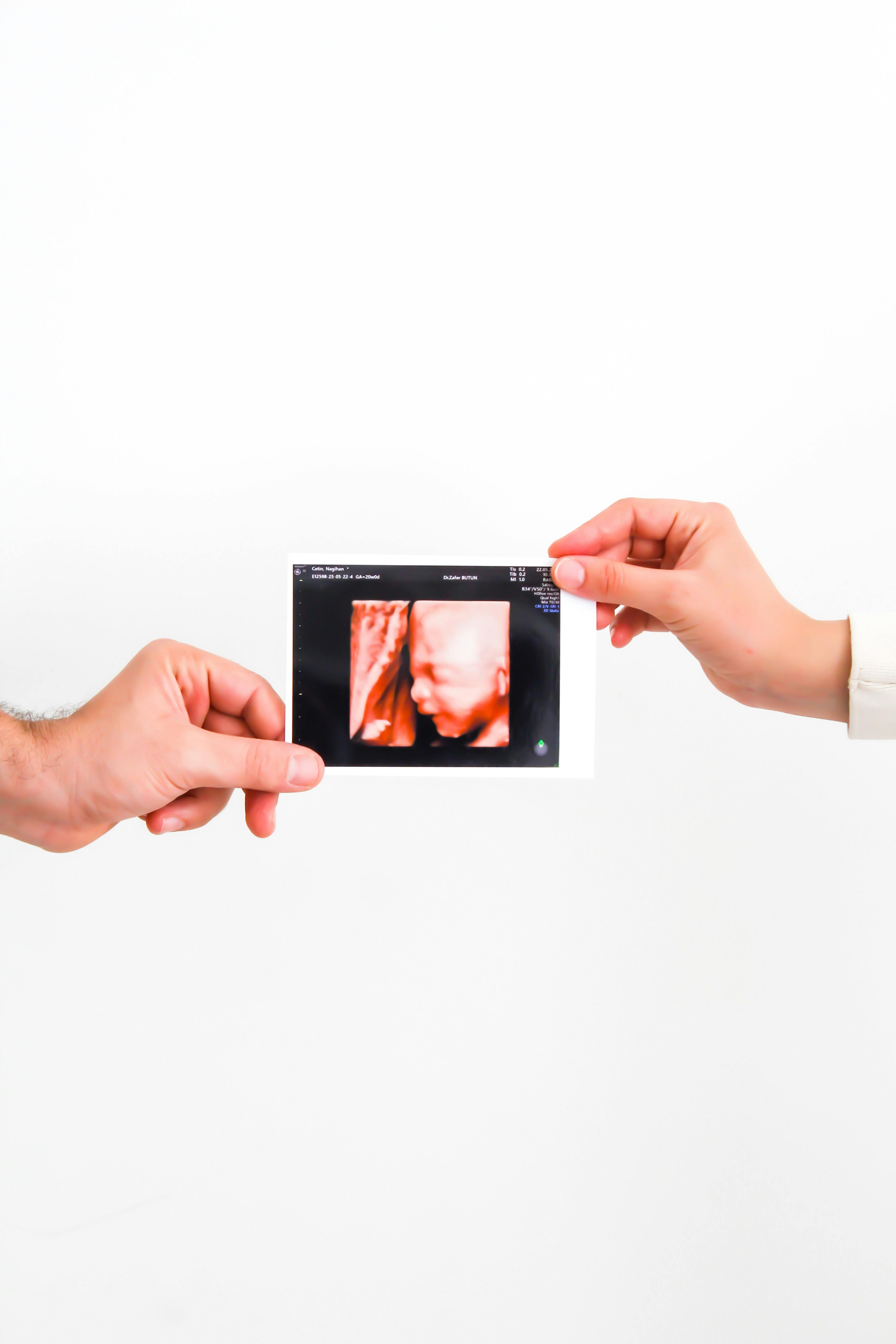
The correct response is consistent: “We do this for fun and bonding, and we are not able to interpret medical findings or answer clinical questions. Your provider is the right person for that.”
If a client persists or becomes upset that you won’t confirm what she wants to hear, that is a situation where ending or declining the session entirely may be appropriate. Your liability exposure from a single misinterpreted comment outweighs any session revenue.
Absence of Prenatal Care
A client who discloses she has had no prenatal care presents a specific ethical and liability concern. Elective ultrasound is positioned as an additional experience alongside routine prenatal care. It assumes that care is happening.
When it is not, you face two problems. First, a client who is not under medical supervision may be using your session as a substitute. Second, if anything about the session triggers concern, you have limited options because there is no provider relationship to refer to.
According to the American Institute of Ultrasound in Medicine, elective ultrasound sessions should be framed as supplemental to, not replacements for, appropriate prenatal care. A policy requiring documentation of current prenatal care, or at minimum a signed acknowledgment that the client is under care, creates both a reasonable standard and a clear paper trail.
You can make exceptions. But make them deliberately, with additional documentation, not by default.
Signs of Emotional Distress or Crisis
This one requires more judgment. A client who arrives visibly distressed, who has recently experienced a loss, or who shows signs that the session is not about keepsakes but about seeking reassurance during a difficult situation presents a different kind of challenge.
Elective ultrasound is not grief counseling. It is not crisis support. Your staff are not trained therapists, and your studio is not equipped to manage acute emotional distress appropriately.
A warm, non-clinical decline sounds like: “We want this to be a positive experience for you, and we want to make sure the timing is right. Let us know when you’d like to reschedule.” No diagnosis, no explanation demanded, no confrontation.
How to Build Your Refusal Policy
Put it in writing. A single page is sufficient. It should cover the conditions that trigger automatic deferral, the language your staff uses, and the process for refunds or rescheduling. Review it annually and update it as your experience grows.
Train your team on it before they ever face a difficult client. Role-playing difficult conversations in advance is one of the most practical investments you can make in staff development. The person at the front desk should not be making these calls alone in real time without a script.
According to the Bureau of Labor Statistics, service businesses that document client intake procedures and refusal policies experience significantly fewer disputes and litigation events than those that operate on informal norms. The paperwork is not bureaucracy. It is protection.
Include your policy language in your intake waiver. Clients sign off that they understand your scope, that your service is non-diagnostic, and that you reserve the right to decline or discontinue any session that falls outside that scope. This is not adversarial language. It is clarity that protects both parties.
The Ethics Behind the Policy
Turning someone away feels like failing them. In practice, the opposite is true. A studio that knows its limits and enforces them consistently is a studio that clients can trust. You are not their doctor. You are not responsible for their pregnancy outcomes. You provide a specific service within a specific scope.
Staying inside that scope is not a limitation on your value. It is the foundation of it.
If you are building your studio’s operational procedures and want guidance on how to structure client intake, refusal language, and consent documentation from the ground up, our studio startup consulting and training includes exactly that kind of practical operational guidance alongside the scanning and business education.
Ready to Build a Studio That Operates With Confidence?
Ultrasound Trainers helps new and established studio owners build the policies, procedures, and training foundation that professional operations require. From intake documentation to difficult client scenarios, we cover the real-world situations most training programs skip entirely.
Start the ConversationPeople Also Ask About Elective Studio Client Refusal Policy
Can I legally refuse service to a client at my elective ultrasound studio?
Yes, with appropriate caveats. Service businesses can decline clients for legitimate business reasons, including reasons related to scope of service, client safety, and staff capability. You cannot refuse service based on protected class status under anti-discrimination law. A clear written policy that applies consistently to all clients is your best protection against disputes.
What should I say when turning away a client at my studio?
Keep it kind, brief, and free of clinical interpretation. “We aren’t able to complete your session today” or “We want to make sure the timing is right for the best experience” both work well. You do not owe a medical explanation, and offering one increases your liability. Train your staff to deliver this language calmly and without elaboration.
Should I refund a client I turn away?
Your refund policy should address this specifically. For situations where the client disclosed a condition during intake that triggers your refusal policy, most studios offer a full refund or reschedule credit. For situations that arise mid-session, a partial refund or full reschedule credit is common. The goal is to handle the situation fairly without creating an adversarial dynamic.
What high-risk conditions should always trigger a deferral?
Active bleeding, placenta previa, signs of premature labor, severe pre-eclampsia, and any situation where a client appears to be in active medical distress. This is not an exhaustive list, and requirements vary by operator training and studio protocols. Consulting with your training provider about your specific situation is the right approach.
How do I handle a client who argues with my refusal?
Stay calm, repeat your position without elaborating, and do not enter a debate about clinical details. “I understand this is disappointing. Our policy doesn’t allow us to proceed under these circumstances, and I’m not able to make an exception.” That is the full statement. Have your refund or reschedule process ready to offer immediately so the conversation has a clear resolution path.
Get the Inside Track
Training tips, business advice, and exclusive deals delivered straight to your inbox.

How to Get More Bookings for Your Elective Ultrasound Studio in Montana
Struggling to fill your elective ultrasound booking calendar in Montana? This guide covers what actually[...]

Buying an Elective Ultrasound Machine for an Arkansas Studio: What Actually Matters
Ready to buy an elective ultrasound machine for your Arkansas studio? This guide covers the[...]

How to Build a Pre-Launch Marketing Campaign for Your Elective Ultrasound Studio: A 60-Day Countdown Plan
Pre-launch marketing for an elective ultrasound studio begins 60 days before opening. This 60-day countdown[...]

What Career Changers in Hawaii Need to Know About Elective Ultrasound Training
Considering ultrasound training for a career change in Hawaii? This Q&A guide covers what training[...]

How to Find and Recruit Volunteer Scan Models for Elective Ultrasound Practice
Finding volunteer models for elective ultrasound practice is a skill in itself. Learn where to[...]

How to Write an Elective Ultrasound Business Plan That Actually Works
Writing an elective ultrasound business plan? This guide covers what to include, how to build[...]

How to Open an Elective Ultrasound Business in Honolulu: A Practical Startup Guide
Open an elective ultrasound business in Honolulu with confidence. This guide covers training, startup costs,[...]

Adding Elective Ultrasound to an Existing Photography or Doula Practice in Montana
Montana birth photographers and doulas: adding an elective ultrasound add-on business in Montana to your[...]

Starting an Elective Ultrasound Business in Cheyenne, Wyoming: First-Mover Advantage in the Least-Crowded Market in the Country
Thinking about starting an elective ultrasound business in Cheyenne, Wyoming? This guide covers the F.E.[...]

Elective Ultrasound Training for Career Changers in Sweden
Considering a career change into elective ultrasound in Sweden? Find out what training involves, whether[...]

What Career Changers in Fayetteville Should Know About Elective Ultrasound Training
Thinking about elective ultrasound training in Fayetteville, Arkansas as a career changer? This Q&A guide[...]

The Biggest Mistake Las Vegas Elective Ultrasound Studios Make With Their Marketing
Elective ultrasound studio marketing in Las Vegas prioritizes trust and reviews over ad spend. Here's[...]
