
Last Updated: April 17, 2026
Picture this: you’re a maternity photographer in Norfolk who’s been shooting pregnancy sessions for six years. Every third client asks if you do 3D ultrasound too. You’ve been turning away recurring revenue for half a decade because ultrasound felt like a different universe.
This is the journey a lot of Hampton Roads photographers and doulas are quietly walking right now. And it’s the journey this post is built around — what the ultrasound equipment for a Norfolk studio actually looks like once you decide to take that leap.
The Moment It Clicks
For most photographers and doulas in Norfolk who eventually add 4D, the moment it clicks is usually the same: they realize that ultrasound equipment for a Norfolk studio isn’t a separate business. It’s an extension of the business they already run.
The Hampton Roads Reality
Norfolk, Chesapeake, Virginia Beach, and Portsmouth collectively sit at the heart of one of the largest military family populations in the country. Pregnancy is constant here. Deployments create urgency. And the coastal lifestyle already fits the way local photographers frame their work.
What She Actually Needs
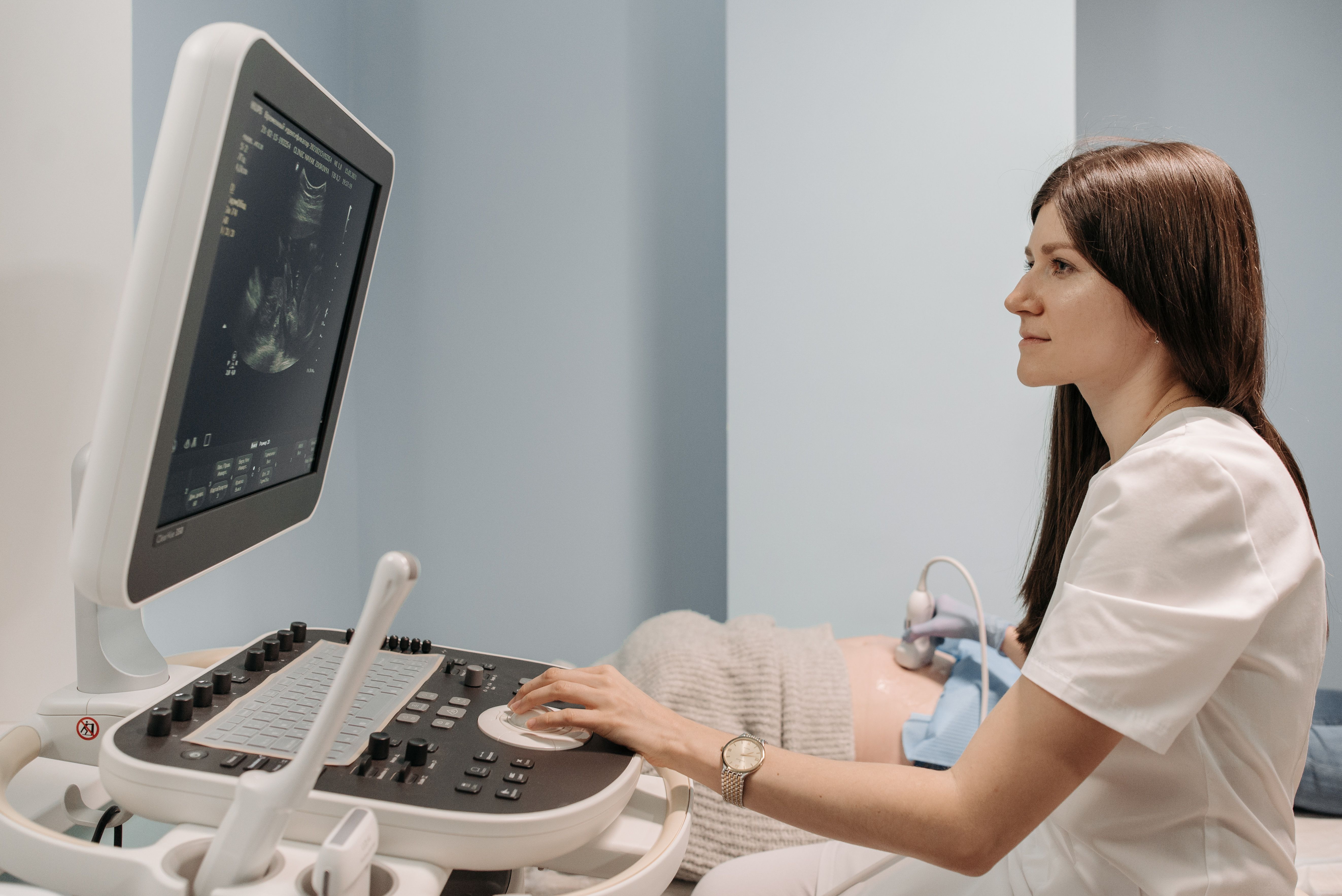
Here’s what the equipment picture looks like for someone adding 4D to an existing maternity photography business: a 3D/4D ultrasound machine with a convex probe, a large-screen TV or projector for the client experience, a thermal printer for session prints, digital image transfer setup, and session supplies like gel, keepsake items, and gender bands.
The Cost Reality
A Norfolk photographer who already has a studio space, a brand, a client base, and a website doesn’t need the full startup stack that a ground-up operator needs.
The Training Piece
Being a great photographer does not automatically make you a great sonographer. The good news: the underlying skills transfer more than you’d expect. Your eye for faces, your patience with subjects, your ability to create a calm environment — all translates. Probe handling is the new skill that takes hands-on practice.
We’ve worked with photographers in coastal markets like this one, and the pattern is clear — the ones who produce stunning 4D images from session one are the ones who did real hands-on training.
Three days of private hands-on training at your Norfolk studio, on your own equipment, is the standard path. The first 20 to 30 sessions you run after that are where the technique polishes into something genuinely great.
The Full Picture
Per the SBA’s guidance on business expansion, adding a complementary service to an existing customer base is one of the highest-ROI moves a small business can make.
For a wider context on how this fits into the Virginia market, our guide on opening an elective ultrasound studio in Virginia covers the full state-level picture.
People Also Ask
What equipment does a Norfolk photographer actually need?
A 3D/4D ultrasound machine with convex probe, large-screen display, thermal printer, digital transfer setup, and session supplies. Total $30,000 to $55,000.
Can I add ultrasound to my existing photography studio?
Usually yes, with minor adjustments. A dimmable room with a comfortable reclining surface and wall-mounted display.
How long does training take?
Three days of private hands-on training is standard.
Is this a fit for a doula instead?
Absolutely. Doulas have the same client-relationship advantage photographers do.
If you’re a photographer or doula in Norfolk, Chesapeake, or anywhere in Hampton Roads and you’re thinking about adding 4D ultrasound to your existing business — Ultrasound Trainers can help you plan the equipment, training, and rollout.
Reach out to Ultrasound TrainersGet the Inside Track
Training tips, business advice, and exclusive deals delivered straight to your inbox.

How to Get More Bookings for Your Elective Ultrasound Studio in Montana
Struggling to fill your elective ultrasound booking calendar in Montana? This guide covers what actually[...]

Buying an Elective Ultrasound Machine for an Arkansas Studio: What Actually Matters
Ready to buy an elective ultrasound machine for your Arkansas studio? This guide covers the[...]

How to Build a Pre-Launch Marketing Campaign for Your Elective Ultrasound Studio: A 60-Day Countdown Plan
Pre-launch marketing for an elective ultrasound studio begins 60 days before opening. This 60-day countdown[...]

What Career Changers in Hawaii Need to Know About Elective Ultrasound Training
Considering ultrasound training for a career change in Hawaii? This Q&A guide covers what training[...]

How to Find and Recruit Volunteer Scan Models for Elective Ultrasound Practice
Finding volunteer models for elective ultrasound practice is a skill in itself. Learn where to[...]

How to Write an Elective Ultrasound Business Plan That Actually Works
Writing an elective ultrasound business plan? This guide covers what to include, how to build[...]

How to Open an Elective Ultrasound Business in Honolulu: A Practical Startup Guide
Open an elective ultrasound business in Honolulu with confidence. This guide covers training, startup costs,[...]

Adding Elective Ultrasound to an Existing Photography or Doula Practice in Montana
Montana birth photographers and doulas: adding an elective ultrasound add-on business in Montana to your[...]
Starting an Elective Ultrasound Business in Cheyenne, Wyoming: First-Mover Advantage in the Least-Crowded Market in the Country
Thinking about starting an elective ultrasound business in Cheyenne, Wyoming? This guide covers the F.E.[...]
Elective Ultrasound Training for Career Changers in Sweden
Considering a career change into elective ultrasound in Sweden? Find out what training involves, whether[...]

What Career Changers in Fayetteville Should Know About Elective Ultrasound Training
Thinking about elective ultrasound training in Fayetteville, Arkansas as a career changer? This Q&A guide[...]
The Biggest Mistake Las Vegas Elective Ultrasound Studios Make With Their Marketing
Elective ultrasound studio marketing in Las Vegas prioritizes trust and reviews over ad spend. Here's[...]
Browse available equipment and get expert selection guidance on our elective ultrasound machines page.
