

The best way to compare elective ultrasound training is to ask specific questions about what you will practise, who will teach you, how progress is evaluated, which equipment you will use, and what happens after the class. A clear comparison protects both your learning time and your larger business plan.
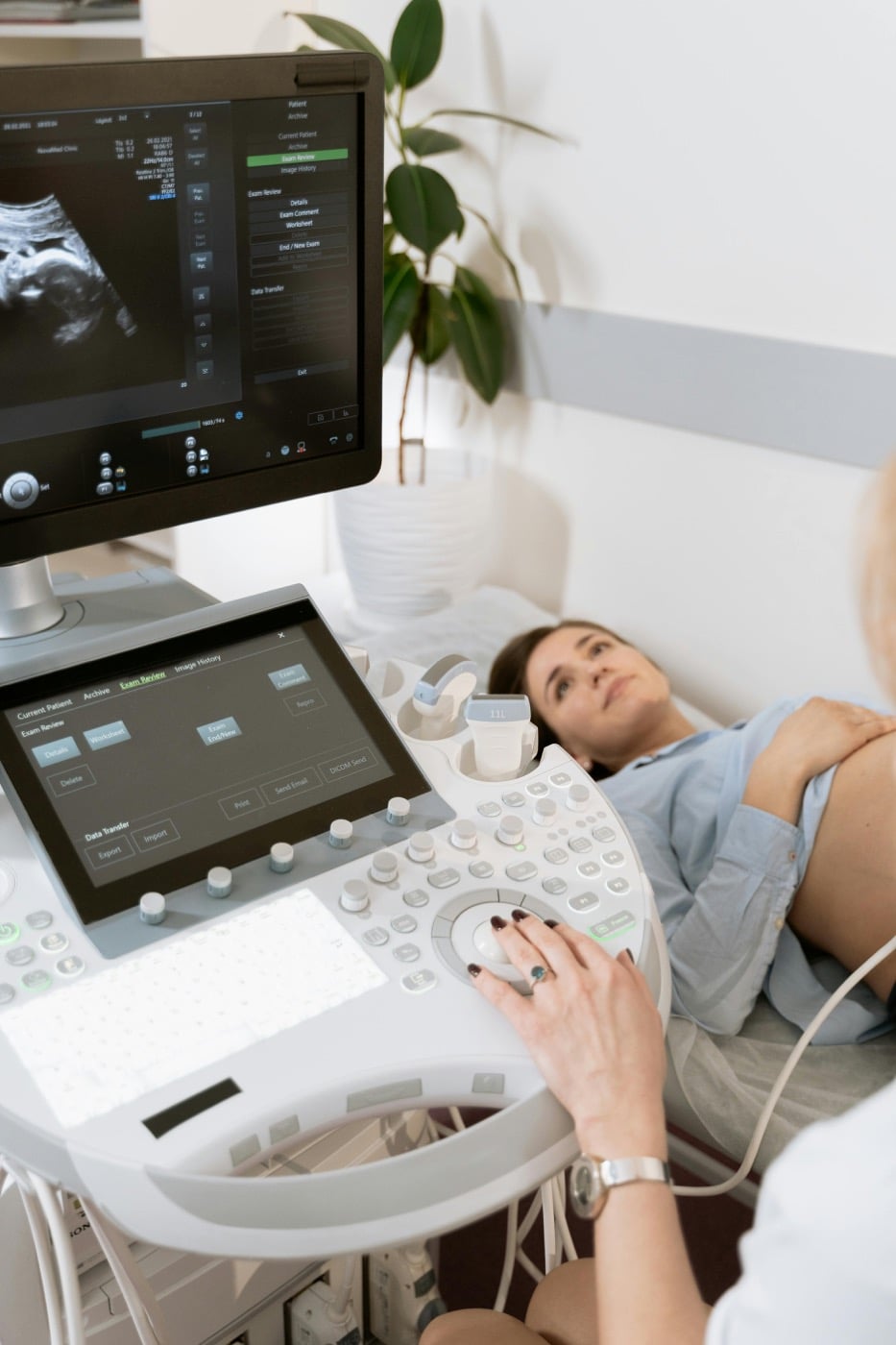
1. How Much Time Will I Personally Spend Scanning?
Ask for the expected amount of individual probe time—not only total classroom hours. A course may include demonstrations, discussion, meals, equipment setup, or shared exercises. Those activities can be useful, but they are not the same as scanning with direct instructor feedback.
Also ask how many learners share each ultrasound system and how practice subjects are scheduled. Smaller groups and organised rotations can make the practical time more productive.
2. What Skills Are Included in the Curriculum?
The programme should explain its learning sequence. Look for 2D orientation, probe control, fetal position, image recognition, depth and gain, region of interest, 3D/4D acquisition, optimisation, challenging views, equipment care, prudent use, client communication, and non-diagnostic service boundaries.
Business-focused learners may also need booking workflow, consent, rescan and cancellation policies, image delivery, package design, review systems, equipment planning, and launch preparation. Compare the curriculum with your actual starting point and goals.
3. Who Teaches the Course?
Ask about the instructor’s ultrasound education, hands-on experience, current role, teaching experience, and familiarity with elective 3D/4D services. A good practitioner is not automatically an effective teacher; the instructor should be able to observe technique, explain adjustments, and provide structured feedback.
If business guidance is included, ask whether the instructor has relevant operating or consulting experience and how current the materials are.
4. How Is Progress Evaluated?
Course attendance and independent readiness are different. Ask which skills are observed, whether a checklist or practical review is used, how the instructor identifies areas needing more practice, and what the learner should do next.
Reliable programmes are comfortable explaining that learners progress at different rates. The goal should be a useful assessment and practice plan—not a promise that every person reaches the same level in the same number of hours.
5. What Equipment Will I Use?
Confirm the make, model, probes, and software used during training. Ask whether the controls and workflow resemble the machine you own or are considering. If they differ, find out how the instructor helps you transfer the principles to another system.
Training and equipment selection should support one another. Review our elective ultrasound machine guide before committing to a purchase.
6. How Does the Program Address Prudent Use and Service Boundaries?
Elective ultrasound is a bonding and keepsake service, not a substitute for recommended prenatal care or a medically indicated diagnostic exam. Ask how the course handles session purpose, client screening, exposure awareness, consent, documentation, medical questions, and escalation.
The FDA’s ultrasound imaging information explains that ultrasound uses non-ionising energy and supports prudent operation by appropriately trained users.
7. What Support Is Available After Training?
Ask whether follow-up includes a scheduled review, access to instructors, video or image feedback, refresher options, equipment help, business coaching, or a practice checklist. Confirm the duration, response method, limits, and any added cost.
Useful support has clear deliverables. “Lifetime support” or “ongoing help” should be translated into who responds, about which topics, through what channel, and within what timeframe.
8. What Is Included in the Total Cost?
Tuition, deposits, payment schedule, cancellation, rescheduling, and refund terms.
Flights or driving, lodging, local transport, meals, and time away from work.
Access to equipment, models, refresher time, and post-course coaching.
Templates, consulting, software, equipment guidance, and launch support.
Request the inclusions and terms in writing. Compare programmes by value and fit, not by the tuition line alone.
9. Can I Speak With Past Learners?
Ask to speak with learners whose background and goals resemble yours. Useful questions include how much they scanned, how prepared they felt for continued practice, what support they used afterward, and which expectations they would clarify before enrolling.
Reviews can provide context, but direct conversations and a detailed written curriculum make the comparison more concrete.
Your Final Comparison Checklist
- Personal supervised scanning time and class size.
- Curriculum matched to your starting point.
- Instructor qualifications and teaching experience.
- Equipment, probes, and learner access.
- Progress evaluation and post-course practice plan.
- Prudent use, boundaries, consent, and escalation.
- Specific post-training support and response times.
- Total cost, terms, travel, and included resources.
- References from learners with similar goals.
For a broader overview, visit our elective ultrasound training page.
Frequently Asked Questions
Is the longest course automatically the best?
No. Compare individual scanning time, instruction quality, curriculum, learner access, feedback, and the plan for continued practice.
Should I buy a machine before choosing training?
It is generally helpful to evaluate training and equipment together so the controls, intended services, support, and budget align.
Does a certificate alone establish competency?
A certificate documents course participation or stated requirements. Independent readiness also depends on observed skills, continued practice, equipment familiarity, and the applicable operating requirements.
Can a beginner ask these same questions?
Yes. Beginners especially benefit from clarity about foundations, supervised practice, evaluation, equipment access, and the path after class.
This article provides general educational information and is not legal, regulatory, tax, insurance, financial, or clinical advice. Requirements and costs vary by location, service, personnel, equipment, and business structure. Confirm current information with the appropriate authorities and qualified advisers.
Compare Training With Confidence
Tell us your background, equipment status, location, and goals. We can explain our training format and help you decide which questions matter most for your path.
Discuss Your Goals