

Elective ultrasound training in New York should prepare you for more than operating a machine. A useful program connects hands-on scanning skills with client communication, equipment workflow, service boundaries, local market research, and the business systems needed to deliver a consistent 3D/4D experience.
New York is not one uniform market. New York City, Long Island, Westchester, the Hudson Valley, Albany, Buffalo, Rochester, Syracuse, and smaller communities differ in population density, commercial costs, travel patterns, competition, and client expectations. The right training path should help you evaluate your own service area rather than relying on statewide generalizations.
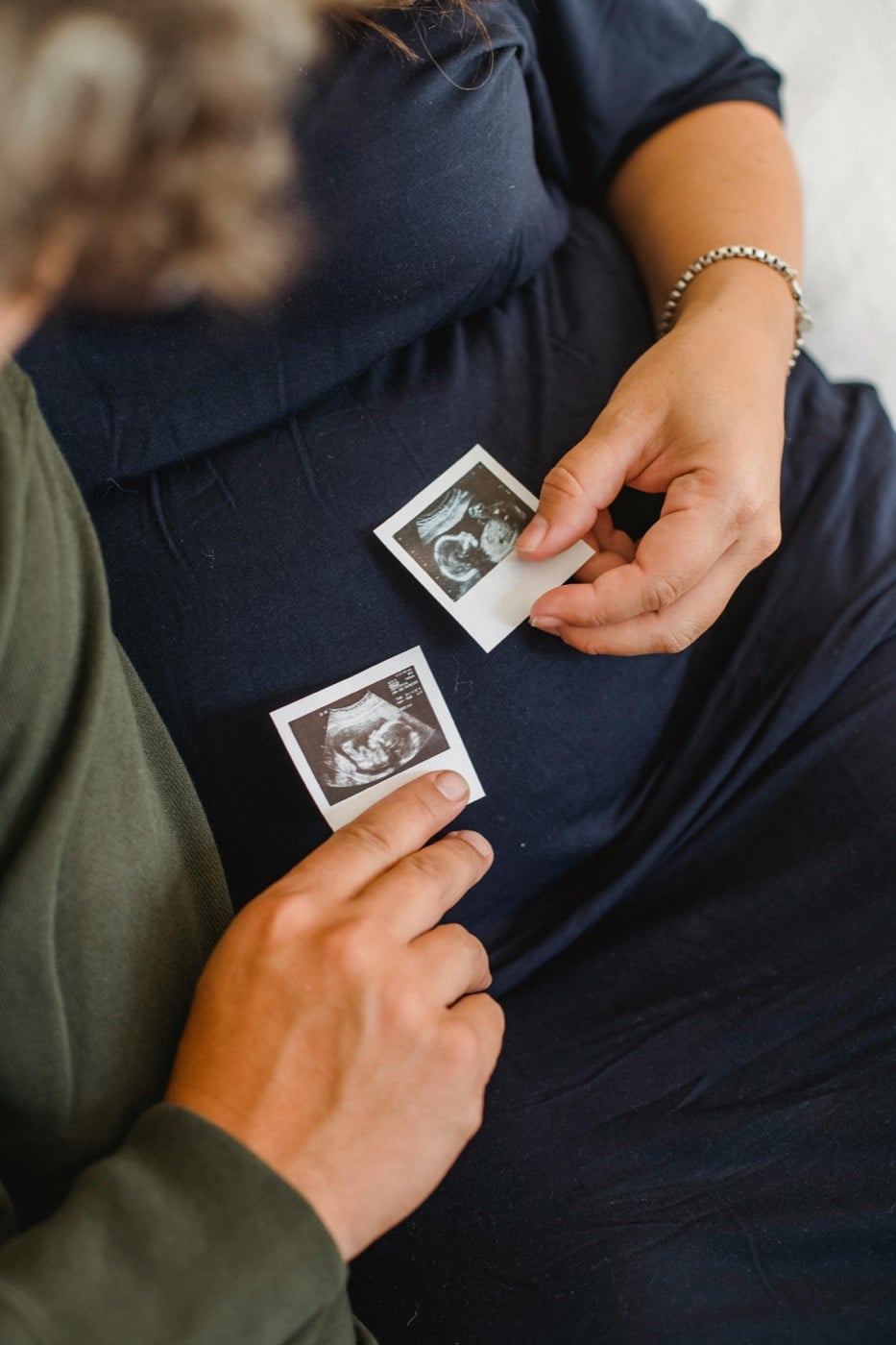
What Elective Ultrasound Training Is Designed to Teach
Elective prenatal ultrasound is centered on a keepsake and bonding experience. It does not replace recommended prenatal care or a medically indicated diagnostic examination. That distinction should shape the training, client agreements, advertising, session workflow, and process for directing medical questions back to the client’s healthcare provider.
Training should begin with the fundamentals that support repeatable scanning: orientation, probe control, image recognition, depth, gain, focal zones, image optimization, fetal position, maternal positioning, and strategies for challenging views. Learners should also understand how 2D imaging supports successful 3D and 4D acquisition rather than treating advanced modes as automatic features.
The U.S. Food and Drug Administration notes that ultrasound does not use ionizing radiation, but ultrasound energy can produce biological effects. The FDA recommends prudent use and explains that risk may increase with unnecessary prolonged exposure or untrained operation. Its current ultrasound imaging information is an important reference when building operating standards.
Skills a Strong Hands-On Program Should Cover
Build coordinated movements and understand how small changes affect the displayed plane.
Recognize position and obtain the foundational views that support 3D/4D imaging.
Adjust depth, gain, region of interest, rendering controls, and other settings appropriately.
Prepare the room, set expectations, communicate clearly, deliver images, and document the visit.
Use compatible probes, presets, storage, cleaning, quality checks, and service procedures.
Keep the elective experience distinct from diagnosis and maintain a clear escalation process.
A compressed class can introduce these skills, but attendance alone does not establish independent readiness. Learners start from different backgrounds and progress at different rates. Ask how competency is observed, how much time each learner spends scanning, how many people share an ultrasound system, and what support exists for continued practice after the formal training.
For a detailed look at curriculum and learning outcomes, review our elective ultrasound training guide. If you are comparing programs, use the questions in our training-program evaluation guide.
New York Requires Location-Specific Planning
A New York location strategy should be based on a realistic drive-time market. A studio in Brooklyn, Queens, Nassau County, Westchester, Rochester, or Buffalo may draw clients across city, county, or even state boundaries in very different ways. Parking, public transportation, weekend access, rent, room size, nearby family services, and local search behavior can all affect the plan.
Instead of assuming that a large population automatically creates bookings, research:
- The number and positioning of existing elective ultrasound providers within a realistic travel radius.
- The services, hours, prices, reviews, image quality, and booking experience already available.
- Commercial occupancy costs and the amount of space the proposed experience truly requires.
- Local birth, household, and demographic information from reliable public sources.
- Potential relationships with maternity retailers, photographers, doulas, childbirth educators, and other appropriate community businesses.
- How clients in that area find and compare pregnancy-related services online.
The U.S. Small Business Administration’s market-research and competitive-analysis guidance offers a practical framework for studying demand, market size, location, saturation, and alternatives.
Verify the Rules for the Exact Service You Plan to Offer
Do not rely on a blanket internet statement that a medical background is always required—or never required—to own or operate an elective ultrasound business in New York. Ownership, professional titles, operation of equipment, diagnostic activity, advertising, facility obligations, insurance, referrals, and local business requirements are different questions.
Write down the proposed service model first: who owns the business, who performs sessions, what the appointment includes, what it does not include, how clients are screened, how medical questions are handled, and what equipment will be used. Then verify that model with the relevant New York State and local agencies, insurer, equipment provider, and qualified legal or professional advisers.
The New York State Education Department Office of the Professions is the official source for professions regulated by the state. It should be used to confirm whether any protected professional title or licensed activity is part of the proposed model. Our elective ultrasound legal-requirements guide explains the broader research process.
Match Training to Your Starting Point
Career changers and first-time operators
A person without previous ultrasound experience needs a structured foundation, substantial supervised practice, clear service boundaries, equipment familiarity, and a realistic post-training practice plan. Our non-medical-background training path explains the questions beginners should consider.
Diagnostic sonographers and healthcare professionals
Clinical experience is valuable, but elective sessions introduce different goals, image-presentation techniques, client expectations, package workflows, and business considerations. Experienced professionals should look for training that acknowledges their existing skills while addressing the elective service model.
Existing studios and teams
An established business may need training on a specific machine, advanced image optimization, standardized workflows, onboarding new team members, or improving consistency across operators. The program should be shaped around the actual operational gap rather than repeating material the team already understands.
Plan Training, Equipment, and the Business Together
Training and equipment decisions affect one another. Before purchasing a system, identify the intended services, image expectations, probe requirements, training compatibility, warranty, service availability, installation, software options, file delivery, and expected ownership costs. The lowest purchase price does not necessarily produce the best operating fit.
Use our elective ultrasound machine guide to compare equipment within the broader service plan. If you are building a new studio, the startup-cost guide identifies categories that belong in a complete budget.
Questions to Answer Before Enrolling
- What services do you intend to offer, and in which New York city or region?
- Who will perform the sessions, and what ultrasound experience do they already have?
- How much supervised scanning time does the program provide?
- How are competency and continued-practice needs evaluated?
- Will you train on the same model of equipment you expect to use?
- Does the curriculum cover prudent use, service boundaries, client workflow, and difficult imaging conditions?
- What post-training guidance or refresher support is included?
- Does the program also help you evaluate budgeting, market research, booking, and launch planning?
Frequently Asked Questions
Can a person without a medical background explore elective ultrasound training in New York?
People enter elective ultrasound from varied backgrounds. The appropriate training, staffing, competency, insurance, ownership, and operating path depends on the exact services and location. Verify those requirements and choose a program that matches your starting point.
How long does elective ultrasound training take?
Program length varies, and course duration alone does not establish readiness. Compare supervised scanning time, learner-to-machine ratios, curriculum, competency review, and the practice plan that follows the formal class.
Should I purchase an ultrasound machine before enrolling?
It is usually better to evaluate training, intended services, equipment capabilities, warranty, service access, and budget together. Informed guidance can prevent a machine purchase that does not match the planned service or learning path.
Is New York City automatically the best market?
No location is automatically best. New York City offers population density but also higher costs and competition. Suburban and upstate markets have different travel patterns, expenses, and opportunities. Research the specific drive-time area before deciding.
Does elective training qualify someone to perform diagnostic examinations?
No. Elective training for keepsake services is not a substitute for the education, clinical experience, credentials, licensure, supervision, or facility requirements that may apply to diagnostic medical imaging.
This article provides general educational information and is not legal, regulatory, insurance, financial, or clinical advice. Requirements vary according to location, personnel, services, equipment, claims, and business structure. Confirm current requirements with the appropriate agencies and qualified advisers.
Discuss Your New York Training Goals
Tell us your location, background, equipment status, and intended services. We can help you identify the training and business-planning questions that should come next.
Discuss Your Training Goals