
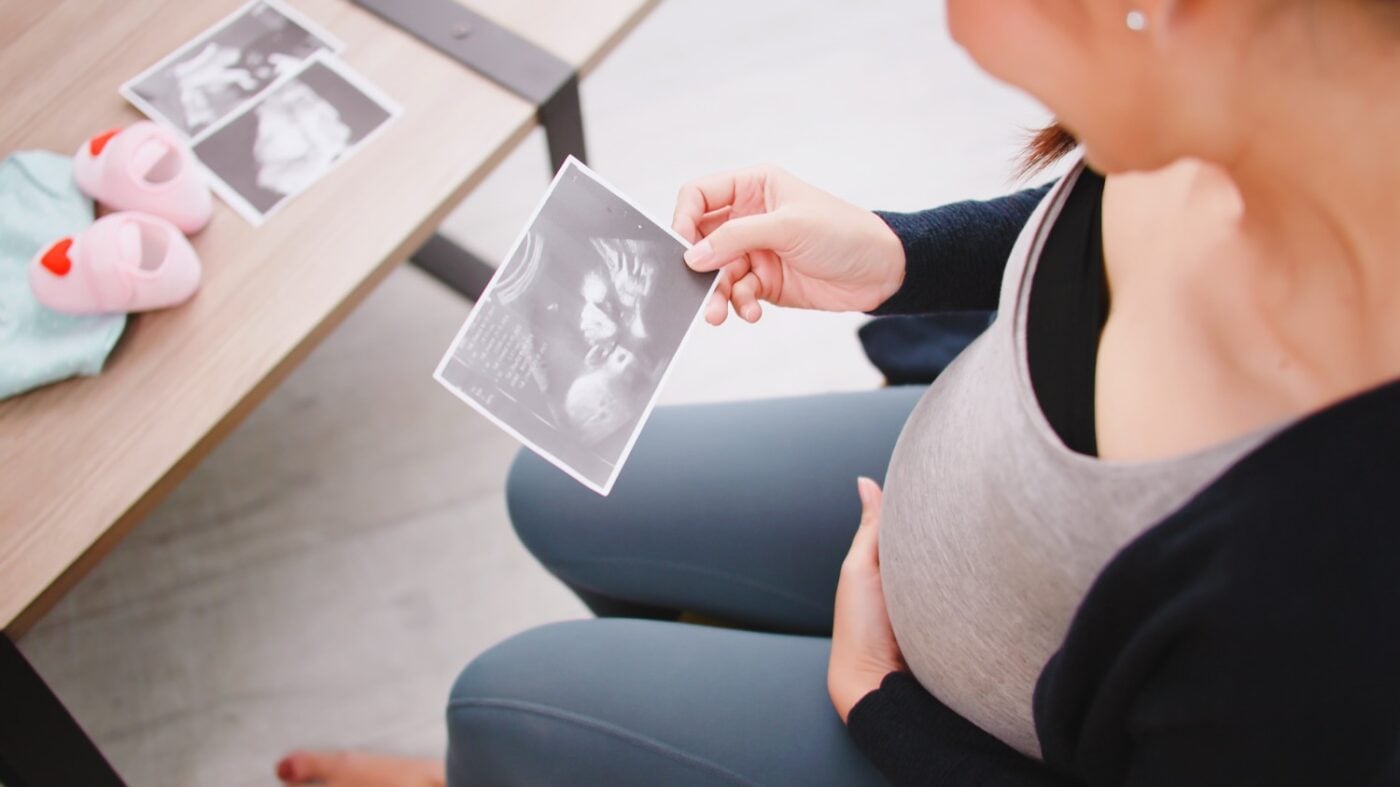
Elective ultrasound training in Idaho is drawing serious interest from a growing number of people who want to build a business in one of the country’s fastest-growing states. Idaho’s population surge over the past decade has brought young families into the Treasure Valley, the Magic Valley, and communities stretching from Coeur d’Alene to Idaho Falls — and that demographic shift is creating real demand for keepsake ultrasound services that simply does not exist in saturation here yet.
Elective ultrasound training in Idaho equips you to operate 3D and 4D scanning equipment for keepsake and bonding purposes. Programs typically span three to four days of hands-on instruction covering machine operation, image optimization, early gender determination, and the business basics you need before opening a studio.
Last Updated: May 2025
What Elective Ultrasound Training in Idaho Actually Covers
Elective ultrasound training in Idaho prepares you to provide 3D, 4D, and HD keepsake scanning sessions to expectant families — not to perform diagnostic evaluations or replace prenatal medical care. A well-structured program teaches you how to operate and optimize ultrasound equipment, produce high-quality images across a range of gestational ages, and build client experiences that people want to share and return for.
Most quality programs include instruction across several core areas. Machine operation is foundational — you need to understand probe handling, frequency settings, depth adjustment, and how to adapt to different patient presentations. Image optimization is where skill separates studios that thrive from those that struggle. A technician who can consistently produce clear, memorable images at 28 weeks will book more referrals than one who cannot.
Early gender determination is a popular service in Idaho, particularly in communities where expectant parents want to know before the standard 20-week anatomy scan. Training typically covers gender identification at 15 to 16 weeks. 2D scanning techniques, advanced 3D and 4D scanning, and hands-on practice with both live clients and training phantoms round out the core curriculum.

Business education is often the piece that surprises new enrollees the most. Knowing how to scan is necessary, but it is not sufficient. Pricing your packages, setting up your studio space, understanding how to market locally, managing client expectations — these are the factors that determine whether a studio builds a sustainable client base or stalls after the first few months.
Who Is Pursuing Elective Ultrasound Training in Idaho Right Now
The profile of a person entering elective ultrasound training in Idaho has broadened considerably. It used to skew toward healthcare workers — nurses, medical assistants, phlebotomists — who wanted to pivot into a client-facing service business. That group is still well represented, but they are now joined by a more diverse range of career changers.
Photographers who shoot newborn and family sessions have discovered that adding elective ultrasound to their studio offerings creates a recurring revenue stream tied to a life event their clients already trust them with. Doulas and birth workers often see elective ultrasound as a natural extension of their prenatal support role. And then there are entrepreneurs with no healthcare background at all — people who spotted a gap in their local market and started researching how to fill it.
According to the U.S. Census Bureau, Idaho’s population grew by more than 17 percent between 2010 and 2020, making it one of the fastest-growing states in the country. That growth has concentrated heavily in the Treasure Valley, with Boise, Nampa, Meridian, and Caldwell absorbing the largest share — creating meaningful demand for family-oriented services in a relatively tight geographic corridor.
Does Idaho Require a License for Elective Ultrasound?
This is the question almost every new enrollee leads with. Idaho does not currently have a specific licensure framework regulating elective keepsake ultrasound as a standalone profession. That said, requirements at the city, county, or business registration level vary. Anyone planning to open a studio in Idaho should verify current regulatory requirements with local authorities and consider speaking with a business attorney before launch.
Elective ultrasound is not diagnostic imaging. Studios are expected to communicate clearly to clients that sessions are for bonding and keepsake purposes, not a substitute for prenatal care. That framing is not just a compliance matter — it is also the honest positioning that helps clients engage appropriately with what your studio offers.
Hands-On Training Versus Online Programs: What Actually Works
Online ultrasound training modules exist, and some serve a useful role as introductory material. But elective ultrasound is fundamentally a tactile skill. You are handling a probe, reading a live image, adjusting in real time to fetal position and patient body composition. No amount of video content can replicate that feedback loop.
Hands-on programs that train you using real clients and training phantoms are the standard worth measuring every other option against. The muscle memory, the visual pattern recognition, and the confidence that comes from watching your technique produce a clear image under supervision — those things develop through repetition in front of real equipment, not through a screen.
According to the Bureau of Labor Statistics, professionals in imaging-adjacent fields consistently identify supervised hands-on practice as the most valuable component of their preparation. While elective ultrasound is not diagnostic, the same principle holds: direct supervised practice accelerates competence in ways that self-guided study cannot replicate.
For Idaho-based entrepreneurs, this also affects your business launch timeline. Someone who completed hands-on training typically books their first client sessions with significantly more confidence than someone who watched videos. That confidence shows in client reviews, which drives referrals — and in smaller Idaho markets, word-of-mouth is the growth engine that matters most.
What to Expect From the Training Process
A quality training program structured for serious studio owners typically runs three to four days. Private hands-on programs, like those offered by Ultrasound Trainers, are conducted at your location using your own equipment. This means you are not practicing on a borrowed machine in a generic training facility — you are learning your setup, your probe, and your workflow in the space where you will actually serve clients.
The curriculum moves through 2D basics, then into 3D and 4D scanning techniques, early gender determination, image optimization, and client management. By the end of a well-structured program, most trainees have completed enough supervised scans to understand where their technique is strong and where continued practice will sharpen their results.
Ongoing support after training is worth evaluating carefully before you choose a program. The questions that arise after your first few solo sessions — what to do when a client’s scan is difficult, how to handle fetal positioning, how to explain image quality variations to clients — are the ones that real support resources answer. Programs that include continued access to instructors after the training window closes are meaningfully more valuable to new studio owners.
The Idaho Market: Why This Window Is Worth Paying Attention To
Idaho’s growth story is not abstract. Treasure Valley has been absorbing new residents from California, Washington, Oregon, and other western states for several years. Many of those new arrivals are young families in or approaching their prime family-formation years. They tend to have spending patterns oriented toward premium experiences, and elective ultrasound fits that profile well.
The elective ultrasound studio market in Idaho is genuinely underdeveloped compared to states like Texas, California, or Florida where the concept has been established for over a decade. That gap is both an opportunity and a reason for realistic expectations. You will likely need to invest in local awareness — explaining the concept, building trust, and earning the first reviews that convert initial curiosity into bookings. But you will not be fighting for market share in a crowded field.
Secondary markets like Idaho Falls, Twin Falls, and Coeur d’Alene deserve attention too. These communities have grown steadily, have active family populations, and have limited existing elective ultrasound options. For an owner willing to serve a regional rather than purely metro market, they represent real opening positions.
Questions Worth Asking Before You Enroll in Any Program
Not all training programs are structured the same way, and the differences matter considerably. Before committing, work through a few direct questions.
- Does the program include hands-on scanning with real clients and training phantoms, or is it primarily observation and video?
- Is training conducted at your location using your equipment, or at a remote facility?
- What business education is included alongside scanning technique?
- Is there ongoing support after the training window closes, and what does that support actually cover?
- Does the program help you understand how to position, price, and market your services locally?
The answers reveal a lot about whether the program is designed for someone who wants to run a business or someone who just wants to learn to scan. For Idaho entrepreneurs, business readiness matters as much as scanning readiness. You can learn the technical side fairly quickly. Building a studio that clients trust and return to requires a more complete foundation.
Frequently Asked Questions
Do I need a medical background to pursue elective ultrasound training in Idaho?
No medical background is required. Many successful studio owners come from business, photography, aesthetics, or other service fields entirely. Scanning skills are taught in training — prior healthcare experience can shorten the learning curve, but it is not a prerequisite for success.
How long does elective ultrasound training typically take?
Quality hands-on programs run three to four days. Private programs conducted at your location are typically more intensive and more directly applicable to your specific setup than group training events at remote facilities.
Can I open an elective ultrasound studio in Idaho without a medical license?
Idaho does not currently impose a specific medical license requirement for elective keepsake ultrasound operators. You should verify local business licensing requirements with your city and county, and confirm current regulatory guidance with a local attorney before opening.
What cities in Idaho have the most potential for a new elective ultrasound studio?
The Treasure Valley — Boise, Nampa, Meridian, and Caldwell — has the largest and fastest-growing family population in the state. Idaho Falls, Twin Falls, and Coeur d’Alene represent secondary markets with growing family demographics and limited existing elective ultrasound competition.
Thinking About Elective Ultrasound Training in Idaho?
Ultrasound Trainers works with people across the country who are building elective ultrasound studios from the ground up. If you are evaluating training options, comparing equipment, or trying to understand what it takes to launch in Idaho, our team can help you think through the specifics and next steps.
Start the ConversationLast Updated: May 2025
Get the Inside Track
Training tips, business advice, and exclusive deals delivered straight to your inbox.

How to Get More Bookings for Your Elective Ultrasound Studio in Montana
Struggling to fill your elective ultrasound booking calendar in Montana? This guide covers what actually[...]

Buying an Elective Ultrasound Machine for an Arkansas Studio: What Actually Matters
Ready to buy an elective ultrasound machine for your Arkansas studio? This guide covers the[...]

How to Build a Pre-Launch Marketing Campaign for Your Elective Ultrasound Studio: A 60-Day Countdown Plan
Pre-launch marketing for an elective ultrasound studio begins 60 days before opening. This 60-day countdown[...]

What Career Changers in Hawaii Need to Know About Elective Ultrasound Training
Considering ultrasound training for a career change in Hawaii? This Q&A guide covers what training[...]

How to Find and Recruit Volunteer Scan Models for Elective Ultrasound Practice
Finding volunteer models for elective ultrasound practice is a skill in itself. Learn where to[...]

How to Write an Elective Ultrasound Business Plan That Actually Works
Writing an elective ultrasound business plan? This guide covers what to include, how to build[...]

How to Open an Elective Ultrasound Business in Honolulu: A Practical Startup Guide
Open an elective ultrasound business in Honolulu with confidence. This guide covers training, startup costs,[...]

Adding Elective Ultrasound to an Existing Photography or Doula Practice in Montana
Montana birth photographers and doulas: adding an elective ultrasound add-on business in Montana to your[...]

Starting an Elective Ultrasound Business in Cheyenne, Wyoming: First-Mover Advantage in the Least-Crowded Market in the Country
Thinking about starting an elective ultrasound business in Cheyenne, Wyoming? This guide covers the F.E.[...]
Elective Ultrasound Training for Career Changers in Sweden
Considering a career change into elective ultrasound in Sweden? Find out what training involves, whether[...]

What Career Changers in Fayetteville Should Know About Elective Ultrasound Training
Thinking about elective ultrasound training in Fayetteville, Arkansas as a career changer? This Q&A guide[...]

The Biggest Mistake Las Vegas Elective Ultrasound Studios Make With Their Marketing
Elective ultrasound studio marketing in Las Vegas prioritizes trust and reviews over ad spend. Here's[...]
