
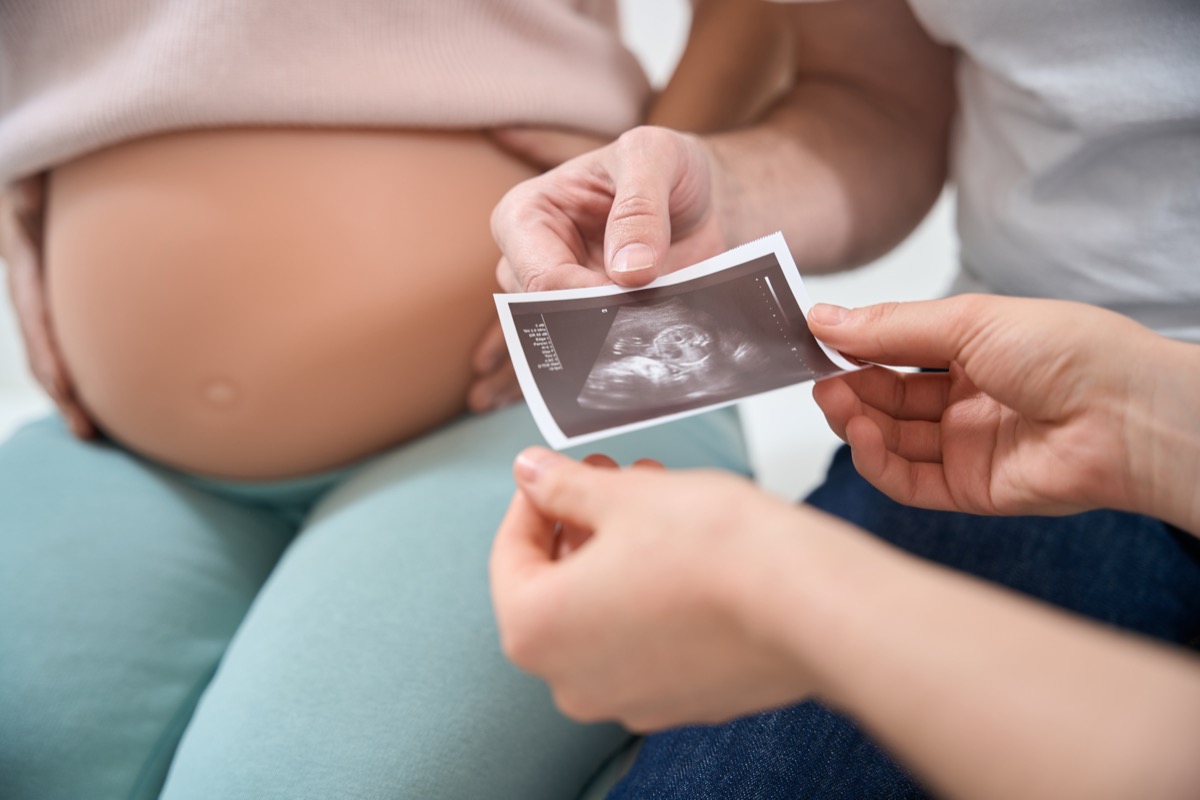
Elective ultrasound training courses in Ann Arbor prepare you with the hands-on scanning skills and business knowledge to open a 3D/4D keepsake studio. Whether you have a clinical background or none at all, structured training is the foundation every successful studio owner starts with.
Ann Arbor occupies an unusual position in Michigan’s economy. It’s a university city — home to the University of Michigan and its substantial medical system — but it’s also one of the most entrepreneurially active mid-size cities in the state. The healthcare and research culture here means the region has no shortage of clinically trained professionals who understand anatomy and imaging. It also means there’s a more sophisticated consumer base that expects quality.
This Q&A guide is written for healthcare professionals in and around Ann Arbor who are asking a version of the same question: how do I take what I already know and build something of my own in the elective ultrasound space?
What Is Elective Ultrasound, and How Is It Different From What I Do Clinically?
This is the first question most healthcare professionals ask — and it’s the right one. Elective ultrasound is a bonding and keepsake service, not a diagnostic procedure. Your clients are expecting families who want to see their baby in 3D or 4D, capture images and video, and share a meaningful experience with loved ones. You are not diagnosing, assessing fetal health, or providing medical guidance of any kind. Elective ultrasound exists entirely outside that scope.
For someone with a clinical ultrasound background, that’s actually a significant advantage. You already understand probe mechanics, imaging physics, and fetal positioning. What elective ultrasound training adds is the session management, client experience, business operations, and marketing knowledge that clinical training doesn’t cover.
Do I Need to Take an Elective Ultrasound Training Course If I Already Know How to Scan?
Even for experienced sonographers or other clinical professionals, elective ultrasound training is worth pursuing for a specific reason: the context is different. Clinical scanning is task-focused, time-constrained, and report-driven. Elective scanning is experience-focused, client-facing, and session-driven. The skill set overlaps significantly, but the way you apply it is genuinely different.
Elective ultrasound training in Ann Arbor or anywhere else isn’t about teaching you to hold a probe. It’s about teaching you how to run a profitable keepsake studio — how to manage a session with family members in the room, how to optimize your machine for the stunning 3D images clients are paying for, how to price your packages, and how to build a business that generates referrals rather than relying on paid ads to fill your calendar.
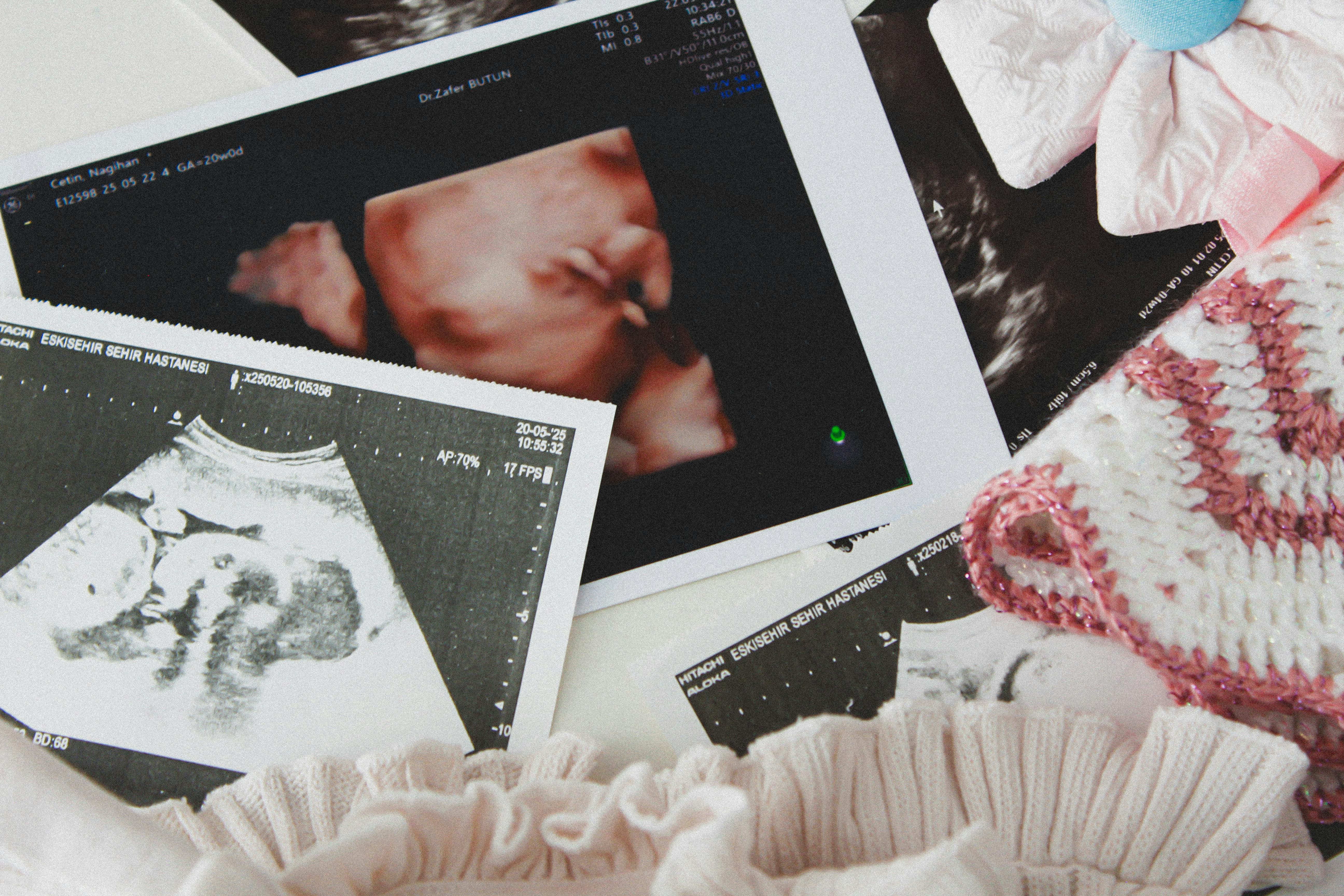
What Does a Hands-On Elective Ultrasound Training Program Actually Include?
A well-structured program covers both the scanning side and the business side. Here’s what that typically looks like in a comprehensive training curriculum:
- Machine operation and optimization — learning your machine’s settings and how to adjust them for the best image quality across different gestational ages and client body types
- 3D and 4D scanning technique — probe positioning, angle, and movement patterns that produce the images clients are there to see
- Early gender determination — training on identifying fetal sex at 15 to 16 weeks, which is one of the most requested services in the elective market
- 2D ultrasound skills — supporting views and techniques that complement your primary 3D/4D service
- Session flow and client management — how to run a session from greeting to image delivery, with family members present and emotions running high
- Business and pricing fundamentals — packaging your services, setting prices appropriate for a market like Ann Arbor, and understanding your cost structure
- Marketing and client acquisition — how to build awareness in your local market and convert interest into bookings
Why Does Ann Arbor Make Sense as a Market for an Elective Ultrasound Studio?
Ann Arbor’s population skews younger, more educated, and more health-conscious than many comparable Michigan cities. That demographic profile aligns well with the typical elective ultrasound client — someone who is intentional about their pregnancy experience, values quality over price, and actively seeks out premium wellness services.
The University of Michigan community alone generates consistent family formation. Graduate students, faculty, and staff have babies — and they tend to be exactly the type of client who will seek out an elective ultrasound experience rather than waiting for a standard clinical scan. Ann Arbor also draws from Saline, Ypsilanti, Chelsea, and Dexter, extending your realistic client catchment well beyond city limits.
We’ve seen in markets like Ann Arbor — university towns with strong healthcare ecosystems — that elective ultrasound studios tend to build reputation quickly when the quality of the experience is there. Word of mouth among the interconnected networks of a university community travels faster than in more fragmented suburban markets.
How Does On-Site Training Work, and Why Does It Matter?
The most effective training model for elective ultrasound is on-site — the trainer comes to your location, and you learn on your own machine in your own space. The difference between on-site training and training at a central facility is not subtle.
When you train on your own equipment, in the space your clients will actually use, there is no transition gap. You build muscle memory on the exact machine you’ll operate for your first client. The settings you optimize during training are the settings you’ll use on day one. The room layout you practice in is the room layout your clients will see. That direct continuity is why operators who receive on-site training typically get to session-confident faster than those who train on unfamiliar equipment in an unfamiliar environment.
For elective ultrasound training in Michigan, Ultrasound Trainers delivers all instruction on-site at the client’s chosen location. According to the CDC’s National Center for Health Statistics, Michigan sees approximately 110,000 births per year — a consistent base of potential clients for operators across the state.
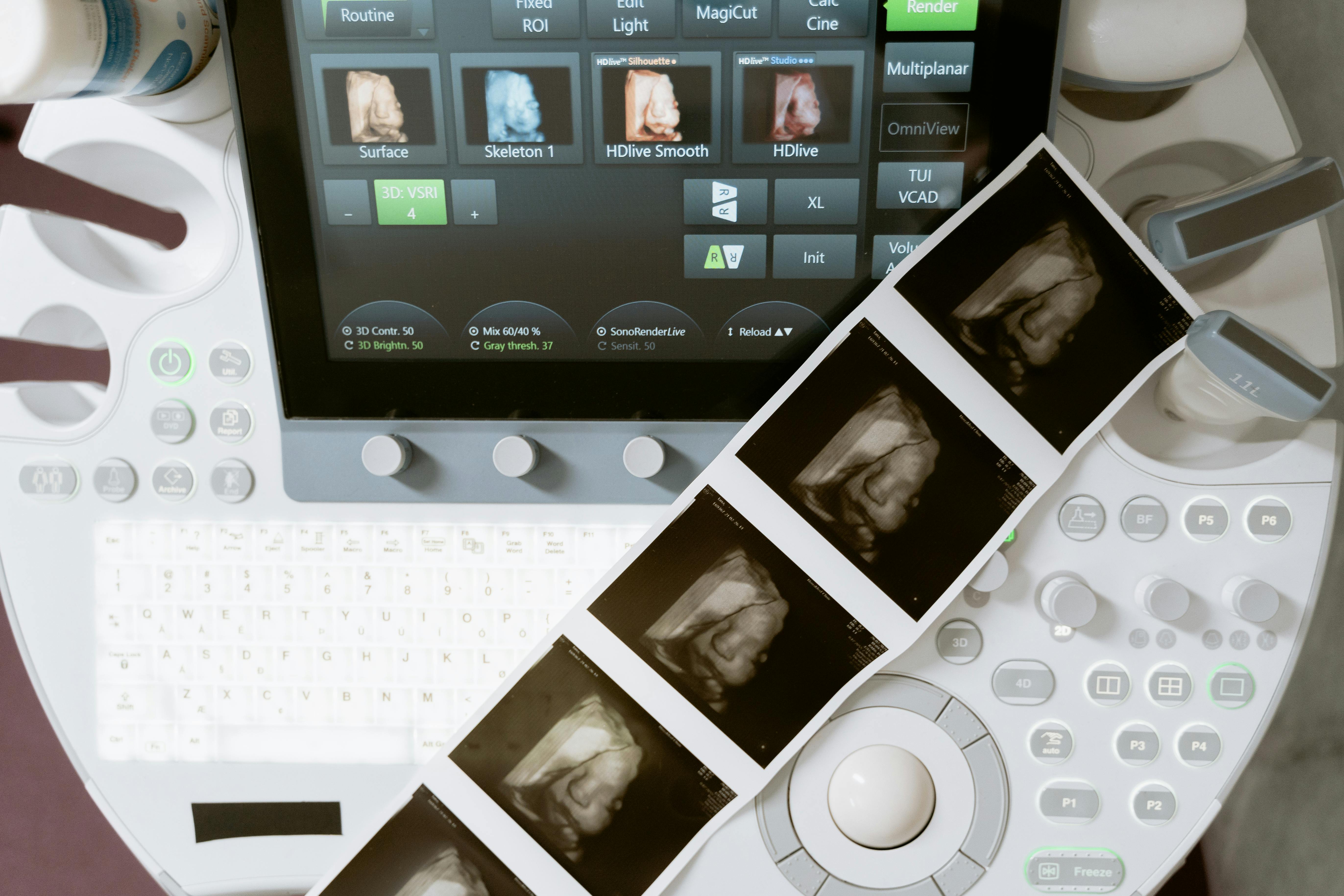
What About the Business Side?
This is often where healthcare professionals need the most support. Clinical training is thorough on the medical side and minimal on the business side — that’s by design, and it’s appropriate for clinical roles. But opening a studio requires you to think like an entrepreneur. Pricing strategy, local marketing, online booking systems, client communication, Google reviews — none of that was covered in nursing school or sonography training.
A program that combines scanning training with genuine business education gets you operational faster and with fewer expensive missteps. The Ann Arbor market can support a well-run studio with premium pricing. Getting there requires more than knowing how to produce a good image.
Bottom Line: Is This the Right Move?
If you’re a healthcare professional in Ann Arbor who is seriously considering elective ultrasound as a business path, the honest answer is that the market conditions are favorable. The clinical skill advantage is real. The local demand is there. The competition is limited. What you need is the right training framework to bridge your clinical foundation to the business reality of running a keepsake studio — and the right partner to support you through that transition.
Can a healthcare professional in Michigan open an elective ultrasound studio?
Yes. Many elective ultrasound studio owners have clinical backgrounds — nurses, MAs, and sonographers are all well represented. Requirements vary by state and business structure. Ultrasound Trainers helps clients understand the compliance context as part of the training and startup process.
How long does it take to complete elective ultrasound training and open a studio?
The training itself runs three to four days. The timeline from training to open doors varies based on equipment procurement, space setup, and business registration — most operators who move efficiently can be operational within 30 to 90 days of completing training.
Is Ann Arbor large enough to support an elective ultrasound studio?
Yes. Ann Arbor’s population combined with its broader catchment area — including Ypsilanti, Saline, and surrounding communities — provides a meaningful client base. The university demographic is particularly well-matched to the elective ultrasound market. Studio owners in comparable university cities consistently find demand is not the limiting factor.
Does elective ultrasound training require hands-on practice?
Yes, and that’s non-negotiable. Hands-on practice — with real clients and training phantoms — is how you build the scanning confidence that makes a session go well. No amount of theory or video instruction replaces real probe-in-hand time. Choose a program that prioritizes this.
What ongoing support is available after I complete training?
Ultrasound Trainers provides ongoing support for both ultrasound questions and business operations — for clients on the turnkey program, this extends 36 months from the training date. The questions that come up in your first weeks of real client sessions are often the most important ones, and having reliable support access during that period matters.
About This Content
Ultrasound Trainers provides elective ultrasound training, turnkey studio launch packages, and equipment guidance for people entering the keepsake ultrasound industry. This article was written for healthcare professionals and career changers in the Ann Arbor, Michigan area.
Last Updated: April 2025
Get the Inside Track
Training tips, business advice, and exclusive deals delivered straight to your inbox.

How to Get More Bookings for Your Elective Ultrasound Studio in Montana
Struggling to fill your elective ultrasound booking calendar in Montana? This guide covers what actually[...]

Buying an Elective Ultrasound Machine for an Arkansas Studio: What Actually Matters
Ready to buy an elective ultrasound machine for your Arkansas studio? This guide covers the[...]

How to Build a Pre-Launch Marketing Campaign for Your Elective Ultrasound Studio: A 60-Day Countdown Plan
Pre-launch marketing for an elective ultrasound studio begins 60 days before opening. This 60-day countdown[...]

What Career Changers in Hawaii Need to Know About Elective Ultrasound Training
Considering ultrasound training for a career change in Hawaii? This Q&A guide covers what training[...]

How to Find and Recruit Volunteer Scan Models for Elective Ultrasound Practice
Finding volunteer models for elective ultrasound practice is a skill in itself. Learn where to[...]

How to Write an Elective Ultrasound Business Plan That Actually Works
Writing an elective ultrasound business plan? This guide covers what to include, how to build[...]

How to Open an Elective Ultrasound Business in Honolulu: A Practical Startup Guide
Open an elective ultrasound business in Honolulu with confidence. This guide covers training, startup costs,[...]

Adding Elective Ultrasound to an Existing Photography or Doula Practice in Montana
Montana birth photographers and doulas: adding an elective ultrasound add-on business in Montana to your[...]

Starting an Elective Ultrasound Business in Cheyenne, Wyoming: First-Mover Advantage in the Least-Crowded Market in the Country
Thinking about starting an elective ultrasound business in Cheyenne, Wyoming? This guide covers the F.E.[...]

Elective Ultrasound Training for Career Changers in Sweden
Considering a career change into elective ultrasound in Sweden? Find out what training involves, whether[...]

What Career Changers in Fayetteville Should Know About Elective Ultrasound Training
Thinking about elective ultrasound training in Fayetteville, Arkansas as a career changer? This Q&A guide[...]

The Biggest Mistake Las Vegas Elective Ultrasound Studios Make With Their Marketing
Elective ultrasound studio marketing in Las Vegas prioritizes trust and reviews over ad spend. Here's[...]
