
Last Updated: April 15, 2026
Elective ultrasound studio lease negotiation tips start with knowing what landlords typically expect to give and what you should always ask for. Key targets: tenant improvement allowance, free rent during build-out, capped rent escalation, renewal options, and a clearly defined permitted use clause. Never sign a commercial lease without legal review.
Your commercial lease is likely the largest recurring commitment your studio will make outside of equipment. It shapes your fixed costs for the term of the agreement, affects your ability to modify the space, and determines what happens if your business needs change. Most first-time commercial tenants accept the first draft they receive and miss meaningful opportunities to improve the terms. Applying the right elective ultrasound studio lease negotiation tips before you sign can save thousands of dollars and give you significantly more flexibility over the life of the lease.
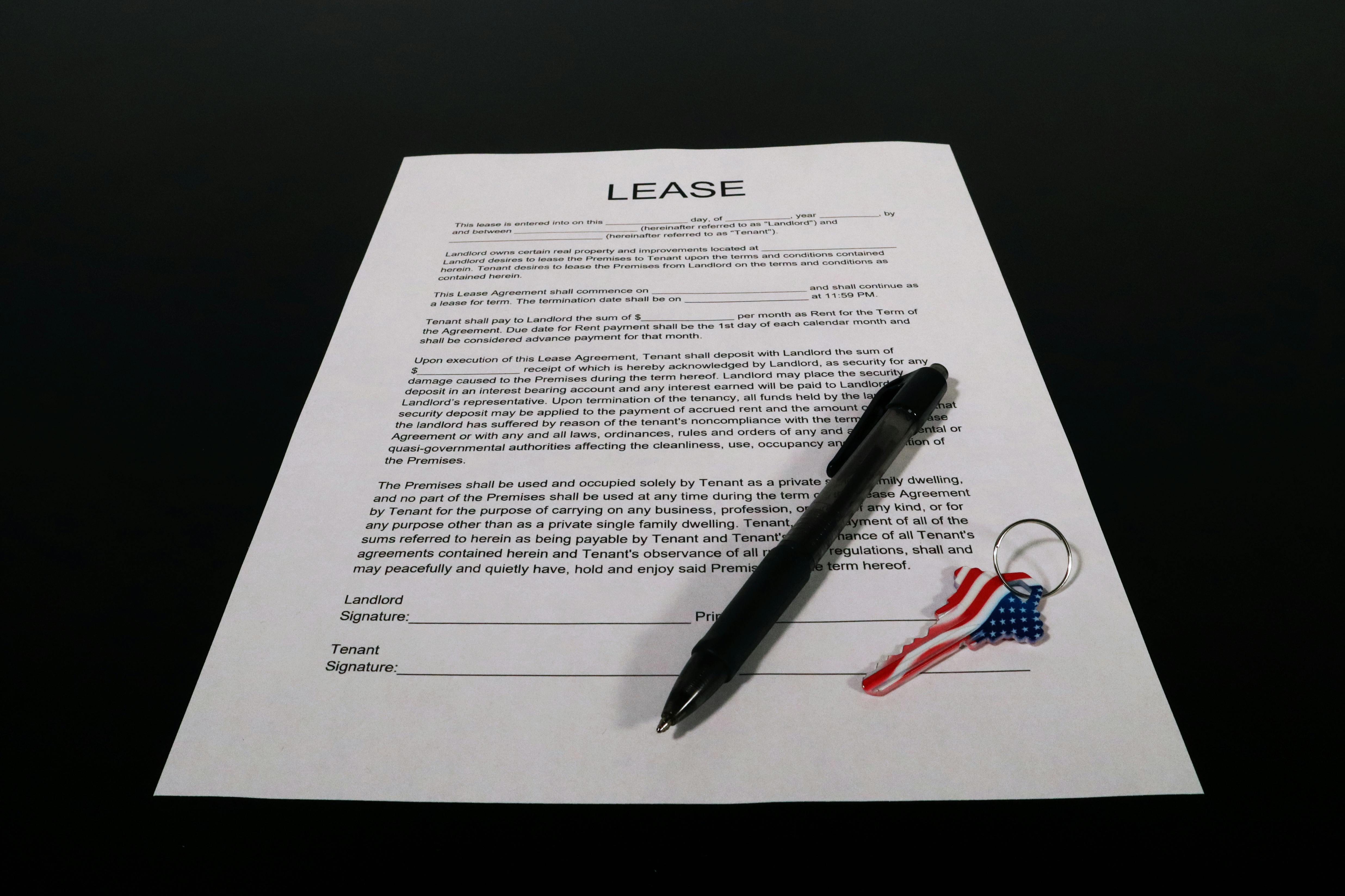
Step-by-Step Lease Negotiation for Elective Ultrasound Studios
Step 1: Understand Your Leverage Before the Conversation Starts
Negotiating leverage in commercial leasing comes from two sources: competition and timing. If the space has been vacant for months, the landlord has more incentive to offer concessions than if they have three other interested tenants. If you are a qualified tenant with good financials and a clear business plan, you are a more attractive prospect than an untested one. Know which of these dynamics applies to your situation before you make your first ask.
Also know your alternatives. If you have two or three spaces under consideration, being genuinely willing to walk away from one gives you real leverage in each negotiation. Telling a landlord “we are evaluating another space on [Street Name]” is not a bluff if it is true — and it often produces movement on terms that a more passive approach does not.
Step 2: Negotiate the Lease Length for Your Stage of Business
Longer leases offer landlords more security and typically produce better concessions from them — bigger TI allowances, more free rent, lower annual escalation. But longer leases also commit you to a fixed location for longer, which can be a disadvantage if your business grows faster than expected or if the location does not perform as anticipated.
For a first studio, a three to five year term with two renewal options is often the right balance. This gives the landlord enough commitment to motivate concessions while preserving your ability to renegotiate or relocate as your business evolves. A ten-year lease for a first studio is usually more commitment than the situation warrants at this stage.
Step 3: Push Hard for a Tenant Improvement Allowance
A tenant improvement allowance (TI allowance or TIA) is money the landlord contributes toward your build-out costs. It is one of the most valuable concessions available in commercial leasing and one that many first-time tenants do not ask for. Standard TI allowances in commercial leases range from $15 to $50 per square foot depending on the market, the lease length, and the landlord’s desire to secure you as a tenant.
For a 400 square foot studio, a $25 per square foot TI allowance would contribute $10,000 toward your build-out costs. That is a meaningful offset against the lighting, paint, electrical, display mounting, and other modifications you will need. The landlord structures TI as part of the deal economics — they expect you to ask, and the lease term and rent rate reflect the cost of the concession. Ask for it.
Step 4: Request Free Rent During Your Build-Out Period
Build-out takes time. During the weeks or months between when you take possession of the space and when you open for business, you are paying rent without generating revenue. Free rent during build-out — typically two to four months for a studio of this size — is a standard negotiation point in commercial leasing that directly addresses this problem.
Free rent during build-out is different from free rent as an overall concession. It is specifically tied to the period when you cannot operate because the space is not yet complete. Landlords who are motivated to secure a tenant often grant this without significant pushback. Frame it as a practical request — you need build-out time and cannot pay rent before you can operate.
Step 5: Cap Annual Rent Escalation
Commercial leases typically include annual rent increases, often structured as a fixed percentage (three to four percent is common) or tied to CPI (Consumer Price Index). Both structures can produce significant rent increases over a multi-year term. Negotiating a lower cap — two to three percent fixed annually — or negotiating a hard cap on CPI-based increases protects your fixed cost base as the business grows.
Run the numbers before negotiating: a three percent annual escalation on a $2,000 monthly lease produces $73 more per month in year two, $146 more in year three, and so on. Over a five-year term, uncapped escalation at three percent per year means paying roughly $8,000 more over the lease than you paid in the first year. A lower cap reduces that cumulative cost.
Step 6: Secure Meaningful Renewal Options
Renewal options — the right to extend your lease at the end of the initial term, typically at a predetermined or formula-based rent — protect your investment in the location. If you build a successful studio with a strong local following, losing the space at the end of your lease because the landlord found a higher-paying tenant would mean rebuilding that local presence from a new address. Renewal options give you control over that decision.
Negotiate for at least two renewal option periods. The renewal rent should be at a defined rate — either the same as your last year’s rent, a capped increase, or a formula tied to market rate with a ceiling. Renewal options with no rental ceiling do not provide meaningful protection.
| Term Length | Typical Concessions Available | Risk Level |
|---|---|---|
| 1-2 years | Minimal TI, little free rent | Low commitment, high uncertainty |
| 3-5 years | Meaningful TI, free rent available | Balanced — good for first studio |
| 7-10 years | Largest TI, most free rent | High commitment — suitable for established studios |
Frequently Asked Questions
Do I need a commercial real estate attorney to review my lease?
Yes. Commercial leases are legally complex documents with significant financial implications. An attorney who works in commercial real estate can identify unfavorable clauses, explain your obligations, and help you negotiate better terms. The cost of legal review is modest relative to the total value of the lease and the potential cost of a poorly understood clause.
What is a personal guarantee and should I be concerned about it?
A personal guarantee makes you personally liable for lease obligations if your business entity cannot meet them. Landlords frequently require personal guarantees from new business tenants who lack a credit history as a business. You can sometimes negotiate to limit the guarantee — to the first 12 months of rent rather than the full term, for example — but eliminating it entirely is difficult for a first-time tenant.
What if the landlord says the lease is non-negotiable?
Very few commercial leases are genuinely non-negotiable. “Non-negotiable” is often an opening negotiation position. Put your requests in writing as a counter-proposal and let the landlord respond formally. The written counter-proposal is harder to dismiss than a verbal ask, and it establishes a professional tone for the conversation. The Small Business Administration offers guidance on commercial leasing that provides useful context for first-time tenants.
Can I get out of a commercial lease if my business closes?
This depends entirely on your lease terms. Standard commercial leases do not provide for early exit without penalty. Negotiating an early termination clause — typically a buyout provision requiring payment of several months of rent — gives you an exit path if circumstances change. This is worth including in your initial negotiation even if you have no expectation of needing it.
For a full picture of what the startup process involves — from space selection through launch — Ultrasound Trainers startup consulting covers the business planning, location selection, and operational setup that new studio owners need to get right from the beginning.
Planning Your Studio Launch?
Ultrasound Trainers works with entrepreneurs through every step of launching an elective ultrasound business — from location and lease decisions to training, equipment, and marketing. If you want experienced guidance on setting up your studio for long-term success, our team is here to help.
Get in TouchAbout This Content: Ultrasound Trainers provides elective ultrasound training, equipment guidance, and business consulting. This article is for informational purposes and does not constitute legal or real estate advice. Always consult a licensed commercial real estate attorney before signing a lease.
Get the Inside Track
Training tips, business advice, and exclusive deals delivered straight to your inbox.

How to Get More Bookings for Your Elective Ultrasound Studio in Montana
Struggling to fill your elective ultrasound booking calendar in Montana? This guide covers what actually[...]

Buying an Elective Ultrasound Machine for an Arkansas Studio: What Actually Matters
Ready to buy an elective ultrasound machine for your Arkansas studio? This guide covers the[...]

How to Build a Pre-Launch Marketing Campaign for Your Elective Ultrasound Studio: A 60-Day Countdown Plan
Pre-launch marketing for an elective ultrasound studio begins 60 days before opening. This 60-day countdown[...]

What Career Changers in Hawaii Need to Know About Elective Ultrasound Training
Considering ultrasound training for a career change in Hawaii? This Q&A guide covers what training[...]

How to Find and Recruit Volunteer Scan Models for Elective Ultrasound Practice
Finding volunteer models for elective ultrasound practice is a skill in itself. Learn where to[...]

How to Write an Elective Ultrasound Business Plan That Actually Works
Writing an elective ultrasound business plan? This guide covers what to include, how to build[...]

How to Open an Elective Ultrasound Business in Honolulu: A Practical Startup Guide
Open an elective ultrasound business in Honolulu with confidence. This guide covers training, startup costs,[...]

Adding Elective Ultrasound to an Existing Photography or Doula Practice in Montana
Montana birth photographers and doulas: adding an elective ultrasound add-on business in Montana to your[...]

Starting an Elective Ultrasound Business in Cheyenne, Wyoming: First-Mover Advantage in the Least-Crowded Market in the Country
Thinking about starting an elective ultrasound business in Cheyenne, Wyoming? This guide covers the F.E.[...]

Elective Ultrasound Training for Career Changers in Sweden
Considering a career change into elective ultrasound in Sweden? Find out what training involves, whether[...]

What Career Changers in Fayetteville Should Know About Elective Ultrasound Training
Thinking about elective ultrasound training in Fayetteville, Arkansas as a career changer? This Q&A guide[...]

The Biggest Mistake Las Vegas Elective Ultrasound Studios Make With Their Marketing
Elective ultrasound studio marketing in Las Vegas prioritizes trust and reviews over ad spend. Here's[...]
Learn about financing options, startup costs, and payment plans on our ultrasound financing page.
