

Elective ultrasound training in Alaska draws a specific kind of person — someone who has thought carefully about what business opportunities actually exist in a state where geography, isolation, and small community dynamics create a different calculus than the lower 48. Career changers in Anchorage and Fairbanks who are evaluating this path are usually right about the opportunity. What they’re sometimes missing is a clear picture of what training actually involves and how the Alaska context shapes preparation, timeline, and realistic expectations for a new studio.
Elective ultrasound training in Alaska follows the same core requirements as anywhere in the country: hands-on supervised scanning with real clients, a business curriculum that covers more than machine operation, and a deliberate practice period after training before you open. What differs in Alaska is the logistics of getting a trainer there, the timeline implications of equipment delivery, and the specific market context of Anchorage and Fairbanks that shapes how you build a client base.
Last Updated: July 2025
What Elective Ultrasound Training Actually Covers
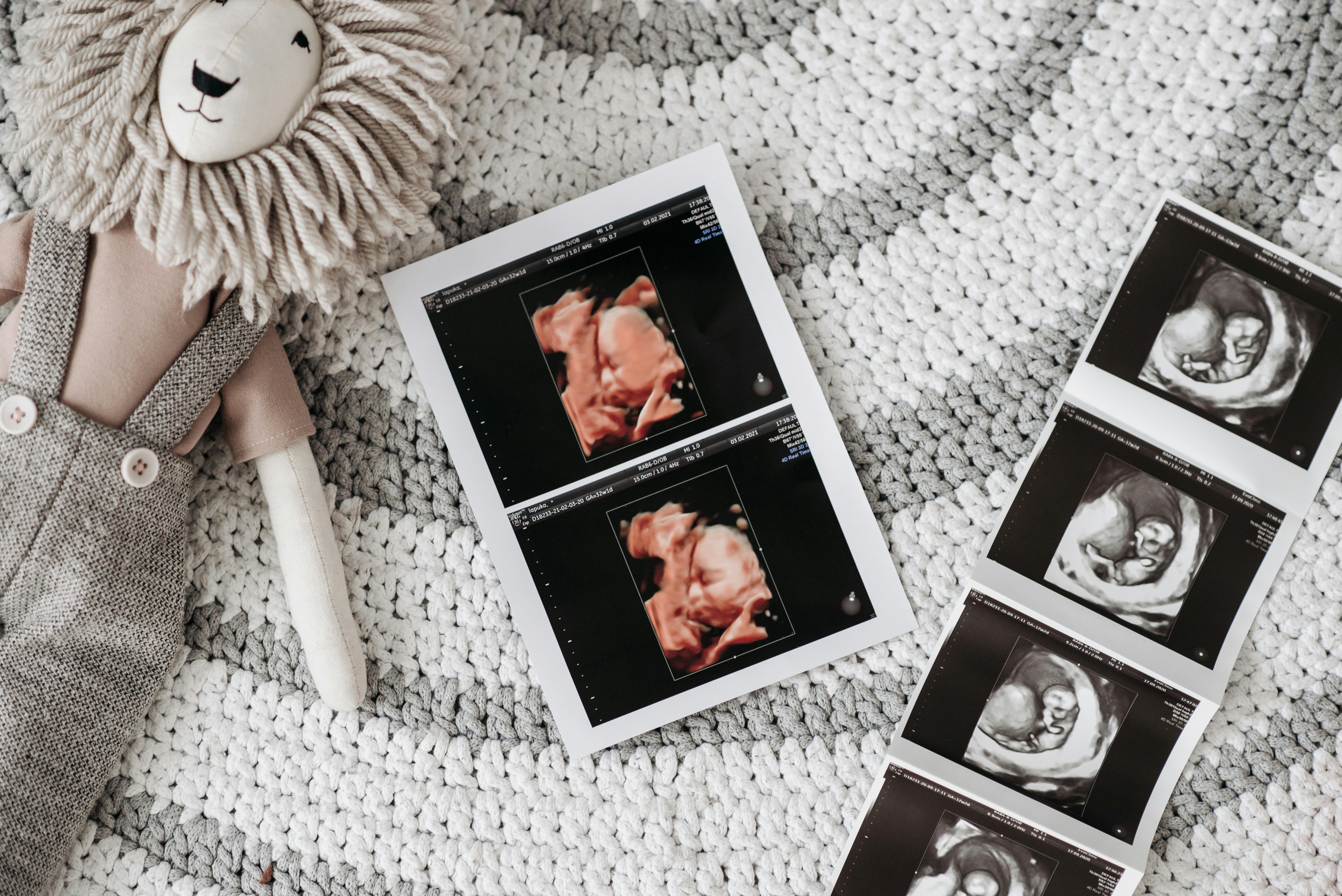
Elective ultrasound training in Alaska prepares you to operate a keepsake and bonding scanning studio. Elective ultrasound is not diagnostic medical imaging — sessions let expecting families see their baby in 3D or 4D, capture images and video, and experience a bonding moment together. The service does not evaluate fetal health for clinical purposes, does not replace prenatal care, and does not require a medical license to operate in Alaska. A quality training program builds both the technical scanning skill and the business and client management capability you need to run a studio professionally.
Alaska does not have a specific state license required exclusively for elective ultrasound operators. Business licensing requirements vary by municipality — Anchorage and Fairbanks have their own business registration processes — and should be verified with a local attorney before opening. The absence of a medical credential requirement is not a signal that preparation doesn’t matter; it’s a signal about regulatory structure.
Alaska-Specific Training Logistics
The most important logistics difference for Alaska operators is that on-site training requires a trainer to travel to your location. Anchorage is a five-to-six-hour flight from the lower 48, and Fairbanks adds another hour. That travel cost is real, and it affects the total cost of training programs that offer on-site delivery.
When evaluating programs as an Alaska operator, ask explicitly about how trainer travel is handled and what it adds to the total cost. Some programs include travel in a flat fee; others itemize it separately. Either way, it is a legitimate additional expense for Alaska operators and should be budgeted for honestly rather than discovered after enrollment.
The on-site format is still the right choice despite the travel premium. Learning in your actual Anchorage or Fairbanks studio, on your specific machine, in the room where you’ll serve real clients — that calibration is worth more in Alaska than anywhere else because your equipment replacement and service timelines are longer if something goes wrong. You want to know your machine completely before your first paid session.
Ultrasound Trainers’ ultrasound training program is delivered on-site and covers both the technical and business sides of operating a keepsake studio. If you’re in Anchorage or Fairbanks and evaluating a training program, reach out before you enroll to talk through how Alaska logistics factor into the program structure.
What the Alaska Market Looks Like for a New Studio
Alaska recorded approximately 10,000 births annually in recent reporting years, according to the U.S. Census Bureau. That number, concentrated in a handful of urban areas, represents a smaller absolute client pool than most lower-48 states. The variable that changes the calculation is access.
Families in Anchorage who want a 3D/4D elective ultrasound session currently have no local option. They either go without — by far the most common outcome — or they wait until a trip to Seattle or the lower 48 to try to find a studio that fits their travel schedule. A studio in Anchorage doesn’t just capture local demand; it captures demand that currently has no outlet at all.
Fairbanks is a meaningfully smaller market — roughly 30,000 in the city, with the University of Alaska Fairbanks and Fort Wainwright (a major Army installation) contributing to the population base. Fort Wainwright’s military family community creates a motivated keepsake ultrasound demographic, similar to JBER’s contribution to the Anchorage market. A Fairbanks studio would be serving a community that, like Anchorage, has no local alternative.
The Military Community Dimension
Alaska has the highest concentration of active-duty military personnel per capita of any state, largely due to JBER in Anchorage and Fort Wainwright in Fairbanks. Military families are among the most reliably motivated keepsake ultrasound clients for reasons that are specific to their situation: they are frequently far from extended family, they move often enough to make local experiences feel time-limited and worth prioritizing, and the military spouse community networks amplify word-of-mouth at a pace that exceeds most civilian community networks.
Understanding this demographic matters for how you structure your training and your service. Military families often want to include extended family members in the session experience remotely — live streaming capability becomes more valuable here than in markets where grandparents are an hour away. Gender reveal sessions that can be shared digitally in real time resonate strongly with this demographic.
The Practice Period Is More Important in Alaska
The standard recommendation for new operators — four to six weeks of deliberate practice sessions with friends and family between training completion and first paid client — matters more in Alaska than in most markets. Here’s why.
If you open uncertain and deliver weak early sessions, the Alaska community context means that feedback travels fast in a very small pond. Anchorage has 290,000 people, but the subset of those people who are currently pregnant and aware of elective ultrasound is a far smaller community. Those early clients will talk to each other, to their doulas, to the military spouse groups they’re active in. Early reputation damage in Alaska is harder to repair than in a larger, more anonymous market.
Open when you’re genuinely ready. Not when the calendar says you should be, not when the equipment has been sitting in your studio for three weeks, not when financial pressure is building. Genuine readiness — the ability to deliver a confident, professional session every time — is the product. It takes the time it takes.
What to Look for in a Training Program as an Alaska Operator
- Supervised client scanning time: Non-negotiable. How many hours of live practice with real clients under instruction? If vague or absent from the description, that absence is the answer.
- On-site delivery with Alaska travel clarity: Confirm how trainer travel is handled and what the total cost is including travel. Transparency here is a quality signal.
- Business curriculum: Pricing for an Alaska market, client communication strategies relevant to a military-heavy demographic, booking systems, local marketing — these should all be covered.
- Live streaming training: Given the military family demographic, ensure your training covers live streaming setup and technique. This is more than a nice-to-have in Alaska.
- Post-training support: You are in Anchorage or Fairbanks. When a difficult session arises three months after training, you need someone you can call. Programs with genuine ongoing mentorship are worth the premium in a geographically isolated market.
Explore Your Training Path in Alaska
Evaluating This Path in Anchorage or Fairbanks?
Ultrasound Trainers has worked with operators in geographically remote markets. If you’re seriously exploring elective ultrasound training in Alaska, reach out before you commit — the Alaska-specific logistics around trainer travel, equipment delivery timelines, and market context are worth talking through before you make any decisions.
Start the ConversationLast Updated: July 2025
Get the Inside Track
Training tips, business advice, and exclusive deals delivered straight to your inbox.

How to Get More Bookings for Your Elective Ultrasound Studio in Montana
Struggling to fill your elective ultrasound booking calendar in Montana? This guide covers what actually[...]

Buying an Elective Ultrasound Machine for an Arkansas Studio: What Actually Matters
Ready to buy an elective ultrasound machine for your Arkansas studio? This guide covers the[...]

How to Build a Pre-Launch Marketing Campaign for Your Elective Ultrasound Studio: A 60-Day Countdown Plan
Pre-launch marketing for an elective ultrasound studio begins 60 days before opening. This 60-day countdown[...]

What Career Changers in Hawaii Need to Know About Elective Ultrasound Training
Considering ultrasound training for a career change in Hawaii? This Q&A guide covers what training[...]

How to Find and Recruit Volunteer Scan Models for Elective Ultrasound Practice
Finding volunteer models for elective ultrasound practice is a skill in itself. Learn where to[...]

How to Write an Elective Ultrasound Business Plan That Actually Works
Writing an elective ultrasound business plan? This guide covers what to include, how to build[...]

How to Open an Elective Ultrasound Business in Honolulu: A Practical Startup Guide
Open an elective ultrasound business in Honolulu with confidence. This guide covers training, startup costs,[...]

Adding Elective Ultrasound to an Existing Photography or Doula Practice in Montana
Montana birth photographers and doulas: adding an elective ultrasound add-on business in Montana to your[...]

Starting an Elective Ultrasound Business in Cheyenne, Wyoming: First-Mover Advantage in the Least-Crowded Market in the Country
Thinking about starting an elective ultrasound business in Cheyenne, Wyoming? This guide covers the F.E.[...]
Elective Ultrasound Training for Career Changers in Sweden
Considering a career change into elective ultrasound in Sweden? Find out what training involves, whether[...]

What Career Changers in Fayetteville Should Know About Elective Ultrasound Training
Thinking about elective ultrasound training in Fayetteville, Arkansas as a career changer? This Q&A guide[...]

The Biggest Mistake Las Vegas Elective Ultrasound Studios Make With Their Marketing
Elective ultrasound studio marketing in Las Vegas prioritizes trust and reviews over ad spend. Here's[...]
