

Elective ultrasound training in Kansas is pulling in a growing number of people who want a business of their own, a service that feels meaningful, and a schedule they actually control. Whether you are based in Wichita, Overland Park, Topeka, or somewhere in the middle of the state, the path from interest to a working studio involves real decisions about training format, equipment, and market positioning. None of these decisions need to be overwhelming if you go in with the right information.
Elective ultrasound training in Kansas covers hands-on scanning technique, 3D and 4D machine operation, early gender determination, and the business fundamentals of running a keepsake studio. Programs vary in length, format, and included support, so comparing your options carefully before committing is worth the time.
Last Updated: May 2026
What Elective Ultrasound Training in Kansas Actually Covers
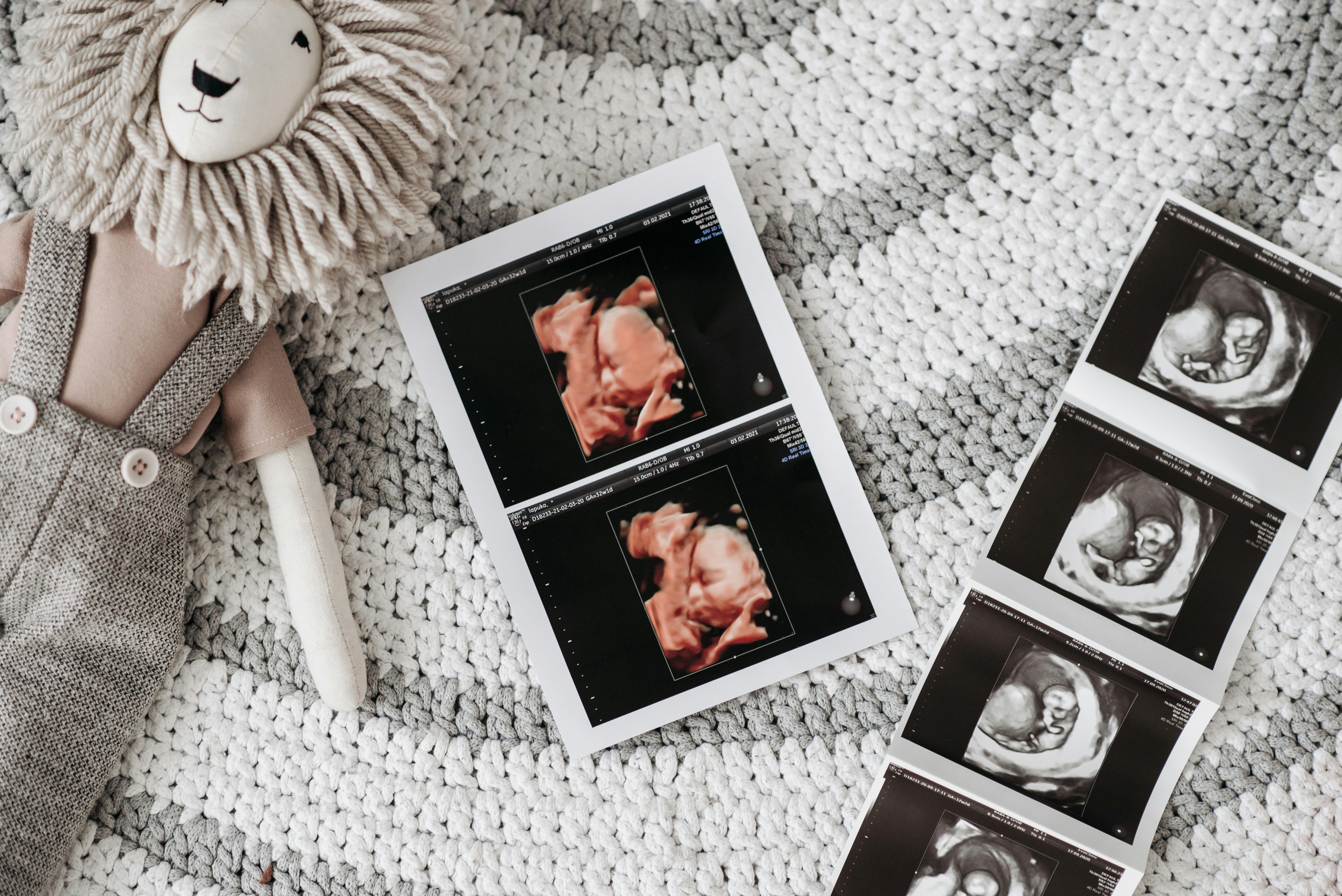
Elective ultrasound training in Kansas teaches students to operate 3D and 4D ultrasound machines, optimize image quality during a session, and deliver a professional client experience from booking through the delivery of keepsake images. It is not a medical certification program. It does not prepare students for diagnostic imaging in a clinical setting. The service is designed entirely around bonding and keepsake experiences for families.

The technical curriculum covers 2D scanning fundamentals, 3D and 4D imaging techniques, early gender determination scanning at 15 to 16 weeks, adjusting machine settings across different gestational ages, and understanding the positioning and environmental factors that affect image quality. A strong program also includes a business component covering session flow, package design, pricing structure, and client communication standards.
Hands-on practice with real clients or training phantoms is what separates a useful program from one that leaves you underprepared on opening day. Reading about probe positioning is not the same as developing a feel for it through actual practice. Students who complete structured hands-on programs consistently build scanning confidence faster than those who rely on online instruction alone.
Clients should continue all routine prenatal care with their medical provider throughout pregnancy. Any reputable training program will make the distinction between elective and diagnostic ultrasound clear from the first session.
Why the Kansas Market Deserves Serious Attention Right Now
According to the U.S. Census Bureau, Kansas has a population of approximately 2.9 million residents, with meaningful concentrations in the Wichita metro, the Kansas side of the Kansas City metro area, and the Topeka-Lawrence corridor. That spread creates multiple viable entry points across the state rather than one dominant city that absorbs all demand.
The Johnson County suburbs, Overland Park, Olathe, Lenexa, and Shawnee, rank among the most affluent communities in the Midwest. Household incomes in this area support premium family experiences, and the demographic profile aligns well with the core elective ultrasound client. Wichita is a different kind of market, more working-class in its economic profile, but it is also the state’s largest standalone city with a population large enough to support a well-run and well-marketed studio.
We work with studio owners across markets ranging from small towns to mid-sized metros, and the pattern that holds across all of them is consistent. Early movers who select their location thoughtfully and market consistently tend to build a client base faster than the raw population numbers would suggest. Most Kansas cities are not yet crowded with elective ultrasound options. That gap is an advantage for anyone entering the market now with proper training and preparation.
According to the Bureau of Labor Statistics, demand for personal care and wellness-adjacent services has grown steadily over the past decade, reflecting a broader consumer shift toward personalized health and family experiences that extends well beyond major urban centers.
Who Signs Up for This Training and Who Tends to Build Something Lasting
Career changers make up a substantial portion of elective ultrasound trainees. Former nurses, dental hygienists, photographers, massage therapists, doulas, and educators all come through programs regularly. What these people share is less about their prior field and more about how they approach the work. They tend to be detail-oriented, comfortable working closely with the public, and serious about getting the business side right from day one.
No medical background is required. The techniques are teachable to people without clinical experience, provided the training program is built around real hands-on practice and not classroom lecture alone.
The students who struggle are almost always those who underestimate the business side. Learning to scan is one part of the equation. Knowing how to price services, attract clients, manage a booking calendar, and handle the occasional difficult session is equally important for building a studio that survives its first year and grows from there.
What a Private Hands-On Training Program Delivers
Private hands-on training conducted at your own location, using your own equipment, is structured around your specific setup from day one. That is the core difference between a private program and a group classroom course.
With this format, you are not learning on generic equipment in a shared facility. You are learning how your machine behaves under your specific conditions, how to adjust it for your studio environment, and how to build scanning technique around the clients you will actually serve. The Ultrasound Trainers three-day private program covers 2D assessment techniques, advanced 3D and 4D imaging, early gender determination at 15 to 16 weeks, business education including session design, client management, and package pricing strategy.
The advantage compounds over time. By the end of training, you have practiced on your actual equipment in your actual space. First-week client sessions go more smoothly as a result, and the confidence that comes from that early experience shapes how the studio develops.
Specific Questions Worth Asking Before You Enroll
Choosing a training program is a meaningful financial and professional decision. A few direct questions will quickly separate programs worth investing in from those that are not:
- How many hours of hands-on scanning does the program include?
- Is training conducted at my location or at a central training facility?
- Does the program cover business education alongside technical scanning skills?
- What support is available after the training period ends?
- Does the program include early gender determination training at 15 to 16 weeks?
- What equipment do I need to have in place before training begins?
A program that cannot give direct, specific answers to these questions is worth reconsidering. Quality programs have clear, honest answers for all of them.
Kansas Business Structure: What to Understand Before Opening
Elective ultrasound studios in Kansas operate as private businesses offering a bonding and keepsake service, not as medical facilities. Business licensing requirements, studio setup standards, and operational considerations can vary by city and county. Confirming the specifics for your particular location early in the planning process avoids surprises later.
Professional legal and accounting guidance during the setup phase is worth the cost. Having the right business structure from the beginning matters more than most new studio owners expect. Requirements that apply in Overland Park or Wichita may differ from those in Topeka, Lawrence, or a smaller Kansas market. Readers should verify their local requirements with appropriate professionals before opening.
From Training Completion to Your First Client Session
Most people who complete elective ultrasound training in Kansas do not open immediately. There is a preparation period between training and the first client session that includes finalizing the space, setting up equipment, completing business registration, and launching initial marketing. Understanding this timeline in advance makes the process considerably less stressful.
A realistic window from enrollment to serving the first paying client in Kansas is typically two to four months, depending on whether a location and equipment are already in place. Studios that launch with a complete turnkey package, covering equipment, training, website, marketing materials, and ongoing business support, tend to reach their first client faster because fewer pieces need to be assembled independently.
Ultrasound Trainers offers both a private three-day training option for clients who already have equipment, and a full turnkey package covering training, equipment, a custom website, logo, marketing materials, and 36 months of business support with no royalties or franchise fees. Explore elective 3D/4D ultrasound training options or review details about ultrasound training programs on the Ultrasound Trainers website.
Frequently Asked Questions About Elective Ultrasound Training in Kansas
Do I need a medical background to pursue elective ultrasound training in Kansas?
No medical background is required. Programs are designed to teach scanning technique and business operation to people from a wide range of career backgrounds. What matters more than prior healthcare experience is your commitment to learning proper technique and your intention to run the business side professionally from the start.
How long does a private hands-on program typically take?
Private hands-on programs typically run three to four days. The exact length depends on the structure and how much business education is included alongside technical training. Programs that try to cover everything in a single day rarely provide sufficient hands-on scanning time.
Which Kansas cities make the most sense for opening a keepsake ultrasound studio?
Wichita is the largest standalone market in the state and has the population to support a well-run studio. The Overland Park and Johnson County area offers high household incomes and strong demand for premium family experiences. Topeka and Lawrence are smaller but viable markets for studios that commit to consistent local marketing.
Is elective ultrasound training the same as becoming a diagnostic sonographer?
No. Elective ultrasound training focuses on bonding and keepsake imaging, not clinical assessment or medical diagnosis. Students learn to create keepsake experiences for families, not to evaluate fetal health or provide medical guidance. Elective ultrasound is not a substitute for prenatal care or diagnostic imaging, and clients should continue routine appointments with their medical provider.
Explore Your Elective Ultrasound Training Options in Kansas
Ultrasound Trainers works with people across Kansas who are evaluating both training-only and full turnkey studio programs. If you want to understand exactly what a program covers, what it costs, and whether the timing works for your situation, reaching out is the most direct path to real answers.
Get in TouchAbout Ultrasound Trainers: Ultrasound Trainers is a Nashville-based company providing private hands-on elective ultrasound training and full turnkey studio launch packages to business owners across the United States. Programs cover scanning technique, machine optimization, business education, and 36 months of ongoing operational support with no royalties or franchise fees. Learn more about elective 3D/4D ultrasound training or explore ultrasound training options on the Ultrasound Trainers website.
Disclaimer: Elective ultrasound is intended for bonding and keepsake purposes only. It is not a substitute for diagnostic ultrasound, prenatal care, or medical evaluation. Clients should continue all routine prenatal care with their medical provider. Business requirements, licensing rules, and local regulations vary by location. Readers should seek appropriate professional and legal guidance before starting a business.
Get the Inside Track
Training tips, business advice, and exclusive deals delivered straight to your inbox.

How to Get More Bookings for Your Elective Ultrasound Studio in Montana
Struggling to fill your elective ultrasound booking calendar in Montana? This guide covers what actually[...]

Buying an Elective Ultrasound Machine for an Arkansas Studio: What Actually Matters
Ready to buy an elective ultrasound machine for your Arkansas studio? This guide covers the[...]

How to Build a Pre-Launch Marketing Campaign for Your Elective Ultrasound Studio: A 60-Day Countdown Plan
Pre-launch marketing for an elective ultrasound studio begins 60 days before opening. This 60-day countdown[...]

What Career Changers in Hawaii Need to Know About Elective Ultrasound Training
Considering ultrasound training for a career change in Hawaii? This Q&A guide covers what training[...]

How to Find and Recruit Volunteer Scan Models for Elective Ultrasound Practice
Finding volunteer models for elective ultrasound practice is a skill in itself. Learn where to[...]

How to Write an Elective Ultrasound Business Plan That Actually Works
Writing an elective ultrasound business plan? This guide covers what to include, how to build[...]

How to Open an Elective Ultrasound Business in Honolulu: A Practical Startup Guide
Open an elective ultrasound business in Honolulu with confidence. This guide covers training, startup costs,[...]

Adding Elective Ultrasound to an Existing Photography or Doula Practice in Montana
Montana birth photographers and doulas: adding an elective ultrasound add-on business in Montana to your[...]

Starting an Elective Ultrasound Business in Cheyenne, Wyoming: First-Mover Advantage in the Least-Crowded Market in the Country
Thinking about starting an elective ultrasound business in Cheyenne, Wyoming? This guide covers the F.E.[...]

Elective Ultrasound Training for Career Changers in Sweden
Considering a career change into elective ultrasound in Sweden? Find out what training involves, whether[...]

What Career Changers in Fayetteville Should Know About Elective Ultrasound Training
Thinking about elective ultrasound training in Fayetteville, Arkansas as a career changer? This Q&A guide[...]

The Biggest Mistake Las Vegas Elective Ultrasound Studios Make With Their Marketing
Elective ultrasound studio marketing in Las Vegas prioritizes trust and reviews over ad spend. Here's[...]
