
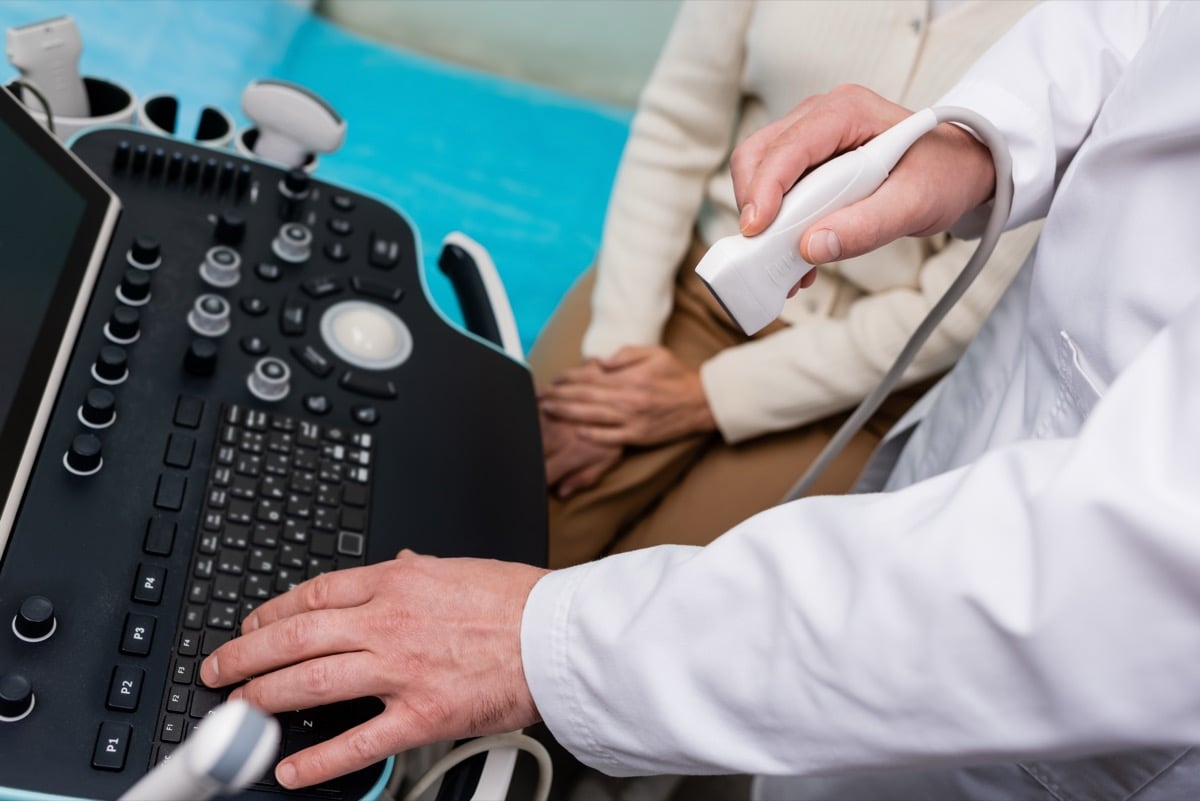
Elective ultrasound training typically covers machine operation, image optimization, 3D/4D scanning techniques, early gender determination, 2D scanning basics, and hands-on practice with real clients. What does elective ultrasound training include beyond the technical side? Business guidance and practical scan confidence are usually part of the package too.
Most people researching elective ultrasound training start with the same question: what exactly am I going to learn? The answer matters because you are not just picking up a technical skill. You are preparing to run a business that depends on your ability to produce clear, meaningful images for clients who are genuinely excited to see their baby.
The scope of what gets covered in a quality program goes deeper than most people expect. This breakdown covers every core area of what strong elective ultrasound training should include, so you can evaluate programs with a real framework in mind before you commit.
The Technical Foundation: Machine Operation and Image Optimization
Strong elective ultrasound training begins here. You will learn how to operate a 3D/4D ultrasound machine from startup to shutdown, including all the controls that affect image output. This is not just button-pushing. Real training explains why each adjustment matters and what visual result you are aiming for.
Image optimization is one of the most important skills you will develop. Anyone can point a transducer at a belly. Getting a crisp, detailed 3D image of a fetal face at 28 weeks requires knowing how to adjust gain, focus zones, depth, and output settings in real time. The question we hear most often in our training programs is “why does my image look muddy?” and the answer almost always comes back to optimization technique.
You will also learn transducer handling: probe pressure, probe angle, how to work around common obstacles like fetal position, placenta location, and amniotic fluid levels. These are the practical skills that separate a confident operator from one who struggles to produce consistent results.
3D, 4D, and 2D Scanning Techniques
Elective ultrasound training should give you real working knowledge of all three major scan modes you will use in a studio environment.
3D imaging captures volumetric still images, often used for detailed facial renders that clients take home as prints or digital files. Getting a clean 3D image requires patience, positioning skill, and an understanding of fetal movement patterns.
4D imaging adds the live motion element. Clients watch their baby move, yawn, or stretch in real time. This is the emotional centerpiece of most elective ultrasound appointments, and training should help you maximize that experience through skilled scanning.
2D scanning is the foundational mode. It is used for orientation, fetal measurement, checking presentation, and helping clients understand what they are seeing. Strong 2D technique makes everything else easier.
Early Gender Determination Training
One of the highest-demand services in elective ultrasound is early gender determination, typically starting around 15 to 16 weeks. This is a skill set of its own. Identifying fetal sex at earlier gestational ages requires a specific scanning approach and a solid understanding of anatomical markers.
What does elective ultrasound training include for gender determination? You should expect hands-on practice identifying the angle of the dangle method, nub theory application, and direct visualization of fetal genitalia as gestational age increases. Confidence here comes with repetition, and quality training programs build that repetition into the curriculum.
Early gender scans are often a significant revenue driver for elective studios. Clients who come in at 15 weeks for a gender reveal frequently return later for a full 3D/4D session. Training you to perform these scans accurately at earlier gestational ages directly impacts your business model.
Hands-On Practice: Real Clients and Training Phantoms
This is where everything comes together. The difference between reading about scanning and actually performing it on a moving, unpredictable subject is enormous. Elective ultrasound training should include meaningful hands-on time, not just demonstrations.
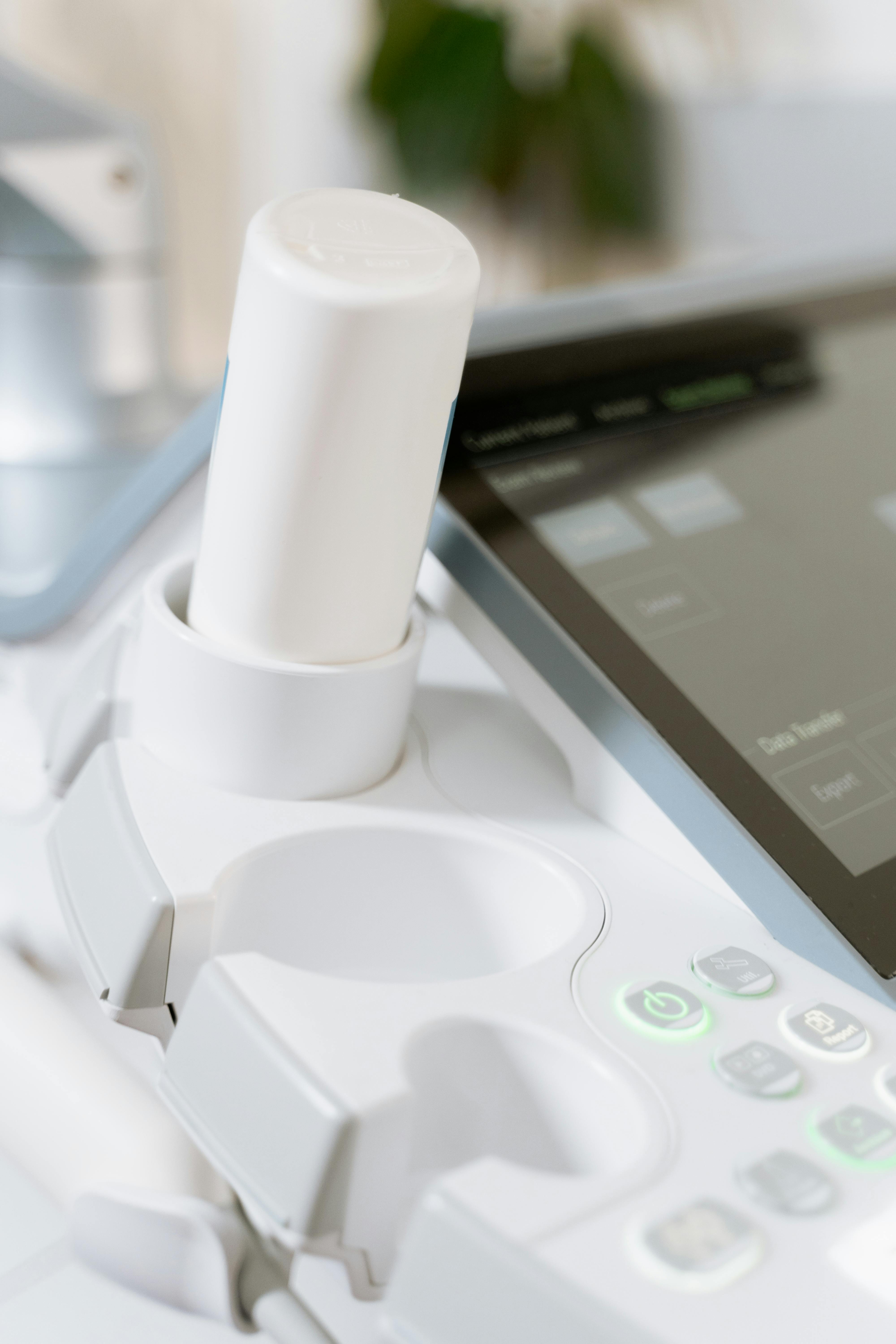
Training phantoms are useful for learning probe handling and machine controls before working with real clients. But actual client scans introduce variables that phantoms cannot replicate: fetal movement, varying body types, client nerves, and the real-time pressure of producing images that mean something to the family watching the screen.
We have seen studios struggle with post-training confidence when programs relied too heavily on phantom practice alone. Real scan time, supervised by an experienced trainer, is what builds the ability to handle whatever walks through your door on day one.
Advanced Scanning Techniques
Beyond the fundamentals, strong training programs go deeper into advanced technique areas that help you stand out. These include HDlive rendering, surface rendering, glass body imaging, and color flow modes that add visual variety to your scan sessions.
Advanced techniques also cover challenging scenarios: posterior placenta positioning, oligohydramnios, elevated BMI clients, and multiple gestations. These are real situations you will encounter in a busy studio. Knowing how to adapt your approach when conditions are not ideal is what separates a skilled operator from one who gives up and reschedules.
Business Training and Studio Operations
Technical scanning skill is only half the equation. A complete elective ultrasound training program should also prepare you to run a successful business. This means covering topics like pricing strategy, client consultations, how to structure appointment packages, and how to handle common client questions and concerns professionally.
Studio workflow matters more than most people realize before they open. How you greet clients, how you explain what they are seeing on screen, how you handle a scan where the baby refuses to cooperate, and how you close the appointment with a satisfied family walking out the door — these are all learnable skills. Good training programs build them in.
The startup consulting and training that Ultrasound Trainers provides weaves business operations directly into the training curriculum, so you are not left figuring out the business side on your own after the scanning instruction ends.
What Good Elective Ultrasound Training Does Not Include
It is worth being clear about scope. Elective ultrasound training is not diagnostic sonography education. You are not being trained to diagnose fetal abnormalities, measure growth for clinical purposes, or replace the medical care a pregnant person receives from their provider. Programs that imply otherwise are a red flag.
Quality training acknowledges these boundaries clearly. It teaches you to deliver a premium bonding experience, not to perform medical evaluations. That distinction is important for your own legal protection and for the trust you build with clients.
How Long Elective Ultrasound Training Takes
Duration varies by program format. Intensive private training at your location, like the hands-on program offered by Ultrasound Trainers, typically runs three to four days. That concentrated format delivers a lot of ground in a short window because it is built around your specific equipment and your specific business goals.
Other programs stretch instruction over longer periods, often mixing online components with in-person sessions. Longer is not automatically better. What matters is the depth of hands-on practice and the quality of the instruction, not the number of days on a calendar. Evaluate programs by what they cover and how much real client scan time they include.
Questions Worth Asking Before You Enroll
People Also Ask
What does elective ultrasound training include for someone with no medical background?
Most quality programs are designed specifically for non-medical students. You will learn machine operation, image optimization, scanning technique, and client interaction from the ground up. No prior medical knowledge is assumed or required.
Is early gender determination always covered in elective ultrasound training?
Not always. Some programs cover it as standard while others offer it as an add-on or separate module. Since early gender scans are a major revenue driver for most studios, confirm before enrolling that gender determination training is included in your program.
How much hands-on practice does elective ultrasound training include?
This varies significantly between programs. Some offer only demonstrations and phantom training, while others build in supervised real-client scan time. Ask programs directly how many live scans you will perform during training before you commit.
Does elective ultrasound training teach you how to run a business?
The best programs include business operations alongside scanning instruction. This covers pricing, client management, workflow, marketing basics, and studio setup. Technical-only training without business guidance leaves significant gaps for new studio owners.
Can I learn elective ultrasound scanning without attending in-person training?
Online resources can build some foundational knowledge, but hands-on scanning skill requires supervised practice with actual equipment and real clients. Online-only formats are generally not sufficient preparation for operating a professional studio.
Does elective ultrasound training certify you to provide medical assessments?
No. Elective ultrasound training prepares you to provide bonding and keepsake imaging experiences, not medical evaluations. The field operates separately from diagnostic sonography, and reputable training programs are clear about this distinction.
How long does it take to complete elective ultrasound training?
Intensive private training programs typically run three to four days. Longer formats exist but duration alone does not determine quality. Focus on the depth of hands-on practice and the range of topics covered rather than the number of training days.
What is the difference between elective ultrasound training and diagnostic sonography training?
Diagnostic sonography programs are accredited medical education programs that train students to assist in clinical diagnosis. Elective ultrasound training is focused specifically on keepsake and bonding imaging for non-medical studio environments. They serve very different professional purposes.
Ready to Understand Your Training Options?
If you are exploring elective ultrasound training and want to understand exactly what a quality program covers, Ultrasound Trainers can walk you through the curriculum, format, and what to expect before you enroll.
Start the ConversationAbout Ultrasound Trainers: Ultrasound Trainers provides private hands-on elective ultrasound training, turnkey studio launch packages, and equipment guidance for people entering the elective ultrasound industry. Our programs cover technical scanning skills, advanced techniques, gender determination, and business operations. We work with career changers, entrepreneurs, healthcare professionals, and existing studio owners across the country.
Last Updated: April 23, 2026
Get the Inside Track
Training tips, business advice, and exclusive deals delivered straight to your inbox.

How to Get More Bookings for Your Elective Ultrasound Studio in Montana
Struggling to fill your elective ultrasound booking calendar in Montana? This guide covers what actually[...]

Buying an Elective Ultrasound Machine for an Arkansas Studio: What Actually Matters
Ready to buy an elective ultrasound machine for your Arkansas studio? This guide covers the[...]

How to Build a Pre-Launch Marketing Campaign for Your Elective Ultrasound Studio: A 60-Day Countdown Plan
Pre-launch marketing for an elective ultrasound studio begins 60 days before opening. This 60-day countdown[...]

What Career Changers in Hawaii Need to Know About Elective Ultrasound Training
Considering ultrasound training for a career change in Hawaii? This Q&A guide covers what training[...]

How to Find and Recruit Volunteer Scan Models for Elective Ultrasound Practice
Finding volunteer models for elective ultrasound practice is a skill in itself. Learn where to[...]

How to Write an Elective Ultrasound Business Plan That Actually Works
Writing an elective ultrasound business plan? This guide covers what to include, how to build[...]

How to Open an Elective Ultrasound Business in Honolulu: A Practical Startup Guide
Open an elective ultrasound business in Honolulu with confidence. This guide covers training, startup costs,[...]

Adding Elective Ultrasound to an Existing Photography or Doula Practice in Montana
Montana birth photographers and doulas: adding an elective ultrasound add-on business in Montana to your[...]

Starting an Elective Ultrasound Business in Cheyenne, Wyoming: First-Mover Advantage in the Least-Crowded Market in the Country
Thinking about starting an elective ultrasound business in Cheyenne, Wyoming? This guide covers the F.E.[...]

Elective Ultrasound Training for Career Changers in Sweden
Considering a career change into elective ultrasound in Sweden? Find out what training involves, whether[...]

What Career Changers in Fayetteville Should Know About Elective Ultrasound Training
Thinking about elective ultrasound training in Fayetteville, Arkansas as a career changer? This Q&A guide[...]

The Biggest Mistake Las Vegas Elective Ultrasound Studios Make With Their Marketing
Elective ultrasound studio marketing in Las Vegas prioritizes trust and reviews over ad spend. Here's[...]
Explore all training formats, durations, and programs in our complete elective ultrasound training guide.
