

Hiring staff for your elective ultrasound studio starts with deciding whether your operator needs a medical background, writing a job description that matches your services, and building an interview process that tests both scanning aptitude and client-facing skills. The right hire can dramatically change your studio’s reputation and daily revenue.
Most studio owners spend months planning their equipment purchase and training program. Then the first busy Saturday hits, and they realize they needed help last week. Hiring for an elective ultrasound studio is not like hiring for a restaurant or retail job. The role requires a specific combination of technical comfort, warmth with clients, and the ability to stay calm when a scan is not cooperating.
This guide walks you through the entire hiring process step by step. Whether you are building your team before opening day or finally ready to stop doing every scan yourself, these steps apply directly to the elective ultrasound industry.
Do You Need a Sonographer or Not?
Hiring staff for your elective ultrasound studio is one of the most important business decisions you will make, and it starts before you ever post a job listing. You need to decide whether your state or local market makes it practical to hire a credentialed sonographer, or whether you will train a non-medical person to operate the elective system you use.
This is not a one-size-fits-all answer. Elective ultrasound studios are non-diagnostic businesses, and the operator requirements vary by state. Some owners hire registered diagnostic medical sonographers (RDMS) because it strengthens marketing credibility. Others hire intelligent, personable people with no prior ultrasound experience and train them thoroughly on the elective machine and client experience protocol. Both models exist and both work. Your training program, service menu, and local market will help guide this decision.
Whatever you decide, document the reasoning and confirm local requirements. Requirements can vary by state, region, and business model. Check with a local attorney before making a final hiring policy decision. Business training from Ultrasound Trainers covers staffing strategy as part of the broader studio launch curriculum.
Writing a Job Description That Attracts the Right Person
Most elective ultrasound job descriptions fail because they either read like a hospital posting or are so vague that unqualified applicants flood the inbox. The goal is a description that filters correctly.
Lead with something like: “We help families meet their baby through high-quality 4D ultrasound experiences. Our studio operator is the first face clients see and the person who makes the session memorable.” This attracts people who care about the experience, not just the paycheck.
Include: operating the ultrasound machine during sessions, preparing the scanning room, explaining the service to clients before the scan, adjusting imaging settings for optimal quality, and handling basic intake and booking questions.
If you will train the right person, say so. Something like “prior ultrasound or medical experience preferred but not required for the right candidate” opens the pool without attracting people with zero relevant skills.
Elective studio hours often include evenings and weekends. Clients typically book two-to-three session slots back to back on busy days. Set expectations in the posting so candidates self-select based on real fit.
Ask applicants to write two to three sentences about why they are drawn to working with expecting families. This filters out copy-paste applicants and reveals people who have actually thought about the role.
Where to Find Candidates
The strongest hires often come from places most studio owners do not think to look. Start with your existing network. Doulas, birth photographers, childbirth educators, and postpartum care specialists already work with pregnant clients and often want to expand their income or transition into a new role. These people understand the emotional weight of the perinatal space in a way that a random job-board applicant usually does not.
Post on Indeed and LinkedIn, but also consider Facebook groups for birth workers in your city, community college medical assisting programs, and local healthcare staffing agencies. Sonography school job boards can work well when you want credentialed applicants. If you operate in a mid-size market, a simple post in a local Facebook community group sometimes generates better leads than any paid listing.
What to Look for Beyond the Resume
The question we hear most often from studio owners when it comes to hiring is some version of “How do I know if they can actually do the job?” The resume tells you very little. What matters is how a candidate operates under light stress, how they communicate with people they have just met, and whether they have the manual dexterity and visual attention to scan consistently.
Look for these in your evaluation process:
- Technology comfort – Can they learn new software and hardware quickly? Ask about tools they use regularly and how they troubleshoot problems without help.
- Client presence – How do they introduce themselves? Are they warm but professional? Do they make eye contact and ask follow-up questions naturally?
- Emotional regulation – Scans do not always produce perfect images. When a client is disappointed, your operator needs to stay calm, manage expectations kindly, and try again without showing frustration.
- Reliability signals – Check references specifically for attendance history. A person who cancels shifts costs you appointments and client trust.
- Genuine interest in the work – People who just need a job will leave when a better opportunity shows up. People who find the elective ultrasound experience meaningful tend to stay and perform better.
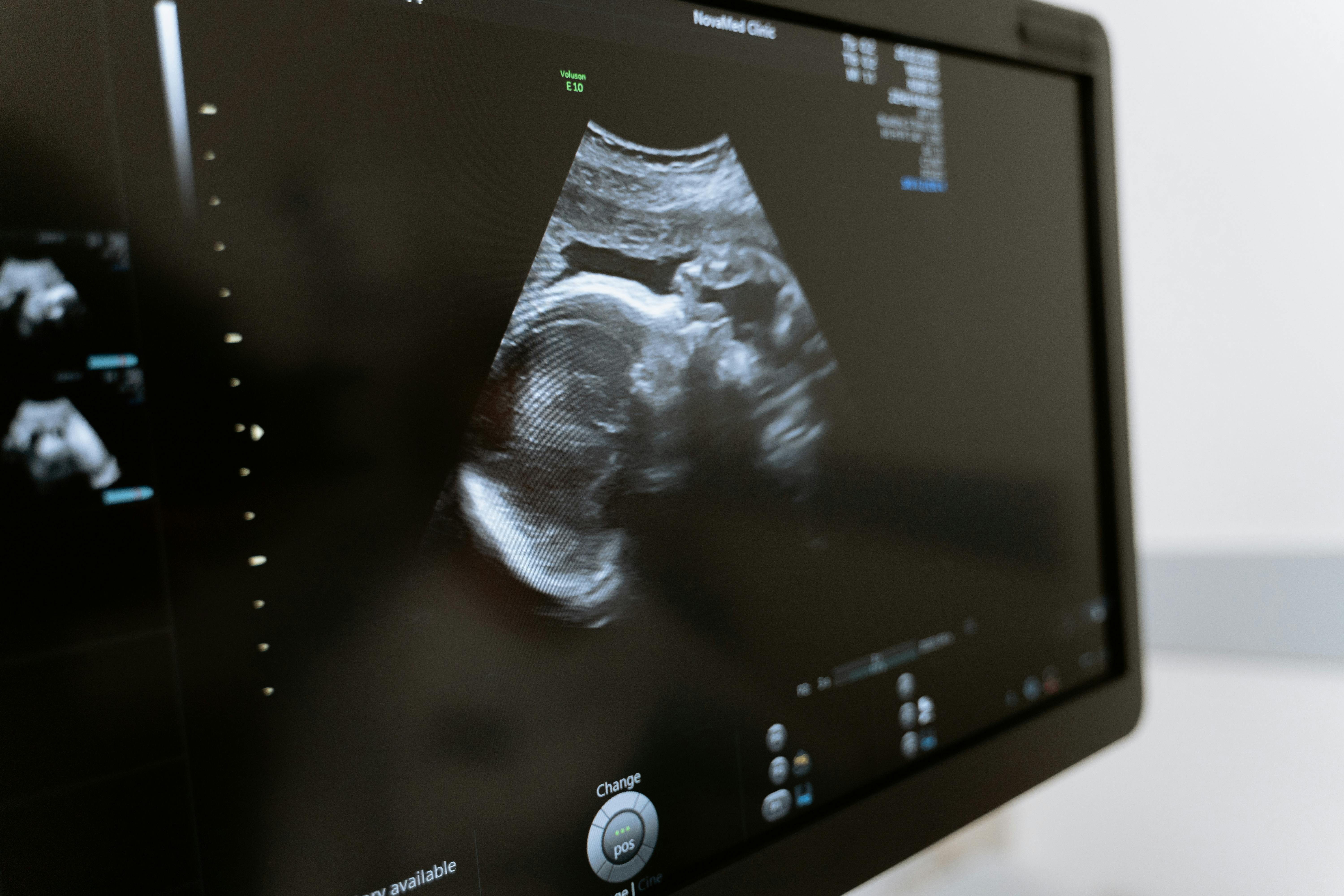
How to Structure the Interview for Hiring Elective Ultrasound Studio Staff
Run a two-stage process. The first stage is a short phone screen of fifteen to twenty minutes. Use it to confirm availability, ask about background, and gauge how they talk about working with people. The second stage is an in-person or video interview that includes a simulated client interaction.
| Interview Stage | What to Cover | Time |
|---|---|---|
| Phone Screen | Availability, background overview, why they applied | 15 to 20 min |
| In-Person Interview | Behavioral questions, studio tour, simulated client greeting | 45 to 60 min |
| Equipment Aptitude Check | Hands-on interaction with the machine to gauge comfort level | 20 to 30 min |
| Reference Check | Attendance, client interaction feedback, would they rehire | 10 to 15 min per reference |
The simulated client greeting is one of the most revealing parts of the process. Ask the candidate to pretend you are a nervous first-time client who has never had an elective ultrasound. Watch how they introduce the experience, whether they instinctively reassure, and how they transition from greeting to setup. You will learn more in three minutes than from any answer to a behavioral question.
Training New Hires Before They Scan Clients
Even a candidate with strong aptitude needs structured onboarding before they scan real clients. Start with machine orientation. Walk them through the controls, probe handling, gain settings, and preset adjustments for 3D, 4D, and HD modes. Let them practice on a phantom or a willing volunteer well before their first client session.
After equipment basics, train on your client experience protocol. This includes how you greet clients, what you explain before the probe touches the skin, how you manage expectations when images are challenging, how you handle the heartbeat recording, and how you close the session. Standardizing this experience matters because it is what drives reviews and referrals.
Compensation and Scheduling Considerations
Elective ultrasound studio operators are typically paid hourly with the rate varying significantly by market, experience, and whether the hire is credentialed. Most non-credentialed operators in mid-size markets earn between $16 and $22 per hour as a baseline. RDMS-credentialed hires often command considerably more. Some studios add performance incentives tied to review generation, upsell revenue, or rebooking rates.
Scheduling in elective studios tends to be weekend-heavy. Fridays, Saturdays, and Sundays are peak booking days. Be honest about this in the hiring process. A candidate who cannot work weekends is not a fit for most elective studios, regardless of how strong their other qualifications are. Part-time and per-diem arrangements work well in this model because the variable appointment volume makes full-time hours difficult to guarantee consistently.
Red Flags to Watch For During the Hiring Process
Vague answers about why they left previous jobs. Difficulty describing how they handled a difficult client or coworker situation. Resistance to learning new technology. Over-emphasis on the technical side with no apparent care for the client experience. Any indication they see this as a temporary position until something better comes along. These patterns do not always disqualify a candidate, but they should prompt deeper questions before you make an offer.
Frequently Asked Questions
Does my elective ultrasound studio operator need to be a licensed sonographer?
Elective ultrasound is non-diagnostic, and licensing requirements vary by state and locality. Many studios successfully hire and train non-credentialed operators. That said, requirements can vary by state and business model, and consulting a local attorney before setting your staffing policy is always a good idea. The American Institute of Ultrasound in Medicine at aium.org offers guidance on professional standards that can inform your thinking.
How long does it take to train a new studio operator on the ultrasound machine?
Most new hires with no prior ultrasound experience need two to four weeks of consistent supervised practice before scanning real clients confidently. That timeline shortens considerably for candidates with medical imaging backgrounds or strong technology aptitude. The complexity of your service menu also factors in. Studios offering only 3D and 4D sessions have a shorter learning curve than studios offering gender determination at early gestational ages.
Can I hire a doula or birth photographer as my studio operator?
Yes, and many studio owners report excellent results from this approach. Doulas and birth photographers already understand how to create a positive experience for pregnant clients. They tend to have the emotional attunement and steady presence that elective scanning requires. The main gap is technical, which can be addressed through structured training on your specific machine and service protocols.
What should I pay an elective ultrasound studio operator?
Compensation ranges vary by market, experience, and credentials. Non-credentialed operators in most mid-size US markets typically earn between $16 and $22 per hour as a starting point. RDMS-credentialed operators command more. Some studios layer in performance incentives based on rebooking rates or review volume. Research what comparable roles in your city pay and price your offer competitively to attract people who will stay.
What is the biggest hiring mistake elective ultrasound studio owners make?
Prioritizing technical background over client presence. A credentialed sonographer who scans efficiently but reads as cold or clinical with clients will hurt your reviews. An enthusiastic, warm operator who learns to scan well will drive word-of-mouth. The elective ultrasound experience is primarily an emotional one. Hire for that first and train the technical layer second.
Should I hire part-time or full-time for my elective studio?
Most studios start with part-time operators because appointment volume tends to concentrate on weekends and evenings rather than spreading evenly across forty hours. A strong part-time arrangement with one or two reliable operators is often more practical than trying to fill full-time hours in the early months. As your booking volume grows and becomes more predictable, transitioning to full-time or adding a second part-time hire makes more sense.
How do I handle it when a new hire’s scanning quality is not improving fast enough?
Set clear benchmarks before you put them on the schedule. A new operator should be able to produce acceptable 3D and 4D images consistently under supervision before scanning independently. If they are not hitting those marks after a reasonable training period, have a direct and specific conversation about what needs to change and what the timeline is. Avoid putting a not-yet-ready operator on real client sessions as a cost to your reputation that is very hard to recover from.
Can I run a studio without hiring anyone else?
Many studio owners start this way and some stay solo for years, especially in markets with moderate appointment volume. The risk is that you become the single point of failure. If you are sick, traveling, or dealing with a personal emergency, your studio has no revenue that day. Even bringing on one part-time person as a backup creates meaningful operational resilience and lets you pursue growth without everything depending entirely on your personal availability.
Ready to Build Your Studio Team?
If you are planning to hire staff for your elective ultrasound studio and want guidance on training, business operations, and studio launch strategy, Ultrasound Trainers can help. Our team works with studio owners at every stage of the build, from first hire to scaling to a second location.
Start the ConversationAbout the Author and Process: This content was developed by the Ultrasound Trainers team based on direct experience working with elective ultrasound studio owners across the United States. Ultrasound Trainers provides training, equipment guidance, and business startup support for people entering the elective ultrasound industry.
Last Updated: April 21, 2025
Get the Inside Track
Training tips, business advice, and exclusive deals delivered straight to your inbox.

How to Get More Bookings for Your Elective Ultrasound Studio in Montana
Struggling to fill your elective ultrasound booking calendar in Montana? This guide covers what actually[...]

Buying an Elective Ultrasound Machine for an Arkansas Studio: What Actually Matters
Ready to buy an elective ultrasound machine for your Arkansas studio? This guide covers the[...]

How to Build a Pre-Launch Marketing Campaign for Your Elective Ultrasound Studio: A 60-Day Countdown Plan
Pre-launch marketing for an elective ultrasound studio begins 60 days before opening. This 60-day countdown[...]

What Career Changers in Hawaii Need to Know About Elective Ultrasound Training
Considering ultrasound training for a career change in Hawaii? This Q&A guide covers what training[...]

How to Find and Recruit Volunteer Scan Models for Elective Ultrasound Practice
Finding volunteer models for elective ultrasound practice is a skill in itself. Learn where to[...]

How to Write an Elective Ultrasound Business Plan That Actually Works
Writing an elective ultrasound business plan? This guide covers what to include, how to build[...]

How to Open an Elective Ultrasound Business in Honolulu: A Practical Startup Guide
Open an elective ultrasound business in Honolulu with confidence. This guide covers training, startup costs,[...]

Adding Elective Ultrasound to an Existing Photography or Doula Practice in Montana
Montana birth photographers and doulas: adding an elective ultrasound add-on business in Montana to your[...]

Starting an Elective Ultrasound Business in Cheyenne, Wyoming: First-Mover Advantage in the Least-Crowded Market in the Country
Thinking about starting an elective ultrasound business in Cheyenne, Wyoming? This guide covers the F.E.[...]

Elective Ultrasound Training for Career Changers in Sweden
Considering a career change into elective ultrasound in Sweden? Find out what training involves, whether[...]

What Career Changers in Fayetteville Should Know About Elective Ultrasound Training
Thinking about elective ultrasound training in Fayetteville, Arkansas as a career changer? This Q&A guide[...]

The Biggest Mistake Las Vegas Elective Ultrasound Studios Make With Their Marketing
Elective ultrasound studio marketing in Las Vegas prioritizes trust and reviews over ad spend. Here's[...]
Ready to open your own studio? Get the complete roadmap at our Start Your Own 3D/4D Ultrasound Studio page.
