

Every detail that needs to be in place before your first client walks through the door.
A complete elective ultrasound studio launch checklist covers six core areas: legal and business setup, equipment and physical space, training and scanning readiness, operations and client documentation, insurance and compliance, and pre-launch marketing. Getting all six right before your first session sets the foundation for a business that operates smoothly from day one.
1. Legal and Business Setup
This area trips up more first-time studio owners than any other. The excitement of training, equipment selection, and space setup often moves faster than the business formation groundwork, and that sequence creates problems that are expensive to fix after launch.
Your elective ultrasound studio launch checklist starts here because everything else depends on having the right business structure in place. Most studios operate as LLCs, which provides liability separation between the business and your personal assets. Business name registration, an EIN from the IRS, and a business bank account are standard requirements before you start accepting client payments.
Local business licenses vary by city and county. Some municipalities require a general business license; others have specific permits for health-adjacent businesses. Your local city clerk or small business development office can tell you what applies in your location.
Regulatory research in your state is essential before you open. Requirements for elective ultrasound businesses vary, and the landscape has evolved over the past several years. Consulting a local attorney familiar with healthcare business regulations gives you a clear picture of what applies in your market. This is not a step to skip to save money. It is the step that prevents larger costs later.
2. Equipment and Physical Space
Equipment selection is one of the most consequential decisions on your launch checklist. The machine you choose affects the image quality you can deliver, the services you can offer, the training you need, and a significant portion of your startup budget. Rushing this decision is a common mistake that creates problems that are expensive to correct.
The core equipment requirement is an ultrasound machine capable of producing 3D and 4D imaging. Beyond that baseline, your specific service mix drives the selection. If early gender determination starting at 15 to 16 weeks is a priority, the machine needs to perform well at that gestational range. If premium HDlive or 5D imaging is your differentiator, that narrows the field of appropriate machines further.
Supporting equipment includes a printer for thermal or standard image output, a display screen or projector for client viewing during the session, a computer for booking and record management, and the physical comfort elements that make the room feel like an experience rather than a transaction: comfortable furniture, warm lighting, and a professional, welcoming environment.
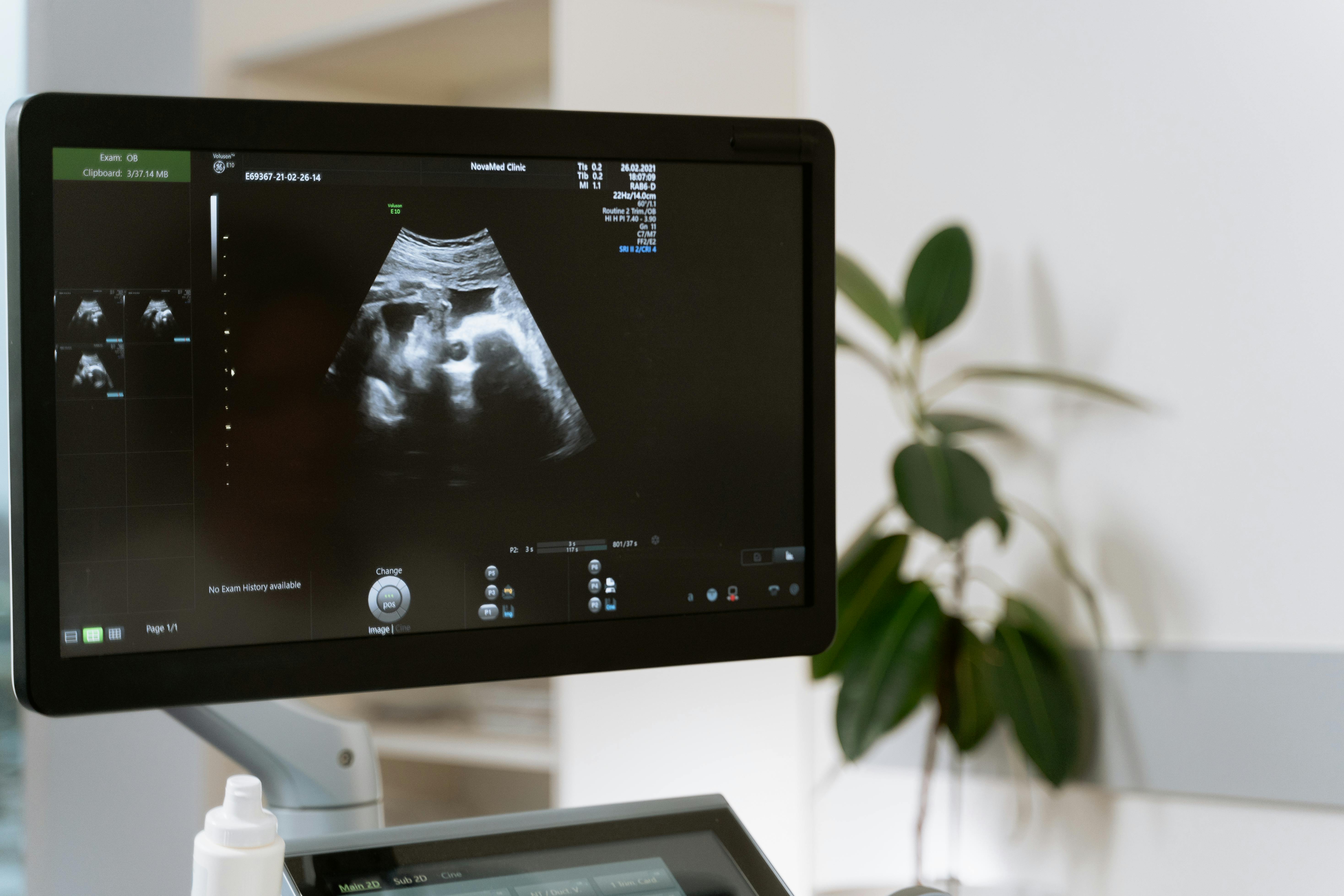
Space requirements for an elective ultrasound studio are relatively modest. A dedicated room of 150 to 200 square feet is workable, though more space allows for better client seating arrangements. You need enough room for the exam bed, the machine, an operator workstation, and guest seating for the family members who typically attend the session.
3. Training and Scanning Readiness
This is the section of your elective ultrasound studio launch checklist that determines whether your first client session goes well. Do not skip to the opening date before confirming you are genuinely ready to deliver the service.
Training completion is a baseline. Scanning readiness requires something beyond that: honest practice time after training ends and before your first paid session. Scan family members, offer complimentary practice sessions, and keep scanning until the workflow feels natural rather than effortful.
Operating on your specific equipment until it becomes second nature is the goal. Machine controls that require conscious thought during a session distract from client management. The operation should feel automatic so your attention can stay on the client, the image, and the experience you are creating. Explore the elective ultrasound training options available through Ultrasound Trainers if you are still determining which program fits your situation.
4. Client Documentation and Operations
The operational infrastructure of your studio is what transforms a session from an informal interaction into a professional business experience. This area covers the systems that protect your business and give clients confidence in what you offer.
Client intake forms are the foundation. A well-designed form confirms the non-diagnostic nature of the service, establishes that the client is continuing regular prenatal care with their provider, gathers gestational age and relevant health context, and documents consent for the session. Have these reviewed by a local attorney before use.
Appointment booking, payment processing, and client communication systems should all be in place before your opening. Whether you use a dedicated booking platform, a phone-based system, or a simple website form, clients need a clear, smooth path from “I want to book” to “I have a confirmed appointment.”
Package pricing and service descriptions need to be finalized, clearly written, and available to clients before they book. Ambiguity about what is included in each package is one of the most common sources of client dissatisfaction in early-stage studios.
5. Insurance and Compliance
Insurance for an elective ultrasound studio is specific. Your existing business policies, if any, almost certainly do not cover this service. You need general liability coverage appropriate for a health-adjacent business, and potentially additional coverage depending on your business structure and state.
Compliance positioning matters from day one. All your public-facing materials, your website, your social media, your booking platform, and your in-person client communication should be consistent in describing your service accurately: non-diagnostic, bonding and keepsake-focused, not a replacement for prenatal care. Consistent positioning is not just legal protection. It is also how you set client expectations that the service can meet.
6. Pre-Launch Marketing
Your marketing infrastructure should be in place before your opening, not built as you go. A basic website with clear service descriptions, pricing, and booking information is the minimum. A Google Business Profile gives you local search visibility from day one. Social media accounts, even minimally active ones, establish a presence that clients can find when they search for your studio.
Your first marketing effort is the simplest: tell your network. Family, friends, and anyone in your orbit who knows someone pregnant is a potential booking in your first weeks. Most successful studio launches generate their first few clients through personal relationships, not paid advertising.
What People Get Wrong Before Opening
The most common mistake we see is moving the opening date before the checklist is complete. The pressure to start generating revenue is real, but opening before you are operationally ready costs you in client experience, repeat business, and reviews. A single session where something goes wrong because the systems were not ready affects more than just that appointment.
The second most common mistake is underestimating how much of the early client experience depends on things outside the scan itself. Room setup, booking experience, intake documentation, and client communication all affect whether a client leaves as a fan or just as someone who came once. The technical scan skill is table stakes. The surrounding experience is what drives referrals and return visits.
Business formed, licenses secured, insurance in place, training complete, equipment set up, documentation ready, marketing visible. First session will feel professional and confident.
Equipment purchased, training done, everything else in progress. Rushing to open before systems are in place creates a first impression that is hard to reverse in a local market.
People Also Ask
How long does it take to complete an elective ultrasound studio launch checklist?
From the decision to open to the first client session, most studios take two to four months to complete everything on the launch checklist. Equipment delivery timelines, attorney consultations, and training scheduling are the most common factors that affect the duration.
What is the single most important item on an elective ultrasound studio launch checklist?
Legal and business setup is the foundation everything else depends on. Many people are tempted to start with equipment selection because it is the exciting part, but operating without proper business formation and regulatory clarity creates risks that are expensive to resolve after launch.
Do I need a dedicated room for an elective ultrasound studio?
A dedicated space is strongly recommended. The environment is a meaningful part of the client experience. A private, professional room that feels designed for the occasion supports the emotional tone of the session in ways a shared or makeshift space cannot.
How much does it cost to complete the full launch checklist?
Startup costs vary significantly by equipment choice, lease terms, and market. The equipment purchase is typically the largest single expense, followed by the training investment. Total startup budgets vary widely depending on how you structure the business and whether you choose a turnkey approach or build independently.
Should I open part-time or full-time?
Many studio owners start part-time to build the client base before transitioning to full-time operation. Part-time opening reduces initial financial pressure and allows you to refine systems and client communication before scaling. The checklist requirements are the same regardless of the initial schedule.
What supplies does an elective ultrasound studio need beyond the machine?
Standard supplies include ultrasound gel, thermal paper for the printer, gloves, clean linens or disposable covers for the exam surface, client gift bags or keepsake packaging, and a clean towel supply. Many studios also provide heartbeat stuffed animals or other keepsake items as part of their package offerings.
Can a turnkey package replace building from this checklist independently?
A turnkey package addresses most of the checklist areas in a coordinated way: training, equipment, marketing materials, website, branding, and setup guidance are typically bundled together. Independent building requires managing each area separately. Both paths can work, and the right choice depends on your budget, timeline, and how much you want to coordinate versus delegate.
What is a soft opening and should I do one?
A soft opening involves taking your first few sessions with family, friends, or a small number of invited clients before opening to the public fully. It lets you identify operational gaps and practice the full client workflow before your reputation is on the line with strangers. Most experienced studio launch consultants recommend it.
Planning Your Launch?
If you are working through your elective ultrasound studio launch checklist and want to discuss training, equipment selection, or how a turnkey approach compares to building independently, Ultrasound Trainers can help you think through the full picture.
Start the ConversationAbout Ultrasound Trainers: Ultrasound Trainers provides training, turnkey business packages, and equipment guidance for people opening elective ultrasound studios. Our business consulting covers every area of the launch checklist, from legal and compliance awareness to operational setup and pre-launch marketing preparation.
Last Updated: April 23, 2026
Get the Inside Track
Training tips, business advice, and exclusive deals delivered straight to your inbox.

How to Get More Bookings for Your Elective Ultrasound Studio in Montana
Struggling to fill your elective ultrasound booking calendar in Montana? This guide covers what actually[...]

Buying an Elective Ultrasound Machine for an Arkansas Studio: What Actually Matters
Ready to buy an elective ultrasound machine for your Arkansas studio? This guide covers the[...]

How to Build a Pre-Launch Marketing Campaign for Your Elective Ultrasound Studio: A 60-Day Countdown Plan
Pre-launch marketing for an elective ultrasound studio begins 60 days before opening. This 60-day countdown[...]

What Career Changers in Hawaii Need to Know About Elective Ultrasound Training
Considering ultrasound training for a career change in Hawaii? This Q&A guide covers what training[...]

How to Find and Recruit Volunteer Scan Models for Elective Ultrasound Practice
Finding volunteer models for elective ultrasound practice is a skill in itself. Learn where to[...]

How to Write an Elective Ultrasound Business Plan That Actually Works
Writing an elective ultrasound business plan? This guide covers what to include, how to build[...]

How to Open an Elective Ultrasound Business in Honolulu: A Practical Startup Guide
Open an elective ultrasound business in Honolulu with confidence. This guide covers training, startup costs,[...]

Adding Elective Ultrasound to an Existing Photography or Doula Practice in Montana
Montana birth photographers and doulas: adding an elective ultrasound add-on business in Montana to your[...]

Starting an Elective Ultrasound Business in Cheyenne, Wyoming: First-Mover Advantage in the Least-Crowded Market in the Country
Thinking about starting an elective ultrasound business in Cheyenne, Wyoming? This guide covers the F.E.[...]

Elective Ultrasound Training for Career Changers in Sweden
Considering a career change into elective ultrasound in Sweden? Find out what training involves, whether[...]

What Career Changers in Fayetteville Should Know About Elective Ultrasound Training
Thinking about elective ultrasound training in Fayetteville, Arkansas as a career changer? This Q&A guide[...]

The Biggest Mistake Las Vegas Elective Ultrasound Studios Make With Their Marketing
Elective ultrasound studio marketing in Las Vegas prioritizes trust and reviews over ad spend. Here's[...]
