
Studio Operations & Equipment
What happens to your Saturday when the machine goes down? If you don’t have an answer ready, this post is for you.
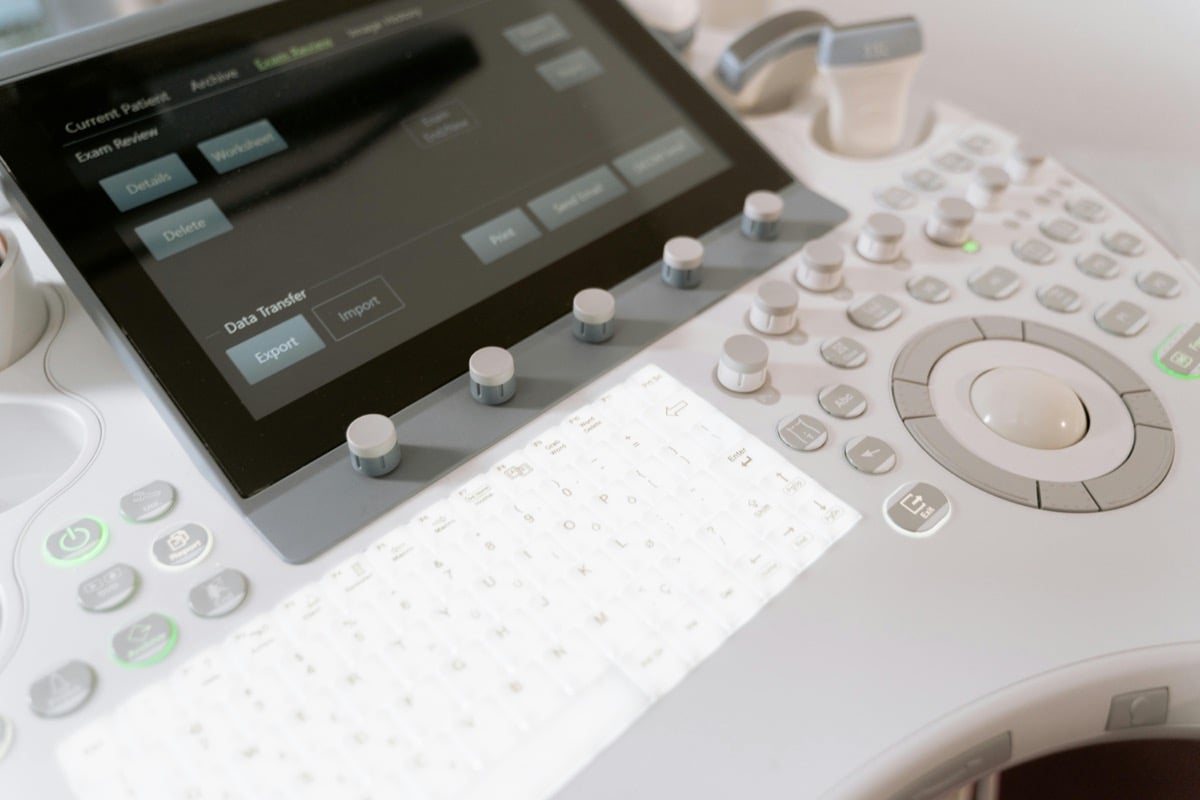
It is 9:45 on a Saturday morning. Your first family arrives at 10:00 for a gender reveal session — grandparents driving in from out of town, a decorated announcement box ready for the big moment. You power on your machine. It boots, then freezes. You restart it. Same result. You try the probe connection. Nothing changes.
You have eight sessions booked today. The machine is not working. And you have no backup plan.
This is not a hypothetical. It happens to studios every week somewhere in this country — and the damage is not just financial. Cancelled appointments, disappointed families, and the near-impossible task of rescuing a ruined reveal experience leave a mark that lingers long after the machine is repaired.
The studios that recover quickly have one thing the others don’t: a plan they built before they needed it.
Why Most Studios Don’t Have a Backup Plan
Equipment backup planning is one of those things that feels unnecessary right up until the moment it becomes urgent. When your machine is working fine, thinking through failure scenarios feels like borrowing worry. When it goes down, it is too late to plan — you are already in crisis mode.
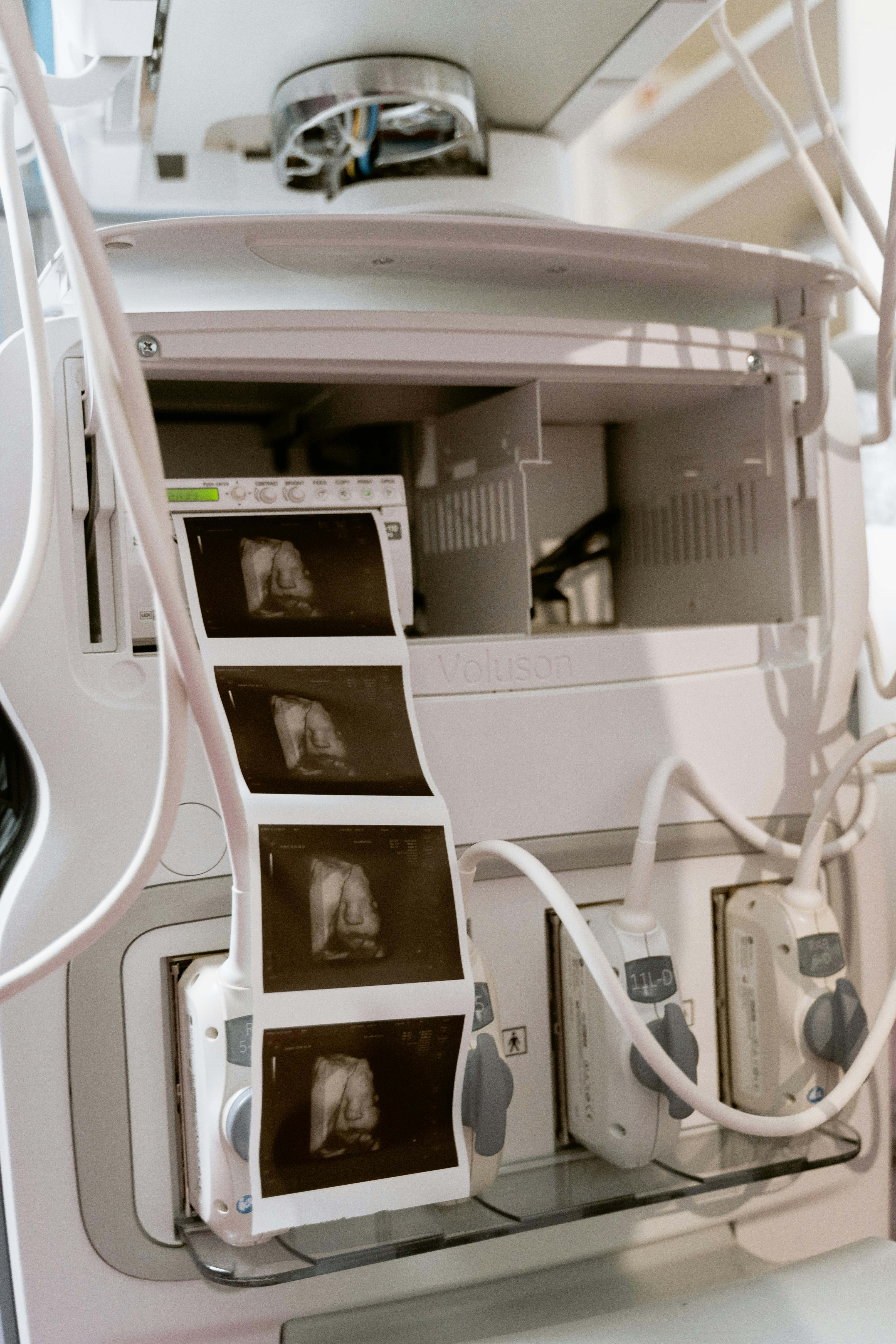
There is also a cost perception barrier. Many studio owners assume that having a backup arrangement means owning a second machine — a major capital investment that does not feel justified when the primary machine is running reliably. But that is a false binary. A backup plan does not have to mean a second owned machine. It can take several forms, each with different cost and complexity profiles.
The third reason is the most honest: most studio owners simply have not thought through what a machine failure would actually cost them in a worst-case scenario. When you do that math, the value of even a basic backup arrangement becomes very clear very fast.
What a Single Bad Day Actually Costs
Walk through the numbers for a studio doing eight sessions on a Saturday at an average package price of $150. That is $1,200 in revenue from one day. If the machine fails and you cannot reschedule all eight families — some will not come back, some reveals cannot wait — you might realistically recover three or four of those sessions. The rest are gone.
Add to that: the refunds you owe for cancelled sessions, the time spent on crisis communication with upset families, and the damage to your reputation if even one disappointed client posts about the experience online. A single bad day can easily represent $500 to $2,000 in direct and indirect losses.
Now consider that a repair technician visit may take three to seven business days to schedule, parts may need to be ordered, and in some cases the machine may need to be shipped. Studios without a backup plan can face one to three weeks of severely reduced or zero operation during a repair cycle.
A backup arrangement that costs you a few hundred dollars a year — or nothing at all if it is a studio partnership — looks very different when measured against that exposure.
What We See Across Studios
We work with studio owners at every stage of their business, and equipment downtime is consistently one of the most disruptive operational events they face. The difference between a bad day and a genuine crisis almost always comes down to whether they had already thought through their backup options before they needed them.”
Four Backup Arrangements Worth Considering
Not every studio needs the same solution. The right backup arrangement depends on your revenue level, booking density, and how much operational disruption you could absorb in a crisis. Here are the four most practical options:
Option 1: Studio-to-Studio Partnership
Find one or two elective ultrasound studios in your region that are not direct competitors — different market area or different specialty — and establish a mutual referral agreement for equipment emergencies. If your machine goes down, you can book their space for the day; they have the same option with you.
Cost: Often zero. Best for: Studios with nearby non-competing peers and a good professional network.
Option 2: Short-Term Equipment Rental
Several ultrasound equipment vendors offer short-term rentals for studios facing downtime. Identifying your preferred rental source before a failure happens — knowing who to call, what their lead time is, what the daily or weekly rate is — means you can have a machine on site within one to two days rather than scrambling from scratch during a crisis.
Cost: Rental rates vary; typically $200-$600/week for elective-grade equipment. Best for: Studios without nearby studio partners or those with very high booking density.
Option 3: A Second Owned Machine
For high-volume studios or those that have been in business several years, owning a second machine — even a lower-spec refurbished unit kept as a backup — offers the most control. The backup machine does not need to match your primary unit; it just needs to be capable enough to run sessions if the primary goes down.
Cost: Capital investment; refurbished backup machines can start under $10,000. Best for: Established studios with consistent high revenue or those already considering a second session room.
Option 4: A Documented Rescheduling and Communication Protocol
Even if you cannot source a replacement machine quickly, having a pre-written communication template, a clear rescheduling policy, and a defined process for prioritizing which sessions to save first turns a chaotic situation into a managed one. This is the minimum every studio should have, regardless of which other options they pursue.
Cost: Zero. Best for: Every studio, as a baseline layer beneath any other backup arrangement.
Build This Before You Need It
A backup plan that takes you two hours to create today could save your entire Saturday revenue — and your studio’s reputation — when you actually need it. The only bad time to build a backup plan is after the machine has already gone down.
What Every Backup Plan Should Include
Whatever combination of backup options you choose, document your plan so you are not making decisions under pressure. A good backup plan covers:
- Primary backup option with contact name, number, and terms (studio partner, rental vendor, or second machine location)
- Secondary option in case the primary is unavailable
- Your preferred repair vendor with contact info and typical lead time
- A prioritization system for which sessions to protect first (gender reveals, milestone pregnancies, paid-in-full packages)
- Pre-written client communication for same-day cancellations and rescheduling requests
- A refund and rescheduling policy that is fair but does not put your cash flow at risk
Keep this document somewhere you can access it immediately — not buried in your email — so whoever is opening the studio that day can execute it without needing to reach you first.
Ready to think through your equipment strategy?
Whether you are evaluating a backup machine, exploring rental options, or building out a second session room, Ultrasound Trainers can help you think through the right approach for your studio’s stage and budget.
Frequently Asked Questions
How often do elective ultrasound machines actually fail?
Component failures, software glitches, and probe issues are more common than most studio owners expect — particularly on machines that see high session volume or are approaching five or more years of age. Even a brand-new machine can have a factory defect or shipping issue. Planning for downtime is not pessimistic; it is realistic business management.
Do I need to own a second machine as a backup?
No. While owning a second machine provides the most control, studio-to-studio partnerships, rental arrangements, and documented rescheduling protocols are all valid backup strategies. The right option depends on your revenue, booking density, and local professional network.
How do I find other elective ultrasound studios to partner with?
Industry Facebook groups and professional networks like those organized through training programs are the most common starting points. Look for studios in adjacent markets — a different city, county, or enough distance that you are not direct competitors. A mutual emergency referral agreement benefits both parties with no ongoing cost.
What should my rescheduling policy say?
Your policy should cover: how much notice clients receive, what their rescheduling options are (specific available dates or open window), when refunds apply versus rescheduling credits, and how gender reveal or milestone sessions are prioritized. Spell it out in advance so the decision is not made under pressure when something goes wrong.
Does my studio business insurance cover equipment failures?
Business interruption coverage and equipment breakdown endorsements vary significantly by policy. Some policies cover lost revenue during equipment downtime; many do not. Review your policy specifically for equipment breakdown language, and ask your insurance agent directly about adding coverage if it is not already included. This is separate from your equipment warranty.
Get the Inside Track
Training tips, business advice, and exclusive deals delivered straight to your inbox.

How to Get More Bookings for Your Elective Ultrasound Studio in Montana
Struggling to fill your elective ultrasound booking calendar in Montana? This guide covers what actually[...]

Buying an Elective Ultrasound Machine for an Arkansas Studio: What Actually Matters
Ready to buy an elective ultrasound machine for your Arkansas studio? This guide covers the[...]

How to Build a Pre-Launch Marketing Campaign for Your Elective Ultrasound Studio: A 60-Day Countdown Plan
Pre-launch marketing for an elective ultrasound studio begins 60 days before opening. This 60-day countdown[...]

What Career Changers in Hawaii Need to Know About Elective Ultrasound Training
Considering ultrasound training for a career change in Hawaii? This Q&A guide covers what training[...]

How to Find and Recruit Volunteer Scan Models for Elective Ultrasound Practice
Finding volunteer models for elective ultrasound practice is a skill in itself. Learn where to[...]

How to Write an Elective Ultrasound Business Plan That Actually Works
Writing an elective ultrasound business plan? This guide covers what to include, how to build[...]

How to Open an Elective Ultrasound Business in Honolulu: A Practical Startup Guide
Open an elective ultrasound business in Honolulu with confidence. This guide covers training, startup costs,[...]

Adding Elective Ultrasound to an Existing Photography or Doula Practice in Montana
Montana birth photographers and doulas: adding an elective ultrasound add-on business in Montana to your[...]

Starting an Elective Ultrasound Business in Cheyenne, Wyoming: First-Mover Advantage in the Least-Crowded Market in the Country
Thinking about starting an elective ultrasound business in Cheyenne, Wyoming? This guide covers the F.E.[...]

Elective Ultrasound Training for Career Changers in Sweden
Considering a career change into elective ultrasound in Sweden? Find out what training involves, whether[...]

What Career Changers in Fayetteville Should Know About Elective Ultrasound Training
Thinking about elective ultrasound training in Fayetteville, Arkansas as a career changer? This Q&A guide[...]

The Biggest Mistake Las Vegas Elective Ultrasound Studios Make With Their Marketing
Elective ultrasound studio marketing in Las Vegas prioritizes trust and reviews over ad spend. Here's[...]
