
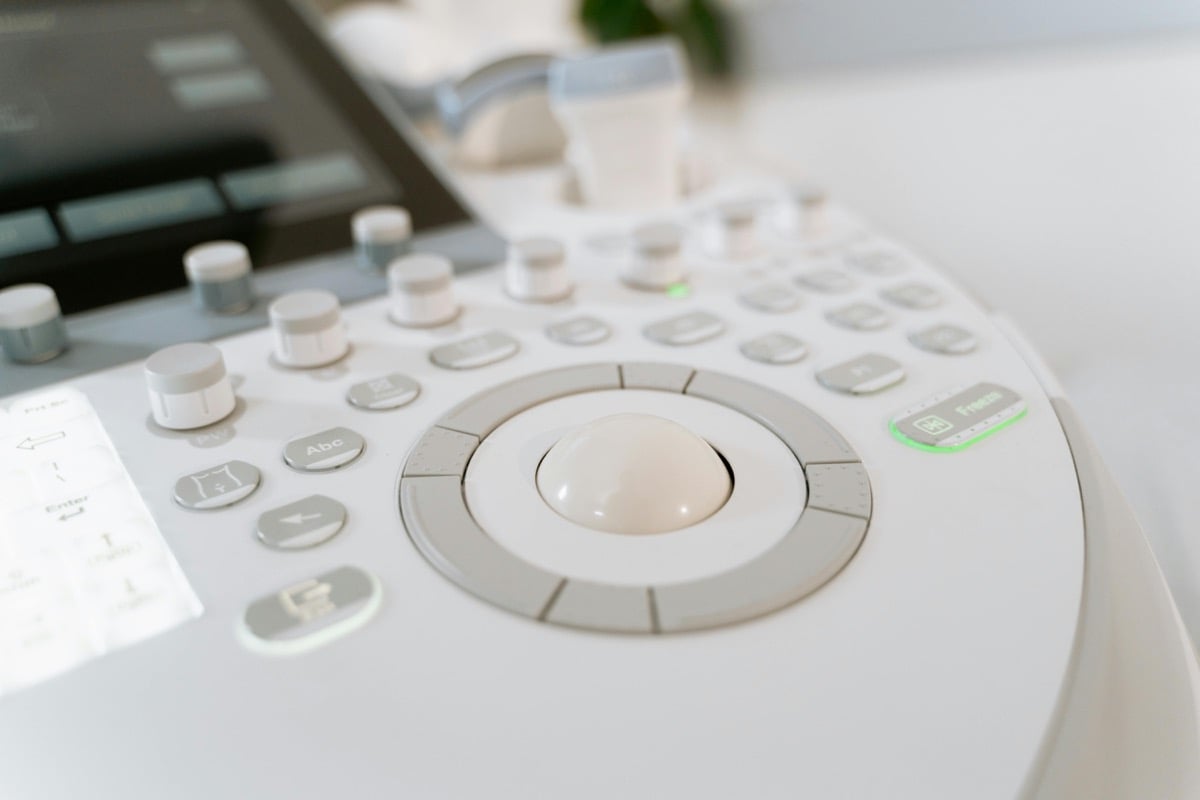
Studio Growth & Equipment
The decision to go multi-machine is a turning point. Here is how to do it right — without over-investing or under-planning.
Quick Answer
Adding a second machine makes sense when you are consistently turning away bookings due to scheduling conflicts, your revenue comfortably covers the additional equipment cost, and you have — or can build — the operational infrastructure to run two session rooms. This guide walks through each of those conditions and shows you how to plan the expansion.
In This Guide
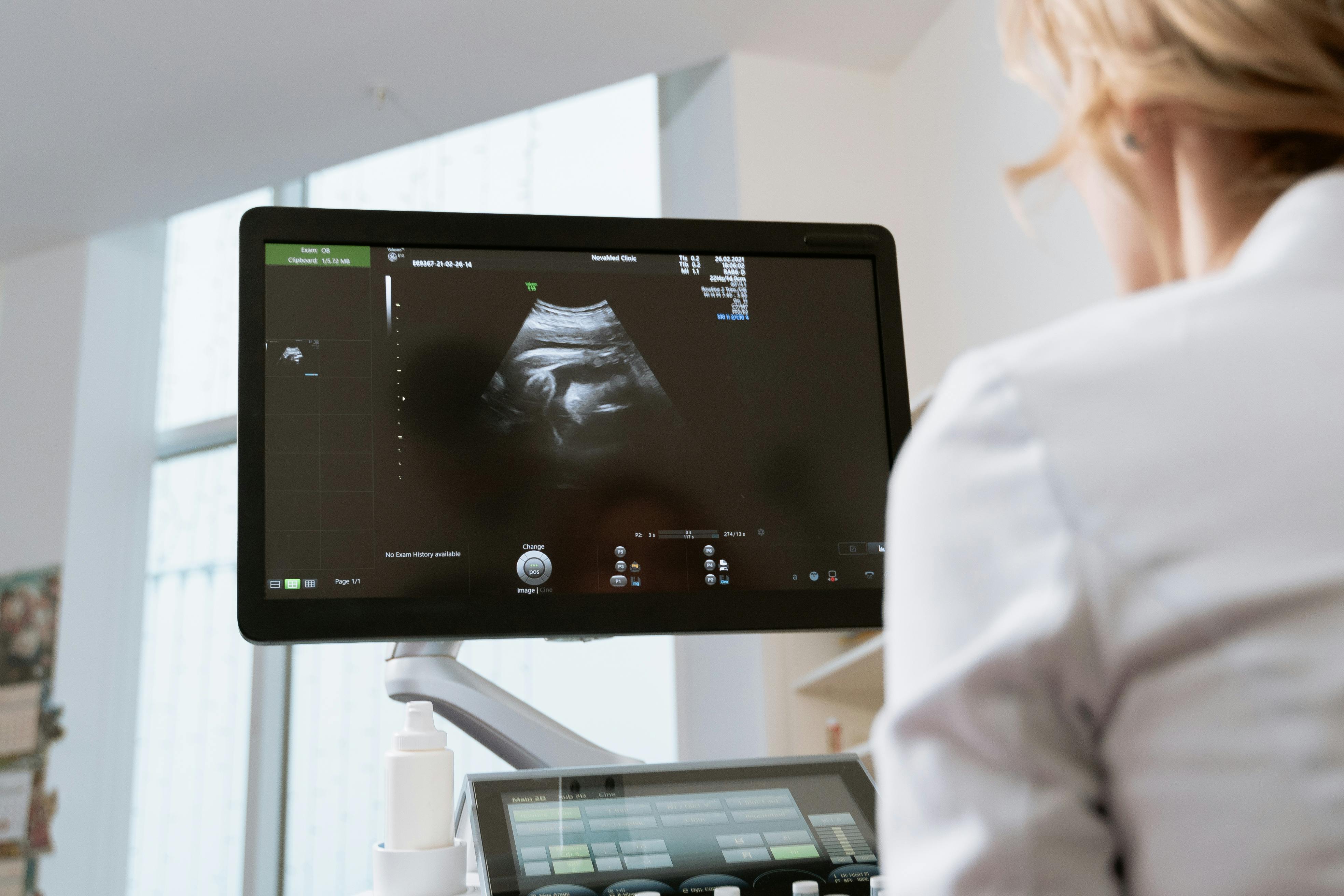
How to Know When You’re Actually Ready
The temptation to add a second machine often comes before a studio is truly ready for one. And the opposite problem — waiting too long, turning away bookings for months while the revenue would have covered the investment — is just as common.
The clearest signal that it is time to consider a second machine is consistent, recurring scheduling conflicts. Not occasional — but week after week, you are turning away clients or pushing them to wait two to three weeks for an appointment because your session window is full. If that pattern has held for two or more months, your demand is real and growing.
Secondary signals to look for include: you are working at capacity yourself and cannot take on additional sessions, you have staff or contractors ready and waiting for more hours, and you have the physical space for a second room without a major build-out investment.
If the scheduling pressure is there but the physical space or staffing is not, address those constraints first. A second machine without the infrastructure to run it is an expensive asset you cannot fully use.
Running the Revenue Math
Before committing to a second machine, model out what the investment looks like in concrete revenue terms. The exercise is simpler than most studio owners expect.
A Simple Breakeven Model
- Second machine cost (example): $18,000 financed at $500/month over 36 months
- Average package price: $150
- Sessions needed per month to cover the payment: 4 sessions (less than one full Saturday)
- Sessions the second room could realistically run: 20-40/month depending on hours and demand
- Net revenue contribution above payment: $2,500-$5,500/month after equipment cost
Run this model with your actual package prices, realistic session volume projections (conservative, not optimistic), and your specific financing terms. The key insight most studio owners discover: the breakeven on a second machine is much lower than they assumed, and the upside potential is substantial if demand supports it.
Factor in the additional operating costs as well: a second staff member or contractor share for sessions they run, any room build-out cost, and consumables for the additional session volume. Model those in and make sure the net math still works before committing.
From the Ultrasound Trainers Team
The studios we have seen successfully scale to two machines almost always had one thing in common: they made the decision based on a revenue model they had actually built out, not a gut feeling. Gut feelings get you excited. Numbers tell you whether to move.”
Choosing the Right Second Machine
The second machine does not need to be identical to your first. In fact, there are good arguments for deliberately choosing a different configuration — particularly if you want to offer different session types or price tiers in each room.
One common approach: keep a premium, fully featured machine in your primary room for high-ticket packages and special experiences, and equip the second room with a reliable mid-tier machine for standard sessions. This lets you offer tiered pricing without one machine sitting idle while the other is overbooked.
Another consideration: if your current machine is aging and you are planning to replace it within the next two years, adding a second machine now that becomes your primary later is a smart staging strategy. The new machine starts in the secondary room, you learn it, and when the primary is retired, the better machine moves forward.
What to avoid: buying a second machine that requires learning a dramatically different workflow at the same time as you are ramping up session volume. The learning curve on a new machine is real, and managing it while also managing more sessions and potentially new staff is a recipe for operational chaos.
Setting Up Your Second Session Room
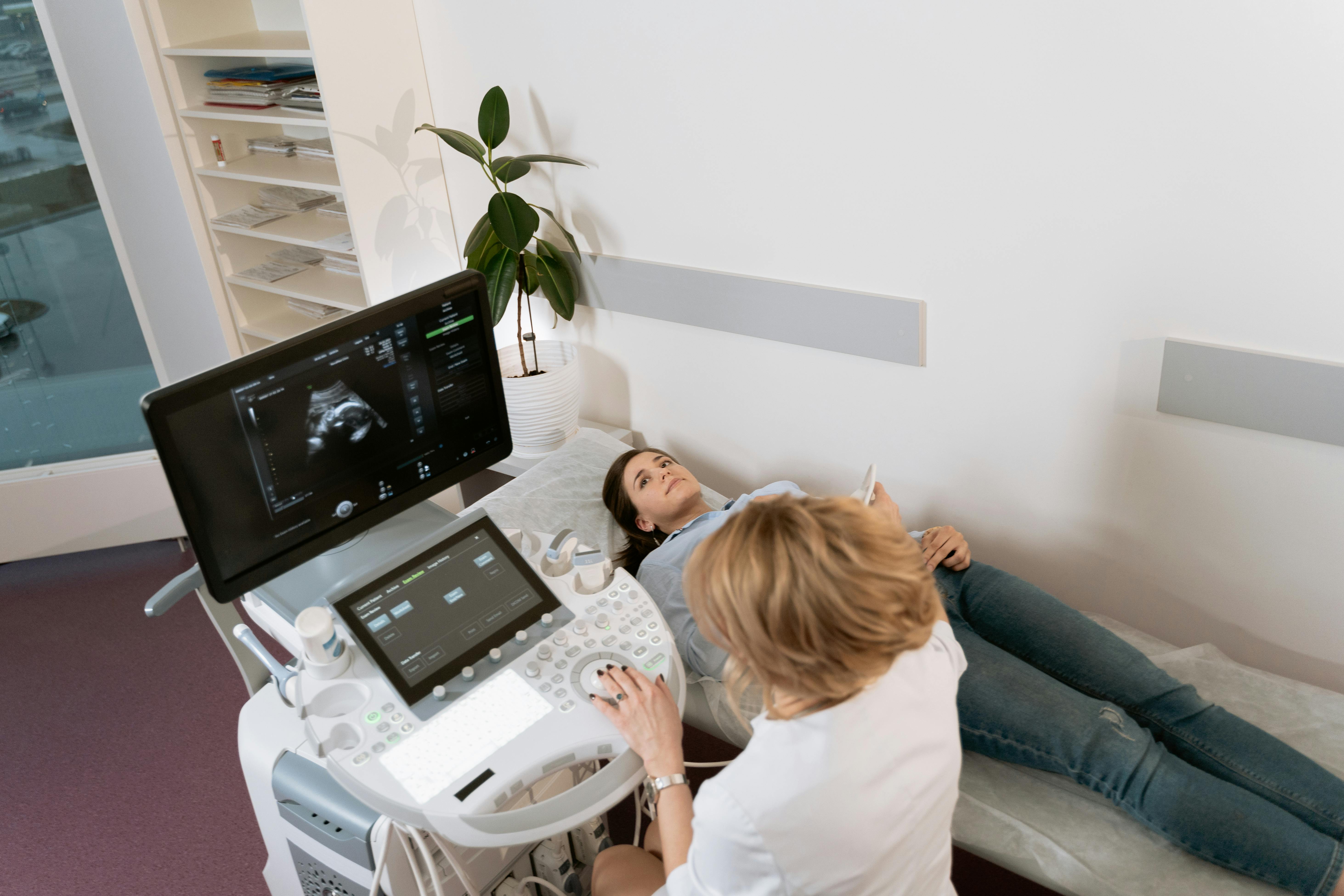
The physical setup of the second room matters more than most studio owners anticipate. Clients compare their experience to your brand promise — if Room 2 feels like an afterthought, it undermines the premium positioning you have built.
Match the atmosphere as closely as your space allows: similar lighting conditions, equivalent seating for accompanying guests, the same media display setup. If Room 1 has a large TV for the family viewing experience, Room 2 should too. Inconsistency between rooms becomes a review problem when clients share their experiences online.
Practical infrastructure to think through: separate power circuits for each machine to avoid interference, acoustic consideration so sessions in adjacent rooms do not bleed into each other, and clear signage or visual differentiation so clients know which room their session is in without confusion at check-in.
A two-room studio also changes your lobby or waiting area demands. Plan for the possibility of two families arriving simultaneously — seating, check-in flow, and who is managing that front-of-house experience.
Staffing a Two-Room Studio
You cannot run two simultaneous sessions solo. A second machine means a second operator for the times when both rooms are active. How you structure that staffing depends on your volume and scheduling approach.
Some studios stagger sessions so that one room starts while the other is wrapping up, allowing a single operator to move between rooms with minimal overlap. This works at lower volume but limits how much you can actually expand capacity.
The more scalable approach: a part-time trained operator or a 1099 contractor who comes in for specific shifts. This model gives you flexibility — you can schedule them only when demand justifies it — without the fixed cost of a full-time hire before volume supports it.
Whoever runs sessions in your second room needs the same training and client experience standards as your primary operator. Inconsistent session quality between rooms is one of the most damaging ways a two-room expansion can hurt a studio’s reputation. Invest in their training before they run a single client session independently.
Scheduling and Operations Across Two Machines
Your booking system needs to support two rooms before you open the second one. If you are on a single-resource booking calendar, adding a second machine means adding a second bookable resource — ideally with room-specific availability that reflects staffing for each room.
Build buffer time between sessions in each room for turnover: table cleaning, gel warming, equipment checks, and preparation for the next family. A tight back-to-back schedule that works in a single room becomes a pressure point in a two-room environment where you are managing transitions across both simultaneously.
Consider how you will handle machine issues in the two-room context. If one machine fails, your backup plan now affects half your capacity rather than all of it — which is better, but still requires a response plan. Update your equipment backup documentation to reflect the two-machine setup.
Operational Note
Do a full operational dry run before opening the second room to clients. Run practice sessions simultaneously in both rooms with staff playing the role of clients. Surface every friction point — check-in flow, inter-room communication, turnover timing — before real families experience them.
Common Mistakes to Avoid
Expanding before demand is proven
A second machine based on anticipated demand rather than demonstrated, recurring demand is a common and costly mistake. Wait until you have at least two to three months of consistent scheduling conflict data before committing.
Treating Room 2 as a lesser experience
The second room should meet the same standards as the first. Clients do not know they are getting a “secondary” room — they expect the same experience regardless of which room they are assigned.
Opening without a trained second operator
Having the machine and room ready but no trained operator is not a two-room studio — it is a storage room with an expensive machine in it. Hire and train before you open the room.
Not updating your booking and operations systems first
A two-room studio requires a two-resource booking system. Running two rooms through a single-resource calendar creates double-booking risk and scheduling confusion that is very hard to unwind after clients start experiencing it.
Getting Started
Ready to think through your second machine?
Ultrasound Trainers helps established studios evaluate their readiness for expansion — including equipment selection, room setup, staffing considerations, and the financing options that make sense at different revenue stages.
Frequently Asked Questions
How much revenue should I be generating before adding a second machine?
There is no universal threshold, but most studios that successfully scale to two machines are generating consistent monthly revenue well above their current operating costs — with recurring scheduling conflicts as the primary limiter on growth. Run the breakeven model with your actual numbers rather than relying on a general benchmark.
Does the second machine have to be the same brand as my first?
No — but staying within the same manufacturer ecosystem has advantages. Staff who already know one machine’s interface, probe management system, and settings will have a shallower learning curve on a second machine from the same brand. That said, the best machine for your second room is the one that fits your session type, budget, and room positioning — not necessarily the same model you already have.
Can I run a two-machine studio by myself?
You can run both machines yourself if you stagger sessions so you are never in two rooms simultaneously. Some studio owners do this successfully at lower volume. But the capacity ceiling is low — you are limited to sequential sessions rather than parallel ones — and client experience suffers when you are rushing between rooms during transitions. Hiring a second operator unlocks the actual capacity benefit of a two-machine setup.
Should the second room be branded differently or the same as my primary room?
Consistent branding is generally the stronger choice. Two rooms that feel like the same studio reinforce your brand identity; two rooms that look different create questions from clients about which experience is “better.” You can differentiate with minor aesthetic variations — different accent color, slightly different decor theme — while maintaining the same overall feel and quality standard.
What financing options are available for a second elective ultrasound machine?
Equipment financing, equipment leasing, and SBA-backed small business loans are the most common options for established studios adding a second machine. Studios with at least one to two years of operating history and consistent revenue typically have access to favorable financing terms. Some manufacturers offer direct financing programs worth exploring alongside traditional lenders.
Get the Inside Track
Training tips, business advice, and exclusive deals delivered straight to your inbox.

How to Build a Pre-Launch Marketing Campaign for Your Elective Ultrasound Studio: A 60-Day Countdown Plan
Pre-launch marketing for an elective ultrasound studio begins 60 days before opening. This 60-day countdown[...]

What Career Changers in Hawaii Need to Know About Elective Ultrasound Training
Considering ultrasound training for a career change in Hawaii? This Q&A guide covers what training[...]

How to Find and Recruit Volunteer Scan Models for Elective Ultrasound Practice
Finding volunteer models for elective ultrasound practice is a skill in itself. Learn where to[...]

How to Write an Elective Ultrasound Business Plan That Actually Works
Writing an elective ultrasound business plan? This guide covers what to include, how to build[...]

How to Open an Elective Ultrasound Business in Honolulu: A Practical Startup Guide
Open an elective ultrasound business in Honolulu with confidence. This guide covers training, startup costs,[...]

Adding Elective Ultrasound to an Existing Photography or Doula Practice in Montana
Montana birth photographers and doulas: adding an elective ultrasound add-on business in Montana to your[...]

Starting an Elective Ultrasound Business in Cheyenne, Wyoming: First-Mover Advantage in the Least-Crowded Market in the Country
Thinking about starting an elective ultrasound business in Cheyenne, Wyoming? This guide covers the F.E.[...]

Elective Ultrasound Training for Career Changers in Sweden
Considering a career change into elective ultrasound in Sweden? Find out what training involves, whether[...]

What Career Changers in Fayetteville Should Know About Elective Ultrasound Training
Thinking about elective ultrasound training in Fayetteville, Arkansas as a career changer? This Q&A guide[...]

The Biggest Mistake Las Vegas Elective Ultrasound Studios Make With Their Marketing
Elective ultrasound studio marketing in Las Vegas prioritizes trust and reviews over ad spend. Here's[...]

Mobile Elective Ultrasound for Baby Shower Events: Packages, Pricing, and Logistics
Mobile ultrasound baby shower events guide for elective studio operators. Covers package structure, pricing frameworks,[...]
Birth Center and Midwife Referral Partnerships: Building a Consistent Lead Pipeline for Your Studio
A birth center referral partnership for an elective ultrasound studio builds a consistent, high-converting lead[...]
