

Most first-time studio owners spend their early planning energy on the exciting things — the equipment, the room design, the logo, the pricing page. Insurance tends to show up later in the conversation, usually when someone asks “wait, what happens if something goes wrong?” and the room gets quiet.
That is not a knock on anyone. Insurance is not glamorous, and it does not show up in the vision for your business. But elective ultrasound studio insurance is one of the most important decisions you will make before your first client walks through the door. Getting it wrong — or skipping it — is the kind of mistake that can end a business before it ever finds its footing.
The good news is that elective ultrasound is not a uniquely high-risk business from an insurance standpoint. It is a non-diagnostic, non-medical service, and that distinction matters in how coverage is structured. But you still need the right policies in place, and understanding what those are before you open is part of responsible startup planning.
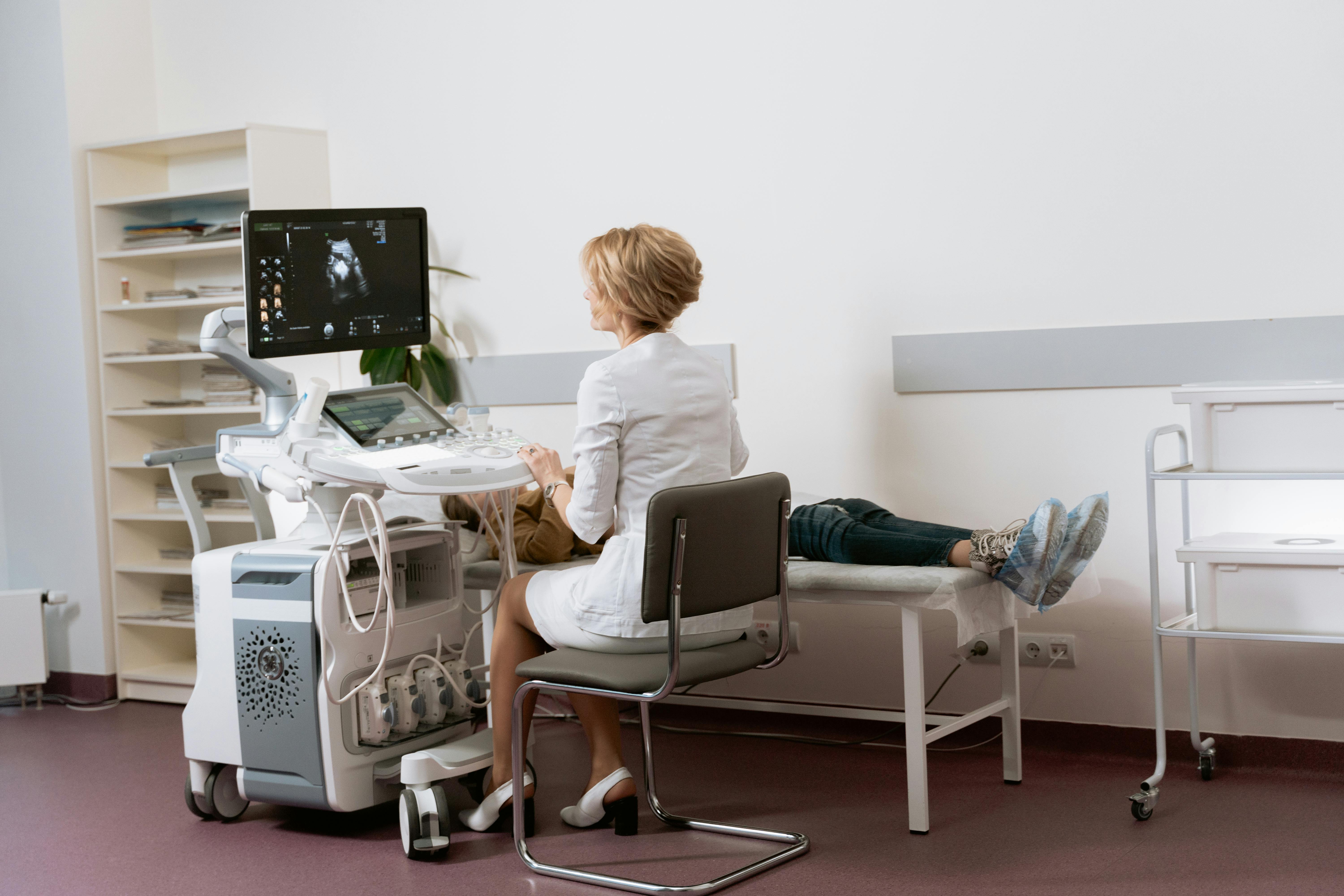
Why Insurance Is Part of Your Business Foundation
Elective ultrasound is positioned as a bonding and keepsake experience, not a medical service. That positioning is accurate and important. But it does not mean you are operating without any liability exposure. Clients are coming into your space, lying on your table, having a procedure performed on them, and leaving with expectations about what they experienced. Any of those moments carries potential for something to go wrong — not necessarily in a dramatic way, but in the normal ways that any service business encounters.
A client could slip and fall in your lobby. A piece of equipment could malfunction during a session. A client could be unhappy with their experience and pursue a claim. Someone might allege that your service created or missed a health concern. Even if the claim has no merit, defending against it without coverage is expensive and disruptive.
The point is not to scare you. It is to frame insurance for what it actually is: a cost of doing business that protects the investment you have already made in your training, your equipment, and your studio.
“The question we hear from new studio owners is not usually whether they need insurance — it is which policies actually cover what they do and where to start.”
The Coverage Types Most Studios Need to Know About
There is no single policy called “elective ultrasound studio insurance.” What you are actually building is a coverage stack — a combination of policies that address different categories of risk. Here is how the major categories break down.
General liability insurance is the baseline for almost any business. It covers third-party bodily injury and property damage — the slip-and-fall scenario, the equipment that accidentally damages a client’s belongings, the situation where a client claims your service caused them physical harm. Most commercial landlords require proof of general liability before you can sign a lease, and most lenders will ask about it as well.
Professional liability insurance — sometimes called errors and omissions insurance — covers claims that your service or advice caused harm. In an elective ultrasound context, this is the coverage that matters if a client alleges that your scan missed something, misled them, or created a problem. Because elective ultrasound is explicitly non-diagnostic, this category requires careful conversation with your insurer about what your service actually is and is not. The non-diagnostic positioning is a real protection, but only if it is clearly defined in your policies, your client intake forms, and your communications.
Commercial property insurance protects your physical assets — your ultrasound machine, your studio furniture, your computer, your supplies. If your equipment is stolen, damaged in a flood, or destroyed in a fire, property insurance is what makes rebuilding possible without starting from zero financially.
If you employ anyone, workers’ compensation insurance is required in most states and covers employee injuries on the job. Even part-time staff and contractors can trigger this requirement depending on your state and how the working relationship is structured.
The Non-Diagnostic Distinction and Why It Matters for Coverage
When you sit down with an insurance broker to discuss coverage for your studio, one of the most important things you can do is clearly explain what elective ultrasound is and is not. Elective ultrasound is a bonding and keepsake service. It is not diagnostic. It is not a medical procedure. It is not a substitute for prenatal care. Clients should always be directed to their medical provider for any health-related questions.
This distinction affects how your professional liability coverage is written and priced. Some brokers who are unfamiliar with the elective ultrasound industry may initially try to categorize your business as a medical service, which comes with higher premiums and different coverage terms. Clarifying the non-diagnostic nature of the service, backed by your intake forms and your client communications, helps ensure your policy reflects what you actually do.
This is also why your client intake documentation and your session disclosures matter beyond just the legal language. They are part of the evidence that your studio operates clearly as a non-medical business, which supports your insurance positioning and reduces your liability exposure.
Finding the Right Broker or Provider
Not every commercial insurance broker has experience with elective ultrasound or wellness-adjacent service businesses. Some will group your studio with medical practices and quote accordingly. Others will not understand the equipment involved or the non-diagnostic nature of the work.
When you approach brokers, be specific about your business model. You operate a keepsake and bonding ultrasound studio. You are not a medical practice. You do not diagnose or treat. You provide an experiential service using ultrasound technology for non-clinical purposes. Bring documentation if it helps — your session disclosures, your intake forms, and anything that clearly establishes the nature of the service.
It is also worth asking brokers whether they have written policies for similar businesses. Spa services, wellness studios, and experiential health businesses often operate in a similar space from an insurance classification standpoint, and a broker with experience in those categories will likely be better equipped to structure your coverage correctly.
What Your Policies Should Cover Before Opening Day
Before you open for your first session, confirm you have at minimum general liability coverage with limits appropriate for a service business, professional liability or errors and omissions coverage specific to your service type, and commercial property coverage for your equipment and studio contents. If you have employees or contractors, workers’ compensation needs to be in place as well.
Keep copies of your certificates of insurance accessible. Your landlord may need them. Clients occasionally ask for them. And if you apply for business financing or equipment financing, proof of coverage is a standard part of the documentation.
FAQ: Elective Ultrasound Studio Insurance
Yes. Coverage should be in place before your first session. Operating without insurance — even for a soft launch or a friends-and-family test session — leaves you personally exposed to any claims that arise from those interactions.
Standard homeowners or renters insurance almost never covers home-based businesses. You will need a separate commercial policy or a business rider that explicitly covers business operations in your home. Confirm this with your insurer in writing before you begin.
Costs vary depending on your state, your coverage limits, and how your business is classified. General liability policies for small service businesses often start in the range of a few hundred dollars per year, but professional liability and combined coverage packages will add to that. Get multiple quotes and make sure the coverage limits are appropriate for your business size.
Waivers and client disclosures are an important part of your risk management, but they do not replace insurance. A waiver limits certain claims but does not eliminate them, and it does not cover property damage, employee injuries, or a range of other scenarios. Waivers and insurance work together — one is not a substitute for the other.
Yes. Commercial property insurance should specifically cover your ultrasound equipment. Verify that your policy covers the replacement value of the machine and any other high-cost equipment in your studio. If you have financed your machine, your lender may require proof of coverage as part of the loan agreement.
This is one of the scenarios professional liability insurance is designed for. It also underscores why your intake forms, client disclosures, and session documentation should clearly and repeatedly establish that your service is non-diagnostic and not a substitute for medical care. Prevention — through clear communication and documentation — is your first line of protection. Insurance is the second.
It is worth at least a consultation with a business attorney before you open, particularly around your business entity structure, client waivers, and how your policies interact with your liability exposure. Requirements vary by state and business model, so professional legal and accounting guidance during your setup phase can save significant problems later.
The Turnkey Business Package includes assistance with obtaining business licenses and regulatory approvals required for operations, which overlaps with some of the early compliance steps. For insurance specifically, Ultrasound Trainers can help you understand what coverage your studio needs — but the actual policy is purchased through a licensed commercial insurance provider. The team can point you in the right direction as part of the broader startup support.
Starting an Elective Ultrasound Studio the Right Way
Insurance is one piece of a larger startup foundation that includes training, equipment, business planning, and compliance awareness. If you are in the early stages of planning your studio and want to understand the full picture, explore what it looks like to start your own elective ultrasound studio with Ultrasound Trainers. You can also contact our team directly to talk through where you are in the process and what you need to get there.
This post was written by the team at Ultrasound Trainers, a company that helps entrepreneurs, career changers, and professionals open and grow elective ultrasound studios. This content is for informational purposes only and does not constitute legal or insurance advice. Readers should consult licensed professionals for guidance specific to their state and business situation.
Get the Inside Track
Training tips, business advice, and exclusive deals delivered straight to your inbox.

How to Get More Bookings for Your Elective Ultrasound Studio in Montana
Struggling to fill your elective ultrasound booking calendar in Montana? This guide covers what actually[...]

Buying an Elective Ultrasound Machine for an Arkansas Studio: What Actually Matters
Ready to buy an elective ultrasound machine for your Arkansas studio? This guide covers the[...]

How to Build a Pre-Launch Marketing Campaign for Your Elective Ultrasound Studio: A 60-Day Countdown Plan
Pre-launch marketing for an elective ultrasound studio begins 60 days before opening. This 60-day countdown[...]

What Career Changers in Hawaii Need to Know About Elective Ultrasound Training
Considering ultrasound training for a career change in Hawaii? This Q&A guide covers what training[...]

How to Find and Recruit Volunteer Scan Models for Elective Ultrasound Practice
Finding volunteer models for elective ultrasound practice is a skill in itself. Learn where to[...]

How to Write an Elective Ultrasound Business Plan That Actually Works
Writing an elective ultrasound business plan? This guide covers what to include, how to build[...]

How to Open an Elective Ultrasound Business in Honolulu: A Practical Startup Guide
Open an elective ultrasound business in Honolulu with confidence. This guide covers training, startup costs,[...]

Adding Elective Ultrasound to an Existing Photography or Doula Practice in Montana
Montana birth photographers and doulas: adding an elective ultrasound add-on business in Montana to your[...]

Starting an Elective Ultrasound Business in Cheyenne, Wyoming: First-Mover Advantage in the Least-Crowded Market in the Country
Thinking about starting an elective ultrasound business in Cheyenne, Wyoming? This guide covers the F.E.[...]

Elective Ultrasound Training for Career Changers in Sweden
Considering a career change into elective ultrasound in Sweden? Find out what training involves, whether[...]

What Career Changers in Fayetteville Should Know About Elective Ultrasound Training
Thinking about elective ultrasound training in Fayetteville, Arkansas as a career changer? This Q&A guide[...]

The Biggest Mistake Las Vegas Elective Ultrasound Studios Make With Their Marketing
Elective ultrasound studio marketing in Las Vegas prioritizes trust and reviews over ad spend. Here's[...]
