

What to Know Before Your Elective Ultrasound: Complete Parent Guide
Booking an elective ultrasound is one of the most exciting moments in pregnancy. Whether you’re hoping to find out the gender, meet your baby’s sweet face in 3D, or enjoy a bonding moment with your family, elective scans offer something truly special that medical ultrasounds cannot provide.
But before you schedule your session, it helps to understand how elective ultrasounds work, what to expect, how to prepare, and how to choose the right studio.
This comprehensive parent guide explains everything you should know—timing, safety, expectations, preparation, and how to get the clearest images possible.
What Is an Elective Ultrasound?
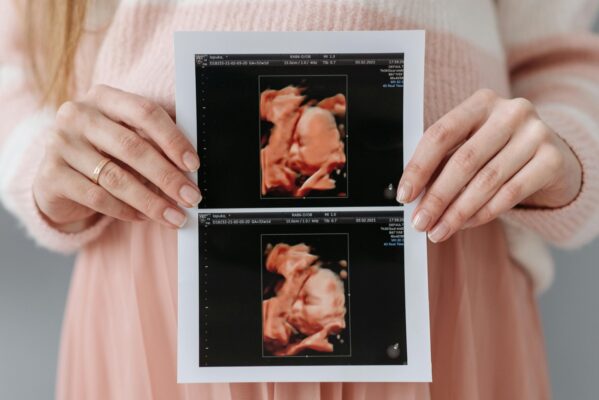
An elective ultrasound is a non-diagnostic, keepsake ultrasound designed for bonding, viewing your baby, and creating memories—not for medical evaluation.
Elective Ultrasound Provides:
- 3D/4D imaging
- HD Live (lifelike) views
- Gender determination
- Heartbeat recordings
- Family-friendly viewing experiences
It is entirely optional, and parents choose the date, time, and type of scan.
Elective Ultrasound Is NOT:
- A medical exam
- A replacement for your OB ultrasound
- A diagnostic evaluation
- Used to detect abnormalities
This distinction is important for setting the right expectations.
Is Elective Ultrasound Safe?
Yes. When performed correctly, elective ultrasound is considered very safe. It uses the same type of sound waves as medical ultrasound—no radiation, no ionization, and no harmful effects when used according to ALARA (As Low As Reasonably Achievable) guidelines.
The key is choosing a studio with trained technicians and FDA-approved equipment. Professional trainers—such as Ultrasound Trainers—teach safety protocols that ensure a proper experience.
The Best Time to Schedule an Elective Ultrasound
Timing can make or break image quality. Different stages of pregnancy offer different benefits.
6–13 Weeks: Early Heartbeat Session
- See the flicker of baby’s heartbeat
- Hear the heartbeat (after ~10 weeks depending on studio policy)
- Great for reassurance and bonding
14–20 Weeks: Gender Reveal Window
- Gender determination with proper technician training
- Clear views in 2D
- Baby is still small and easier to locate
Best accuracy happens after 14 weeks, though many studios prefer 15+.
24–27 Weeks: Early 3D/4D Preview
- Baby still has room to move
- Good facial structure
- Fluid levels usually favorable
28–32 Weeks: The PRIME 3D/4D/HD Live Window
- Baby has full facial features
- Ideal fluid levels
- Chubby cheeks and detailed expressions
- Best chance for clear HD Live images
This is the most popular time to book.
33–36 Weeks: Still Possible, But Less Predictable
- Baby may be head-down
- Space becomes limited
- Face may press into placenta or uterine wall
Experienced technicians can still capture beautiful images, but the window is more limited.
How to Prepare for an Elective Ultrasound
Preparation makes a huge difference in image quality. Here’s how to get the best results.
1. Hydration Is EVERYTHING
For 3D/4D/HD scans, hydration improves fluid around the baby’s face—leading to clearer images.
The difference can be dramatic.
2. Eat a Small Snack 20–30 Minutes Before
Sugar can encourage baby to wiggle or wake up—helpful when the baby is covering their face.
3. Wear Comfortable Clothing
You will likely need to expose your belly. Two-piece outfits work best.
4. Bring Your Support Crew
Most studios allow partners, children, grandparents, or friends. Check guest limits.
5. Know Your Baby’s Typical Movement Patterns
Your baby may be:
- A morning wiggle-bug
- Most active after dinner
- Sleepier at midday
Try to book during their active period.
6. Don’t Overfill Your Bladder
A full bladder is only needed in very early pregnancy. Later on, it can actually obstruct views.
What Parents Can Expect During the Appointment
Elective ultrasound is designed to be relaxing, joyful, and family-friendly. Here’s what typically happens:
- You fill out a non-diagnostic consent form explaining the service is not medical.
- The technician reviews gestational age and session goals.
- You get comfortable on the scanning bed.
- Warm gel is applied to your belly.
- The scan begins in 2D to locate the baby.
- The technician transitions to 3D/4D or HD Live.
- They adjust fluid, angle, lighting, focus, and rendering.
- You view your baby on a large TV or projection screen.
- Images and videos are saved, emailed, or added to a USB.
- You may choose upgrades (heartbeat animals, photo prints, frames).
The experience typically lasts 10–40 minutes depending on the package.
What Affects Image Quality?
Even with perfect equipment and training, image quality can vary.
Key Factors Include:
- Baby’s position — facing outward is best
- Fluid levels — more fluid = clearer images
- Placenta location — anterior placenta can block the face
- Fetal movements — hands/feet can cover the face
- Maternal body composition — affects depth and clarity
- Umbilical cord placement — sometimes sits in front of the face
Skilled technicians use a variety of techniques to improve these challenges:
- Rolling slightly on your side
- Changing your position
- Encouraging movement with snacks
- Scanning from different angles
- Using 4D to capture glimpses between movements
Choosing the Right Elective Ultrasound Studio
Not all studios are created equal. The best ones have:
- Advanced equipment (Samsung, GE, Mindray)
- Trained elective ultrasound technicians
- Clean, professional studios
- Clear non-diagnostic disclaimers
- Transparent pricing
- Great reviews
- Comfortable, family-friendly environments
- Policies for rescans when baby is uncooperative
Training matters. Programs like Ultrasound Trainers ensure techs know how to get consistent, safe, beautiful images.
What Elective Ultrasound CANNOT Do
It’s important to understand the limitations.
- It cannot diagnose abnormalities
- It cannot measure the baby
- It cannot check the placenta, amniotic fluid, or cervix
- It cannot replace medical ultrasounds
- It cannot confirm or deny medical concerns
If anything appears unusual, technicians will not comment—they will simply recommend medical follow-up.
Common Myths About Elective Ultrasound
Myth #1 — “Elective ultrasound is unsafe.”
False. It uses the same safe sound waves as medical ultrasound.
Myth #2 — “3D/4D uses stronger energy.”
False. It uses the same waveform and intensity as 2D.
Myth #3 — “Ultrasound can hurt the baby’s ears.”
False. The frequencies used cannot be heard by the baby.
Myth #4 — “You always get perfect images.”
Not always—baby positioning matters. But skilled technicians can improve almost any session.
FAQs
Some studios may offer early prediction, but most recommend 14–16 weeks for reliable accuracy.
Is HD Live better than 3D/4D?
Yes—HD Live uses virtual lighting and advanced realism. It’s the most lifelike imaging available.
What if my baby won’t cooperate?
Most studios offer a free rescan or discounted rescan depending on policy.
Do I need to see my doctor first?
Yes. Elective ultrasound is supplemental—you must already be receiving prenatal care.
Is it safe to bring children to the session?
Absolutely—just check the studio’s guest policy.
Final Thoughts: Make Your Session Unforgettable
Elective ultrasound is a beautiful, emotional experience that brings you closer to your baby before birth. When you understand what to expect, prepare properly, and choose a skilled studio, you’ll walk away with breathtaking memories that last a lifetime.
Your baby’s smile, yawn, stretch, or sleepy little face—these are moments you’ll treasure forever.
Join the Conversation
What kind of elective ultrasound are you planning to book? Share your thoughts or questions below! And if this guide helped you feel more prepared, share it with other expecting parents or friends.

Training Only vs Turnkey Ultrasound Business Package: Which Fits You?
Compare training only vs turnkey ultrasound business package options to see which path fits your[...]

How Sonographers Can Start Their Own Elective Ultrasound Studio
Sonographers have strong technical skills but often misunderstand what owning an elective studio requires. This[...]
Average Revenue of a 4D Ultrasound Business: A Complete Planning Reference
What's the average revenue of a 4D ultrasound business? This complete guide covers revenue variables,[...]

Best Portable 4D Ultrasound Machines for Elective Ultrasound Startups: What to Know
Considering a portable 4D ultrasound machine for your elective startup? This guide separates the myths[...]

Hands-On vs Online Elective Ultrasound Training: Which One Fits You?
Compare hands-on vs online elective ultrasound training for future studio owners. See what each format[...]

Why Your 3D 4D Ultrasound Images Look Blurry and How to Fix It
Struggling with blurry 3D 4D ultrasound images? This step-by-step guide covers the most common causes[...]
Who Can Legally Own an Elective Ultrasound Business? What the Rules Actually Say
The legal ownership question for elective ultrasound businesses is more open than most people assume.[...]
Starting an Elective Ultrasound Business Part-Time: A Realistic Guide
Starting an elective ultrasound business while keeping another income source is a smart approach for[...]

How to Finance an Elective Ultrasound Machine: A Step-by-Step Guide for Studio Owners
Learn exactly how to finance an elective ultrasound machine. This step-by-step guide covers loan types,[...]

Can a Med Spa Add Elective Ultrasound Services? What It Actually Takes
Med spas considering elective ultrasound as an add-on service need to understand training, equipment, compliance,[...]

Ultrasound Business Income Breakdown by Location and Pricing: What Changes Your Monthly Revenue
Ultrasound business income breakdown by location and pricing. See how market, packages, overhead, and positioning[...]
How Profitable Is a Keepsake Ultrasound Business? What Really Drives Profit
How profitable is a keepsake ultrasound business? See what affects revenue, margins, overhead, and long-term[...]
