Build a Confident Team With Training, Documentation and Clear Standards
A strong elective ultrasound team begins with a clearly defined role, thoughtful candidate selection, hands-on instruction and a documented readiness process. This guide shows studio owners how to organize those pieces responsibly.
Can a non-sonographer train for an elective ultrasound role?
People from a variety of professional backgrounds may be able to pursue training for a non-diagnostic elective ultrasound role. The appropriate path depends on the studio’s location, intended services, business structure, insurance requirements and other local considerations.
Training should therefore be treated as one part of a larger staffing decision. Before recruiting or assigning scanning duties, confirm the requirements that apply to your business with qualified local professionals and your insurance provider. A private training course builds practical knowledge and skills; it does not replace any license, registration or authorization that may apply in a particular jurisdiction.
Important distinction: completing training and being authorized to perform a service are separate questions. Confirm eligibility first, then build a training and competency plan around the role your studio has defined.
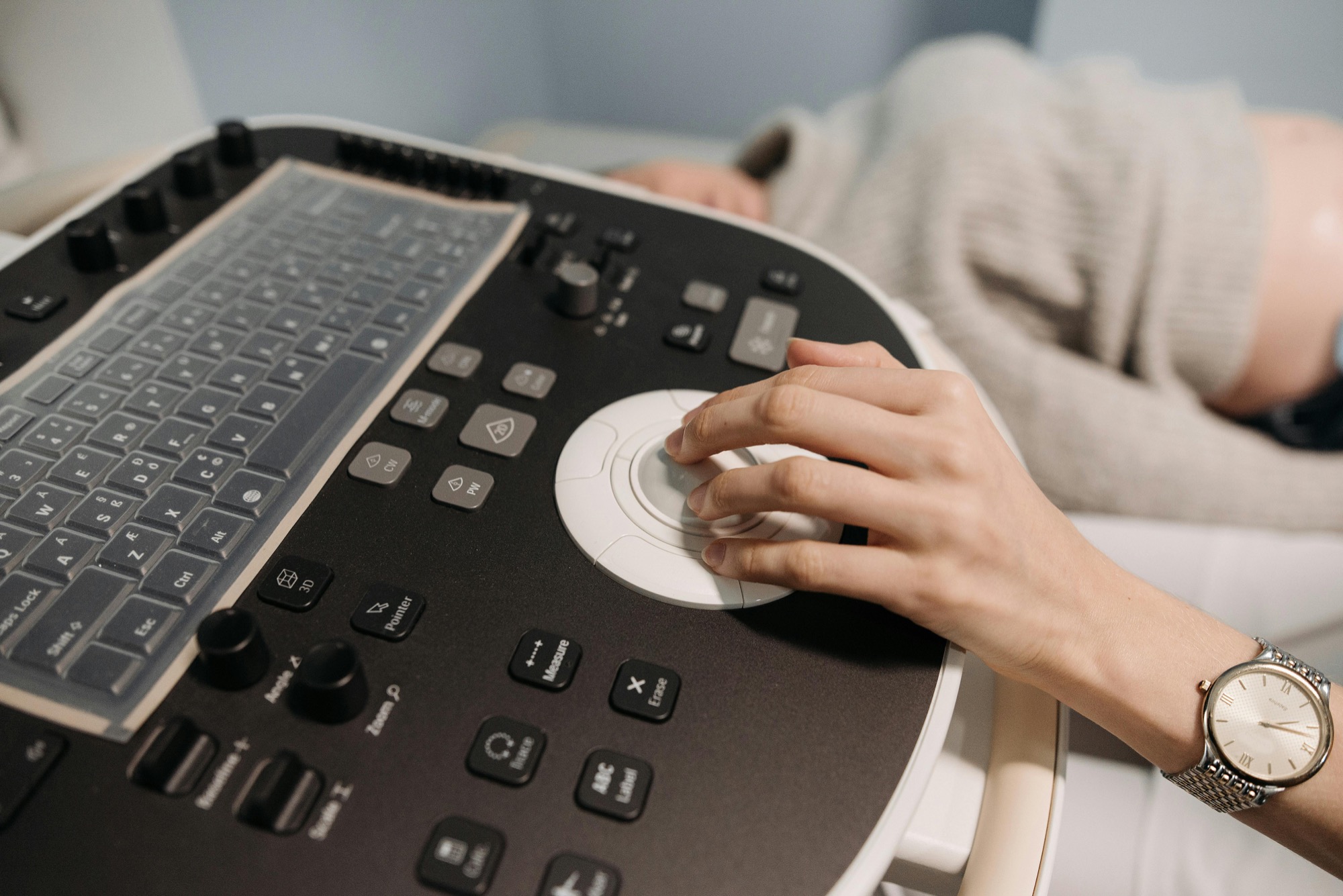
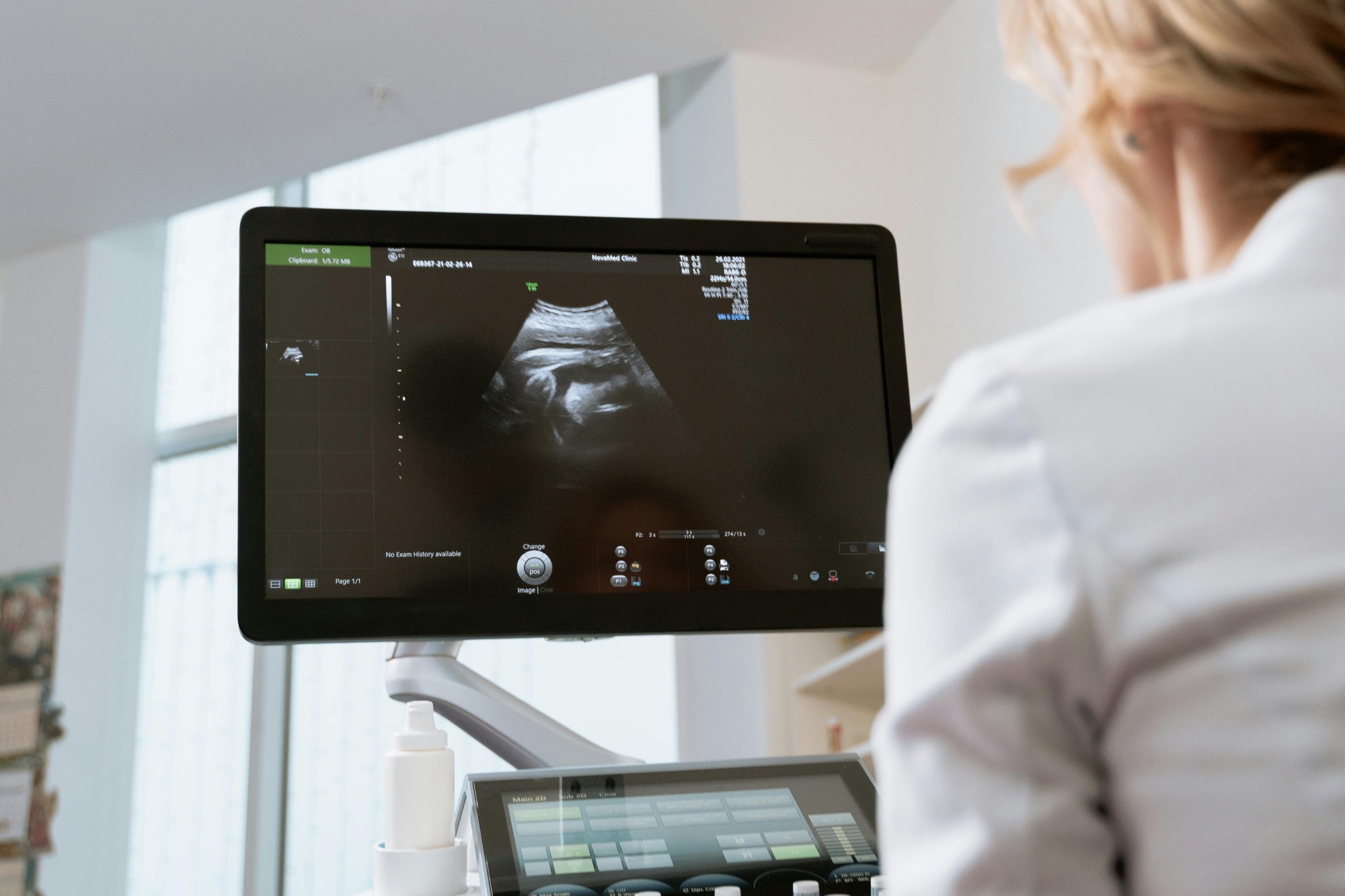
Hands-on learning matters. Guided practice helps trainees connect equipment controls, probe movement, image response and client communication.
A responsible staffing framework
Six Steps From Role Definition to Team Readiness
A dependable process makes expectations visible to the owner, instructor and trainee. It also gives the studio a consistent way to make staffing decisions.
01
Define the role
Write down the services the team member will provide, the client experience they will support and the boundaries of the position.
02
Confirm requirements
Review local rules, business requirements and insurance expectations before choosing candidates or assigning responsibilities.
03
Select thoughtfully
Look for professionalism, communication skills, reliability, coachability and the ability to follow a repeatable process.
04
Teach in context
Combine foundational knowledge, equipment workflow, guided scanning practice and client communication rather than treating them as separate subjects.
05
Evaluate performance
Use observable criteria and supervised demonstrations. Readiness is based on consistent performance, not attendance alone.
06
Continue coaching
Schedule refreshers, review work, document feedback and update procedures as the studio, equipment and team evolve.
Candidate selection
Choose for the Whole Role, Not One Skill
Qualities that support learning
Comfort receiving instruction and applying feedback
Attention to detail and respect for written procedures
Patience while developing hand-eye coordination
Consistent documentation and follow-through
Willingness to ask questions when uncertain
Qualities that support clients
Warm, clear and professional communication
Ability to explain the elective experience accurately
Respect for client privacy, comfort and preferences
Calm expectations management during every session
A service mindset that fits the studio’s brand
Training content
What a Structured Learning Plan Should Cover
The exact sequence should reflect the trainee, equipment, studio workflow and applicable requirements. The goal is not to rush through a preset number of hours; it is to build repeatable performance and sound judgment.
1
Ultrasound foundations
Relevant terminology, equipment concepts, image orientation and the principles that guide responsible equipment use.
2
Equipment workflow
System setup, presets, gain, depth, focus, image optimization, saving, exporting and the studio’s care procedures.
3
Guided scanning practice
Positioning, probe movement, coordination and adapting technique with direct instructor observation and feedback.
4
Client communication
Setting expectations, describing the non-diagnostic service, maintaining comfort and following the studio’s escalation process.
5
Studio procedures
Consent, privacy, cleaning, records, image delivery, session flow and any additional procedures selected by the business.
Competency before independence
Readiness Is Demonstrated, Documented and Role-Specific
A certificate can document course completion. The studio should also determine whether the team member can consistently perform the specific responsibilities assigned to them.
Knowledge
Explain the workflow
The trainee can describe the service, equipment process, client communication standards and studio procedures in their own words.
Technique
Demonstrate core skills
The trainee can set up the system, navigate controls and perform the assigned scanning workflow under observation.
Judgment
Follow boundaries
The trainee communicates the purpose of the service accurately and knows when to pause, ask for guidance or follow an escalation process.
Consistency
Repeat the standard
The trainee demonstrates dependable performance across multiple supervised sessions rather than during one isolated attempt.
Practical documentation
Create a Record the Team Can Actually Use
Simple, consistent documentation turns expectations into an operational system and gives future coaching a clear starting point.
Document
What it clarifies
When to revisit it
Role description
Duties, service boundaries, reporting structure and expected client experience
When the role or service menu changes
Training plan
Topics, equipment, practice opportunities, instructor responsibilities and learning goals
Before each new trainee or equipment change
Skills checklist
Observable tasks and the standard used to evaluate them
During supervised practice and refresher training
Readiness record
What was demonstrated, who observed it and which responsibilities were approved
At sign-off and whenever duties expand
Coaching notes
Feedback, improvement priorities and follow-up dates
At planned quality reviews
Choose recordkeeping practices that fit your business, insurer and local requirements. A qualified local adviser can help you determine which documents your studio should maintain and how long to retain them.
Build from feedback. Ongoing review helps reinforce equipment confidence, image consistency and a polished client experience.
After initial training
Make Development Part of Studio Operations
Training is strongest when it continues through day-to-day coaching. A simple quality rhythm helps the owner recognize progress early and keeps the team aligned around the same standard.
Regular check-insReview what is working, answer questions and identify the next skill to strengthen.
Observed refreshersReturn to supervised practice when equipment, workflows or assigned responsibilities change.
Client-experience reviewEvaluate communication, room flow, comfort, image delivery and consistency with the studio’s brand.
Procedure updatesKeep written materials aligned with current operations and the guidance your business receives from qualified advisers.
Training develops knowledge and practical skills, but it does not itself create a government license or determine whether a person may perform a service in a particular location. Confirm eligibility, local requirements and insurance expectations separately.
How long does it take a new team member to become ready?
There is no responsible universal timeline. Readiness depends on the person’s background, practice opportunities, equipment, role and ability to demonstrate the studio’s required skills consistently.
What should a competency check include?
It can include equipment setup, control adjustments, probe handling, image workflow, client communication, cleaning procedures, documentation and the studio’s process for pausing or seeking guidance.
Who should evaluate readiness?
Select a qualified person whose experience fits the skills being assessed and the requirements applicable to your studio. Document the criteria, observation and outcome rather than relying only on informal impressions.
Can an established employee benefit from hands-on training?
Yes. Practical instruction can help an existing team member strengthen equipment confidence, refine technique, learn a new system or build consistency around a defined studio workflow.
Plan Training Around Your People, Equipment and Studio Goals
Ultrasound Trainers provides hands-on elective ultrasound instruction tailored to the learner’s experience and the business’s practical needs. Tell us where your team is starting and what you want them to be able to do.
Steve LaVoise is the founder of Ultrasound Trainers and a working sonographer with over 20 years of hands-on experience in elective ultrasound. He founded Ultrasound Trainers in 2005 after building and operating his own elective ultrasound studios, developing a practical, real-world approach to training that goes beyond scanning technique alone.
Since 2005, Steve and his team have personally trained and helped launch more than 500 elective ultrasound studios across the United States, United Kingdom, and Australia. His training programs cover hands-on operation of leading ultrasound equipment brands including GE, Samsung, Mindray, and others, as well as the full business and operational side of running a successful studio.
Based in the United States, Steve continues to own and operate studios and remains actively involved in the industry. His writing on this site draws from decisions he makes in his own current operations.