
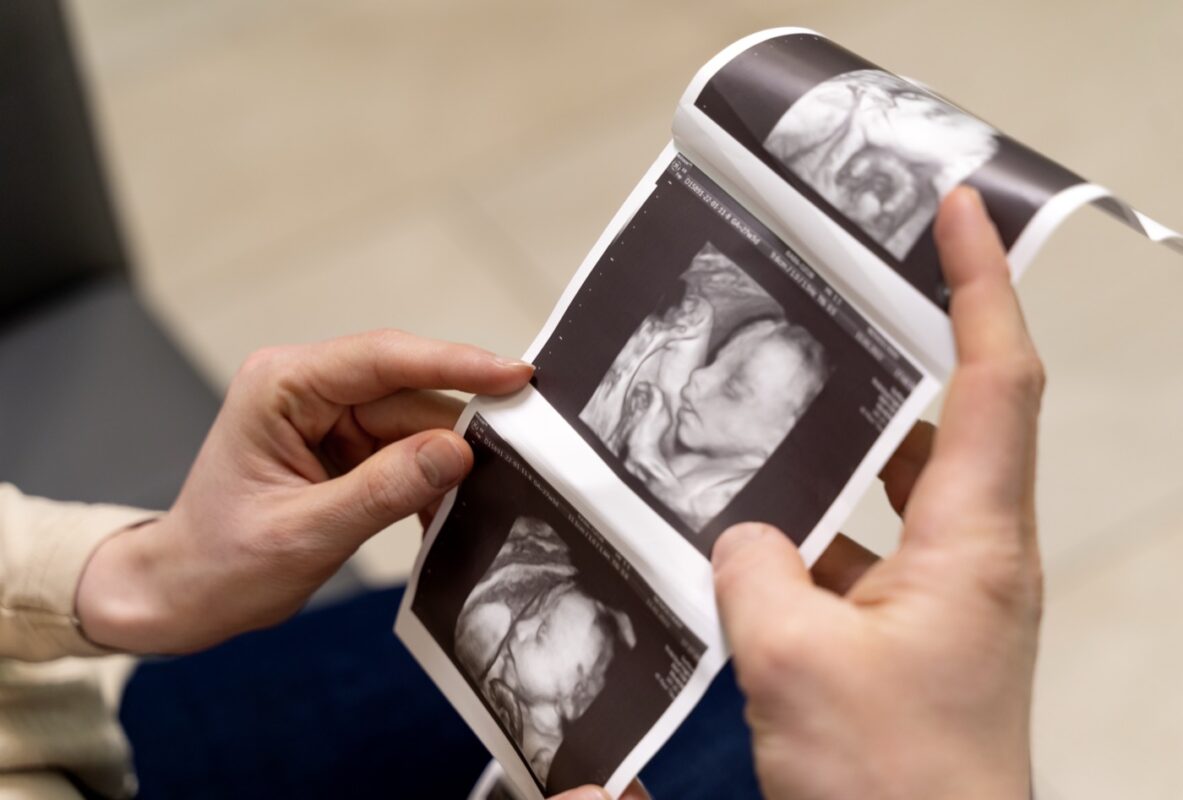
Different Skill Sets: How Elective Ultrasound Training Differs from Medical Programs
Ultrasound professionals know that image quality and precision matter—but in the elective ultrasound industry, success isn’t measured only in pixels and probe angles. It’s also about connection, artistry, and emotion. That’s where elective ultrasound training stands apart from traditional medical ultrasound programs.
While medical ultrasound education emphasizes anatomy, diagnostics, and reporting, elective training focuses on client-facing skills, image aesthetics, and business acumen. In other words, it teaches you how to turn technical expertise into an unforgettable, joy-filled experience for families.
In this guide, we’ll explore the key skill differences between medical and elective ultrasound—and how mastering both sides can elevate your career and business potential.
Medical Ultrasound: The Diagnostic Foundation
Medical ultrasound, or diagnostic sonography, is designed for one primary purpose: to evaluate a patient’s health. Professionals in hospitals, clinics, and imaging centers use ultrasound as a diagnostic tool to detect abnormalities, monitor fetal development, or assess internal organs. Every image serves a medical function.
What Medical Ultrasound Programs Emphasize
- Anatomy and Physiology: Understanding internal organs, blood flow, and fetal development.
- Pathology Identification: Detecting abnormalities or changes that indicate medical conditions.
- Clinical Precision: Capturing standardized images for physician review and diagnosis.
- Reporting Accuracy: Documenting measurements, annotations, and findings in clinical format.
Diagnostic ultrasound professionals are trained to focus on accuracy, protocol adherence, and medical integrity. Their expertise saves lives—but it operates within a structured, clinical framework that leaves little room for creative expression or emotional engagement.
In diagnostic ultrasound, the mission is to find what’s wrong. In elective ultrasound, the mission is to capture what’s beautiful.
Elective Ultrasound: The Art and Experience of Imaging
Elective ultrasound studios take the same technology used in hospitals and apply it to a completely different experience—one centered on emotion, artistry, and client interaction. Families come not for diagnosis, but for connection: to see their baby’s face, movements, and personality before birth.
This shift in purpose requires a new skill set. Elective ultrasound training teaches professionals how to combine imaging technique with customer service, presentation, and storytelling. The result is a session that feels more like a celebration than a clinical appointment.
Core Focus Areas in Elective Ultrasound Training
- Image Aesthetics: Learning lighting, contrast, and composition to create visually stunning 3D/4D and HD images.
- Customer Experience: Building rapport, setting the mood, and ensuring every family feels comfortable and cared for.
- Emotional Intelligence: Reading client reactions and tailoring the session for a personalized experience.
- Business Operations: Understanding pricing, packaging, and marketing strategies for a profitable studio.
- Ethics & Safety: Conducting non-diagnostic scans responsibly while emphasizing that elective services do not replace medical care.
The Customer-Facing Skills That Define Elective Ultrasound Professionals
One of the biggest differences between medical and elective ultrasound is the level of client interaction. In hospitals, ultrasound sessions are brief and clinical. In elective studios, the client experience is everything. Training programs focus heavily on hospitality, communication, and presentation skills.
1. Creating a Warm, Welcoming Environment
Instead of sterile rooms and fluorescent lighting, elective ultrasound studios use soft lighting, comfortable seating, and big display screens. You’ll learn how to design a studio environment that feels safe, joyful, and relaxing for expectant parents and their families.
2. Guiding the Session
Elective ultrasound professionals act as hosts as much as technicians. You’ll learn how to narrate the session, point out adorable moments, and make every client feel included—especially those seeing an ultrasound for the first time.
For example: “There’s your baby waving!” carries far more emotional weight than a simple, “Arm movement detected.” This small difference transforms an appointment into a memory.
3. Managing Expectations with Empathy
Not every session goes perfectly—babies hide, turn away, or sleep through the scan. Elective training teaches you how to handle these moments with empathy, offering rescan policies or calming reassurance to preserve a positive experience.
Client trust isn’t built by perfect images—it’s built by how you handle imperfect moments with professionalism and compassion.
Image Aesthetics: The Creative Side of Elective Ultrasound
In diagnostic ultrasound, the goal is clarity. In elective ultrasound, it’s artistry. Aesthetics are at the heart of elective training—because stunning images drive both client satisfaction and business growth.
1. Lighting and Rendering
Students learn how to adjust brightness, contrast, and lighting angles to bring out the baby’s features in lifelike detail. HD ultrasound technology allows for realistic color tones and shadowing—skills that require practice and creative judgment.
2. Composition and Framing
Just like photography, the placement and angle of the image matter. You’ll learn how to frame each shot for maximum emotional impact, capturing those “wow” moments that parents love to share online.
3. Post-Processing and Image Delivery
Elective ultrasound training also covers image review and post-session presentation—organizing photos, editing lighting balance, and creating beautiful digital or printed keepsakes that reflect your studio’s quality and care.
Business and Marketing Skills: The Entrepreneurial Edge
Unlike hospital roles, elective ultrasound often involves entrepreneurship. That’s why leading programs like Ultrasound Trainers go beyond imaging technique to teach ultrasound business training—covering everything from branding to pricing strategy.
1. Branding and Identity
Students learn how to create a memorable studio name, logo, and aesthetic that resonate with expecting parents. The goal is to establish trust and recognition in your local market.
2. Marketing and Social Media Strategy
Marketing drives studio success. Training includes practical guidance on how to build a strong web presence, run Google and Facebook ads, and encourage clients to share their ultrasound moments online. Your images become your most powerful marketing tool.
3. Operations and Client Management
From scheduling to payment systems, you’ll learn how to run a professional, efficient business. Topics include staffing, package design, and customer relationship management (CRM) tools to keep clients coming back for future sessions.
Elective ultrasound isn’t just about scanning—it’s about storytelling, strategy, and service.
How Diagnostic and Elective Skills Work Together
Many sonographers and nurses already possess strong technical foundations from their medical training. Elective ultrasound simply adds a new layer: the art of experience. When you combine clinical skill with elective finesse, you become a well-rounded professional capable of both precision and connection.
Why This Combination Works
- Medical accuracy ensures safety and professionalism.
- Elective artistry enhances emotional engagement and client satisfaction.
- Business skills empower independence and income growth.
This is why many experienced healthcare professionals now pursue elective ultrasound certification—to expand their horizons beyond diagnostics into creativity, entrepreneurship, and emotional fulfillment.
Frequently Asked Questions
Do I need to be a medical professional to learn elective ultrasound?
No. While medical professionals have a head start, elective ultrasound training is open to anyone passionate about imaging and client experience.
How long does elective ultrasound training take?
Programs offered by Ultrasound Trainers typically range from a few days to several weeks, depending on your desired certification level and business goals.
Can I use my diagnostic ultrasound skills in elective imaging?
Absolutely. Diagnostic skills provide technical strength, while elective training adds creativity, client care, and marketing expertise.
Is elective ultrasound safe?
Yes. It uses the same technology as medical ultrasound, following identical safety standards and low-intensity sound wave protocols.
Final Thoughts: From Clinical to Creative—A New Era for Ultrasound Professionals
Ultrasound is both a science and an art. Medical training teaches you the science—how to measure, diagnose, and document. Elective ultrasound training teaches you the art—how to connect, create, and inspire. Together, they form a powerful combination that elevates your career and impacts families in ways beyond medicine.
Whether you’re a certified sonographer looking to open your own elective ultrasound studio or a new entrepreneur entering the industry, Ultrasound Trainers offers comprehensive, hands-on programs that cover everything from imaging technique to business strategy. You’ll graduate not only knowing how to scan—but how to create unforgettable experiences that parents will cherish forever.
Ready to enhance your ultrasound skills and explore elective imaging? Share your thoughts in the comments below! And if this article resonated with you, share it with a colleague who’s ready to turn their ultrasound expertise into something extraordinary.

Training Only vs Turnkey Ultrasound Business Package: Which Fits You?
Compare training only vs turnkey ultrasound business package options to see which path fits your[...]

How Sonographers Can Start Their Own Elective Ultrasound Studio
Sonographers have strong technical skills but often misunderstand what owning an elective studio requires. This[...]

Average Revenue of a 4D Ultrasound Business: A Complete Planning Reference
What's the average revenue of a 4D ultrasound business? This complete guide covers revenue variables,[...]

Best Portable 4D Ultrasound Machines for Elective Ultrasound Startups: What to Know
Considering a portable 4D ultrasound machine for your elective startup? This guide separates the myths[...]

Hands-On vs Online Elective Ultrasound Training: Which One Fits You?
Compare hands-on vs online elective ultrasound training for future studio owners. See what each format[...]

Why Your 3D 4D Ultrasound Images Look Blurry and How to Fix It
Struggling with blurry 3D 4D ultrasound images? This step-by-step guide covers the most common causes[...]
Who Can Legally Own an Elective Ultrasound Business? What the Rules Actually Say
The legal ownership question for elective ultrasound businesses is more open than most people assume.[...]
Starting an Elective Ultrasound Business Part-Time: A Realistic Guide
Starting an elective ultrasound business while keeping another income source is a smart approach for[...]

How to Finance an Elective Ultrasound Machine: A Step-by-Step Guide for Studio Owners
Learn exactly how to finance an elective ultrasound machine. This step-by-step guide covers loan types,[...]

Can a Med Spa Add Elective Ultrasound Services? What It Actually Takes
Med spas considering elective ultrasound as an add-on service need to understand training, equipment, compliance,[...]

Ultrasound Business Income Breakdown by Location and Pricing: What Changes Your Monthly Revenue
Ultrasound business income breakdown by location and pricing. See how market, packages, overhead, and positioning[...]
How Profitable Is a Keepsake Ultrasound Business? What Really Drives Profit
How profitable is a keepsake ultrasound business? See what affects revenue, margins, overhead, and long-term[...]
