

What Is Elective Ultrasound? Complete Non-Diagnostic Guide for Parents & Studio Owners
Elective ultrasound is one of the fastest-growing services in the prenatal industry. Expecting parents aren’t just waiting for clinical, medically necessary scans anymore—they want connection, bonding, and beautiful keepsake images long before baby arrives. This rising demand has created thousands of elective ultrasound studios, mobile imaging services, and boutique 3D/4D experiences across the country.
But what exactly is elective ultrasound? How does it differ from diagnostic scans performed in hospitals or OB offices? And what should expecting families—and new studio owners—know about safety, benefits, limitations, and best practices?
This complete guide breaks everything down clearly, simply, and professionally. Whether you are starting an elective ultrasound business, learning the skill through elective ultrasound training, or preparing for your first keepsake scan, this is the definitive resource for understanding how elective imaging works in 2025.
What Exactly Is Elective Ultrasound?
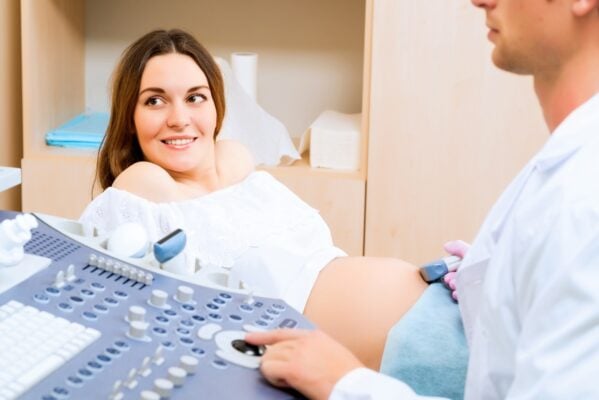
Elective ultrasound refers to non-diagnostic ultrasound scans performed for bonding, keepsake images, gender determination, and personal enjoyment—not for medical evaluation or diagnosis.
Unlike medical scans, which are ordered by a doctor and interpreted for clinical purposes, elective ultrasound is completely optional. Parents schedule it on their own simply because they want to see their baby more often and in more detail.
Elective Ultrasounds Are:
- Non-diagnostic — no measurements, no medical interpretations
- Experience-focused — bonding, memories, connection
- Performed in boutique studios with cozy, family-friendly settings
- Often done in 3D, 4D, or HD Live for enhanced detail
- Scheduled at the parents’ convenience
This is why elective ultrasound is sometimes called:
- “Keepsake ultrasound”
- “Prenatal bonding ultrasound”
- “3D/4D ultrasound session”
- “HD ultrasound experience”
In short, elective ultrasound is all about joy, anticipation, and connection—not medical analysis.
How Elective Ultrasound Differs from Medical Ultrasound
Many parents wonder whether elective scans replace doctor-ordered medical ultrasounds. They do not. Elective imaging is a supplemental, optional service that works alongside routine prenatal care.
Here’s a clear comparison:
| Elective Ultrasound | Medical Ultrasound |
| Non-diagnostic / bonding | Diagnostic / clinical evaluation |
| Optional, client-chosen | Doctor-ordered only |
| No medical interpretations | Performed & interpreted by licensed professionals |
| Focus on 2D/3D/4D experiences | Focus on anatomy, measurements, growth |
| Usually 10–30 minutes | Longer clinical assessments |
Understanding this difference is essential for both parents and entrepreneurs learning how to open a 3D ultrasound studio.
The Benefits of Elective Ultrasound
Elective ultrasound offers unique emotional and experiential benefits that medical scans typically do not. These benefits are exactly why the industry continues to grow.
1. Enhanced Bonding
Seeing the baby in 3D/4D or HD Live creates a powerful emotional connection. Parents feel closer to their baby and often report stronger prenatal bonding.
2. Early Gender Determination
Training programs teach techniques that allow gender determination as early as 13–14 weeks, which is earlier than most OB offices offer.
3. Clearer, More Detailed Imaging
High-quality 3D/4D machines produce crystal-clear images, facial expressions, and movements that standard medical scans may not focus on.
4. A Memorable Family Experience
Elective studios often allow multiple guests, kids, and grandparents. Sessions feel like a small celebration.
5. Beautiful Keepsake Photos & Videos
Parents receive digital galleries, printed images, heartbeat animals, and HD Live video clips they can cherish forever.
6. Reassurance Between Medical Appointments
While non-diagnostic, elective scans offer peace of mind by letting parents see their baby more frequently during pregnancy.
Understanding Safety: Is Elective Ultrasound Safe?
Yes—when performed properly. Ultrasound technology has been used for decades and is considered extremely safe because it uses sound waves, not radiation.
Safety depends on two main factors:
- Proper training
- Following non-diagnostic guidelines
Professional Elective Ultrasound Studios Follow:
- ALARA principles (As Low As Reasonably Achievable)
- Appropriate scanning times (typically 10–30 minutes)
- Approved machine presets
- Non-diagnostic disclaimers
- Respect for prenatal care boundaries
Training programs—such as those from Ultrasound Trainers—teach safe scanning technique, machine optimization, and industry-standard protocols.
The Limitations of Elective Ultrasound
Because elective ultrasound is non-medical, it has important limitations that both clients and studio owners must understand.
Elective Ultrasound Cannot:
- Diagnose abnormalities
- Replace medical prenatal appointments
- Interpret fetal health or development
- Screen for complications
- Provide biometric measurements
This is why studios use clear waivers and encourage clients to continue routine medical care.
Types of Elective Ultrasound Sessions
Most studios offer a range of sessions depending on the stage of pregnancy and client goals.
1. Early Sneak Peek Ultrasounds
Usually 8–13 weeks. Focused on hearing baby’s heartbeat and early bonding.
2. Early Gender Ultrasounds
Typically 13–16 weeks using trained gender determination techniques.
3. 3D/4D Bonding Sessions
Done throughout the second and third trimester to visualize baby’s features and movements.
4. HD Live Ultrasounds
Advanced lighting & rendering for realistic images that look like real skin.
Elective Ultrasound Equipment: What Studios Use
Keepsake imaging requires high-quality machines with 3D, 4D, and HD capabilities.
Popular Models Include:
- Samsung HS50 & HS60
- GE Voluson series
- Mindray Z series
Training programs help new owners buy an elective ultrasound machine safely without overspending on outdated or overpriced systems.
Who Performs Elective Ultrasounds?
Elective scans are performed by:
- Certified elective sonographers
- Professionals trained through elective ultrasound programs
- Studio owners with formal hands-on training
Because elective ultrasound is non-diagnostic, medical credentials are not required in most states—but proper training is essential for safety, quality, and accuracy.
Frequently Asked Questions
Yes. It is legal in all U.S. states when performed as non-diagnostic bonding and kept separate from medical interpretation.
Can elective ultrasound harm the baby?
No. When performed with proper training and industry guidelines, it is considered extremely safe.
Can elective sonographers diagnose issues?
No. All medical evaluation must be done by licensed professionals.
Do I need experience to open an ultrasound studio?
No. Elective businesses only require training—not medical credentials in most states.
Where can I get training?
Industry leaders like Ultrasound Trainers provide comprehensive hands-on programs.
Final Thoughts: Elective Ultrasound Is an Experience Like No Other
Elective ultrasound brings joy, excitement, and connection to families during one of the most meaningful times of their lives. Whether you are experiencing a session as an expectant parent or preparing to open your own 3D/4D ultrasound business, understanding what elective ultrasound is—and what it isn’t—is essential.
With the right training, equipment, and business strategy, elective sonographers create magical, unforgettable moments every day.
Join the Conversation
Have questions about elective ultrasound, training, or starting a studio? Share them in the comments! And if you found this guide helpful, feel free to share it with others learning about elective imaging.

How to Build a Pre-Launch Marketing Campaign for Your Elective Ultrasound Studio: A 60-Day Countdown Plan
Pre-launch marketing for an elective ultrasound studio begins 60 days before opening. This 60-day countdown[...]

What Career Changers in Hawaii Need to Know About Elective Ultrasound Training
Considering ultrasound training for a career change in Hawaii? This Q&A guide covers what training[...]

How to Find and Recruit Volunteer Scan Models for Elective Ultrasound Practice
Finding volunteer models for elective ultrasound practice is a skill in itself. Learn where to[...]

How to Write an Elective Ultrasound Business Plan That Actually Works
Writing an elective ultrasound business plan? This guide covers what to include, how to build[...]

How to Open an Elective Ultrasound Business in Honolulu: A Practical Startup Guide
Open an elective ultrasound business in Honolulu with confidence. This guide covers training, startup costs,[...]

Adding Elective Ultrasound to an Existing Photography or Doula Practice in Montana
Montana birth photographers and doulas: adding an elective ultrasound add-on business in Montana to your[...]

Starting an Elective Ultrasound Business in Cheyenne, Wyoming: First-Mover Advantage in the Least-Crowded Market in the Country
Thinking about starting an elective ultrasound business in Cheyenne, Wyoming? This guide covers the F.E.[...]

Elective Ultrasound Training for Career Changers in Sweden
Considering a career change into elective ultrasound in Sweden? Find out what training involves, whether[...]

What Career Changers in Fayetteville Should Know About Elective Ultrasound Training
Thinking about elective ultrasound training in Fayetteville, Arkansas as a career changer? This Q&A guide[...]

The Biggest Mistake Las Vegas Elective Ultrasound Studios Make With Their Marketing
Elective ultrasound studio marketing in Las Vegas prioritizes trust and reviews over ad spend. Here's[...]

Mobile Elective Ultrasound for Baby Shower Events: Packages, Pricing, and Logistics
Mobile ultrasound baby shower events guide for elective studio operators. Covers package structure, pricing frameworks,[...]
Birth Center and Midwife Referral Partnerships: Building a Consistent Lead Pipeline for Your Studio
A birth center referral partnership for an elective ultrasound studio builds a consistent, high-converting lead[...]
Sign up for our newsletter
Sign up for our newsletter and be the first to get the latest updates and exclusive discounts delivered directly to your inbox!
Ready to open your own studio? Get the complete roadmap at our Start Your Own 3D/4D Ultrasound Studio page.
