

Last Updated: April 15, 2026
Hiring staff for your elective ultrasound studio starts with defining the role clearly — scanner, front desk, or both — then finding candidates with the right combination of people skills and willingness to learn. Training them on your specific machine, your service standards, and your client experience approach is just as important as their technical skills when they arrive.
Running a solo elective ultrasound studio works well at the start — overhead stays low, you maintain full control of the client experience, and every appointment is yours to manage. But at some point, bookings grow beyond what one person can handle, or you decide from the beginning that you want to own the business without performing the scans yourself. Both paths lead to the same question: how do you hire staff for your elective ultrasound studio without compromising the experience that makes clients come back?
This guide covers the whole process — from defining what you actually need to finding candidates, evaluating them, training them, and keeping them once they are performing well.
Why Staffing Decisions Shape Your Studio Culture
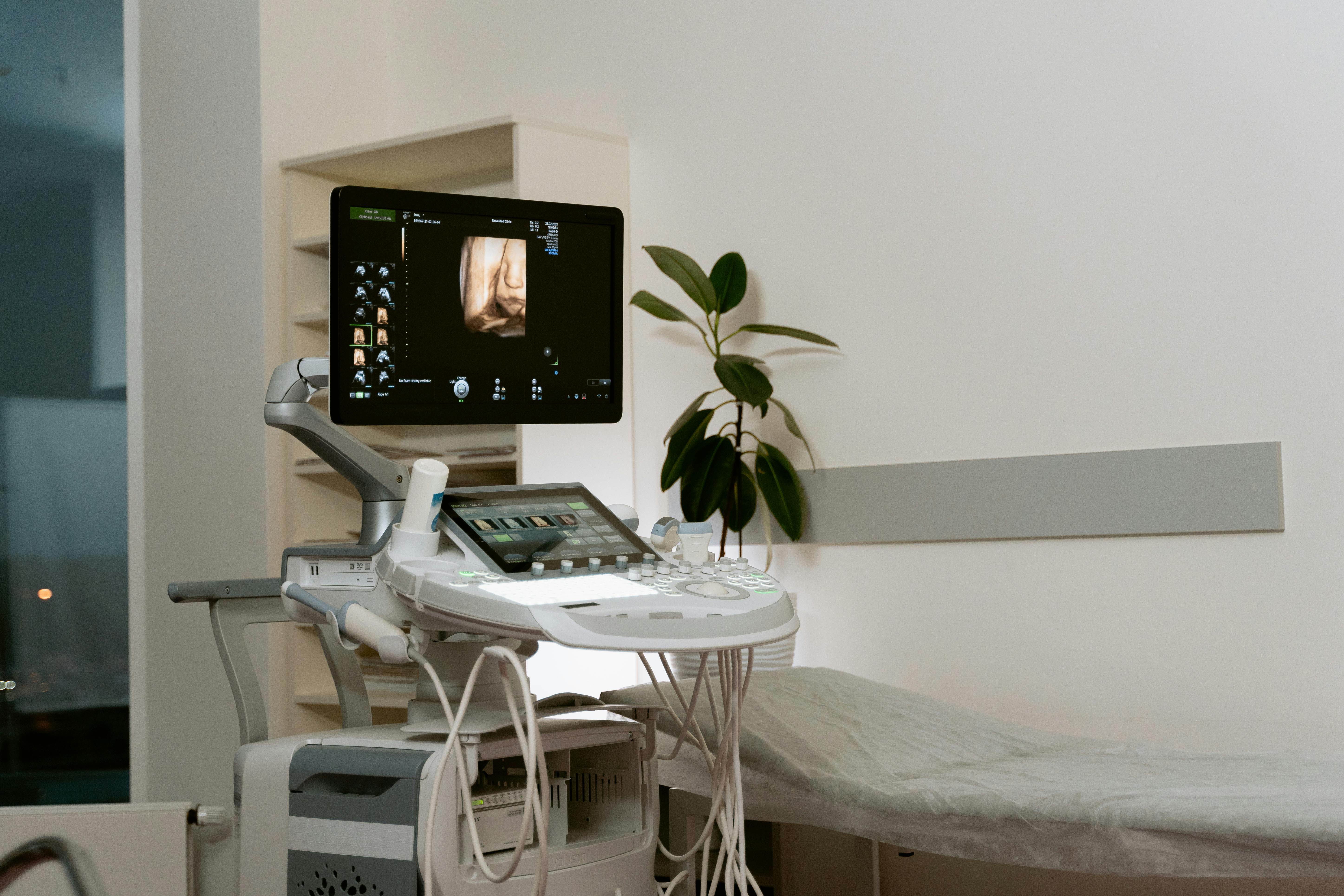
Your staff is the face of your business in a way that almost no other hire in a typical business is. In an elective ultrasound studio, the person performing the scan is guiding a family through one of the most emotionally significant moments of a pregnancy. They need to manage the technical side of the session — positioning the transducer, optimizing image settings, capturing the best possible images — while simultaneously reading the room, keeping nervous clients comfortable, and making the whole thing feel like an experience rather than a procedure.
That combination of technical competence and emotional intelligence is not common. When you find it, you hold onto it. When you miss it during hiring and end up with someone who is technically adequate but cold or awkward in the room, clients notice — and they tell their friends.
What the Role Actually Requires
An elective ultrasound studio operator is not doing diagnostic work. But the role is not simple either. The scanner needs to understand how to optimize 3D and 4D image quality for different fetal positions and gestational ages, handle sessions that do not go as planned without alarming the family, and consistently deliver the kind of warm, confident experience that generates five-star reviews and referral bookings.
Define the Role Before You Post a Job
One of the most common staffing mistakes in small studios is hiring before the job description is clear. You know you need “someone to help” — but help with what, exactly? There are two distinct functional needs in most studios: the scanning role and the front-desk or client coordinator role. In smaller studios, one person often does both. As volume grows, these split.
Scanning Role vs. Front-Desk Role
| Function | Primary Responsibilities | Key Skills Needed |
|---|---|---|
| Scanner | Operating the ultrasound machine, conducting sessions, image optimization, client rapport during scans | Technical aptitude, emotional intelligence, calm under pressure, people skills |
| Client Coordinator | Booking management, check-in, collecting intake forms, explaining packages, handling payments | Organization, warmth, customer service, software familiarity |
| Combined (small studio) | All of the above — requires someone who can transition between clinical and administrative quickly | Versatility, strong time management, confidence in both settings |
Where to Find Candidates for an Elective Ultrasound Studio
You are not hiring for a role that most job seekers have heard of. That means your recruiting approach needs to be active, not passive. Posting on Indeed and waiting rarely works for this specific role. The candidates who are the best fit are usually already working somewhere adjacent — and they may not even know this opportunity exists.
Sourcing Channels That Work
Clinical job boards like Health eCareers and Simply Hired reach healthcare workers who may be looking for a change. Local sonography schools sometimes have graduating students who are interested in non-diagnostic elective work alongside their clinical career. Networking through doula and birth photography communities surfaces candidates who already understand the pregnancy services market.
Instagram and TikTok can also be surprisingly effective — many people working adjacent to the pregnancy world follow elective ultrasound content. A well-crafted post announcing you are looking to hire can reach exactly the right audience.
What to Look for in a Candidate
Prior ultrasound experience is helpful but not required, especially for the scanning role. What cannot be taught — at least not quickly — is how someone makes a pregnant client feel in the room. Warmth, patience, and the ability to manage a session with grace when a baby is not cooperating are far more predictive of success than a resume line.
Non-Negotiables vs. Teachable Skills
| Non-Negotiable (Must Have) | Teachable (Can Train) |
|---|---|
| Genuine warmth with clients | Ultrasound machine operation |
| Reliability and professionalism | Image optimization settings |
| Calm under unexpected situations | Your intake and booking workflow |
| Willingness to learn and take feedback | Package presentation and upsell approach |
Training Your Hire for Your Studio
Hiring someone with no ultrasound background means investing in training before they work with clients. This is not a risk — it is a normal part of building a studio team. The question is where that training comes from.
Private on-site ultrasound training conducted at your studio using your specific machine is the most practical format for new hires. It means they learn on the equipment they will actually use, in the room they will work in, with training aligned to the sessions your studio offers. Generic training on a different machine in a different environment means a second learning curve when they arrive at your studio.
Beyond scanning skills, your new hire needs to learn your specific client experience approach — how you greet clients, how you explain the elective and non-diagnostic nature of the service, how you handle questions about what they see on the screen, and how you manage sessions that do not produce the image quality the client was hoping for. This is studio-specific training that only you can provide.
What a Training Plan Should Cover
Compensation Structures That Work
Pay structures for elective ultrasound staff vary by region and role, but the most common approaches are hourly pay with a set schedule, per-appointment pay for part-time scan staff, or a combination of a base rate plus a small performance component tied to client retention or review generation. There is no universal right answer — the best structure is the one that aligns your staff’s incentives with your studio’s goals and keeps your best people motivated.
One thing worth building in from the start is a clear policy on what happens when a scheduled appointment cancels last-minute. Staff who are paid purely per session and show up to find an empty schedule will not stay long. Having a minimum guarantee or a cancellation buffer built into your compensation model protects both them and you.
Managing Performance and Retention
Performance management in a small studio is informal but should not be accidental. Regular brief check-ins — even 15 minutes every few weeks — give you a chance to address small issues before they become real problems and give staff a channel to raise their own concerns. Asking “what is one thing that would make your sessions run better?” often surfaces problems you did not know existed.
Retention comes down to feeling valued and fairly compensated. Small gestures — acknowledging a great review, a bonus after a strong month, flexibility when life happens — keep good staff from looking elsewhere. Finding and training a new scanner costs significantly more in time and money than keeping the one you have.
Common Staffing Mistakes to Avoid
Other common mistakes include hiring before your training plan is ready, paying below market for the local area and then wondering why turnover is high, and failing to set clear performance expectations from day one. People perform to the standards they are given. If no standard is communicated, do not be surprised when performance is inconsistent.

Quick Reference Summary
- Define the role before posting — scanner, coordinator, or combined
- Source candidates from healthcare adjacents, sonography schools, and birth professional communities
- Prioritize warmth and reliability — technical skills can be trained
- Invest in machine-specific, studio-specific training before the first client session
- Build a compensation structure that aligns incentives and protects against cancellation gaps
- Retain good staff through regular communication, fair pay, and genuine acknowledgment
- Avoid the clinical credentials trap — elective work requires a different skill set than hospital ultrasound
Frequently Asked Questions
Do I need to hire a certified sonographer to run my elective ultrasound studio?
Certification requirements vary by state. In many states, elective ultrasound studios are not required to employ credentialed sonographers. However, you should verify the rules in your specific state before hiring and confirm with a local attorney or business advisor. Regardless of legal requirements, proper training on your specific machine is essential for anyone performing scans.
Can I hire someone with no ultrasound experience and train them myself?
Yes, and many studio owners do. The key is having a structured training plan and enough hands-on practice time before the hire works with paying clients. Bringing in professional on-site training — either for yourself or for a new hire — reduces the learning curve significantly and sets a consistent quality standard from day one.
How many staff do I need to hire to open an elective ultrasound studio?
Many studios open with one person — the owner — performing all functions. As volume grows, a part-time front desk hire is often the first addition, freeing the scanner to focus on sessions. A second scanner becomes necessary when booking volume exceeds what one person can handle or when you want to offer extended hours.
What should I include in a job description for an elective ultrasound scanner position?
Include the nature of the work (elective, non-diagnostic imaging for bonding and keepsake purposes), the equipment used, the expected session volume and schedule, compensation structure, any training provided, and the client experience standards you hold. Be honest about what the work environment is like — it helps attract people who are genuinely a fit and discourages those who are not.
How do I know if a candidate is actually good with clients?
Ask behavioral interview questions: “Tell me about a time a client was upset or disappointed with a service — what did you do?” Watch how they treat every person they interact with during the interview process, including your front desk if you have one. References from client-facing roles are valuable. A brief practical trial shift (with appropriate disclosure and compensation) can also reveal how someone operates in the room.
How do I train a new hire on my specific ultrasound machine?
On-site, machine-specific training is the most effective approach. Ultrasound Trainers offers private hands-on ultrasound training conducted at your location using your machine — which means your hire learns exactly the equipment and settings they will use every day, not a generic substitute.
Can I hire staff part-time to keep costs manageable while I grow?
Absolutely. Part-time staffing is common in early-stage studios. You can schedule scan staff only for booked appointment blocks, reducing the fixed labor cost while maintaining quality coverage. As booking volume grows, those hours can expand. Just be mindful of offering enough hours to attract and retain people who are good at the work.
What are the biggest staffing mistakes elective ultrasound studio owners make?
The most common are: hiring for credentials over client experience fit, skipping a structured onboarding and training plan, not communicating performance expectations clearly, and underinvesting in retention until a good employee has already decided to leave. The small effort of addressing these proactively pays off significantly over time.
About This Content: Ultrasound Trainers provides training, consulting, and equipment support for elective ultrasound studio owners across the United States. This content is for informational purposes and does not constitute legal, financial, or HR advice. Employment laws and regulations vary by state — consult appropriate professionals when making hiring decisions.
Get the Inside Track
Training tips, business advice, and exclusive deals delivered straight to your inbox.

How to Get More Bookings for Your Elective Ultrasound Studio in Montana
Struggling to fill your elective ultrasound booking calendar in Montana? This guide covers what actually[...]

Buying an Elective Ultrasound Machine for an Arkansas Studio: What Actually Matters
Ready to buy an elective ultrasound machine for your Arkansas studio? This guide covers the[...]

How to Build a Pre-Launch Marketing Campaign for Your Elective Ultrasound Studio: A 60-Day Countdown Plan
Pre-launch marketing for an elective ultrasound studio begins 60 days before opening. This 60-day countdown[...]

What Career Changers in Hawaii Need to Know About Elective Ultrasound Training
Considering ultrasound training for a career change in Hawaii? This Q&A guide covers what training[...]

How to Find and Recruit Volunteer Scan Models for Elective Ultrasound Practice
Finding volunteer models for elective ultrasound practice is a skill in itself. Learn where to[...]

How to Write an Elective Ultrasound Business Plan That Actually Works
Writing an elective ultrasound business plan? This guide covers what to include, how to build[...]

How to Open an Elective Ultrasound Business in Honolulu: A Practical Startup Guide
Open an elective ultrasound business in Honolulu with confidence. This guide covers training, startup costs,[...]

Adding Elective Ultrasound to an Existing Photography or Doula Practice in Montana
Montana birth photographers and doulas: adding an elective ultrasound add-on business in Montana to your[...]

Starting an Elective Ultrasound Business in Cheyenne, Wyoming: First-Mover Advantage in the Least-Crowded Market in the Country
Thinking about starting an elective ultrasound business in Cheyenne, Wyoming? This guide covers the F.E.[...]

Elective Ultrasound Training for Career Changers in Sweden
Considering a career change into elective ultrasound in Sweden? Find out what training involves, whether[...]

What Career Changers in Fayetteville Should Know About Elective Ultrasound Training
Thinking about elective ultrasound training in Fayetteville, Arkansas as a career changer? This Q&A guide[...]

The Biggest Mistake Las Vegas Elective Ultrasound Studios Make With Their Marketing
Elective ultrasound studio marketing in Las Vegas prioritizes trust and reviews over ad spend. Here's[...]
Ready to open your own studio? Get the complete roadmap at our Start Your Own 3D/4D Ultrasound Studio page.
