

The moment you finalize your training and decide your studio is ready to open, a strange thing happens. All of the planning that felt so abstract suddenly becomes very real. You have a machine that needs to be positioned just right. You have a website that needs to be live. You have a phone that might ring today, or might not ring for two weeks. The first 30 days of an elective ultrasound business have a rhythm unlike anything that came before them.
Most new owners describe month one the same way: busier than expected, quieter than hoped, and more clarifying than anything else in the process. You will learn more about how your business actually works in those first 30 days than you did in all your planning sessions combined. The question is how to use that time well.
This guide walks through everything to expect, prepare for, and prioritize in your first month — broken down into practical sections you can come back to as you go.
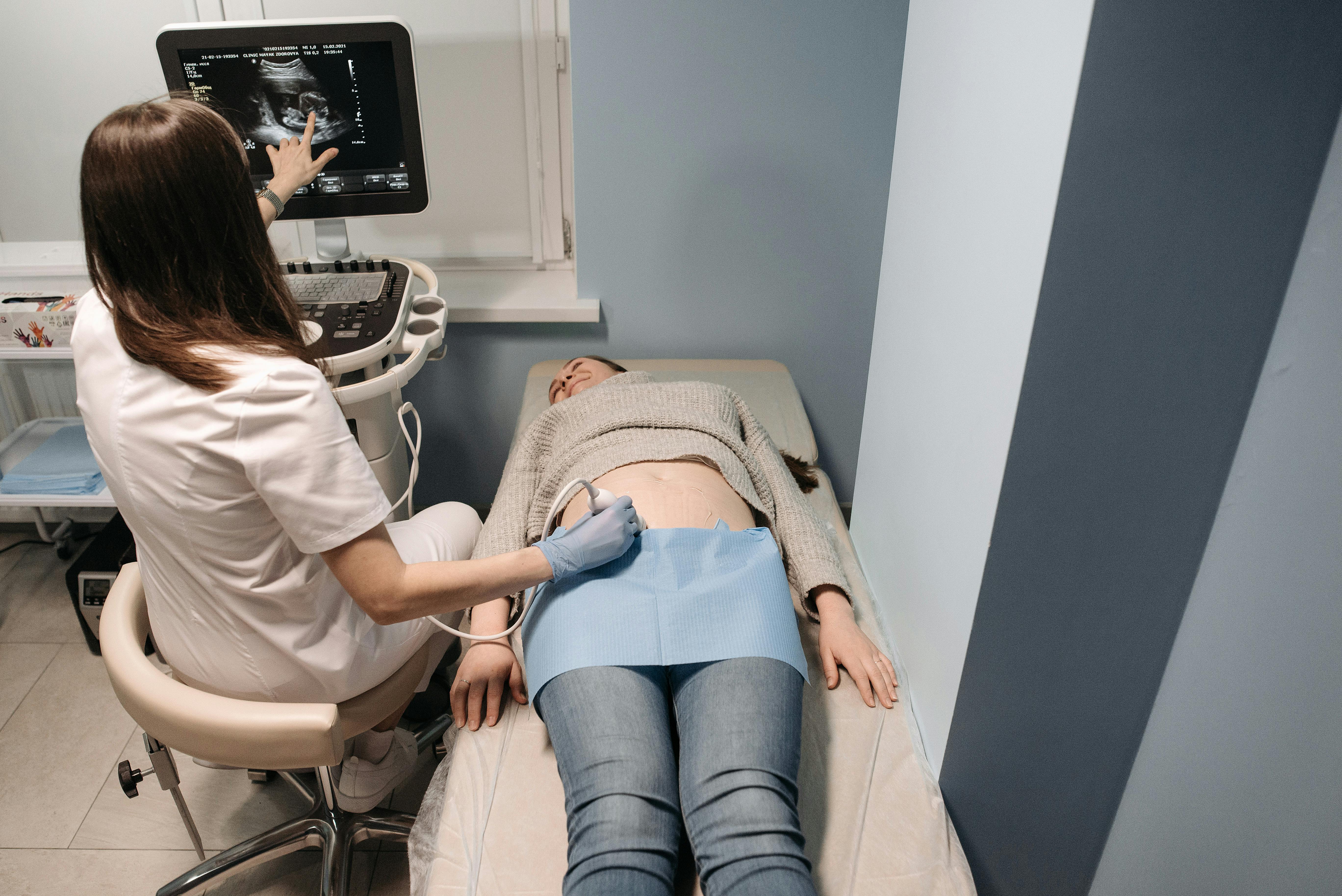
Week One: Getting Your Studio Ready to Run
Before you take your first real booking, week one is about making sure everything you need is in place and actually working. This sounds obvious. It is harder than it sounds.
Equipment Placement and Room Flow
Where your machine sits, where your client reclines, and where your monitor faces all affect the session experience. Walk through the room from a client’s perspective. Can they see the screen comfortably? Is the lighting warm and inviting, or does it feel like a medical exam room? Small adjustments here matter more than people realize. The physical setup of your space communicates quality before you ever touch the transducer.
Systems and Scheduling
Your online scheduling system needs to be tested completely before you send anyone to it. Book a test appointment. Cancel it. Rebook it. See what confirmation emails go out and whether they look professional. If something feels clunky to you in testing, it will feel clunky to a client trying to book at 9pm on a Sunday. Work through it now.
Your Pricing and Packages
Have your packages clearly defined before your doors open. Know your base session price, your upgrade options, your heartbeat animal pricing, and how you handle rescheduling. Clients will ask. You need a clean, confident answer every time — not “let me get back to you on that.”
Setting Up and Testing Your Equipment
This section could save you from a genuinely embarrassing first appointment. Equipment that works perfectly in a training environment sometimes behaves differently once it is installed in your actual studio space. Test everything before your first real client sits down.
Full System Run-Through
Connect every component in the exact order you will use during a session. Power up the machine. Connect the printer. Test the video output to your projector or TV. Make sure the thermal paper is loaded and printing correctly. Run through a live scan on a training phantom or a willing friend or family member and capture an image all the way through print. Walk the whole chain end to end.
Backup Plans for Common Failures
What will you do if the thermal printer jams mid-session? What if the TV signal drops? What if the machine needs a restart? Have a quick mental plan for each of these. Most clients are forgiving when something minor goes sideways if you handle it calmly. What they remember is how you responded — not the hiccup itself.
Gel, Supplies, and Consumables
Check your supply inventory before your first week. Gel, thermal paper, gloves, warm towels, heartbeat animals if you carry them — know what you have and where it lives. Running out of thermal paper during a session or fumbling around for gloves while a client is lying on the table is avoidable with a few minutes of prep.
Booking and Serving Your First Clients
Your first appointments are not just revenue — they are your most important practice runs and your most important review opportunities. Treat them that way.
How to Find Your First Bookings
Your first clients almost never come from Google. They come from your personal network, your social media announce post, and any local connections you have made before opening. Tell everyone you know. Post your opening on every local pregnancy Facebook group you can find. Offer a friends-and-family rate for your first week if you want to fill your schedule while you are still building confidence.
What the First Session Actually Feels Like
Your first few sessions will feel slower than they eventually will. You will be thinking about multiple things at once — where to position the transducer, what the image looks like, whether the client is comfortable, what you want to show them next. This is completely normal. Scanning confidence builds with repetition. The question we hear most often from new studio owners after their first sessions is “Was that good enough?” The answer is almost always yes — and it gets better quickly.
Asking for Reviews After Every Session
From your very first appointment, build the habit of asking for a Google review. Not at the end of the session in a rushed way — during checkout, warmly and naturally: “We’re a brand new studio and reviews mean the world to us. If you enjoyed today, would you mind leaving us a quick note on Google?” Most clients who had a positive experience are genuinely happy to help. One or two strong reviews in your first two weeks can change how visible your business is locally almost immediately.
Running a Soft Launch the Right Way
A soft launch is not a compromise. It is a strategy. Opening quietly to a limited audience before your full public launch gives you the space to refine your process, catch workflow problems, and build your first reviews — all before you are at full volume.
Who to Invite to Your Soft Launch
Friends, family members, people from your personal network who are pregnant or know someone who is, and any local mom-group connections you have made. Offer a soft-launch discount or a free upgrade. The goal is to fill your first week or two with people who are more forgiving of any rough edges, and who will leave you honest feedback.
What to Ask for From Soft-Launch Clients
Three things: honest feedback, a Google review, and a referral. Ask all three before they leave. Most people who had a good experience are happy to give you all three if you ask clearly and warmly. Do not assume they will do it on their own without a nudge.
When to Go Fully Public
Once you have completed five to ten sessions, worked out any workflow kinks, and have at least two or three Google reviews live, you are ready for your full public launch. Your Google Business Profile is more visible with a few reviews already on it. Your social media announcement will land better when people can immediately click over and see real client testimonials.
Getting Found Locally from Day One
Your studio exists to serve a local market. The families booking elective ultrasounds are searching locally — and usually in a very specific window of their pregnancy. Getting your local visibility in place during month one means you will start capturing that search traffic much sooner.
Google Business Profile Setup
If you have not already claimed and fully built out your Google Business Profile, this is your top priority in week one. Fill out every field completely. Add your hours, your services, your photos, your website link. Upload at least three to five professional-looking photos of your studio space. This is the single most important local visibility action you can take, and it is free.
Local Facebook and Instagram Presence
Create your Facebook Business Page and Instagram account if you have not already. Your announcement post matters — make it warm, personal, and visual. Include a photo of your studio space. Tell your story briefly. Give people a reason to follow you. You do not need a polished social media strategy in week one. You just need to be findable and human.
Local Pregnancy Groups and Community Pages
Join every local pregnancy and parenting Facebook group that allows business posts. Many of them do. Introduce yourself genuinely — not as an advertisement, but as a local business owner who is excited to serve families in the area. These groups can send you a meaningful number of bookings in your first few months if you engage in them authentically rather than just dropping a promotional post and disappearing.

Nailing Down Your Day-to-Day Operations
Month one is where your operational habits form. The way you run sessions, manage your schedule, communicate with clients, and close out your day in week one is likely how you will still be doing it in year two. Set the patterns you actually want.
Pre-Session Client Communication
Send a confirmation message to every client after booking and a reminder the day before their appointment. Include a brief note about what to expect, how to prepare, what to bring, and where to park. Clients who arrive informed are more relaxed. More relaxed clients means better sessions and better outcomes for everyone.
Session Flow and Timing
Know roughly how long each session type takes from start to finish — not just the scanning time, but the check-in, the scanning, the image selection, the print or digital delivery, and the checkout. Budget your schedule accordingly. Double-booking yourself because you underestimated session time is one of the fastest ways to stress out a new studio owner.
Intake and Waivers
Have your intake form and waiver in place before your first session. This protects your business legally and sets a professional tone. Most clients expect paperwork. It signals that you are running a legitimate, organized operation — not an informal side project.
End-of-Day Wrap Up
Spend ten minutes at the end of each session day doing a quick business review. Check your bookings for tomorrow. Restock anything that got low. Note anything that felt awkward or could be improved. These small daily check-ins keep issues from stacking up and help you improve faster in your first month than most new owners do.
What Goes Wrong in Month One (and How to Handle It)
Every new studio has a rough patch in the first few weeks. Knowing what is most likely to go sideways — and having a calm plan for it — makes all the difference.
Slow Booking Volume
Most new studios do not fill up immediately. This is normal and is not a signal that the business is failing. The first month is primarily about visibility building. Bookings will increase as your reviews accumulate, your social presence grows, and your local community becomes aware you exist. Stay consistent with your visibility efforts and the volume will come.
Technical or Equipment Hiccups
Something will go slightly wrong with your equipment or setup at some point in month one — a cable that needs reseating, a setting that got changed, a printer jam. Stay calm. Most issues are minor and fixable. Know who your support contact is and have that number somewhere accessible before your first appointment.
Scanning Confidence Dips
There will be sessions where you come away feeling like you could have done better. This is how skill builds. Every experienced studio operator had sessions like that in their first month. The goal is not perfection — it is progressive improvement. Review what you could have done differently, practice when you can, and give yourself credit for what went well.
Difficult Clients or Unexpected Situations
You will encounter clients who are harder to scan, clients who are unclear on what elective ultrasound is, and clients who have expectations that do not match what the service delivers. Having a clear, calm script for managing expectations before the scan begins will serve you well. It is worth preparing for these conversations before you have them for the first time under pressure.
The Right Mindset for Your First 30 Days
This is the section that does not show up in most business guides, but it matters more than most owners expect it to.
Month one will not look like month six. Your booking volume will be lower. Your scanning will feel less fluid. Your systems will have wrinkles in them. All of this is expected and all of it improves. The owners who struggle most in month one are often the ones who expected it to feel more polished than it does — and then interpret the learning curve as evidence that something is wrong.
What we have seen consistently across the studios Ultrasound Trainers has worked with is that the owners who stay focused on doing a few things well — serving the clients they do have exceptionally, staying consistent with their local visibility, and treating each session as a learning opportunity — come out of month one with real momentum. The ones who spend month one waiting for it to feel easy often end up stuck.
Show up every day. Do the work. Improve one thing at a time. Month two will feel different.
Month One Checklist
Use this as a reference you can actually check off as you move through your first 30 days.
| Category | Task | Done? |
|---|---|---|
| Setup | Equipment fully installed, connected, and tested end-to-end | ☐ |
| Setup | Studio space arranged and photographed | ☐ |
| Setup | Supplies inventoried and stocked for first month | ☐ |
| Business | Packages and pricing finalized and documented | ☐ |
| Business | Intake form and client waiver in place | ☐ |
| Business | Online scheduling system tested and live | ☐ |
| Visibility | Google Business Profile fully set up with photos | ☐ |
| Visibility | Facebook Business Page and Instagram active | ☐ |
| Visibility | Joined relevant local pregnancy and parenting groups | ☐ |
| Launch | Soft launch sessions completed (5 to 10 bookings) | ☐ |
| Launch | At least 2 Google reviews live before public launch | ☐ |
| Growth | Review request habit built into every session checkout | ☐ |
| Growth | End-of-day review habit established | ☐ |
Frequently Asked Questions
How many bookings should I expect in my first 30 days?
There is no universal number, and comparing your first month to someone else’s is rarely useful. Most new studios see anywhere from a handful of soft-launch sessions to a few dozen bookings in month one, depending on market size, how much promotion they did before opening, and whether they had a network to draw from. What matters more than the number is whether you are actively building visibility and treating each session as an opportunity to earn a referral and a review.
Should I offer discounts in my first month to attract clients?
A soft-launch discount for your first few sessions is reasonable and common. It fills your schedule during a period when you are still building scanning confidence, and it gets reviews on your profile faster. A blanket ongoing discount, however, is harder to walk back. Set your real pricing intentionally, offer a limited opening special, and transition to full pricing before the discount becomes your brand identity.
What if I am not confident in my scanning skills yet after training?
Most new operators feel this way. Scanning confidence is built through repetition, not just training. The key is to keep scanning — book practice sessions with friends or family, use a training phantom, and treat every real session as a skill-building opportunity as well as a service. Hands-on elective ultrasound training gives you a foundation; the first month of real sessions builds on it fast.
What should I do if something goes wrong with my equipment in month one?
Stay calm, communicate clearly with the client, and contact your support resource as soon as possible. If you came through a full-service program, you should have a support contact already. If you are troubleshooting on your own, most equipment issues in month one are minor — cable connections, settings that need adjustment, or consumables that ran out. The best preparation is to test every system completely before your first appointment so you know the baseline.
How do I handle a client who has unrealistic expectations about what they will see?
Set expectations before the session begins, not during it. When a client books, send them information about what to expect — that image quality can vary based on baby position, gestational age, and body type. Have a warm, practiced script for the start of the session that sets a realistic but optimistic tone. Most clients are understanding when they are informed ahead of time. The difficult situations almost always happen when a client shows up expecting one thing and receives no explanation before the scan begins.
Should I be on social media every day in my first month?
Consistency matters more than frequency. Posting three or four times per week of genuinely useful or visually engaging content will serve you better than daily posts that feel forced. In your first month, focus on your opening announcement, studio photos, a session highlight or two with client permission, and community engagement in local groups. You do not need a polished content strategy in week one — you need to be present and authentic.
How quickly do Google reviews help my visibility?
The impact is faster than most people expect. Google Business Profiles with even two or three reviews tend to appear more prominently in local map results than profiles with none. Your first five reviews are especially impactful. Building those in your first 30 days — by asking every satisfied client directly — is one of the highest-ROI activities you can do for your business in month one.
Do I need to have all my marketing systems perfect before I open?
No, and trying to will delay your opening unnecessarily. You need a functional website, a live Google Business Profile, a working scheduling system, and an active social media presence. Beyond that, marketing is something you build and refine as you go. The clients you book in month one will teach you more about what messaging resonates than any planning session will.
Ready to Move From Planning Into Month One?
If you are approaching your opening or just wrapped up training and want to make sure you are set up well for your first 30 days, Ultrasound Trainers can help. From equipment guidance to business setup support, our team has worked with studio owners at every stage of launch — including the part that comes right after the ribbon cutting.
Quick Reference Summary
- Week one is for setup, testing, and soft-launch preparation — not volume.
- Your first clients come from your personal network and social channels, not Google.
- Build the review-request habit from your very first appointment.
- A soft launch of five to ten sessions before going fully public is a strategy, not a delay.
- Scanning confidence builds through repetition — give yourself permission to improve.
- Google Business Profile setup is your highest-priority local visibility action.
- Set client expectations before sessions begin, not during them.
- End-of-day reviews of what went well and what did not will accelerate your improvement.
This guide was developed by the Ultrasound Trainers team based on direct experience supporting new studio owners through training, launch, and early operations. Ultrasound Trainers works with people opening elective ultrasound businesses across the United States — from career changers and healthcare professionals to photographers, doulas, and entrepreneurs building from scratch. The perspective here reflects what we have actually observed in month-one launches, not just general business advice.

How to Get More Bookings for Your Elective Ultrasound Studio in Montana
Struggling to fill your elective ultrasound booking calendar in Montana? This guide covers what actually[...]

Buying an Elective Ultrasound Machine for an Arkansas Studio: What Actually Matters
Ready to buy an elective ultrasound machine for your Arkansas studio? This guide covers the[...]

How to Build a Pre-Launch Marketing Campaign for Your Elective Ultrasound Studio: A 60-Day Countdown Plan
Pre-launch marketing for an elective ultrasound studio begins 60 days before opening. This 60-day countdown[...]

What Career Changers in Hawaii Need to Know About Elective Ultrasound Training
Considering ultrasound training for a career change in Hawaii? This Q&A guide covers what training[...]

How to Find and Recruit Volunteer Scan Models for Elective Ultrasound Practice
Finding volunteer models for elective ultrasound practice is a skill in itself. Learn where to[...]

How to Write an Elective Ultrasound Business Plan That Actually Works
Writing an elective ultrasound business plan? This guide covers what to include, how to build[...]

How to Open an Elective Ultrasound Business in Honolulu: A Practical Startup Guide
Open an elective ultrasound business in Honolulu with confidence. This guide covers training, startup costs,[...]

Adding Elective Ultrasound to an Existing Photography or Doula Practice in Montana
Montana birth photographers and doulas: adding an elective ultrasound add-on business in Montana to your[...]

Starting an Elective Ultrasound Business in Cheyenne, Wyoming: First-Mover Advantage in the Least-Crowded Market in the Country
Thinking about starting an elective ultrasound business in Cheyenne, Wyoming? This guide covers the F.E.[...]

Elective Ultrasound Training for Career Changers in Sweden
Considering a career change into elective ultrasound in Sweden? Find out what training involves, whether[...]

What Career Changers in Fayetteville Should Know About Elective Ultrasound Training
Thinking about elective ultrasound training in Fayetteville, Arkansas as a career changer? This Q&A guide[...]

The Biggest Mistake Las Vegas Elective Ultrasound Studios Make With Their Marketing
Elective ultrasound studio marketing in Las Vegas prioritizes trust and reviews over ad spend. Here's[...]
Sign up for our newsletter
Sign up for our newsletter and be the first to get the latest updates and exclusive discounts delivered directly to your inbox!
Ready to open your own studio? Get the complete roadmap at our Start Your Own 3D/4D Ultrasound Studio page.
